


Victorian Pier Mirror
When shopping for a victorian pier mirror, you are looking at tall, narrow glasses designed historically to hang between windows or above low console tables.
Victorian Pier Mirror
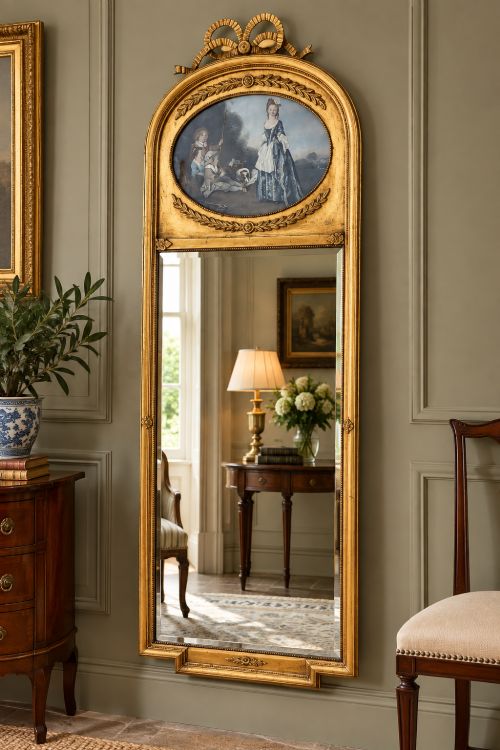
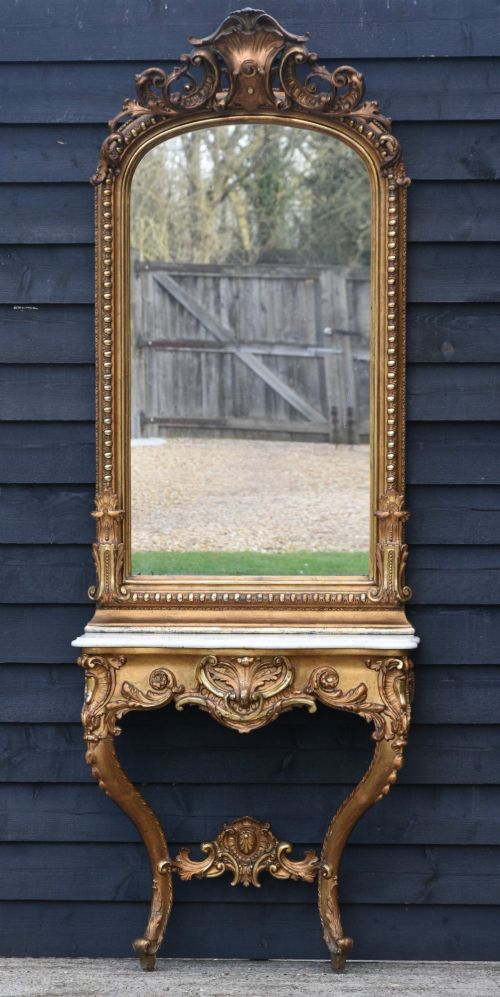
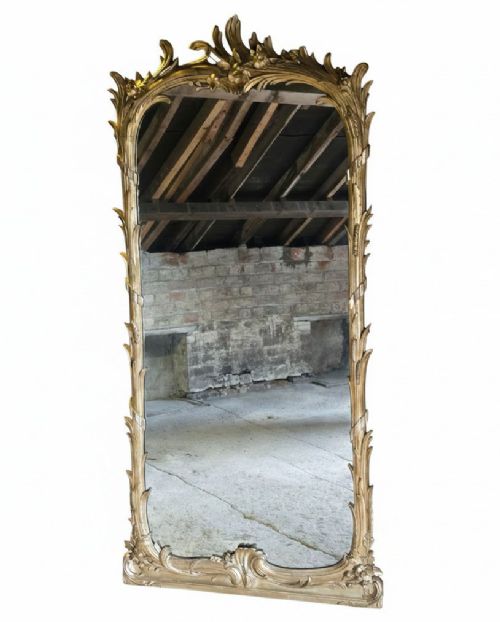
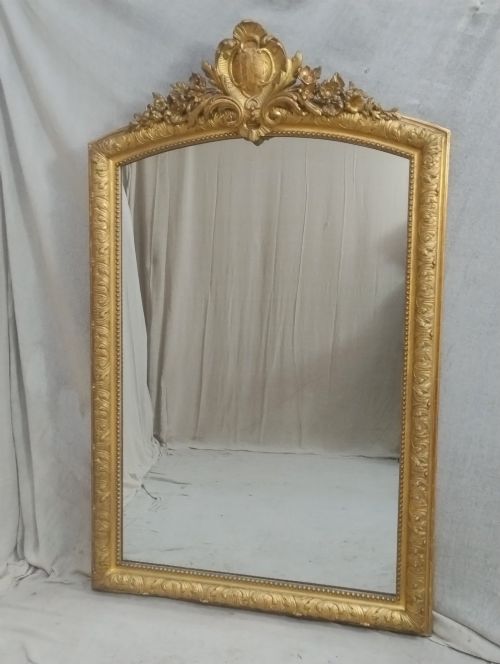
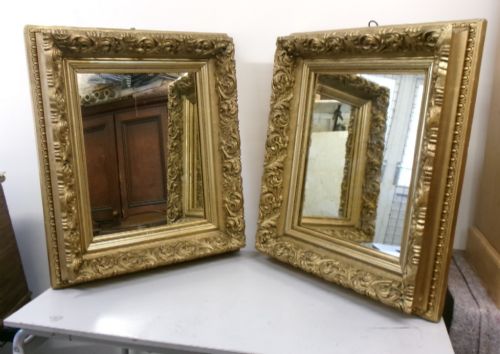
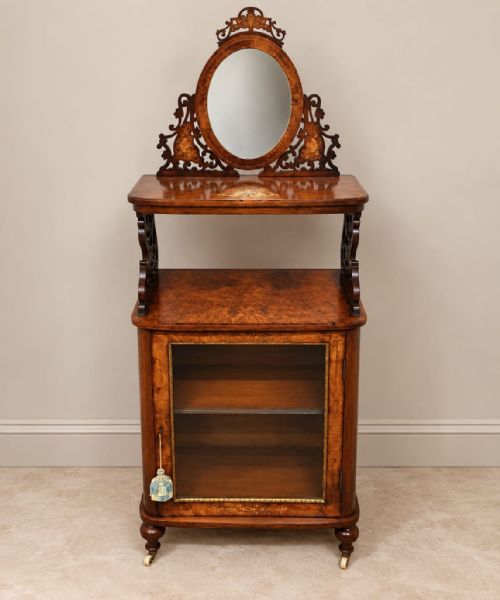
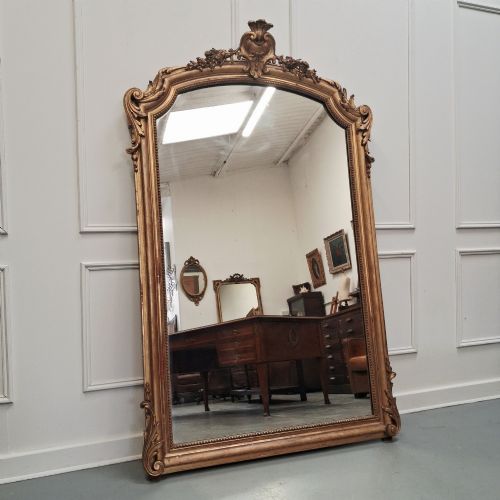
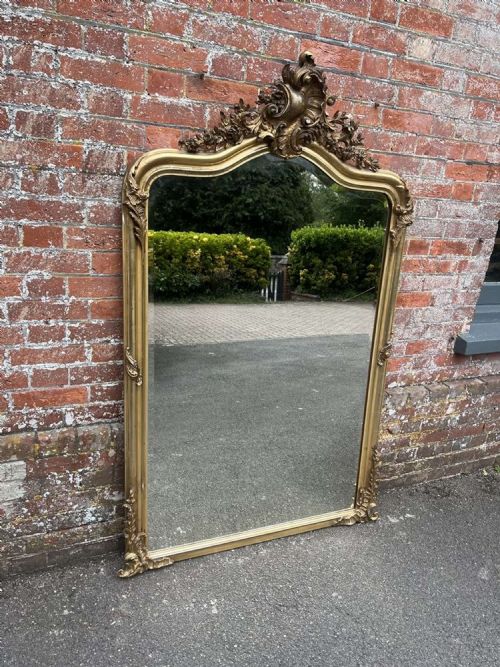
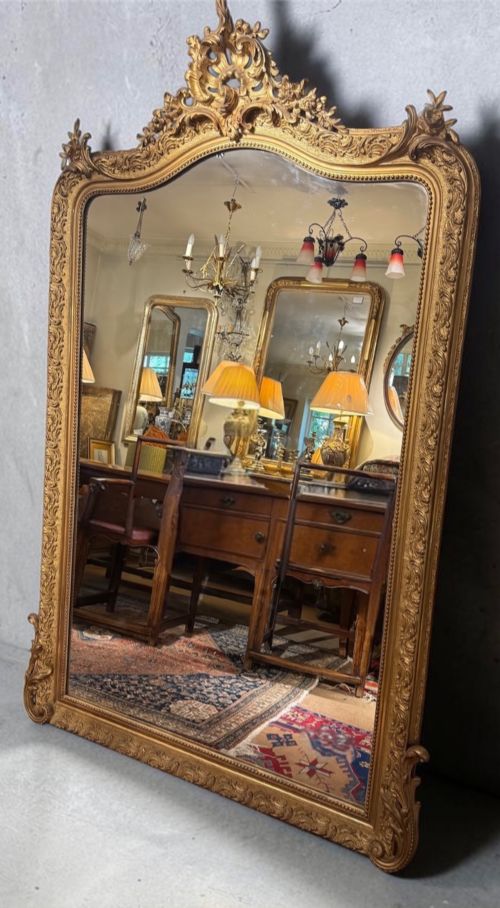
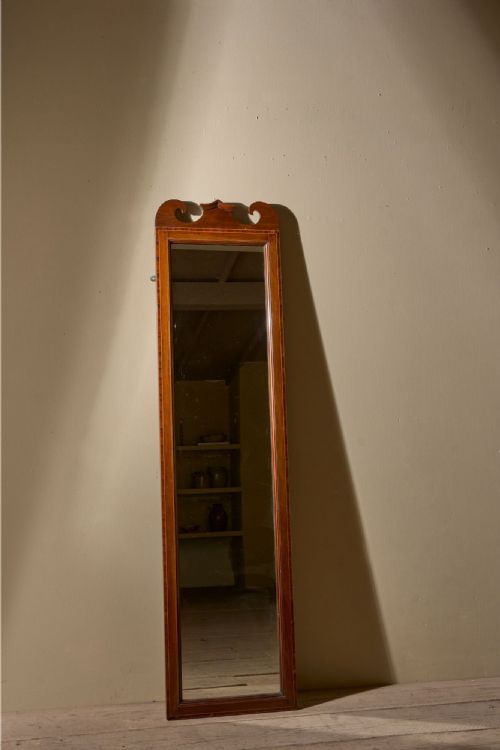
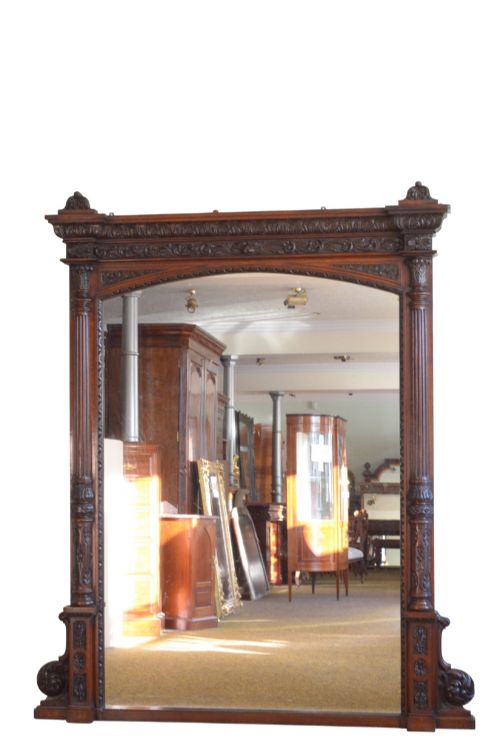
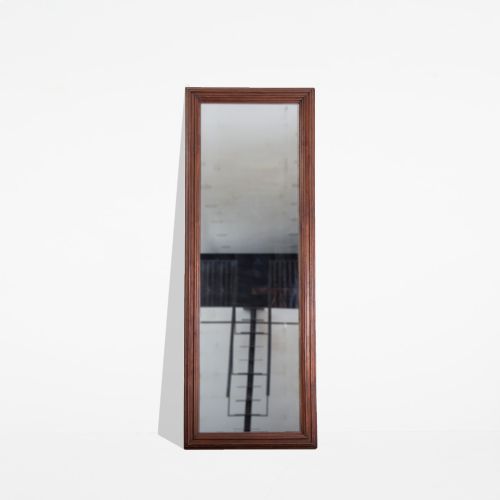
A victorian pier mirror is typically tall and slender, designed to fit the narrow wall space between two windows in a nineteenth-century drawing room. These glasses frequently match console tables or side cabinets placed directly beneath them, creating a unified architectural scheme within the interior. You will encounter tall arched or rectangular formats frequently on this page, often framed in elaborate giltwood or dark timber.
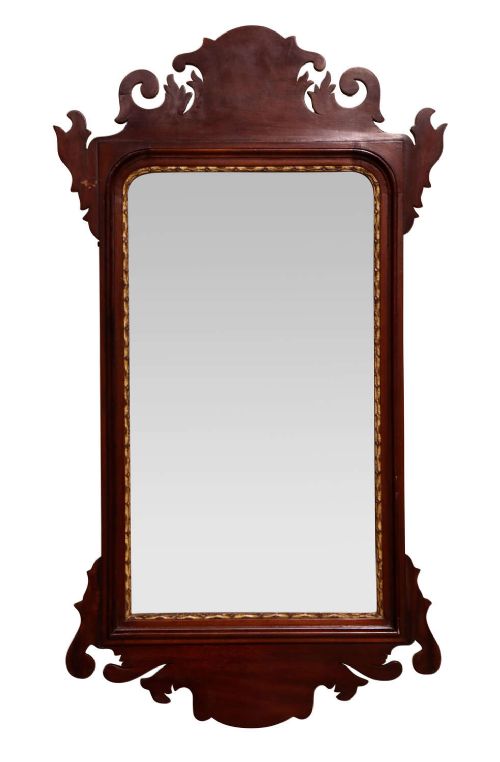
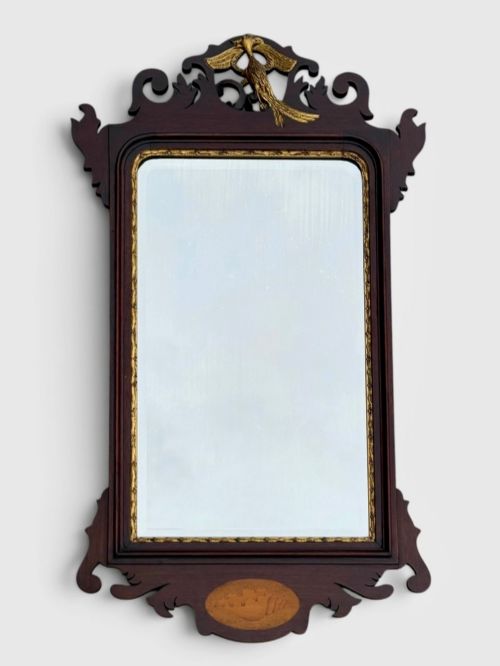
The materials and styles span from nineteenth-century walnut and mahogany to heavily gilded gesso and composition ornaments. Many examples draw inspiration from earlier periods, displaying Rococo revival curves, Chippendale fretwork, or George II architectural lines alongside distinct Victorian proportions. The records show both English country house pieces and grand French console pairings with integrated mirror backs.
Materials and Techniques
Makers built the structural frames from dense timbers like mahogany, walnut, and oak, often applying rich veneers or ebonised finishes. Carvers shaped solid wood components or applied moulded composition and gesso directly onto the wooden substrate to form intricate foliage, scrolls, and rope twists.
Surfaces received layers of gold leaf or silver leaf applied over boles, while glass plates were set into the rebate. Historical examples frequently utilise silver mercury plate or early float glass techniques, secured at the rear with original timber backing boards.
Victorian Pier Mirror Retail Price Guide 2026
Typical asking prices for victorian pier mirror among the pieces listed under this phrase on Sellingantiques today, from the lower quarter to the upper quarter. They describe what is for sale here now, not the wider market.
Some miniature examples turn up, proving that even nineteenth-century dolls houses required proper architectural glazing.
Judging Quality
The standard of carving and the crispness of the applied gesso ornamentation set finer examples apart from simpler utilitarian pieces. Deeply undercut foliage, balanced proportions, and the survival of original gilding indicate skilled workshop production rather than mass output.
The clarity and depth of the mirror glass itself, along with the integrity of the original timber frame construction, determine the overall grade of the object. Pieces that retain their matching console tables or original mercury glass plates command greater appreciation among collectors.
Charles Nosotti·William Tonks
The Victorian Pier Mirror Glossary
- Pier glass
- A tall mirror designed specifically for the narrow wall space between windows. This configuration maximised natural light in nineteenth-century rooms.
- Gesso
- A plaster-like mixture applied to wooden frames and carved or moulded into decorative reliefs before gilding. It creates smooth, detailed surfaces for gold leaf application.
- Parcel-gilt
- A finish where only specific portions of a wooden frame are highlighted with gold leaf while the underlying timber remains visible. This technique contrasts dark mahogany or walnut with bright metallic accents.
- Console table
- A table supported by wall brackets or front legs, frequently paired underneath a tall mirror. They often feature marble tops matching the finish of the glass above.
- Fretwork
- Openwork ornamentation cut from thin boards using a scroll saw or piercing technique. It appears frequently on Chippendale revival mahogany frames.
Victorian Pier Mirror: Frequently Asked Questions
Where were pier mirrors placed originally?
These tall glasses were hung on the narrow strip of wall situated between two drawing room windows. This placement reflected incoming daylight back into the interior spaces of nineteenth-century homes.
They were also positioned directly above low console tables or marble-topped side cabinets. This arrangement created a cohesive decorative unit against the wall.
How do I date a Victorian pier mirror?
Dating relies on examining the timber types, the style of the gesso mouldings, and the construction methods used at the back of the frame. Mid-nineteenth-century examples often feature heavy giltwood and Rococo revival curves.
Later decades introduced ebonised finishes, distinct fretwork, and revivals of Georgian or Chippendale styles. Original backing boards and silvered mercury plates provide further clues to the manufacturing decade.
Can I hang a pier mirror vertically?
These specific glasses were constructed exclusively for vertical display due to their tall, narrow proportions. Hanging them horizontally contradicts their original architectural purpose between windows.
Their weight and height require secure wall fixings into masonry or studs to support the substantial timber and glass structure safely.
What is the difference between an overmantel and a pier mirror?
An overmantel mirror is built wide and low to span the horizontal space across a fireplace mantelpiece. In contrast, a pier mirror is constructed tall and narrow to fit between architectural wall openings.
While both share nineteenth-century giltwood and gesso framing techniques, their distinct proportions dictate where they sit within a room.