



English Country House Mirror
An English country house mirror brings scale and historic character to a room, offering the large proportions and rich patination collectors seek.

English Country House Mirror
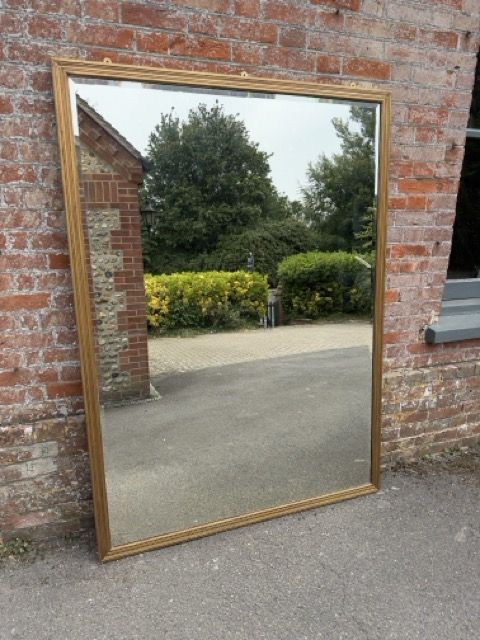
An English country house mirror encompasses substantial wall mirrors, grand overmantels, and standing cheval glasses shaped by Victorian and nineteenth-century design. These pieces anchor a room with generous dimensions and historic presence.
The versions most commonly met on this page span the Victorian era and the broader nineteenth century, featuring formats designed for principal reception rooms and bedrooms.
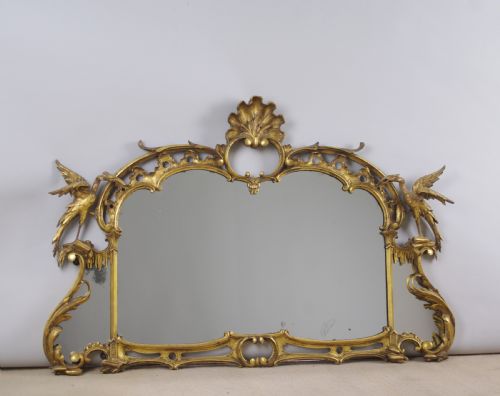
Makers drew on established stylistic vocabularies, producing works that ranged from Chinese Chippendale interpretations to classical revival and painted country house aesthetics.
How they were made
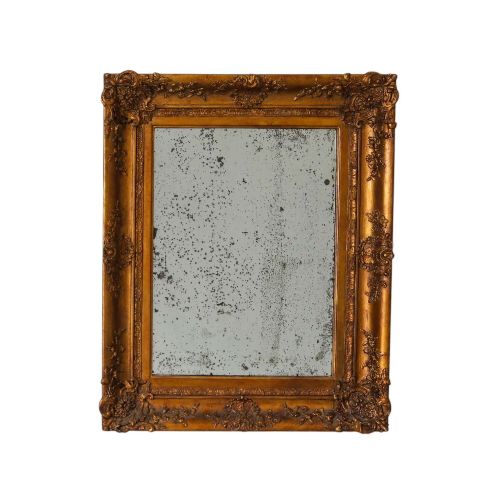
Carved wood provides the structural foundation for many of these frames, often enhanced with applied gesso to hold intricate mouldings and shaped profiles. Giltwood and gold leaf finishes bring reflective warmth to the surfaces.
Other examples utilise painted wood and parcel-gilt details, combining pigments with metallic highlights to soften the visual impact of large overmantel frames.
English Country House Mirror Retail Price Guide 2026
Typical asking prices for english country house mirror among the pieces listed under this phrase on Sellingantiques today, from the lower quarter to the upper quarter. They describe what is for sale here now, not the wider market.
What varies in quality
The refinement of the carved wood and gesso ornamentation dictates the visual authority of the piece, separating robust joinery from simpler forms. Crisp detailing in the shaped tops and frames reflects the skill of the nineteenth-century workshop.
The condition and character of the glass plate itself, including age-related foxing, contribute significantly to the authenticity and visual depth of the mirror.
The English Country House Mirror Glossary
- Overmantel mirror
- A large horizontal mirror designed to sit directly above a fireplace mantel. These pieces traditionally span the width of the hearth and expand the perceived light of a room.
- Cheval mirror
- A freestanding full-length dressing mirror suspended on a frame with pivoting pivots. This allows the glass to tilt to various angles.
- Gesso
- A plaster-like mixture applied to wood frames to create a smooth surface for gilding or painting. It accepts deep relief carving and fine detail.
- Foxed plate
- Glass showing spots and discoloration caused by the degradation of the backing over time. Collectors prize this aged quality for its authentic historic appearance.
English Country House Mirror: Frequently Asked Questions
What is an English country house mirror?
These are large nineteenth-century mirrors, including overmantels and cheval glasses, originally used in prominent rooms of large residences.
They are defined by substantial wooden frames, often featuring carved gesso, giltwood, or painted finishes that reflect the Victorian aesthetic.
Where should I hang an overmantel mirror?
An overmantel mirror is traditionally placed directly above a fireplace mantelpiece to anchor the focal point of a reception room.
Because of their substantial weight and scale, they require secure wall fixings tied directly into the structural studs or masonry.
What does foxed plate mean?
Foxed plate refers to the natural ageing of the mirror glass where the silver backing deteriorates, creating dark spots and a mottled appearance.
This characteristic confirms the age of the glass and adds considerable historic charm to the piece.
How do I identify a Victorian mirror?
Victorian mirrors are typically identified through their nineteenth-century construction methods, heavy timber frames, and specific stylistic revivals such as Chinese Chippendale or classical designs.
Dates usually range from the mid-nineteenth century up to around nineteen hundred.