



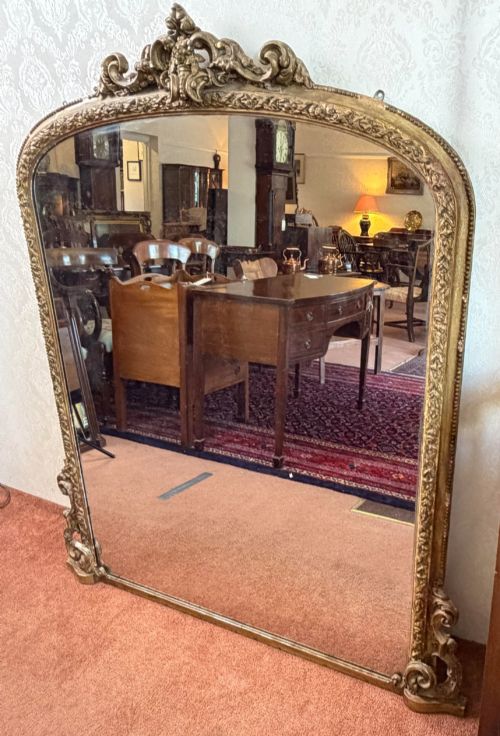
Gold Arch Mirror
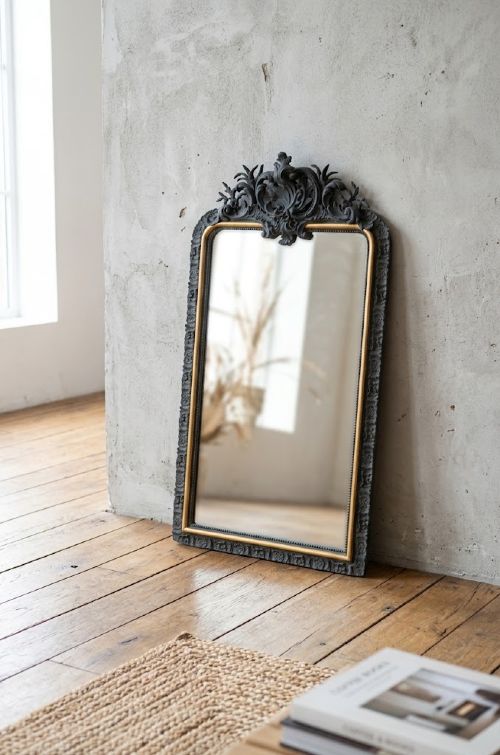
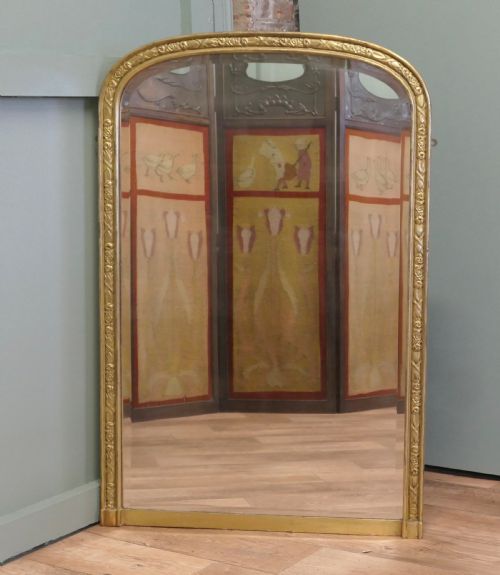
Gold arch mirror pieces bring dramatic architectural height and reflective light to a room, spanning grand Victorian overmantels and elegant French styles.
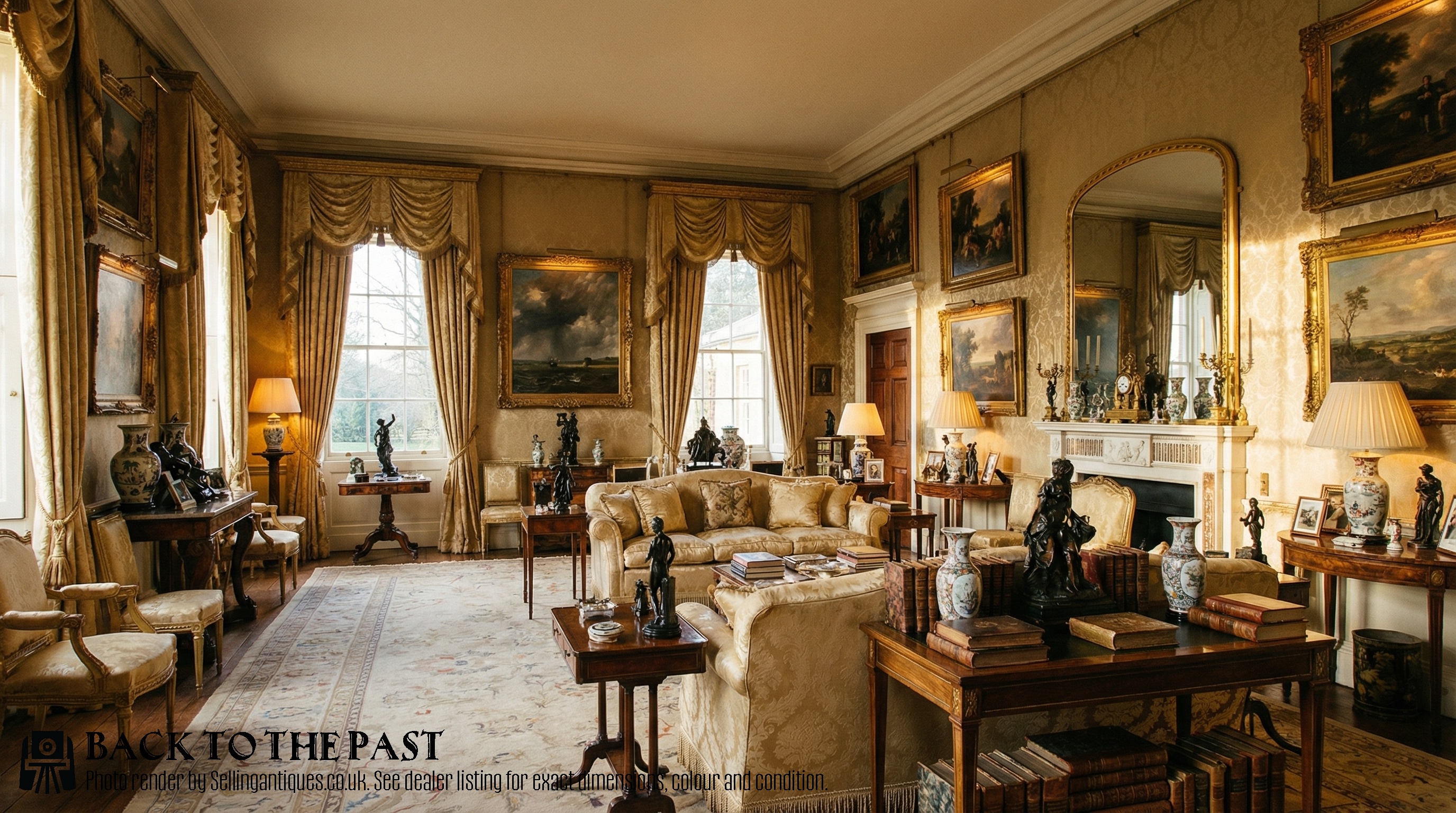
Gold Arch Mirror
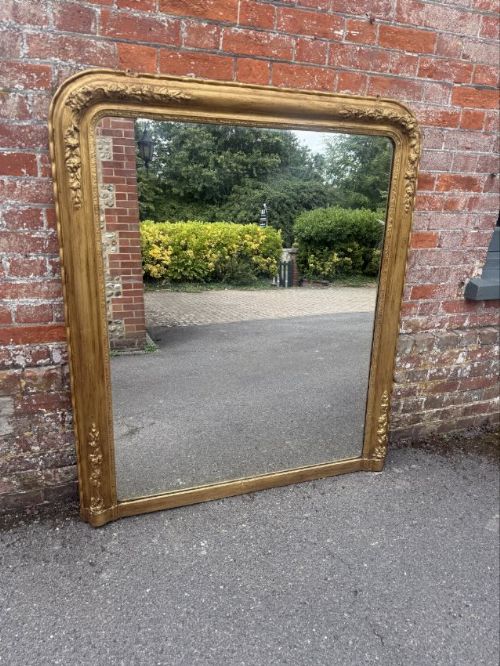
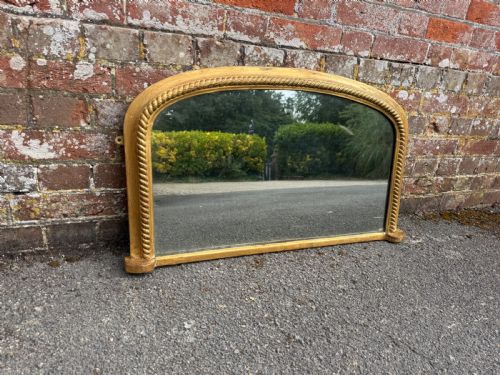
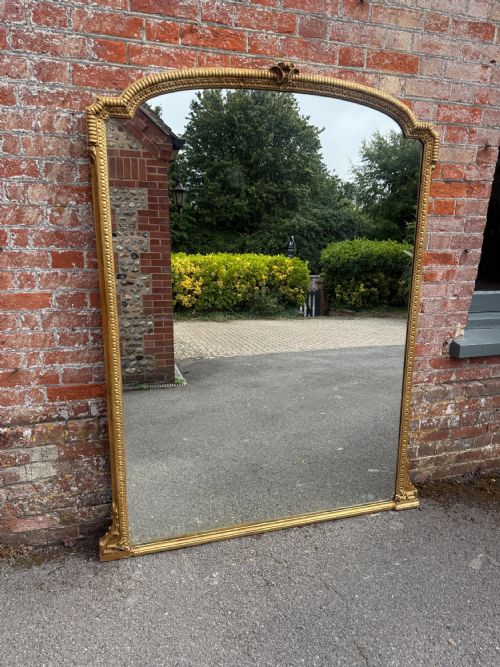
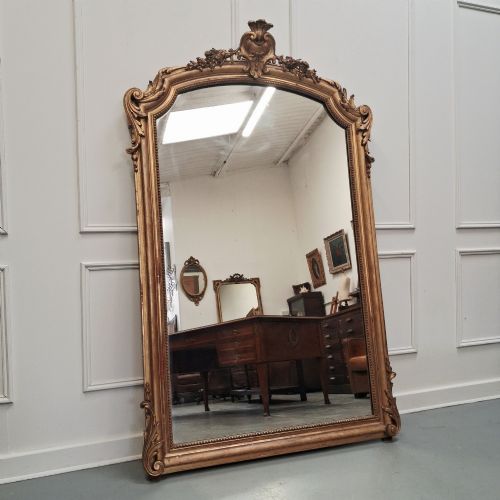
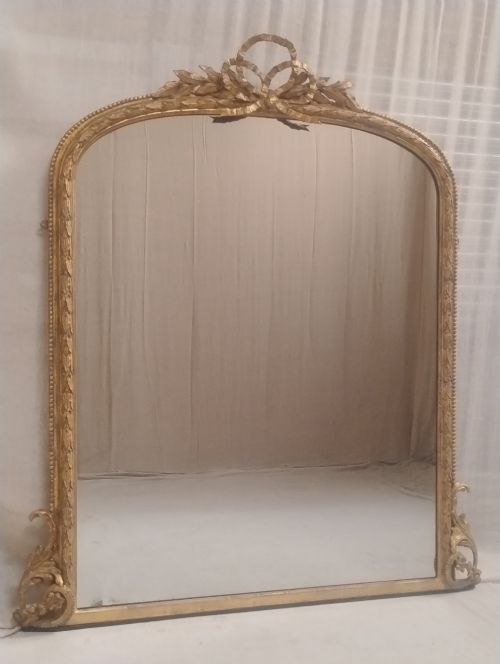
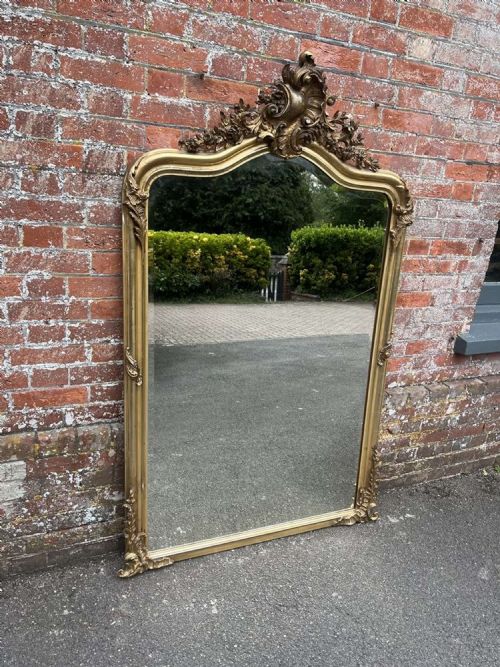
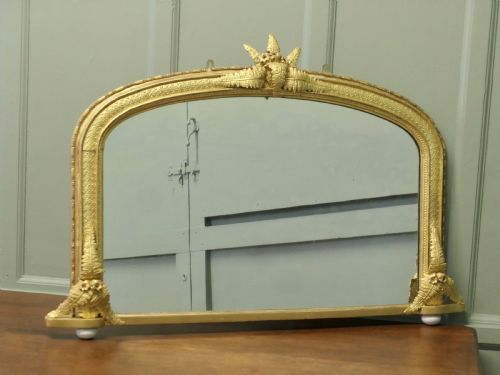
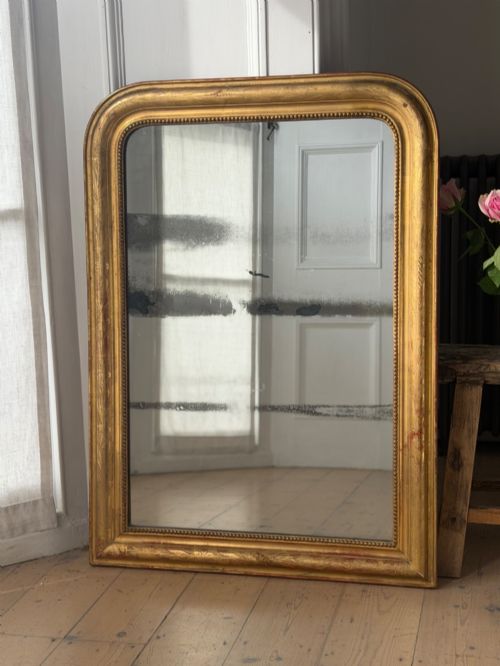
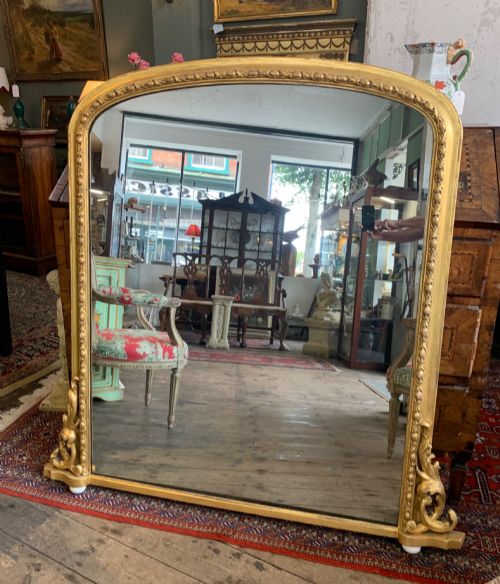
When searching for a gold arch mirror, collectors encounter substantial wall and overmantel pieces designed to anchor a room with curved tops and gilded frames. The selections on this page centre heavily on 19th-century English and French examples, including Victorian overmantels and Louis Philippe designs.
Many of these large pieces trace their origins back through the 1850s, 1860s, 1870s, and 1880s, alongside earlier Georgian and 18th-century forms. Overmantel mirrors dominate the selection, built wide and tall to sit comfortably above fireplace mantels or command empty wall space.
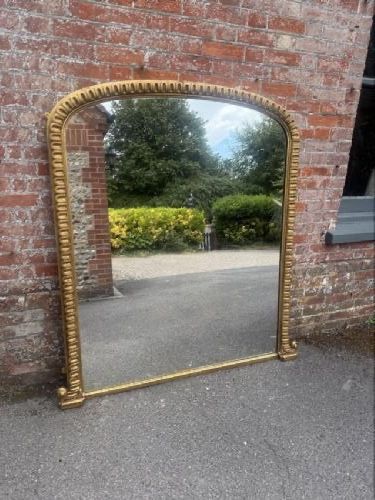
The arched silhouette defines the category, appearing with ribbed, rope twist, or tulip frames. Buyers find both ornate French chateau styles and restrained English Victorian interpretations among the listed items.
How they were made
Carved wood provides the structural foundation for the frames, shaped into graceful arches and applied decoration. Artisans built up surface detail using plaster and gesso over the wooden base to create crisp mouldings and relief ornamentation.
Gold leaf and giltwood finishes impart the characteristic metallic sheen, applied by hand over the prepared gesso grounds. Mirror glass completes each piece, occasionally showing age through foxing or historical mercury silvering.
Gold Arch Mirror Retail Price Guide 2026
Typical asking prices for gold arch mirror among the pieces listed under this phrase on Sellingantiques today, from the lower quarter to the upper quarter. They describe what is for sale here now, not the wider market.
Some maritime-inspired frames incorporate nautical rope twist carvings, proving that Victorian makers loved bringing the high seas into the drawing room.
What varies in quality
Depth of carving and crispness in the gesso ornamentation separate standard productions from exceptional examples. The handling of the gilt surface, whether burnished gold leaf or painted finish, dictates the visual richness of the frame.
Proportions also govern value, with monumental heights and balanced arch profiles commanding greater presence. The retention of original mirror glass and untouched backing boards adds historical integrity to individual pieces.
The Gold Arch Mirror Glossary
- Gesso
- A mixture of plaster of Paris and glue used as a base for gilding on wood frames. It allows intricate relief patterns to be moulded before applying gold leaf.
- Giltwood
- Wood that has been coated in gold leaf or gold paint. This technique creates a luminous metallic finish popular across 19th-century furniture and mirrors.
- Overmantel mirror
- A large mirror specifically proportioned to hang above a fireplace mantel. These pieces often feature arched tops to follow the architectural lines of chimney breasts.
- Louis Philippe
- A mid-19th-century French style characterised by understated elegance, simple curved arches, and minimal ornamentation. It offers a softer alternative to heavily ornate rococo designs.
- Pier mirror
- A tall, narrow mirror designed to hang on the wall space between windows. These vertical pieces maximise natural light in period rooms.
Gold Arch Mirror: Frequently Asked Questions
How do I hang a heavy gold arch mirror?
These large framed mirrors require substantial wall fixings due to their considerable weight and solid wood construction. Professional installation into masonry or secure wall studs ensures the piece remains safely supported.
Positioning the mirror at the correct height above a mantel or console table balances the architectural proportions of the room. Adequate clearance from heat sources protects the antique gesso and gilt surfaces from damage.
What is the difference between Victorian and French styles?
Victorian mirrors often feature heavier carved woodwork, gesso enrichment, and robust architectural framing designed for prominent English interiors. French styles, particularly Louis Philippe designs, tend to display softer arched lines and more restrained decorative elements.
Both traditions utilise gilt finishes and arched silhouettes, but the French variants lean towards understated curves while Victorian pieces frequently incorporate elaborate rope twist or ribbed motifs.
How should I clean an antique gilt frame?
Gentle dusting with a soft, dry brush removes surface particles without disturbing delicate gesso or gold leaf layers. Moisture and chemical cleaning agents must be avoided entirely to prevent lifting the historic gilding.
Original mirror glass can be wiped carefully with a dry microfibre cloth. Preserving the natural patina safeguards the age and character of the piece.
Where should I place an overmantel mirror?
Overmantel mirrors sit naturally above fireplace hearths, anchoring the vertical space of a chimney breast. Placing them opposite windows also maximises the reflection of natural daylight throughout the room.
Generous proportions make these mirrors effective focal points in reception rooms, hallways, and dining spaces. Their architectural height draws the eye upward and visually expands the surrounding floor area.