


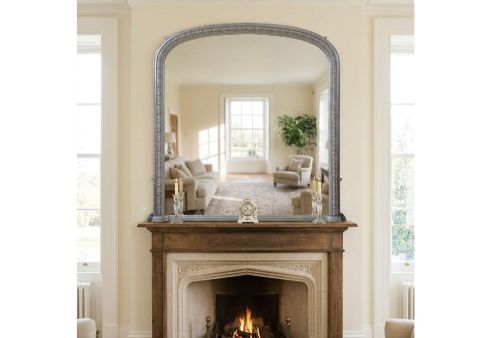
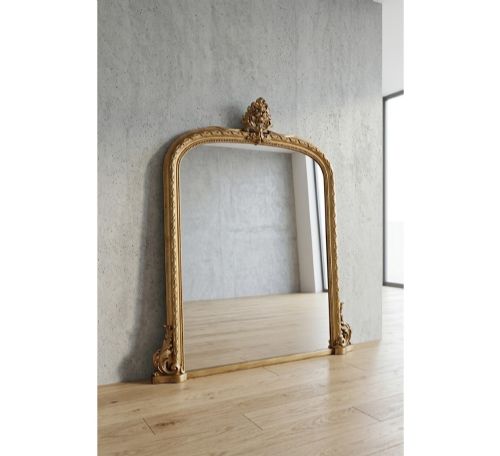
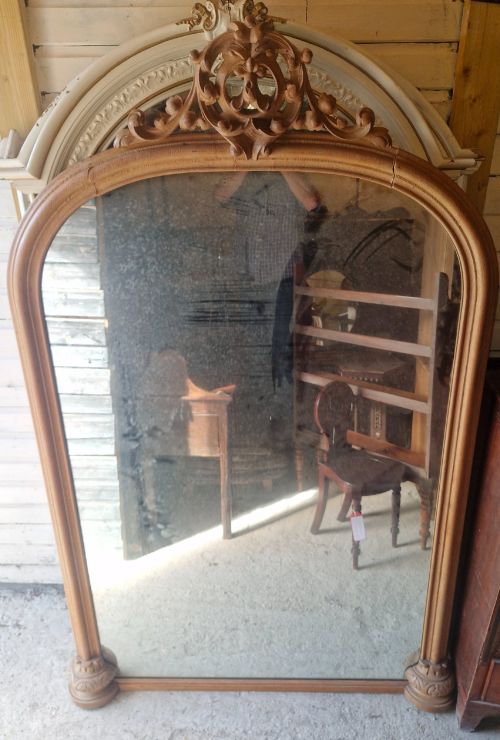
Arched Mantle Mirror
An arched mantle mirror brings a distinct sweep of nineteenth-century proportion and reflected light to a room.
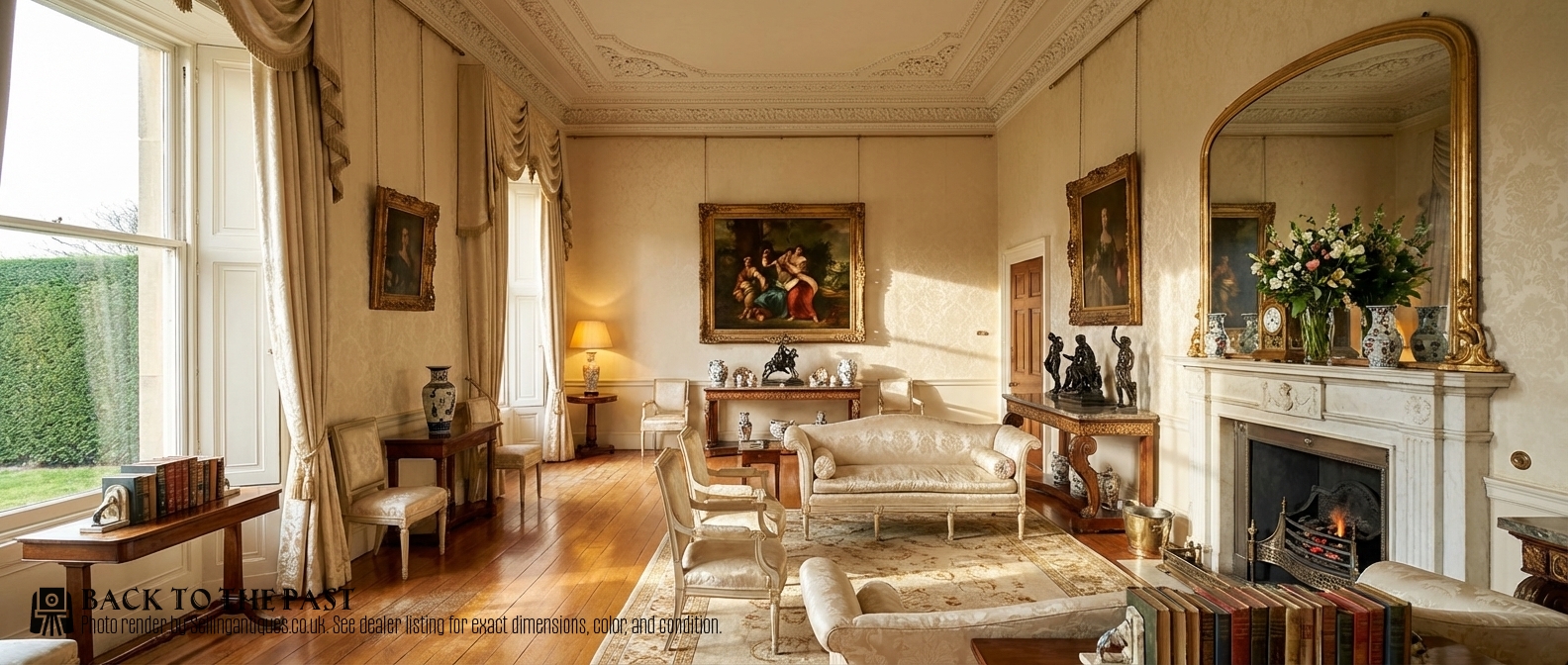
Arched Mantle Mirror
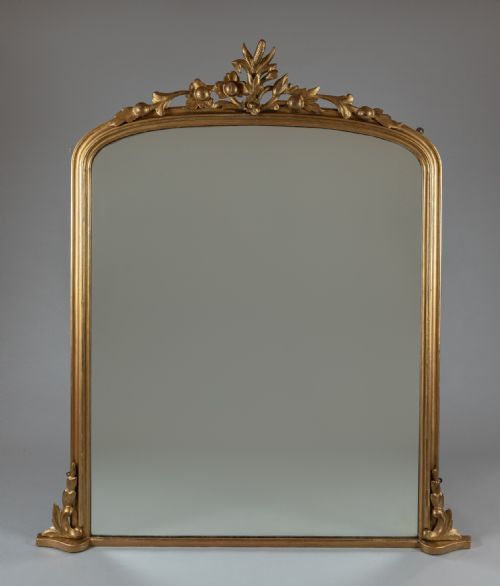
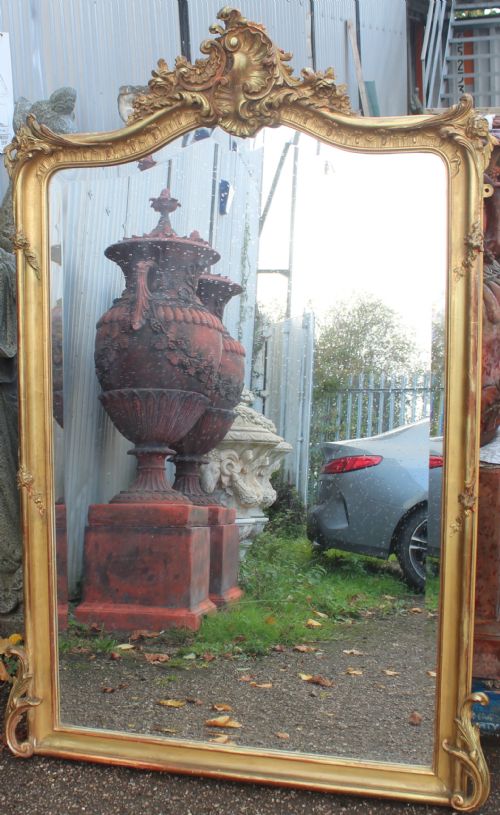
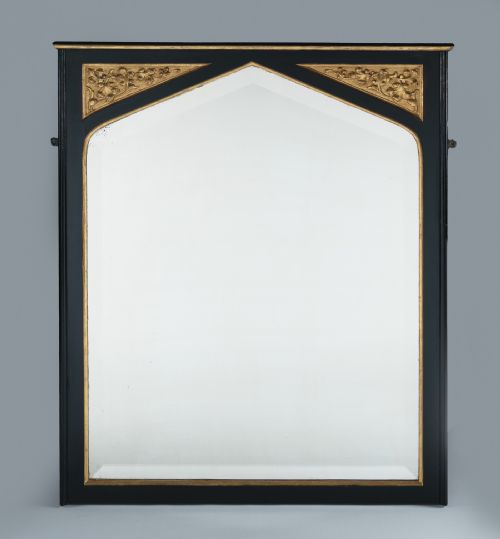
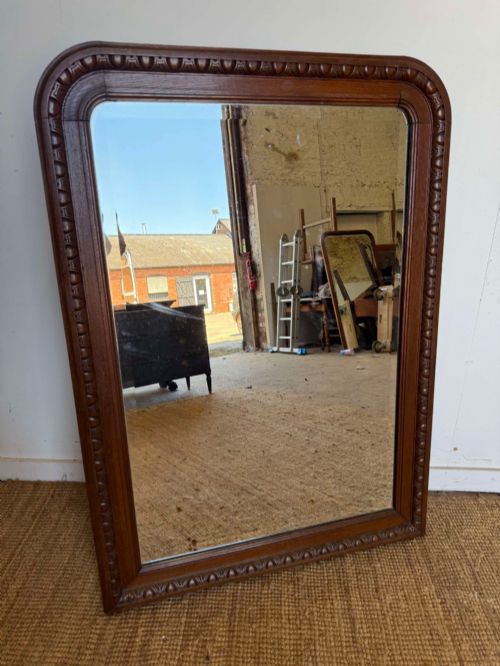
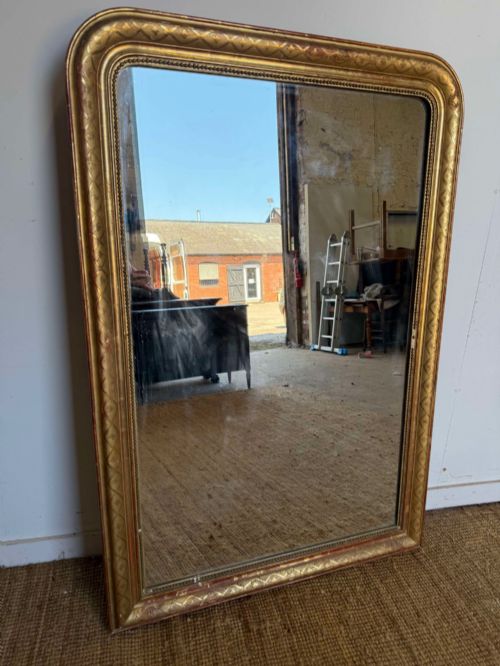
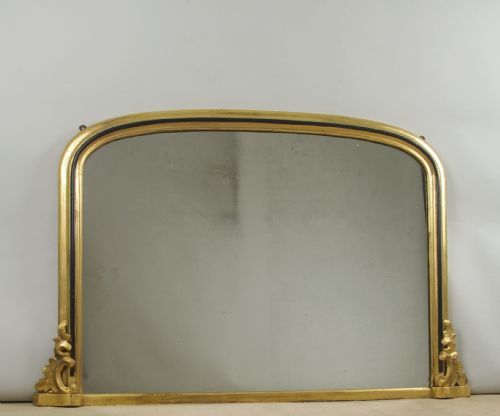
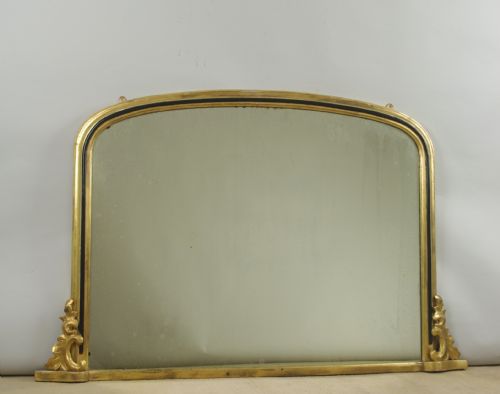
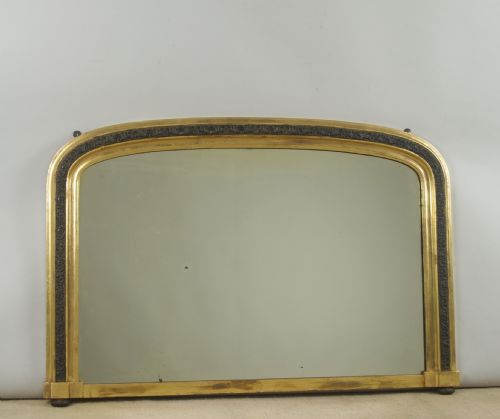
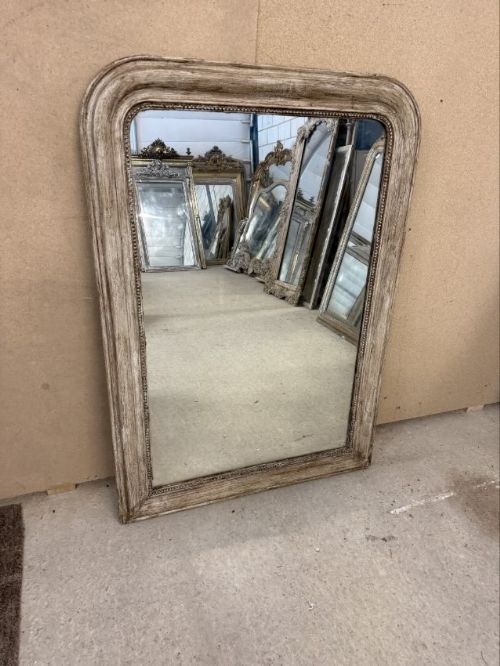
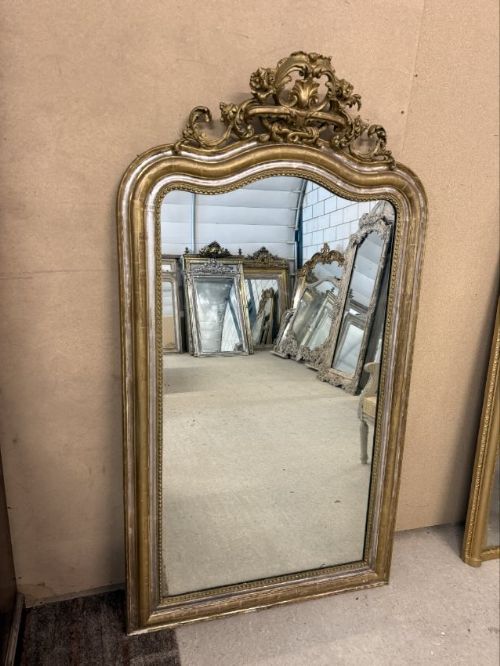
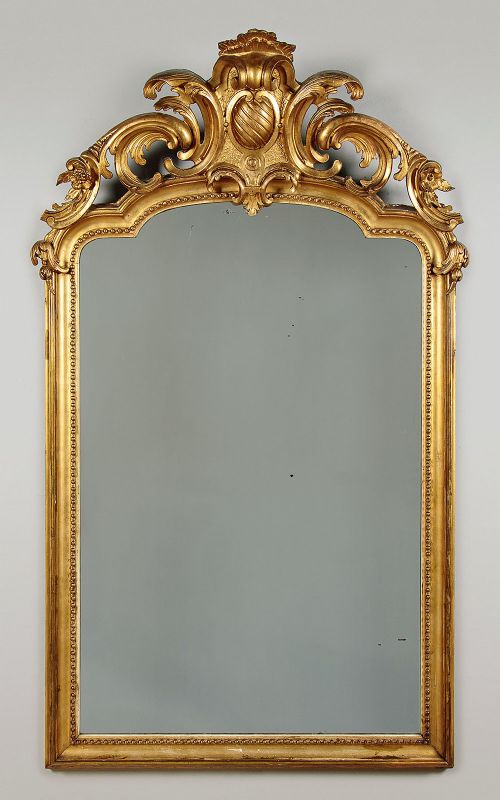
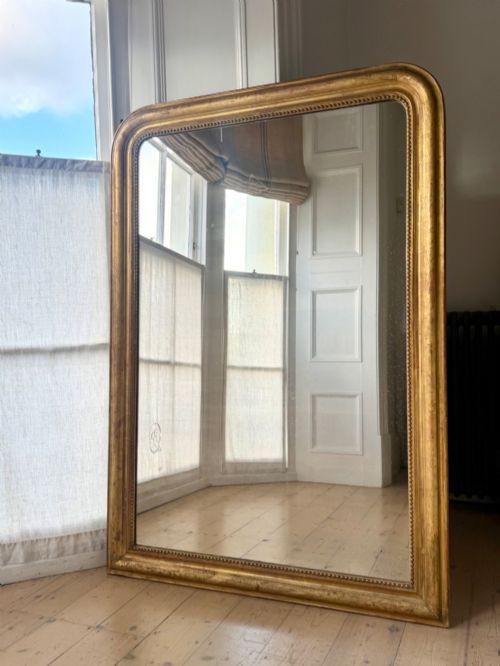
When you search for an arched mantle mirror, you find large wall-hanging glasses designed to sit above a fireplace. The pieces on this page span the nineteenth century, including Victorian and Edwardian examples alongside French Louis Philippe and Rococo styles.
English and French workshops built these frames predominantly as overmantels, using generous proportions to anchor high ceilings. Most examples meet the eye with broad arched tops, gilded finishes, and substantial wooden structures intended to command a chimney breast.
How they were made
Carved wood and gesso form the structural base for the majority of these gilt frames. Artisans applied thin layers of gesso over timber mouldings to build up crisp decorative details, rope twists, and ribbed patterns before applying gold leaf or gold paint.
Mirror glass of the period was set into these frames by hand, with select French pieces retaining mercury silvering that produces characteristic foxed spots. Frames often combined solid wood foundations with composition ornaments pressed into shape for complex corners and cartouches.
Arched Mantle Mirror Retail Price Guide 2026
Typical asking prices for arched mantle mirror among the pieces listed under this phrase on Sellingantiques today, from the lower quarter to the upper quarter. They describe what is for sale here now, not the wider market.
Listings feature nineteenth-century pieces alongside Victorian, Edwardian, and French Louis Philippe periods.
What varies in quality
The distinction between standard decorative mirrors and top-tier examples lies in the crispness of the gesso carving and the depth of the gilding. Superior pieces display sharp, hand-finished motifs where the wooden substrate beneath remains cleanly defined.
Proportion and scale also separate the exceptional from the ordinary, particularly in how the arched top integrates with the vertical frame members. Original glass plates with authentic foxing carry greater integrity than later replacement mirror plates.
The Arched Mantle Mirror Glossary
- Gesso
- A plaster-like mixture applied to wood frames to create a smooth surface for gilding. Artisans carved intricate decorative details directly into this hardened layer.
- Overmantel
- A large mirror specifically proportioned to hang on the wall directly above a fireplace mantelpiece. These pieces often feature low-slung horizontal bases or arched tops designed for chimney breasts.
- Giltwood
- Timber that has been coated with thin sheets of gold leaf or gold-coloured finish. This technique gives the frame its luminous metallic appearance.
- Cartouche
- An ornamental framed panel or tablet, often resembling a scroll or shield, placed centrally on the top arch of a mirror frame.
- Foxed glass
- Mirror glass that has developed dark spots, mottling, or clouding due to the degradation of the backing reflective layer over time. Collectors value this ageing for its atmospheric reflection.
Arched Mantle Mirror: Frequently Asked Questions
Where should an arched mantle mirror go?
These mirrors find their traditional home centered on the wall directly above a fireplace mantel. Their grand scale also allows them to function effectively as floor-standing or wall-mounted statement pieces in large living rooms and hallways.
Because they project considerable weight and presence, secure wall fixings into structural brick or studwork are essential for safe placement.
How do I date a gilt mirror?
Dating relies on examining the construction methods of the wooden frame, the composition of the gesso, and the style of the arch. Nineteenth-century pieces often display hand-carved wooden elements combined with moulded gesso details.
Backboards, fixings, and the chemical composition of the mirror glass or mercury backing provide further physical evidence for determining the period.
What is the difference between French and English styles?
French mirrors from the nineteenth century, particularly Louis Philippe and Rococo variants, often feature softer shoulders, rounded corners, and layered painted palettes alongside traditional gilding. English overmantels tend to present more robust architectural proportions with prominent rope twists and deep rebates.
Both traditions utilised carved wood and gesso, but the decorative flourishes on French frames lean toward organic asymmetry and cartouches.
How do I clean an antique mirror?
Dust the gilded gesso frame gently with a soft, dry brush to prevent moisture from damaging fragile nineteenth-century surfaces. Avoid commercial chemical cleaners that can strip the gold leaf or seep behind the glass.
Clean the glass plate sparingly using a soft cloth and a minimal amount of distilled water, taking care not to touch the edges where silvering may be delicate.