


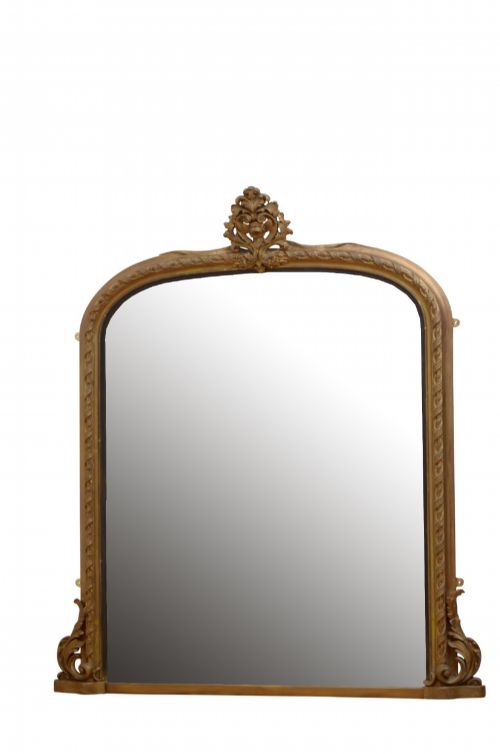
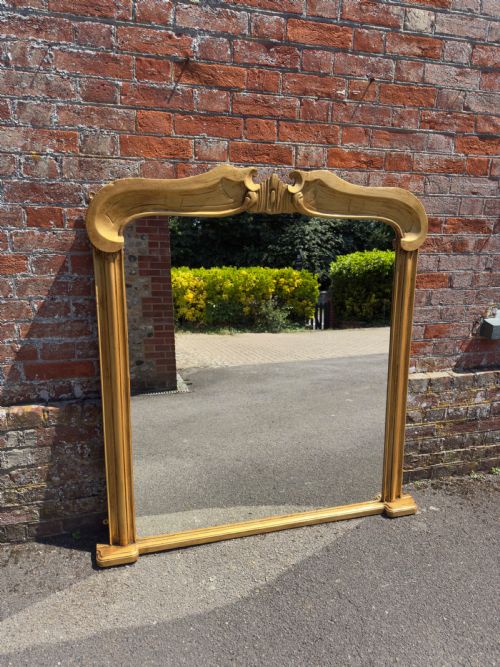
Victorian Arched Mantle Mirror
These nineteenth-century pieces bring scale and light to a room, and a victorian arched mantle mirror transforms a chimney breast.
What these pieces are
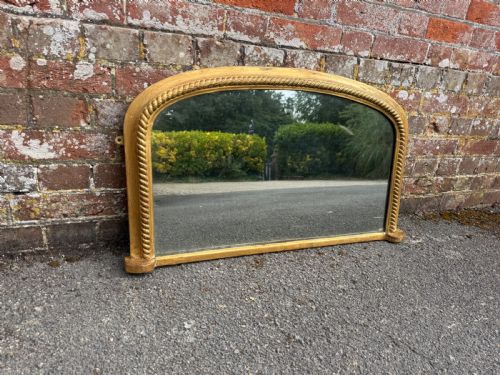
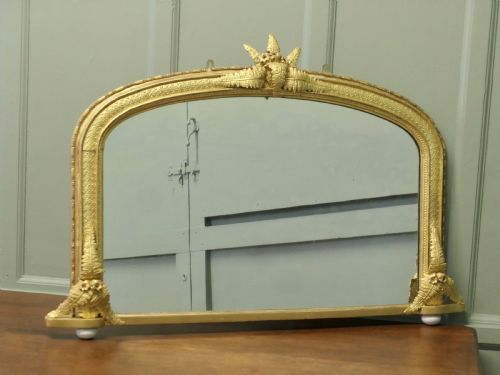
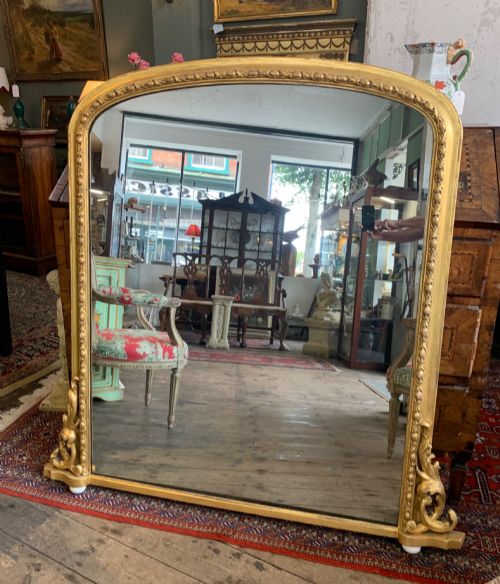
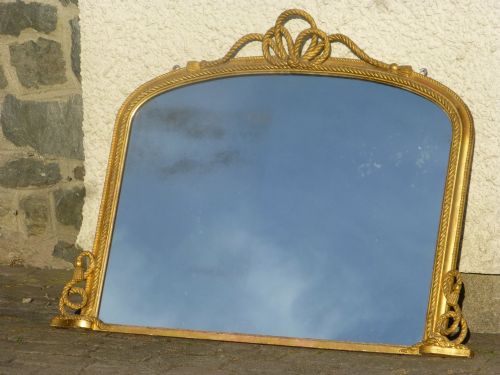
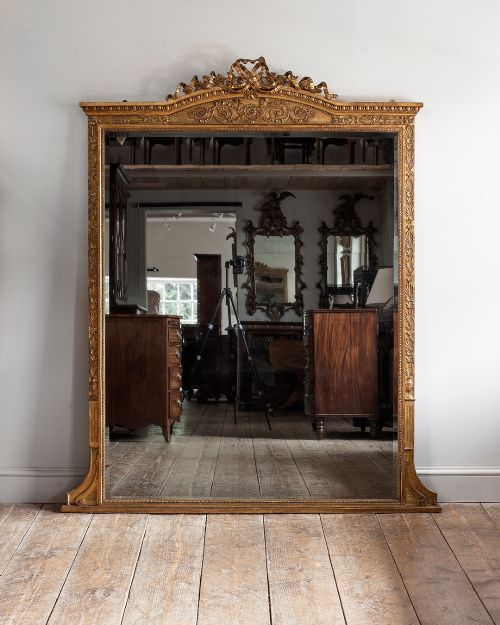
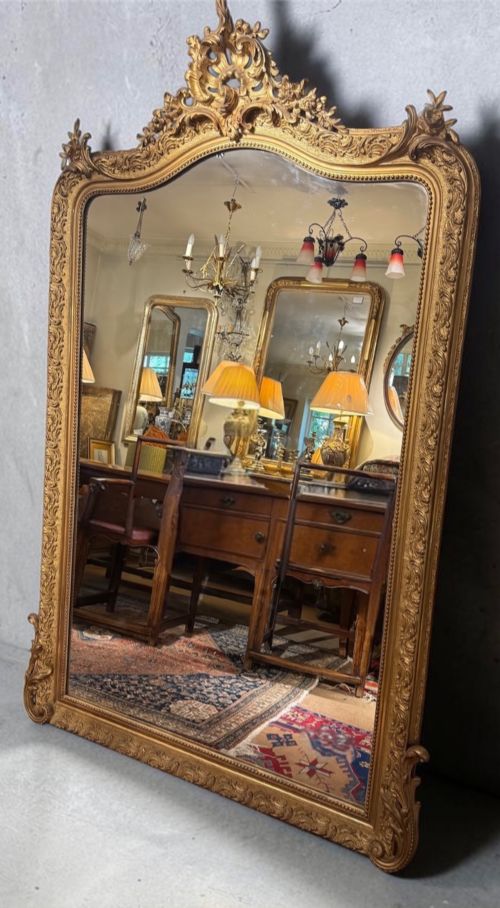
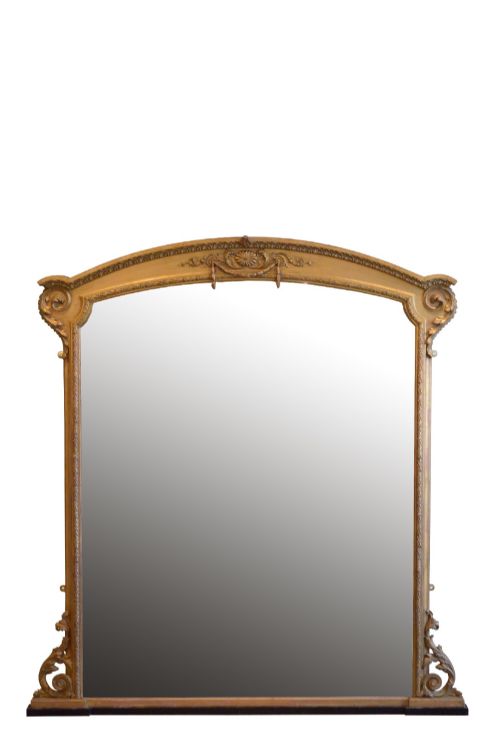
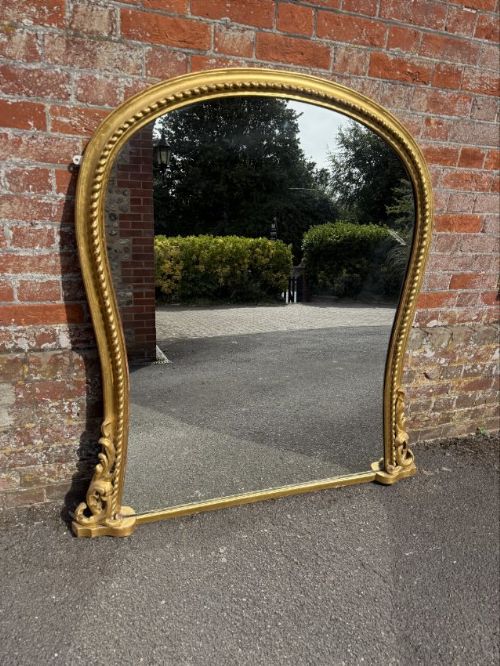
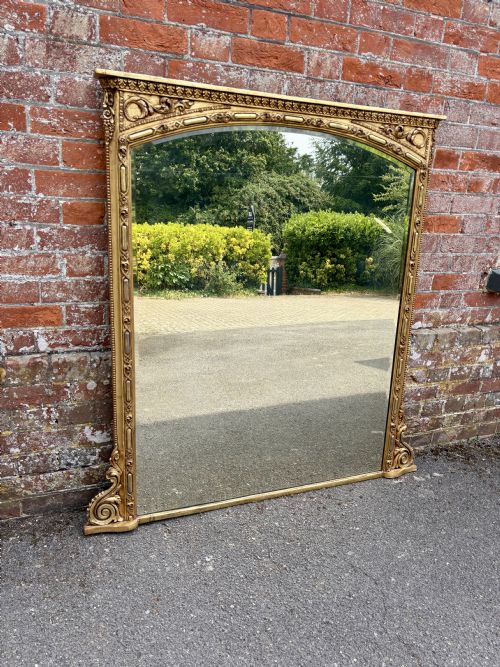
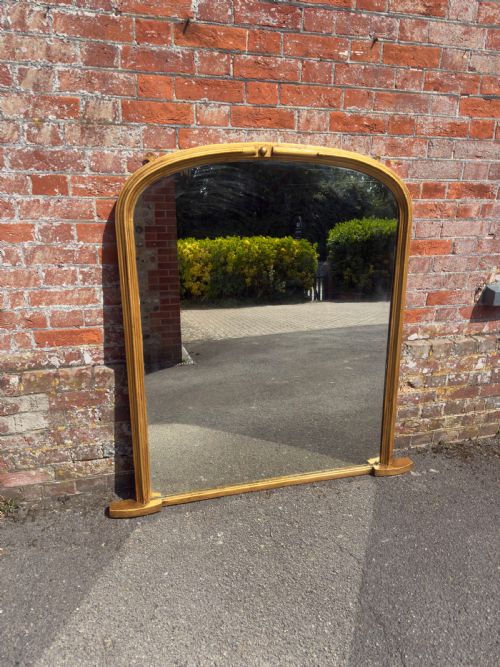
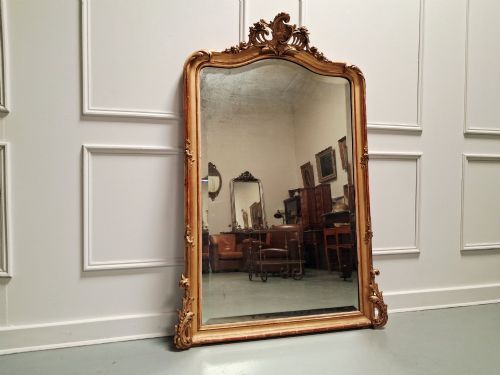
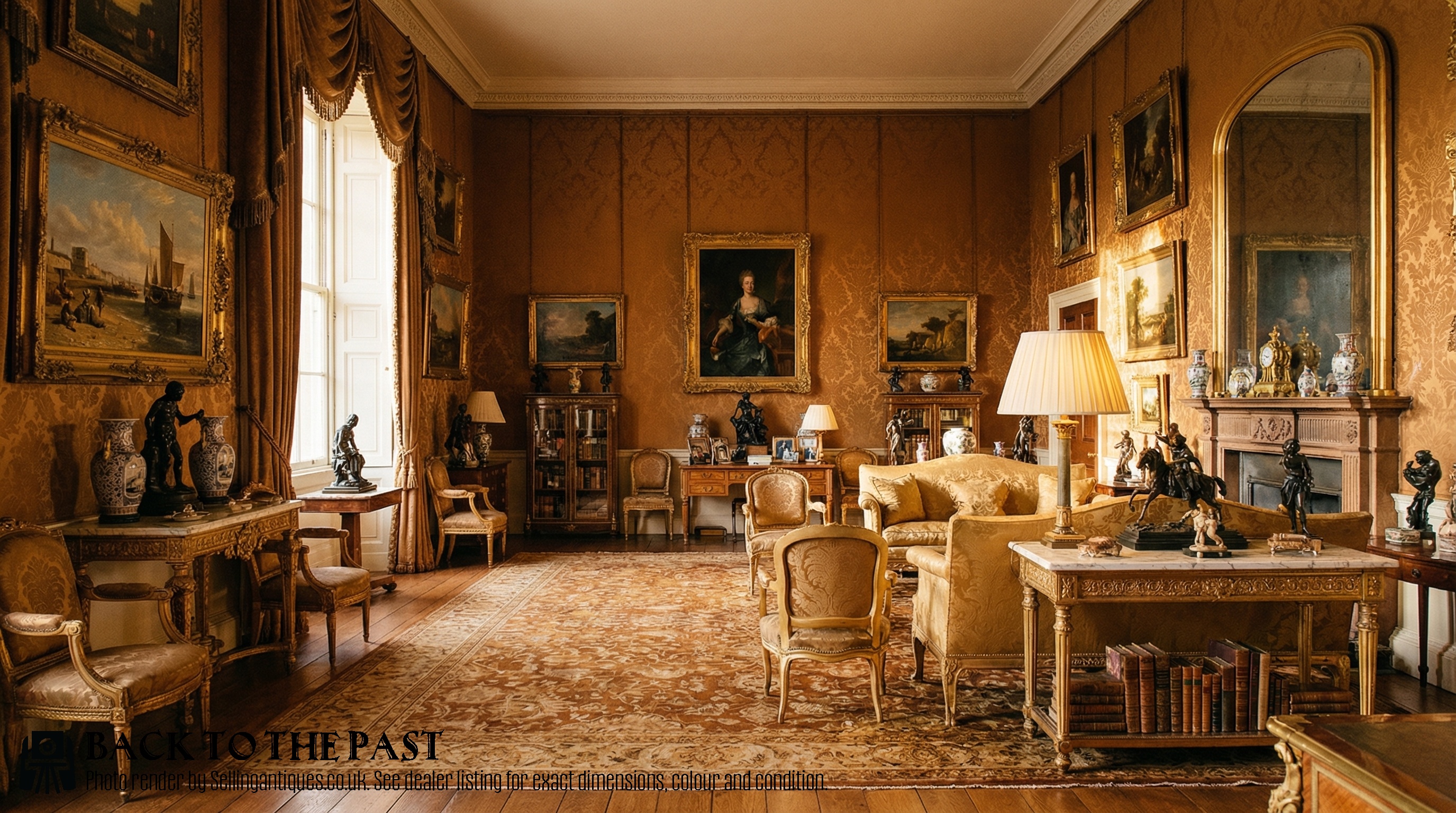
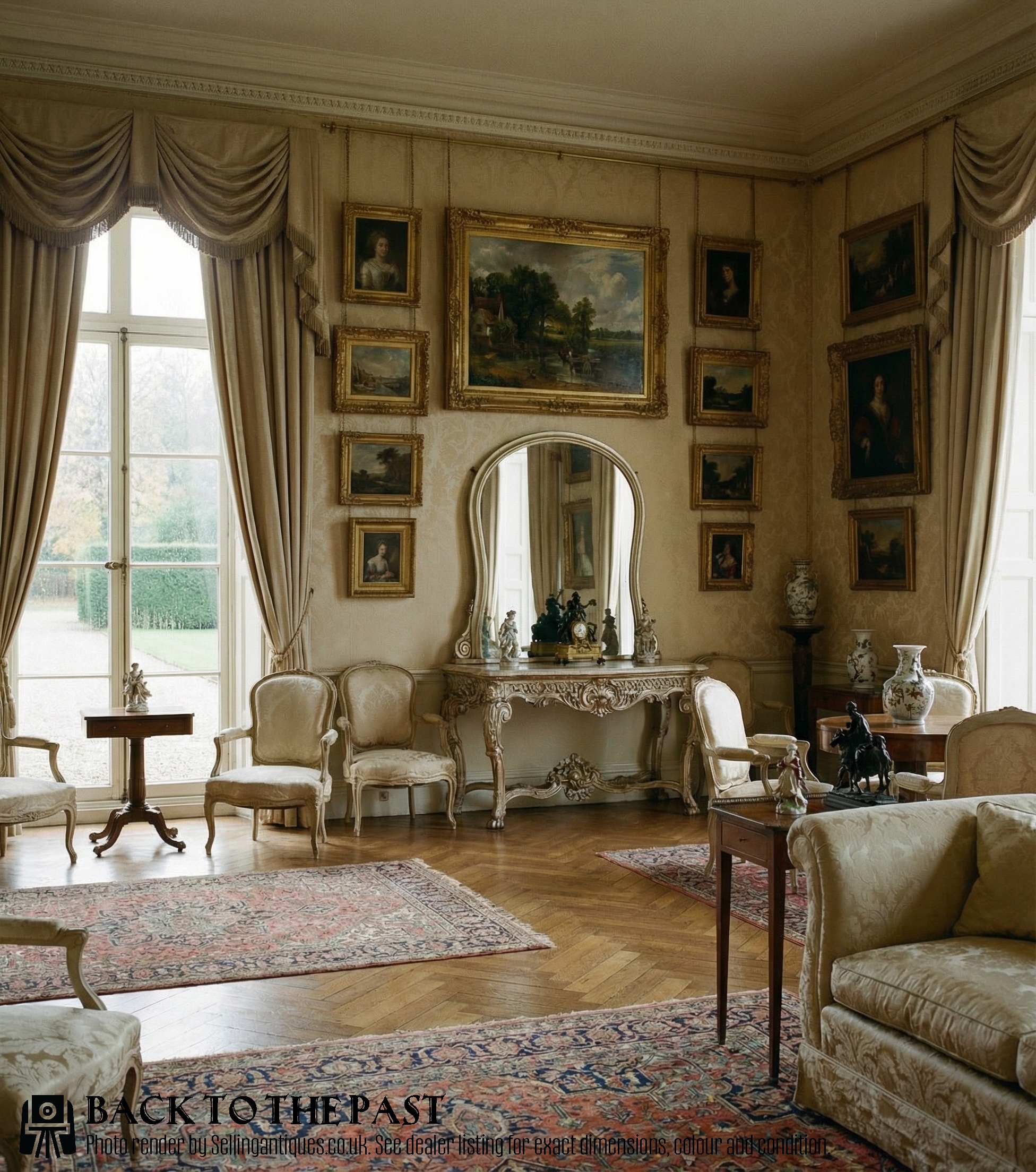
A victorian arched mantle mirror is a substantial overmantel or pier mirror designed to sit directly above a fireplace hearth. These large glasses command the wall, bringing light deep into nineteenth-century drawing rooms and reception spaces.
The pieces on this page span the decades from eighteen sixty to eighteen eighty, representing English craftsmanship of the Victorian era. Most examples encountered here take the form of overmantel mirrors with characteristic arch tops.
Makers produced these works in varied woods and finishes, including oak, flame mahogany, and simulated wood. Giltwood and composition finishes dominate the record, alongside silvered wood surfaces.
How they were made
Workers constructed the structural frames from timber such as oak, mahogany, and general wood. Carved wood details provided the foundational shape before decorators applied surface ornament.
Gesso and composition mouldings built up the relief work around the arched frames. Artisans then applied gold leaf or silvered treatments to achieve the bright reflective finishes seen across the pieces.
Retail Price Guide 2026
Typical UK retail prices for victorian arched mantle mirror, calculated from the Sellingantiques database of over a million retail prices indexed since 2003. This retail price guide relies exclusively on Sellingantiques data; no external sources or auction records are used, so the figures do not describe the wider market.
Listings feature items spanning the decades from eighteen sixty to eighteen eighty, utilising materials from gesso and gold leaf to flame mahogany.
What varies in quality
Depth and precision in the carved wood elements distinguish finer examples from standard production. Richness in the giltwood or gold leaf application creates a deeper visual warmth across the surface.
The choice of secondary woods, such as flame mahogany or solid oak, elevates certain pieces above standard simulated wood finishes. Intricacy in the composition and gesso mouldings separates simpler frames from ambitious architectural designs.
Adams
The Victorian Arched Mantle Mirror Glossary
- Overmantel mirror
- A large glass specifically designed to hang or stand on the mantelpiece above a fireplace. These frames often match the grand proportions of nineteenth-century hearths.
- Gesso
- A plaster-like mixture applied to wooden frames as a smooth base for gilding. Artisans carved or stamped intricate decorative motifs directly into this dried material.
- Giltwood
- Timber coated with gold leaf or metallic powder to resemble solid gold. This finish reflects interior candlelight and daylight effectively.
- Composition
- A mouldable mixture of whiting, resin, glue, and linseed oil pressed into decorative ornaments. It offered a cost-effective alternative to hand-carved wood.
- Pier mirror
- A tall glass made to fit the narrow wall space between windows. These tall plates doubled the perceived light in Victorian parlours.
Frequently Asked Questions
Where did these mirrors hang?
These large glasses stood directly on the mantelpiece shelf or hung on the wall immediately above the fireplace opening.
Positioned centrally in the reception room, they served as the primary decorative focus of the chimney breast.
How do I date a Victorian mirror?
Dating relies on stylistic clues, framing materials, and construction methods recorded across the decades from eighteen sixty to eighteen eighty.
Earlier examples often display hand-carved wood details, while later pieces incorporate varied composition mouldings and simulated wood finishes.
What finishes are most common?
Giltwood and gold leaf dominate the surviving record, creating bright and reflective surfaces suited to formal nineteenth-century interiors.
Alternative finishes include silvered wood, oak, and flame mahogany, offering darker or more restrained visual tones.
How do overmantel and pier mirrors differ?
Overmantel mirrors were built wide and low to match the horizontal expanse of a fireplace hearth and surround.
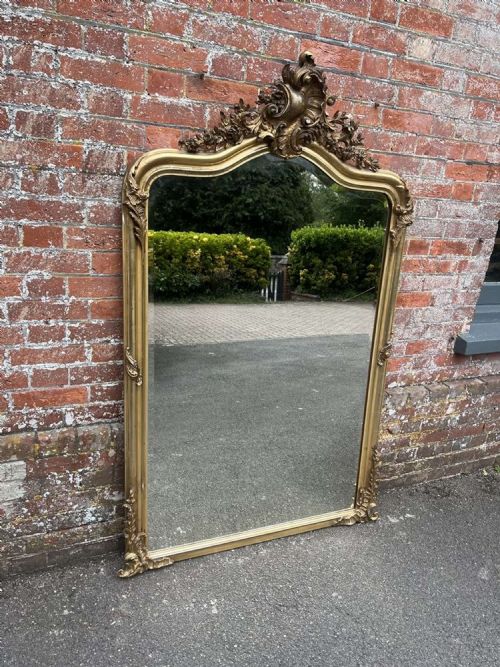
Pier mirrors tended to be taller and narrower, designed for the wall space between windows rather than above a fire.