



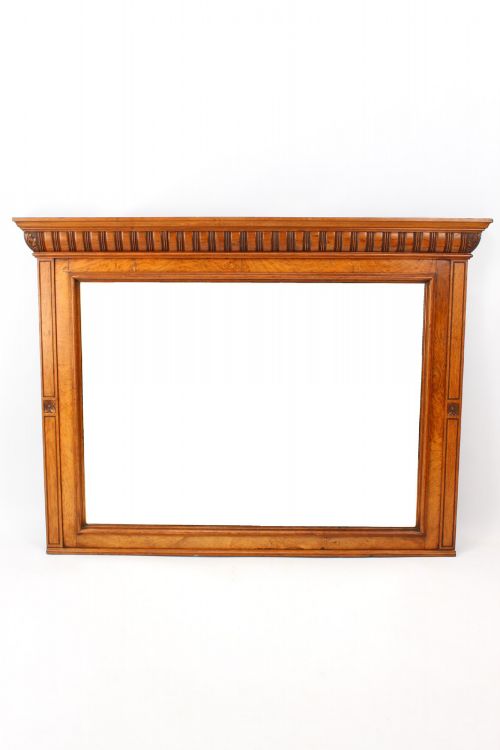
Traditional Fireplace Mirror
A traditional fireplace mirror anchors a chimney breast, bouncing daylight around a room and defining the period of a hearth.
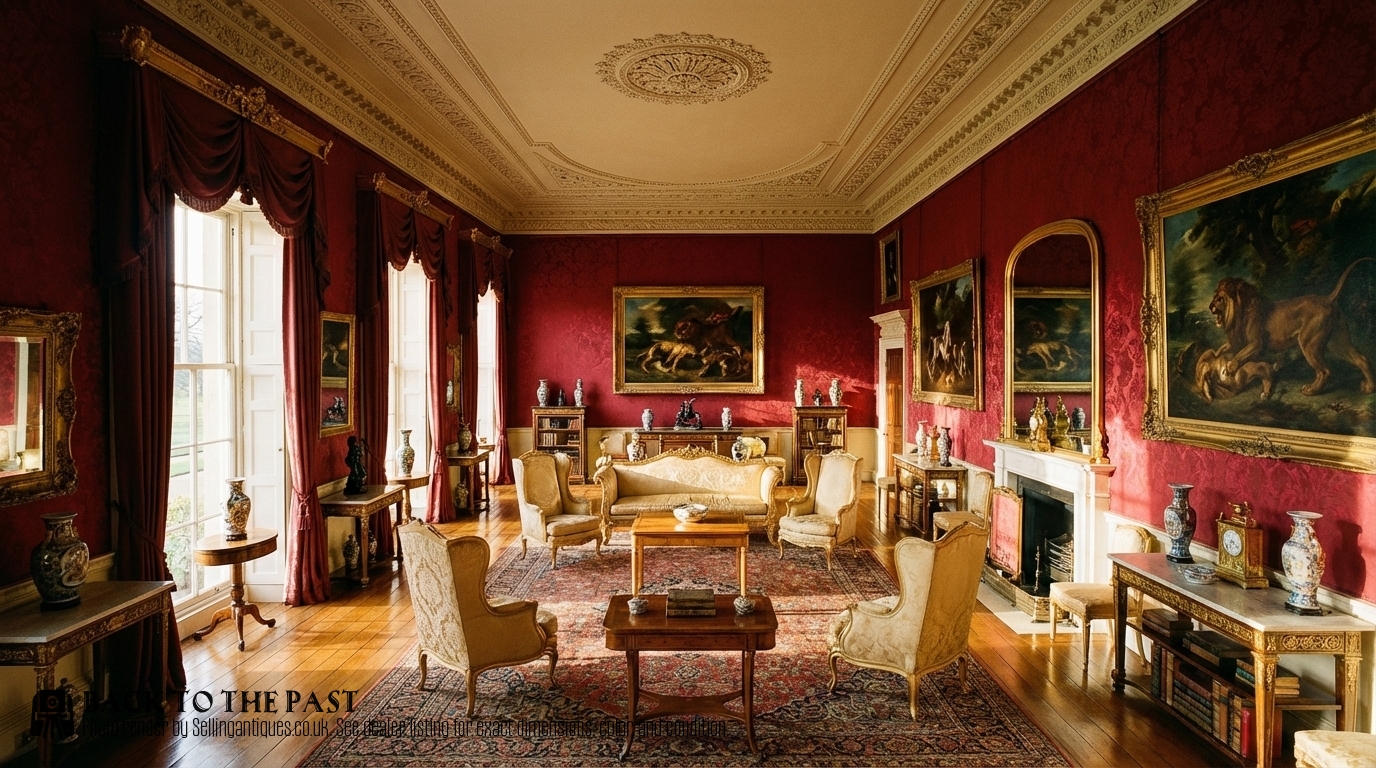
Traditional Fireplace Mirror
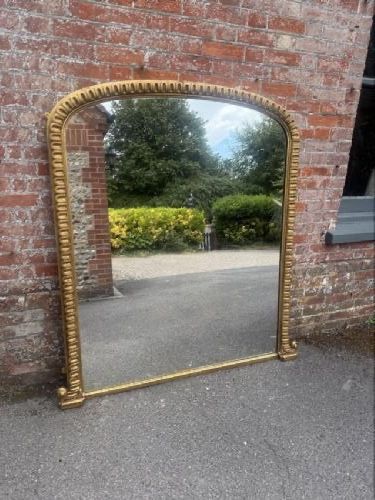
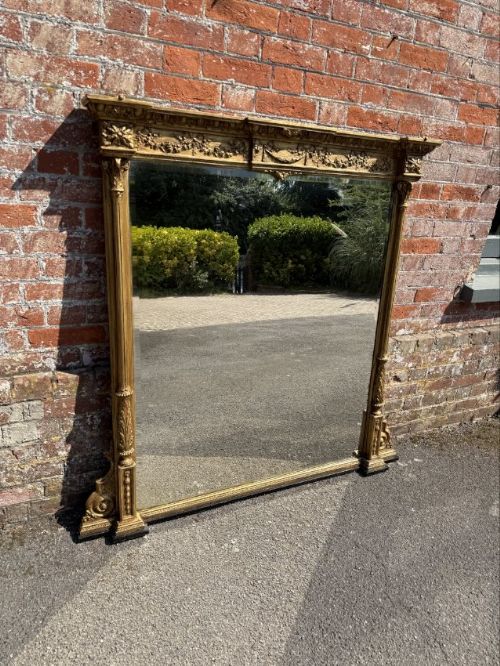
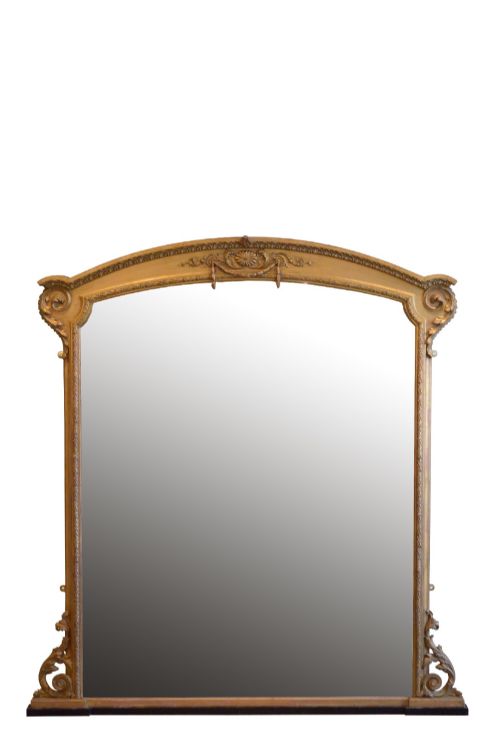
A traditional fireplace mirror sits upon a mantelpiece or hangs directly above a hearth, serving as the central visual focus of a room. The most common form on this page is the large overmantel mirror designed specifically in the nineteenth century to fill the generous wall space above a Victorian fireplace.
These items take the shape of wall mirrors and overmantels built to catch and reflect the light from low-burning fires and tall windows. Originating largely within English and Victorian traditions, they incorporate architectural proportions intended to balance the substantial weight of stone or timber fire surrounds.
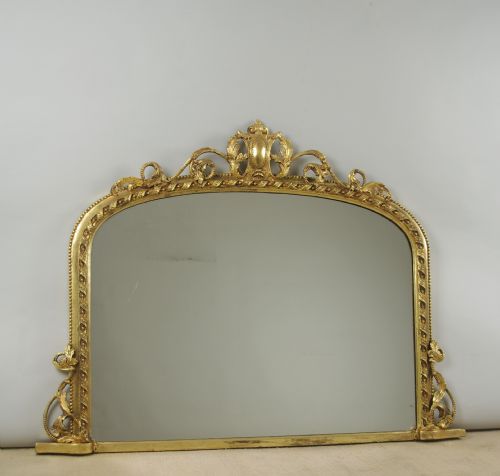
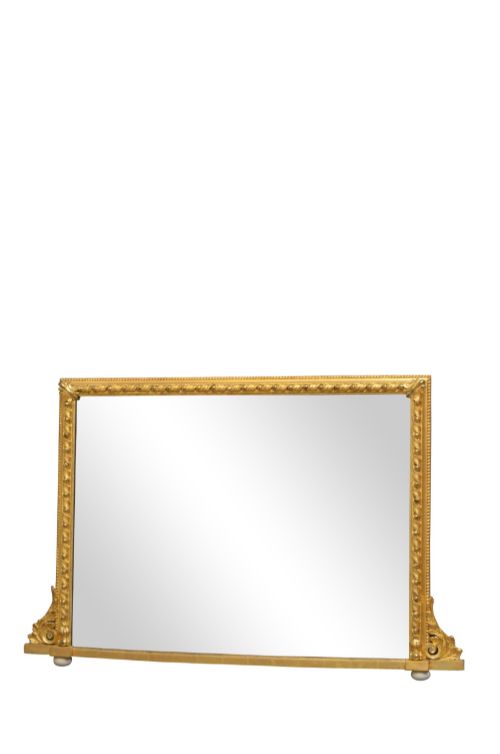
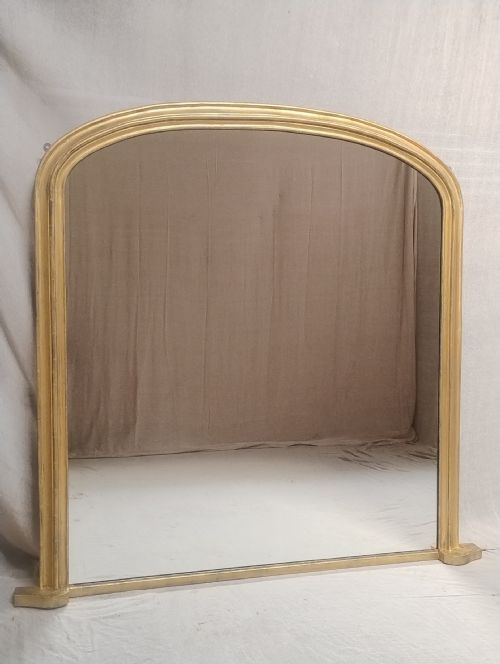
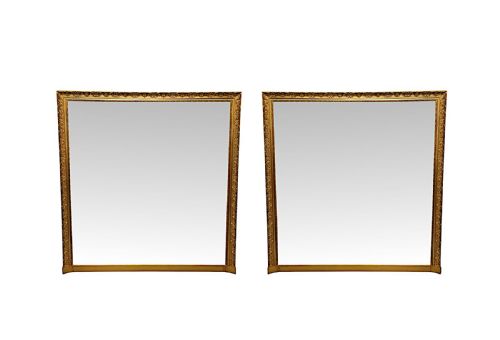
Makers shaped these plates in rectangular, arched, and shaped top formats to mirror the structural lines of nineteenth-century domestic interiors. They bridge the gap between functional glass and decorative joinery, acting as the primary ornament of the chimney breast.
How they were made
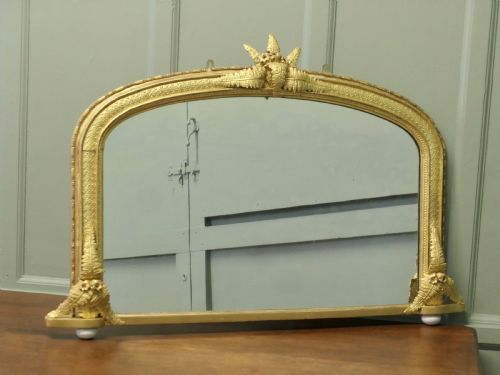
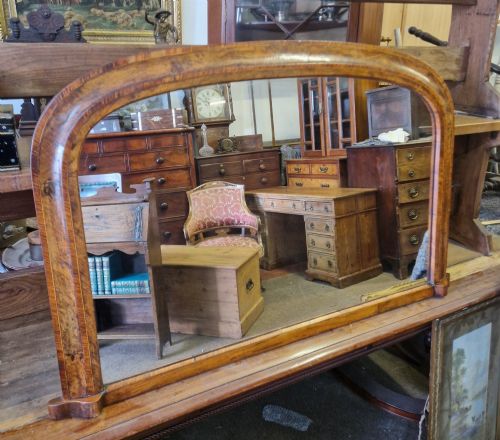
Craftsmen built the foundational carcasses of these pieces from timber such as oak, mahogany, walnut, and plain wood, applying carved gesso and composition mouldings to create high-relief ornament. Gilders then laid gold leaf or applied gilt finishes over the prepared surfaces to catch the flickering light of the room.
Mirror glass was set into these heavy frames, often backed with traditional protection methods that result in the characteristic foxed spots seen on older plates today. Joiners utilised traditional framing joints to support the immense weight of the glass and heavy wooden structures.
Traditional Fireplace Mirror Retail Price Guide 2026
Typical asking prices for traditional fireplace mirror among the pieces listed under this phrase on Sellingantiques today, from the lower quarter to the upper quarter. They describe what is for sale here now, not the wider market.
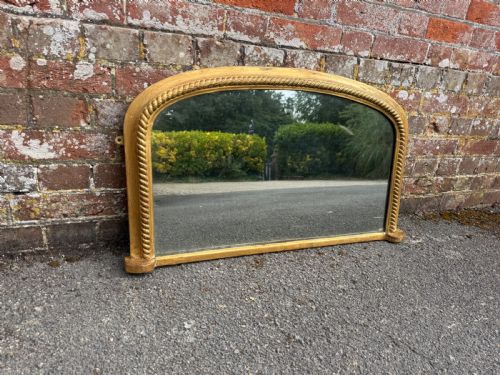
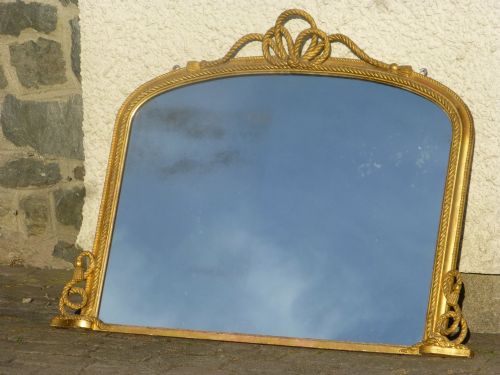
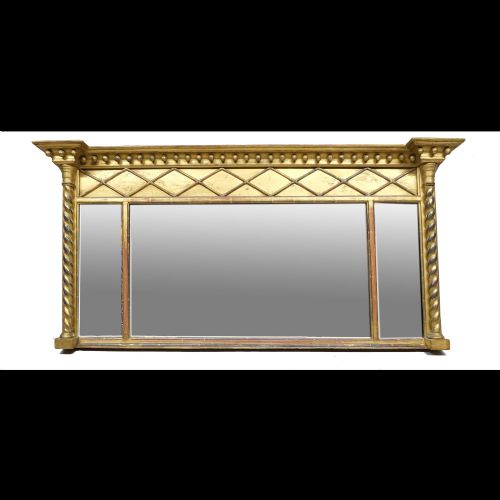
The selection includes architectural forms like archtop overmantels, walnut mantle mirrors, and nautical rope twist frames.
What varies in quality
The distinction between standard examples and finer pieces lies in the depth and crispness of the hand-carved wood and gesso detailing. Superior mirrors display intricate rope twists, column framing, and marquetry that retain their original definition beneath layers of gilding.
The integrity of the original mirror glass and the depth of the giltwood finish dictate the overall character of the piece. Well-preserved plates with natural foxing demonstrate authentic age without compromising the reflective quality intended by the original maker.
The Traditional Fireplace Mirror Glossary
- Overmantel mirror
- A large wall-hanging or mantel-resting glass designed specifically to sit above a fireplace opening. These items typically measure wider than they are tall or feature an elongated vertical format suited to chimney breasts.
- Gesso
- A plaster-like mixture applied to wooden frames as a smooth base for gilding. It allows craftsmen to carve intricate relief ornamentation before applying gold leaf.
- Foxed glass
- Mirror plate showing dark spots or a mottled aged appearance caused by the degradation of the backing silver over decades. This oxidation is a natural sign of age.
- Giltwood
- Timber carved and coated with gold leaf or metallic paint to create a rich, luminous surface. It forms the primary decorative skin of nineteenth-century frames.
- Arched top
- A curved upper frame profile that softens the rigid rectangular geometry of a fireplace wall. This design reflects Gothic and classical architectural influences common in Victorian interiors.
Traditional Fireplace Mirror: Frequently Asked Questions
How do I choose the right size fireplace mirror?
Measure the width of your mantelpiece to ensure the glass does not exceed the shelf span below. A balanced arrangement leaves a small margin of wall visible on either side of the frame.
Consider the height of your ceiling when selecting between arched and rectangular formats. Taller rooms accommodate grander nineteenth-century overmantels, while lower spaces require more modest proportions.
Can I hang a heavy overmantel mirror safely?
These pieces carry substantial weight due to their thick wooden frames and large glass plates. Secure the mirror directly into solid wall studs or masonry rather than relying on standard plasterboard fixings.
Utilise heavy-duty mirror brackets or a continuous wall cleat designed to distribute the load evenly. Professional installation is recommended for oversized nineteenth-century frames.
What is foxed glass on an antique mirror?
Foxing refers to the small dark spots and mottled patches that develop behind the glass over many decades. This chemical change occurs as moisture slowly affects the metallic backing.
Many collectors value original foxed glass because it proves the antiquity of the piece. It provides a soft, atmospheric reflection rather than the harsh clarity of modern glass.
How do I clean a gilded wood frame?
Dust the carved gesso and giltwood surfaces gently with a soft, dry brush to prevent accumulation in the crevices. Avoid using commercial cleaning sprays, water, or abrasive cloths that can strip the delicate gold leaf.
Preserve the antique finish by keeping the mirror away from direct heat sources and damp environments. Gentle maintenance protects the original composition and wood underneath.