



Arched Top Mantel Mirror
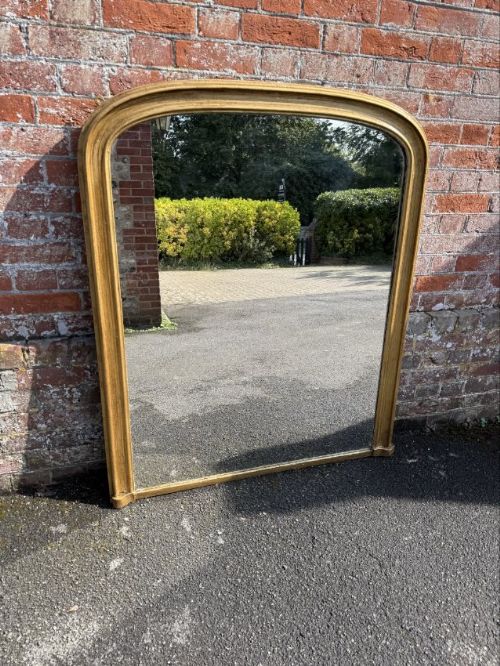
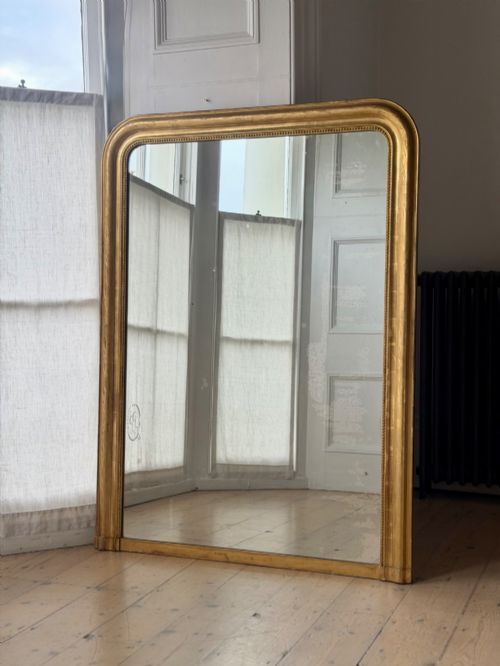
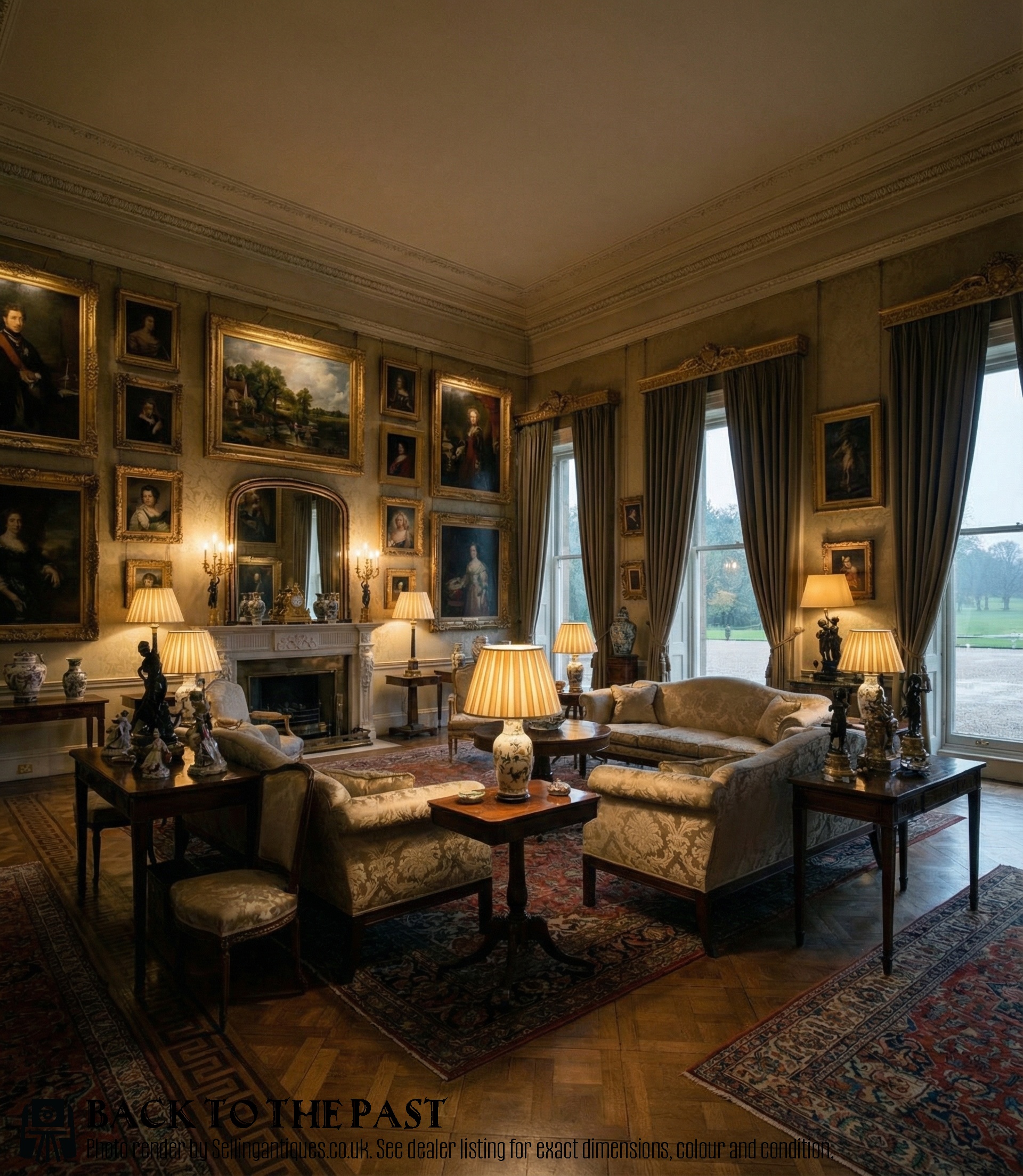
An arched top mantel mirror anchors a room with its curved silhouette, designed originally to sit above a fireplace and reflect light throughout the interior.
Arched Top Mantel Mirror
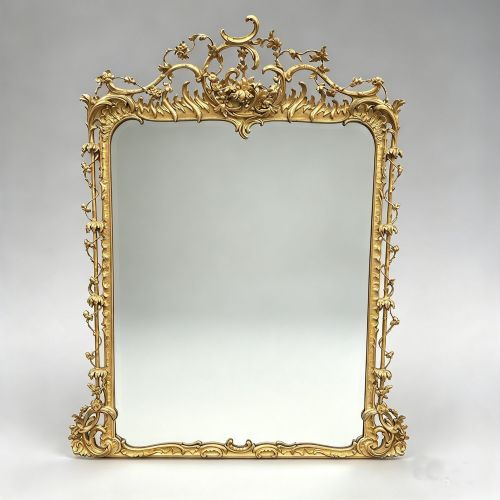
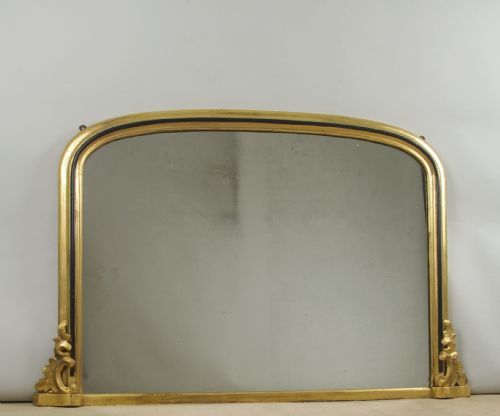
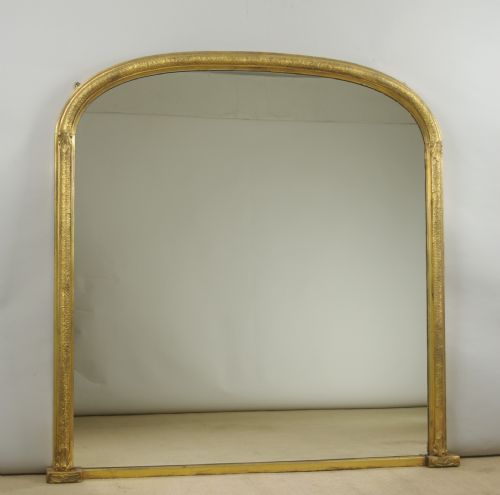
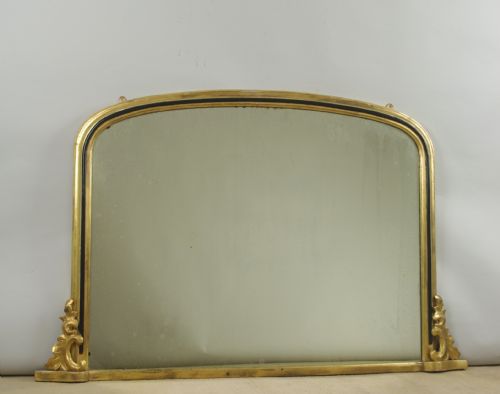
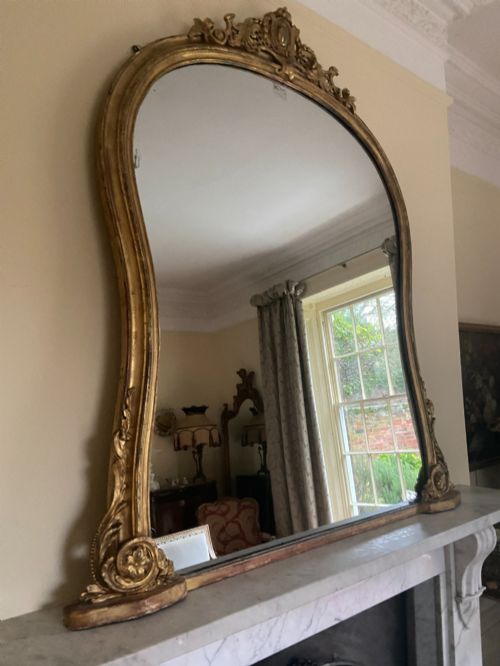
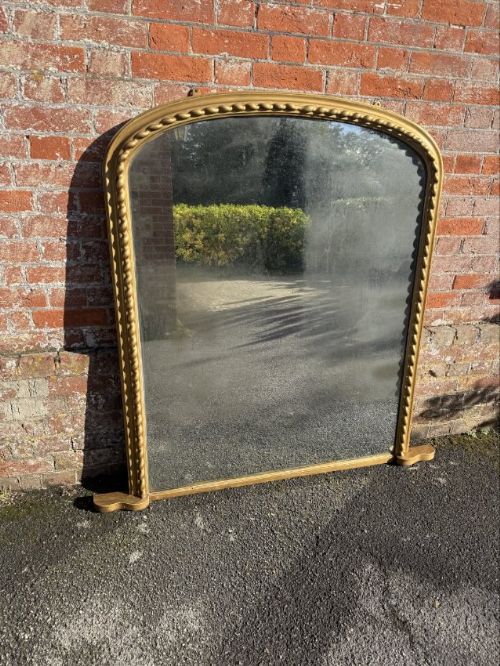
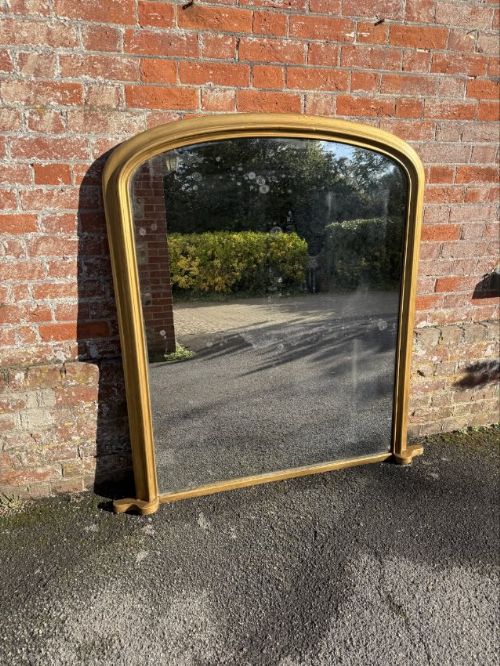
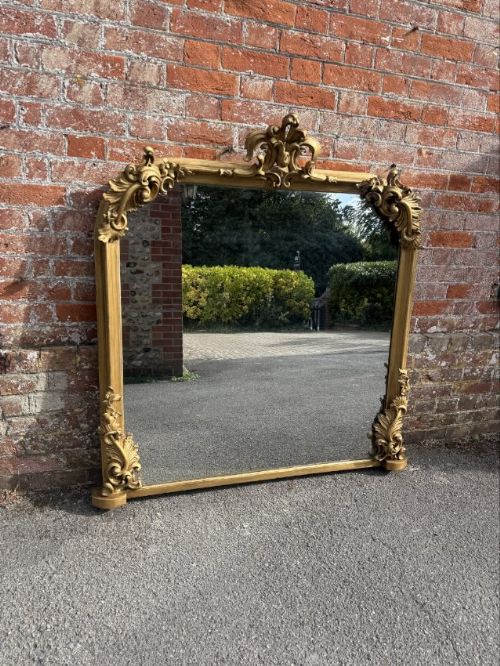
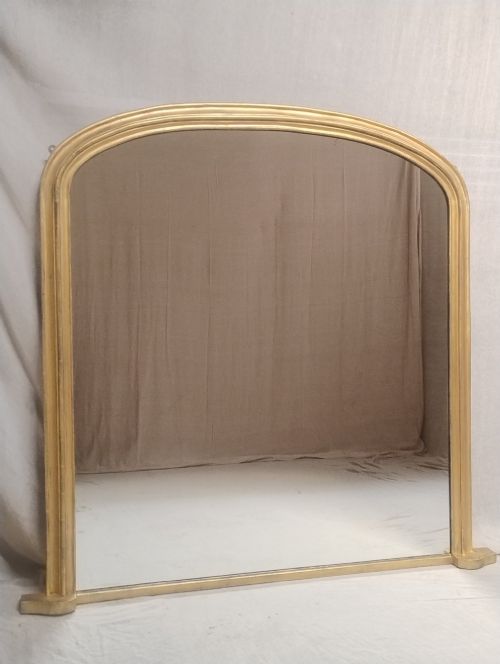
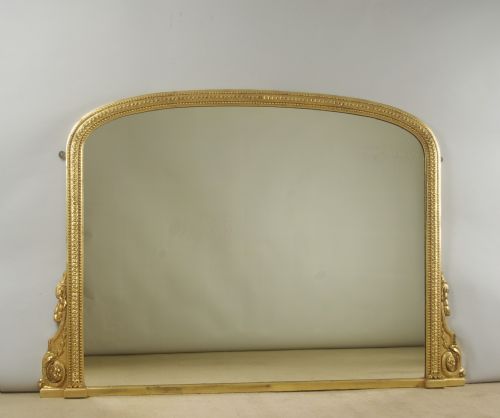
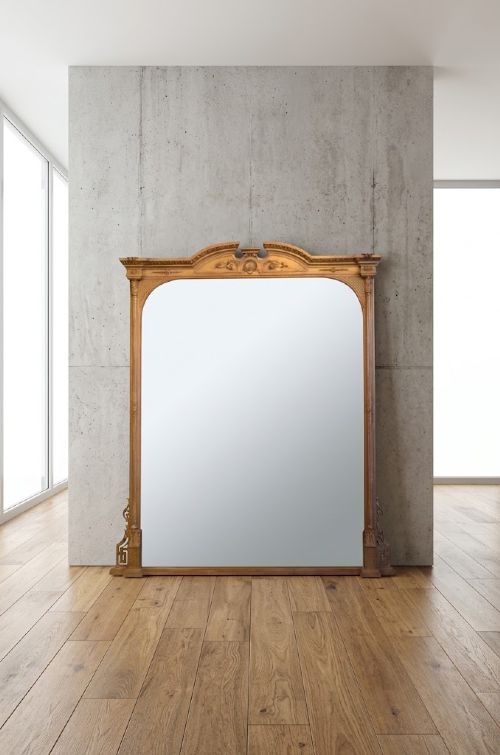
An arched top mantel mirror is primarily encountered as a large nineteenth-century overmantel mirror designed to rest upon a drawing room fireplace ledge. The most common form on this page combines a substantial wooden frame with a curved upper crown, originating from English Victorian workshops or French provincial houses.
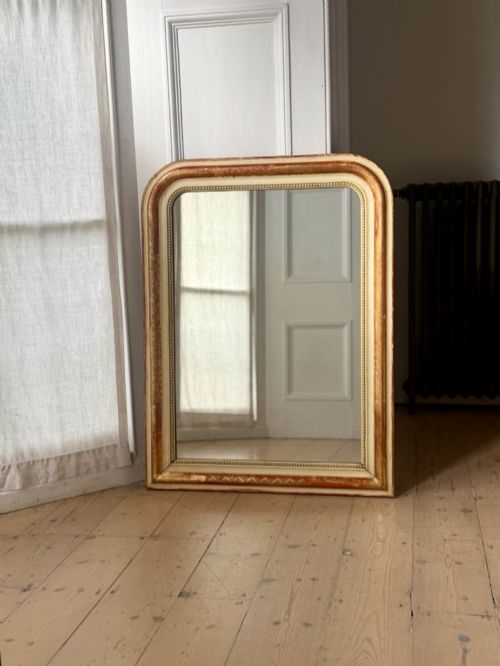
These pieces function simultaneously as architecture and reflection, filling high chimney breasts with curved glass plates. The inventory ranges from substantial giltwood examples to painted and parcel-silvered variants dating from the middle decades of the eighteen-fifties through to the nineteen-tens.
Materials and construction methods
Carved wood provides the structural skeleton for these frames, frequently overlaid with moulded gesso to build up intricate surface ornamentation such as rope twists and floral motifs. Artisans then applied gold leaf, paint or parcel-silvering directly onto the prepared gesso base.
The mirrored glass itself sits within the rebated wooden frame behind protective backboards, often retaining original mercury or early silvered surfaces that show characteristic soft oxidation. Frames utilise traditional joinery at the corners to support the considerable weight of the heavy glass plates.
Arched Top Mantel Mirror Retail Price Guide 2026
Typical asking prices for arched top mantel mirror among the pieces listed under this phrase on Sellingantiques today, from the lower quarter to the upper quarter. They describe what is for sale here now, not the wider market.
Irish country houses clearly favoured grand proportions, leaving us with mirrors that likely spent centuries reflecting turf fires and damp Atlantic gales.
Distinctions in craftsmanship
Quality reveals itself in the depth and crispness of the carved wooden ornament and the applied gesso modelling, where skilled hands produce clean, sharp relief rather than soft, muddy contours. The survival of the original gilding or authentic painted finish heavily influences the integrity of the piece.
The proportion between the arched frame and the mercury or mirror glass dictates visual balance, with superior examples exhibiting harmonious scale and substantial timber scantlings rather than flimsy construction.
The Arched Top Mantel Mirror Glossary
- Gesso
- A plaster-like mixture applied to carved wooden frames to create a smooth surface for gilding or painting. This material takes crisp moulding impressions easily.
- Giltwood
- Timber that has been covered with a thin layer of gold leaf. It creates a warm reflective sheen across the mirror frame.
- Overmantel
- A large mirror specifically constructed to hang or stand upon the mantelpiece above a fireplace. These pieces were scaled to fill the vertical wall space of nineteenth-century chimney breasts.
- Louis Philippe
- A mid-nineteenth-century French style characterised by restrained classical proportions and a simple arched top. These frames often feature subtle beaded or marginal detailing.
- Cartouche
- An ornamental tablet or oval frame motif, often scrolled, placed centrally on the crest of the mirror. It provides a focal point above the main arch.
Arched Top Mantel Mirror: Frequently Asked Questions
How do I hang a heavy mantel mirror?
These heavy pieces require secure wall fixings distributed across the structural framework rather than relying solely on a single wire. Professional installers often employ heavy-duty mirror brackets screwed directly into wall studs.
Weight distribution matters because the combination of dense wood, thick gesso and large glass plates exerts considerable downward pull on the upper corners of the frame.
Were these mirrors made for fireplaces?
Overmantel mirrors were specifically designed to sit on the timber or marble shelf above a domestic hearth. Their wide proportions complemented the horizontal line of the mantelpiece below.
Placing them in this position allowed the glass to reflect light from windows across the living space during darker winter afternoons.
How do I date an antique arch top mirror?
Dating relies on examining the construction methods of the wooden frame, the composition of the gesso, and the characteristics of the mirror plate. Nineteenth-century examples often exhibit hand-beveled edges or older silvering techniques behind the glass.
Stylistic clues such as rope twist mouldings or central cartouches also point toward specific decades within the Victorian era.
Can I clean original mirror glass?
Original mirror glass requires gentle cleaning with a soft cloth and mild, non-abrasive solution to protect fragile silvering underneath. Harsh chemical sprays can seep behind aged edges and accelerate degradation.
Preserving the soft speckling and foxing on older plates maintains the authentic historic character of the reflection.