

Beaded Gilt Mirror
A beaded gilt mirror brings warmth and reflective depth to a room, using delicate ornamentation to catch the light.
Beaded Gilt Mirror
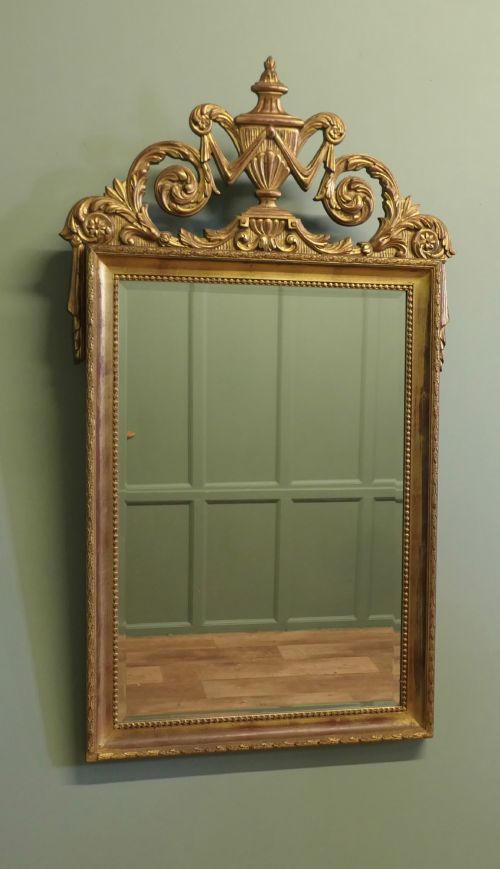
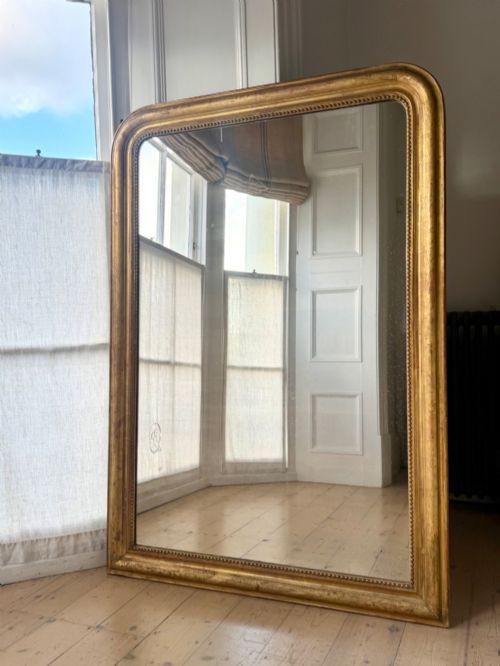
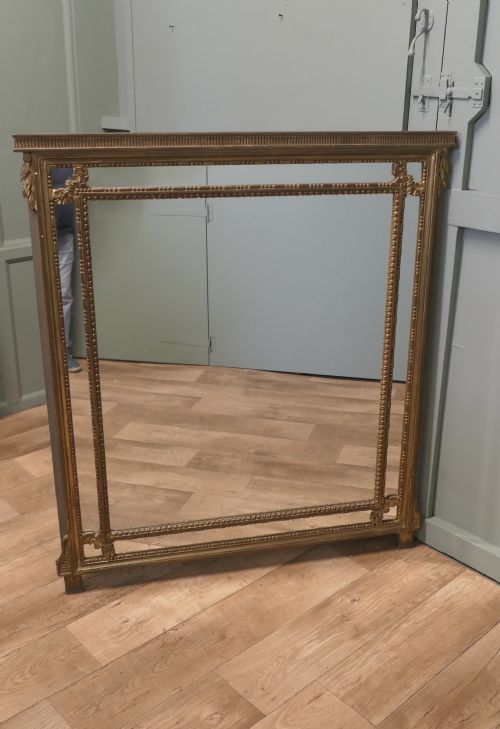
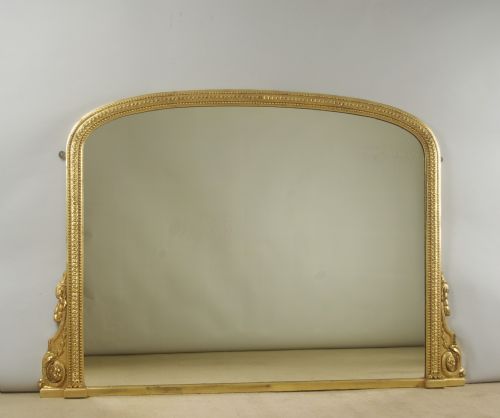
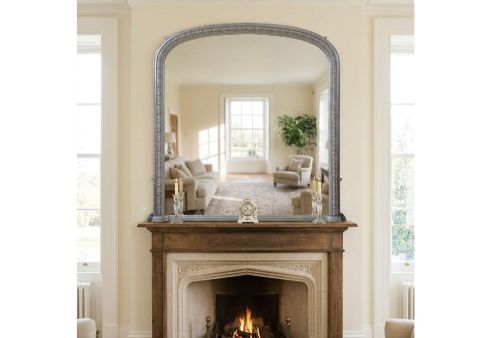
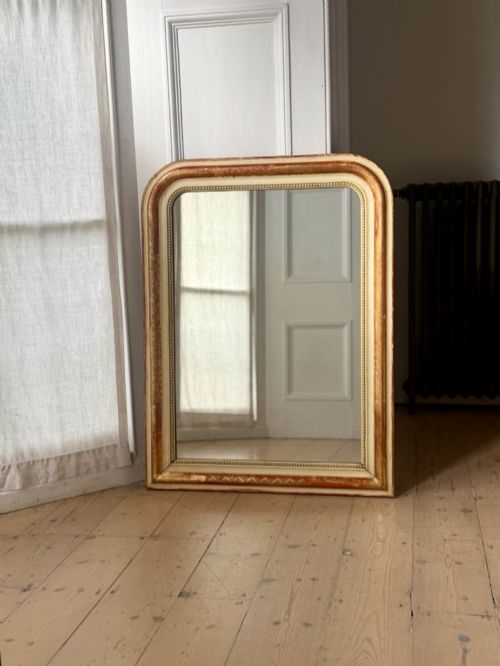
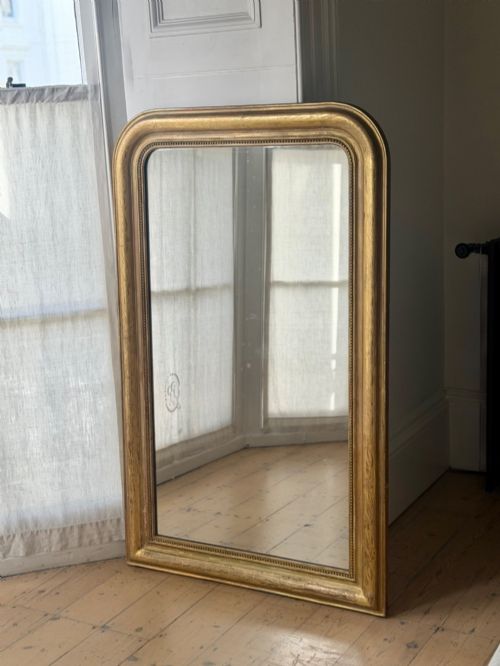
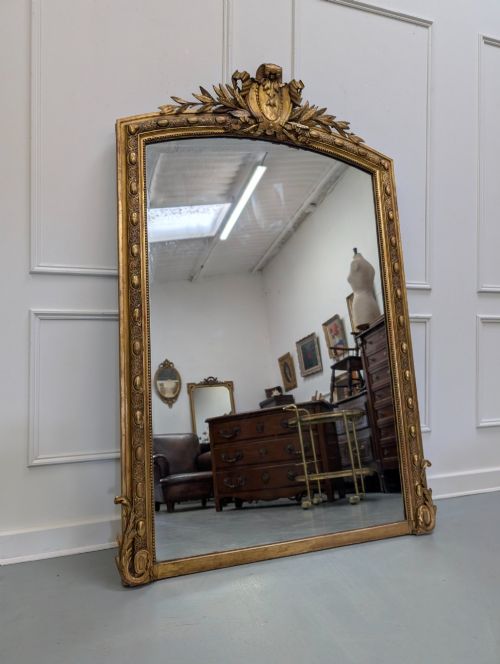
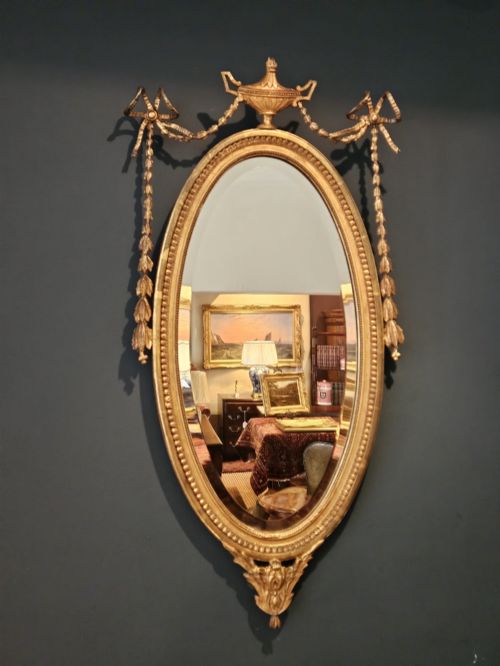
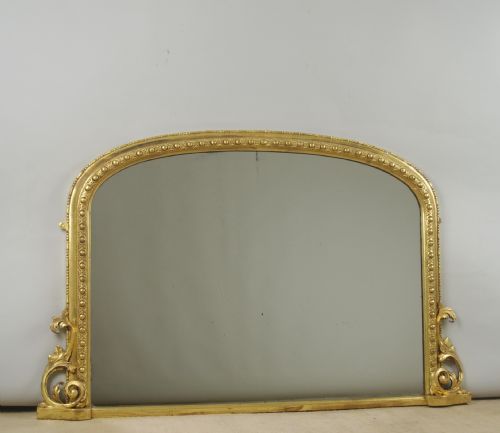
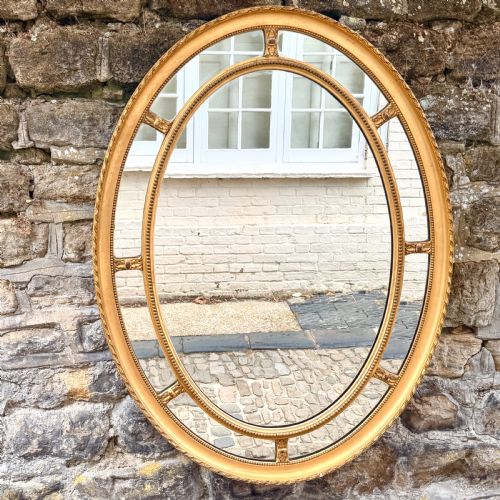
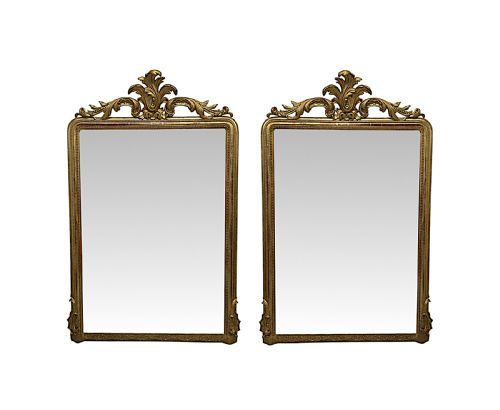
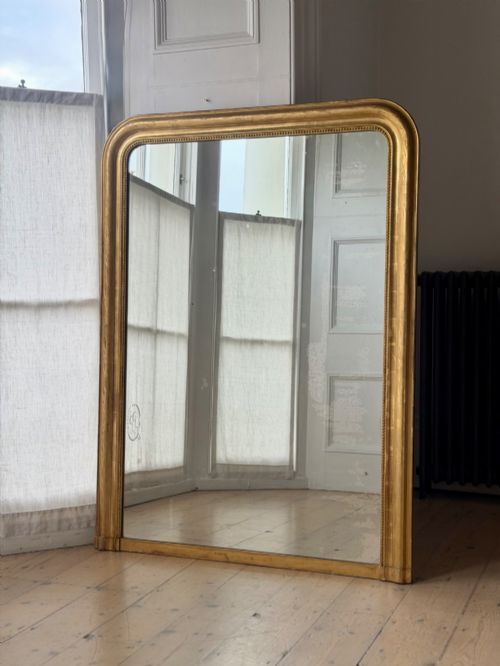
When you search for a beaded gilt mirror, you encounter wall-mounted glasses and large overmantels designed to anchor a room. These pieces range from compact Victorian ovals to grand nineteenth-century French frames spanning multiple styles.
Origins stretch across English, French, and Irish workshops, showcasing regional interpretations of classical and revival motifs. The beaded gilt mirror remains a versatile antique that suits both traditional and modern interiors.
How they were made
Makers shaped these frames from wood, gesso, and composition, applying gold leaf or gilt layers to create a luminous surface. Carved wood foundations provided structural integrity for intricate floral and acanthus leaf decoration.
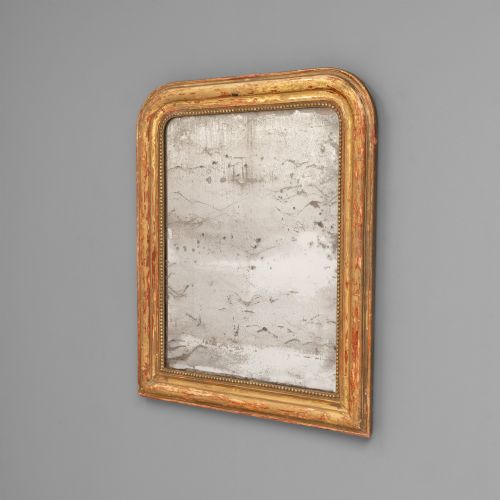
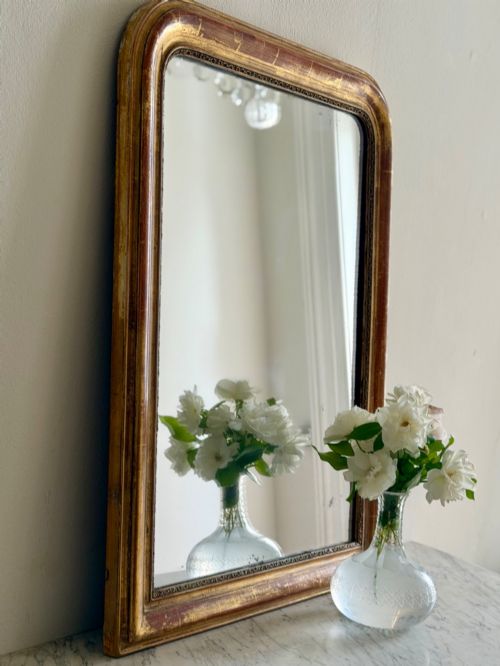
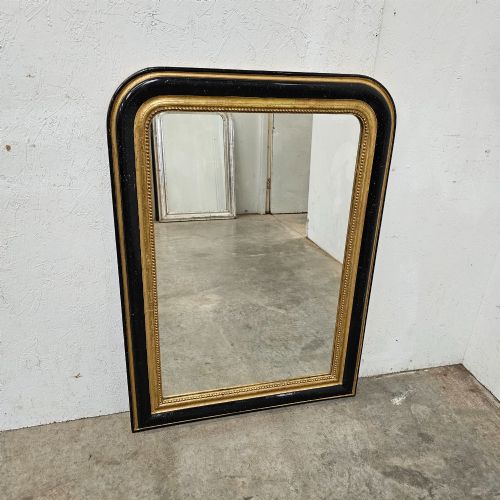
Gesso and composition were moulded onto timber frames to form crisp relief details, including the signature beaded edges. Mercury glass plates with foxed patination frequently appear in the older French examples, offering soft and mottled reflections.
Beaded Gilt Mirror Retail Price Guide 2026
Typical asking prices for beaded gilt mirror among the pieces listed under this phrase on Sellingantiques today, from the lower quarter to the upper quarter. They describe what is for sale here now, not the wider market.
Some tiny oval mirrors measure mere inches, proving that nineteenth-century artisans enjoyed making grandiose styles in miniature.
What varies in quality
The crispness of the carved or moulded ornamentation dictates the visual impact of the frame. Superior examples retain sharp relief in the acanthus leaves, floral motifs, and tiny spheres of the beaded border without blurring from excessive over-gilding.
The integrity of the original gilding and the character of the mirror plate distinguish higher-tier pieces. Retaining original mercury glass or untouched gold leaf adds historical depth, whereas poorly executed replacements diminish the piece.
The Beaded Gilt Mirror Glossary
- Gesso
- A plaster-like mixture applied to wood frames to create a smooth surface for gilding. It allows for intricate relief moulding.
- Giltwood
- Timber coated with gold leaf or metallic powder. This material gives frames their characteristic bright or muted metallic sheen.
- Mercury glass
- A double-walled glass blown with a silvering mixture between the layers. It produces a distinctive mottled reflection.
- Overmantel mirror
- A large glass designed to hang above a fireplace mantel. These pieces often feature landscape orientations and substantial frames.
- Trumeau mirror
- A decorative wall mirror combined with a panel or painting above the glass. Originating in France, it forms an architectural wall feature.
Beaded Gilt Mirror: Frequently Asked Questions
Where should I hang a large overmantel mirror?
These large glasses fit naturally above a fireplace mantel, where they historically sat to reflect room light. They also anchor empty wall space in hallways or living rooms when mounted securely to wall studs.
Ensure the wall structure supports the substantial weight of carved wood and gesso frames. Positioning the glass opposite a window maximises natural light distribution.
How do I identify a Louis Philippe mirror?
Louis Philippe frames typically feature rounded top corners and simple, elegant proportions. The frames often rely on subtle beaded or floral details rather than heavy ornamentation.
French pieces from this period frequently house original mercury glass plates with aged patination. The scale leans towards generous wall or mantel dimensions.
What is foxed glass?
Foxed glass refers to mirror plates that have developed dark spots, mottling, or degradation over time. This chemical breakdown of the backing creates an atmospheric and aged reflection.
Many collectors prize foxed mercury glass for the authentic antique character it imparts. It distinguishes period mirrors from modern replacements.
How do I care for antique gilt surfaces?
Dust giltwood and gesso frames gently with a soft, dry cloth. Avoid chemical cleaners and moisture, which can lift the delicate gold leaf or composition mouldings.
Keep frames away from direct sunlight and damp environments to preserve the finish. Stable room temperatures prevent the underlying wood from expanding and cracking the gesso.