
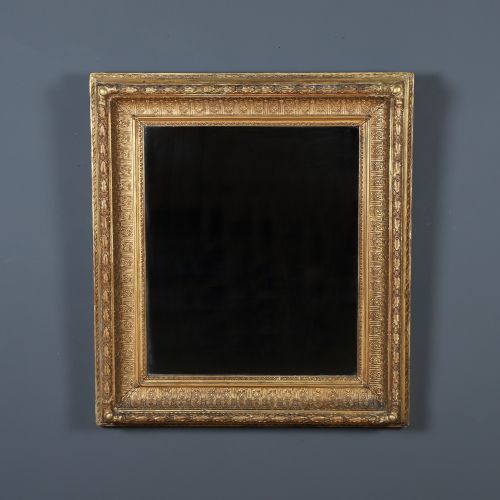
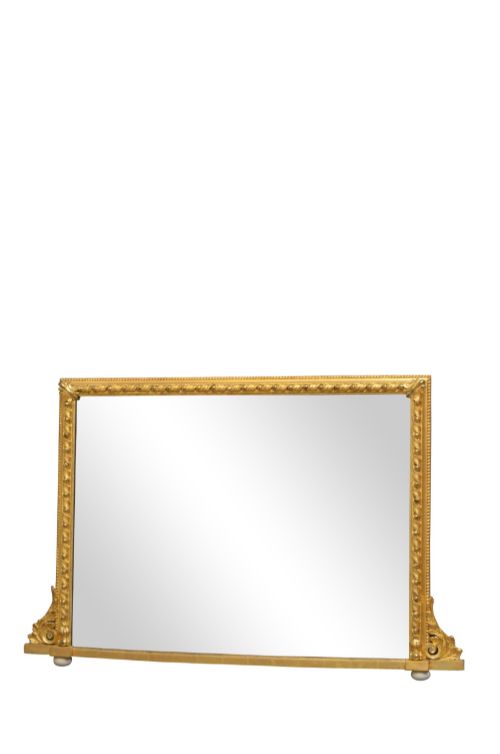
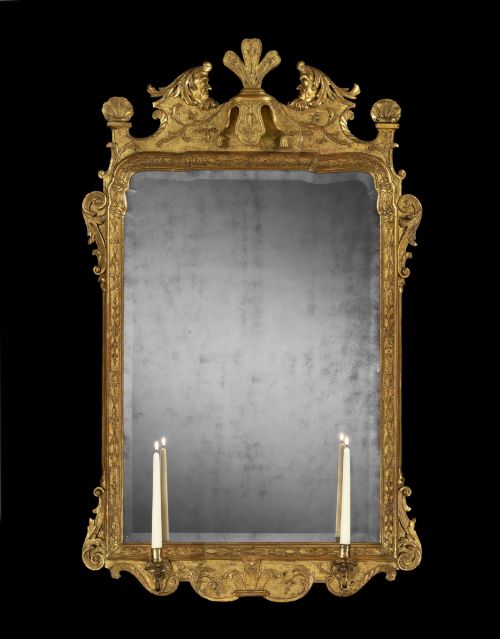
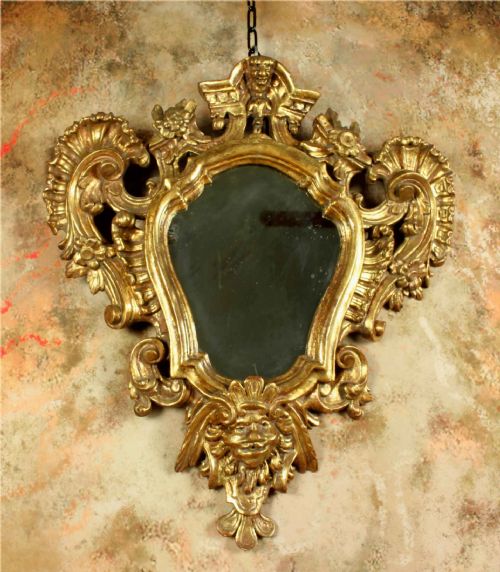

Period Wall Mirror
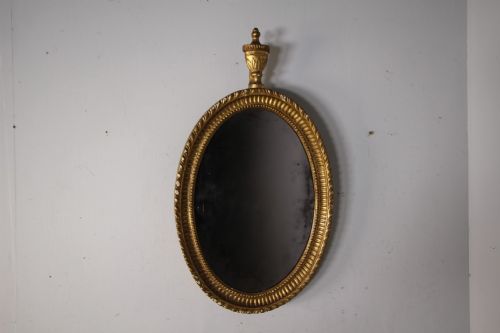
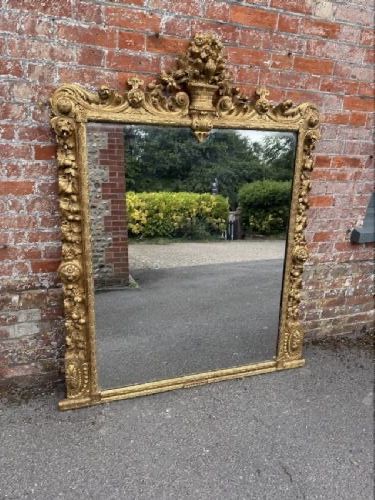
When you search for a period wall mirror, you enter a world of giltwood frames, deep-figured walnut and Regency convex plates designed to bounce interior light.
Period Wall Mirror
A period wall mirror serves as a functional looking glass and a central decorative focus within historic interiors. Buyers searching for these items encounter diverse forms spanning the eighteenth and nineteenth centuries, including grand overmantels, tall pier mirrors and smaller dressing or hall glasses.
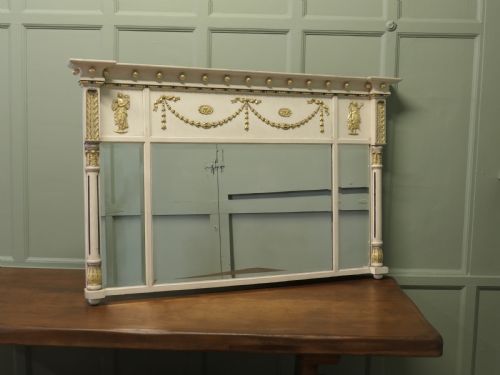
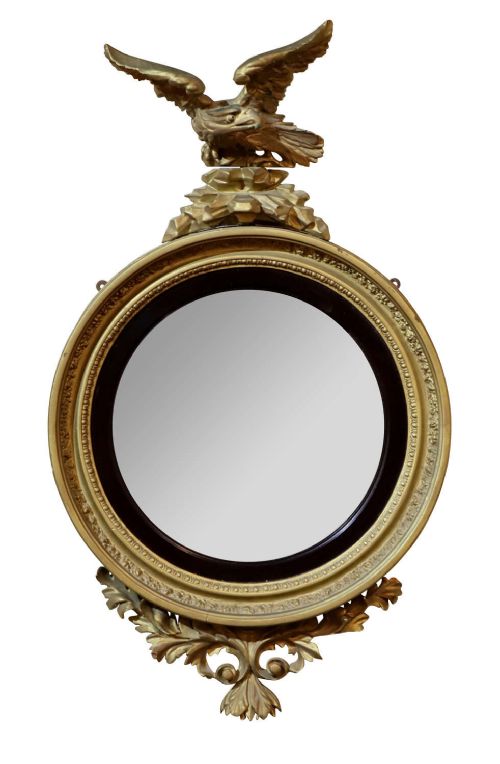
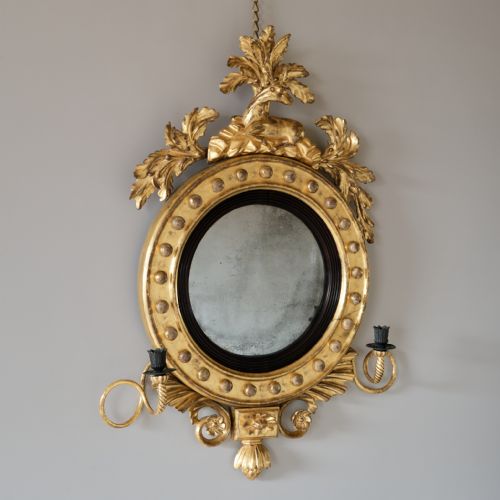
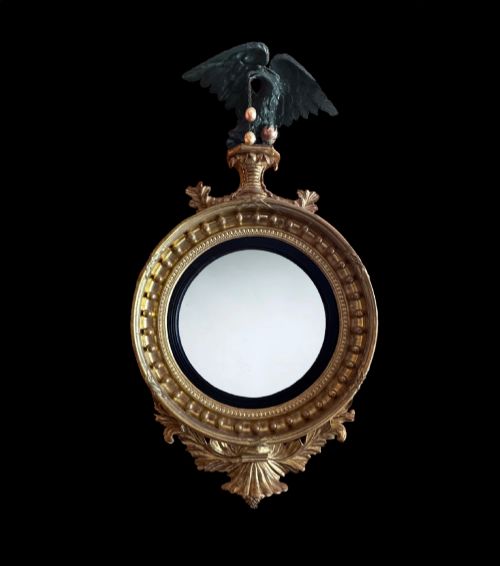
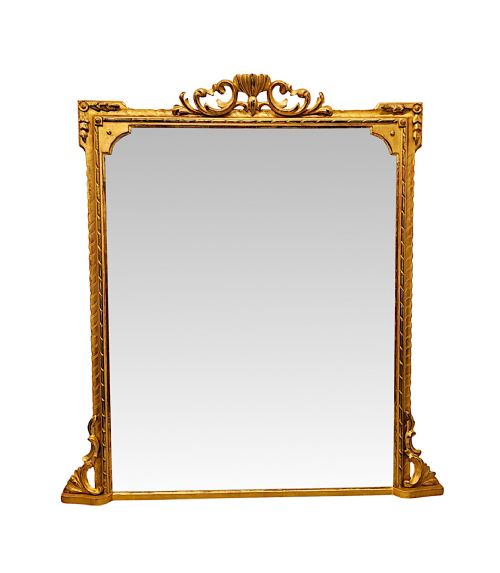
The overmantel variety dominates many collections, built specifically to hang above a fireplace mantelpiece with wide horizontal proportions. Meanwhile, circular convex mirrors from the Regency era offer a distorted panoramic reflection often topped with carved eagle surmounts or candle arms.
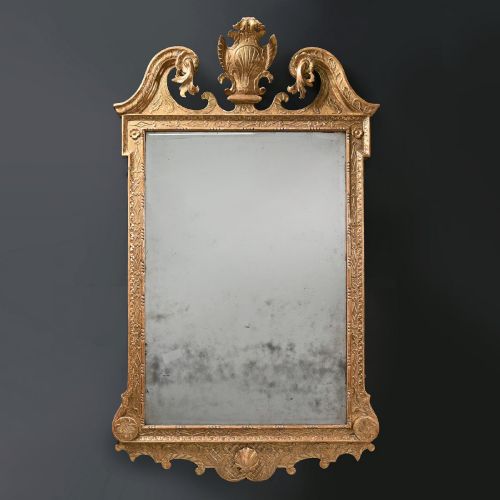
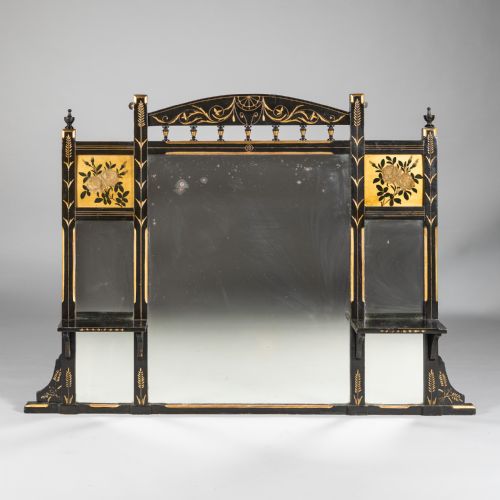
Tall pier mirrors occupy narrow wall spaces between windows, reflecting additional light back into panelled rooms. Examples range from George II gesso pieces to Victorian ebonised frames and Edwardian marquetry designs.
Materials and Construction
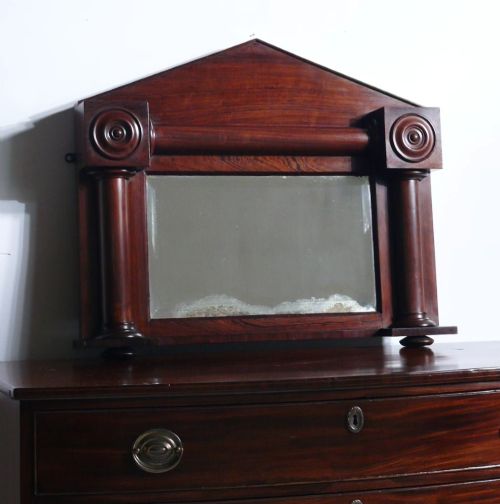
Wood forms the structural core of these looking glasses, utilising native timbers such as mahogany, walnut, oak, sycamore and rosewood alongside softer woods prepared for gilding. Carvers applied gesso directly onto the timber base to build up intricate relief decoration before laying gold leaf over the surface.
Mirror plates themselves evolved from early mercury glass and original foxed plates with characteristic dark spots to later nineteenth-century silvered mirror glass. Frames often combine parcel-gilt highlights with ebonised wood, brass fittings or painted Chinoiserie finishes.
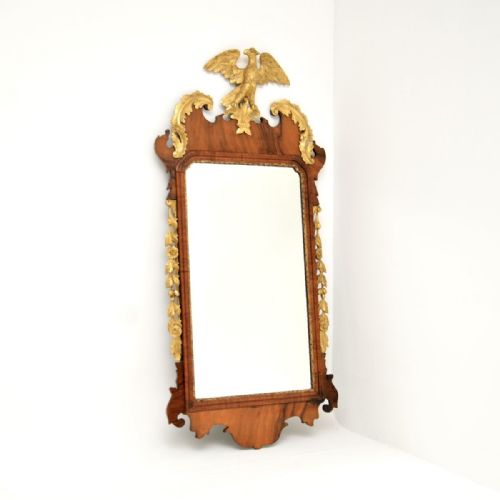
Several Regency convex mirrors keep watch with carved golden eagles perched upon their crowns, ready to survey the room.
Evaluating Craftsmanship
Quality rests upon the crispness of the hand-carving and the depth of the gesso relief beneath the gilding. Superior examples display sharp detailing in foliage, scrolls and figural elements without the softening that occurs from excessive wear or later over-gilding.
The integrity of the glass plate further distinguishes the tier of a piece, where original mercury or lightly foxed plates retain their historic character. Construction methods visible on the reverse, including original pine backboards and traditional joinery, confirm the authenticity of the period.
John Belchier·Liberty & Co
The Period Wall Mirror Glossary
- Giltwood
- Wood carved and coated with gold leaf. This finish defines many formal mirrors from the Georgian and Regency eras.
- Gesso
- A plaster-like mixture applied to wooden frames and carved to form raised decorative motifs before gilding. It allows for sharp sculptural detail.
- Convex mirror
- A round mirror featuring a curved outward-bulging glass plate. It provides a wide-angle reflection of the entire room.
- Pier glass
- A tall mirror designed to hang on the wall space between two windows. These pieces traditionally matched the proportions of the pier wall.
- Foxed glass
- Mirror plate displaying natural ageing spots, foxing or dark oxidation. This occurs as the backing deteriorates over long periods.
Period Wall Mirror: Frequently Asked Questions
What is an overmantel mirror?
An overmantel mirror is a wide horizontal looking glass designed specifically to hang directly above a fireplace mantelpiece. These pieces frequently feature architectural framing or decorative crests suited to grand reception rooms.
Historically, they anchored the decorative scheme of a parlour or drawing room, pulling light from the windows across the hearth. Today they serve the same functional and aesthetic purpose in period and modern interiors alike.
How do I date a antique mirror?
Dating relies on examining the timber frame construction, the style of the carving, and the condition of the mirror plate itself. Georgian and Regency pieces show specific hand-tool marks and joinery techniques distinct from later Victorian or Edwardian production.
The glass plate provides further clues through bevelling styles, mercury backing, or natural foxing patterns. Comparing the overall proportions and decorative motifs against documented historical periods confirms the approximate decade of manufacture.
Where should I hang a convex mirror?
Convex mirrors work best on a principal wall where their curved glass can capture a wide panoramic view of the surrounding space. Placing them opposite a window maximises the natural light they disperse into the room.
Because of their optical distortion and fish-eye effect, they are typically hung at eye level as a singular focal point rather than for practical personal reflection.
What is parcel gilt?
Parcel gilt describes a decorative finish where only specific carved portions of a wooden frame are gilded with gold leaf. The remaining areas display the natural grain of woods like mahogany, walnut or ebonised finish.
This technique creates a strong visual contrast between the warm polished timber and the bright metallic highlights, a style favoured during the Georgian and Victorian eras.