
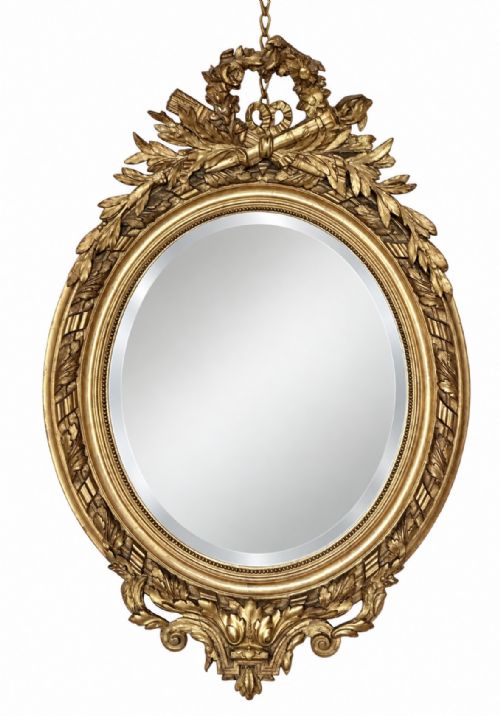
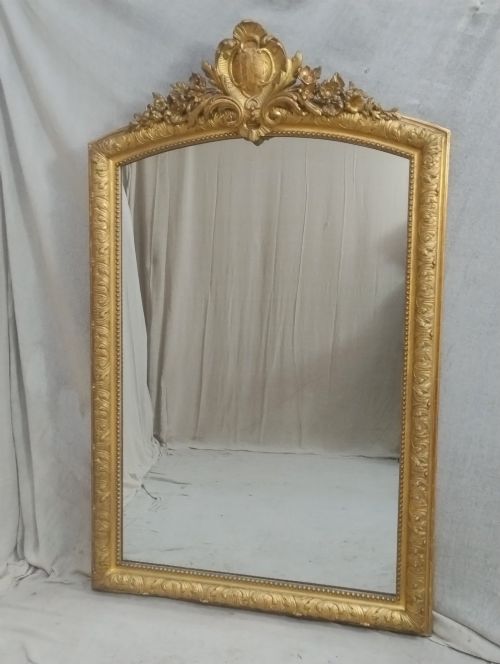
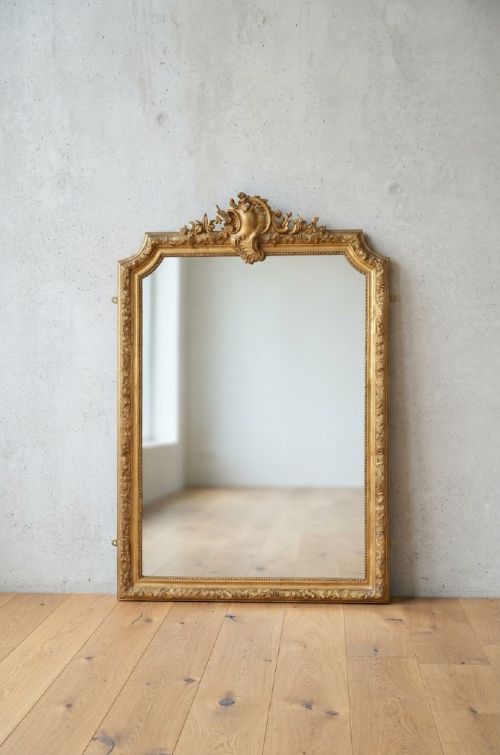
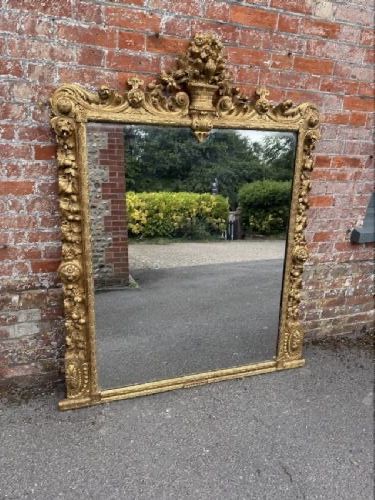
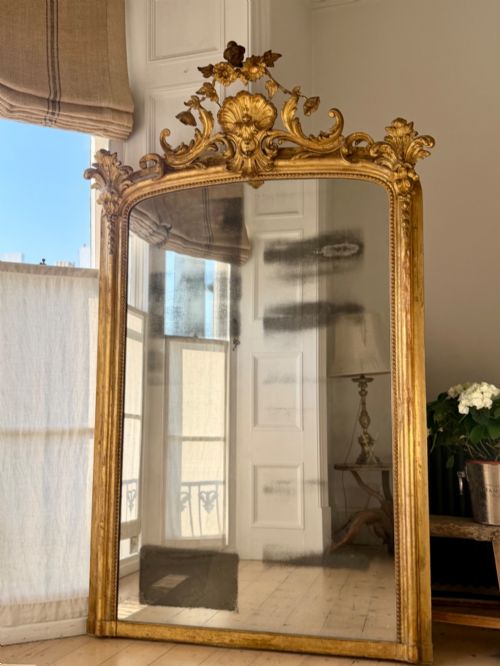
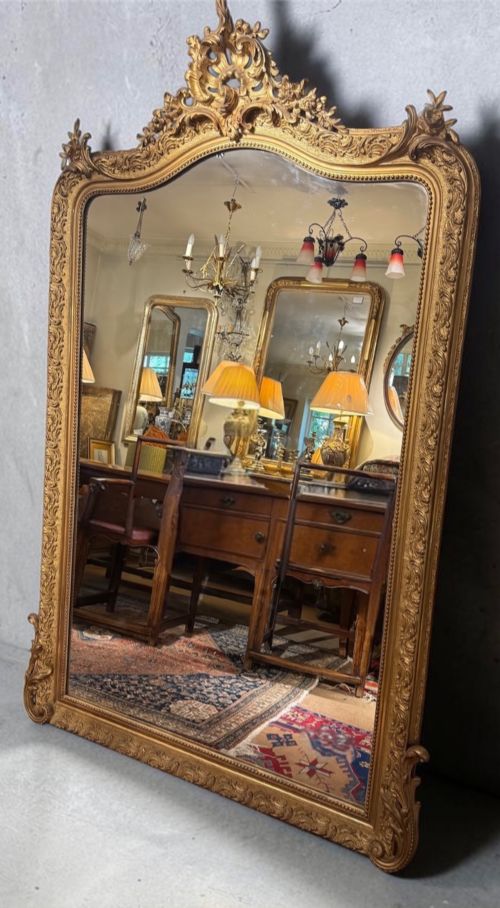
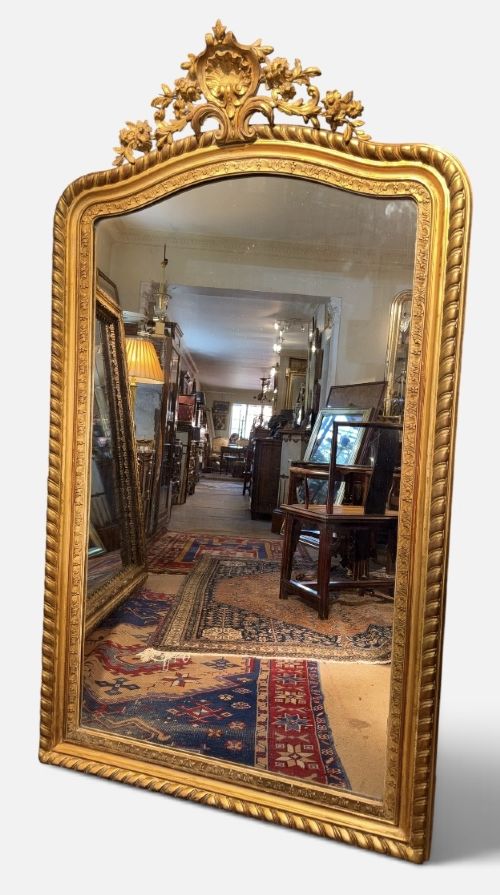
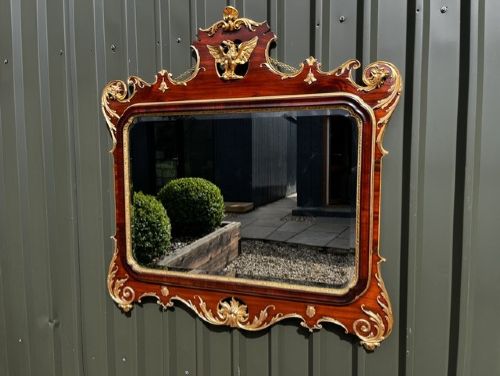
Rococo Crest Mirror
These rococo crest mirror examples bring sweeping French chateau elegance and grand Regency character into a room.
What They Are
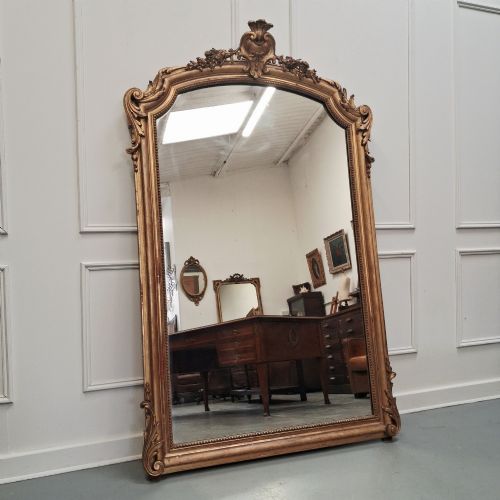
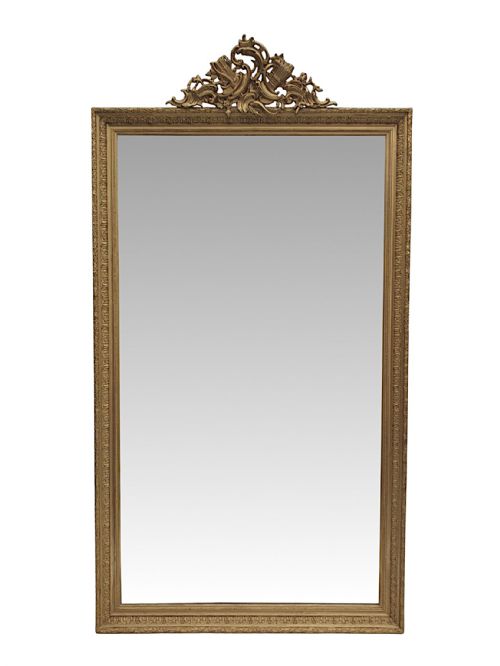
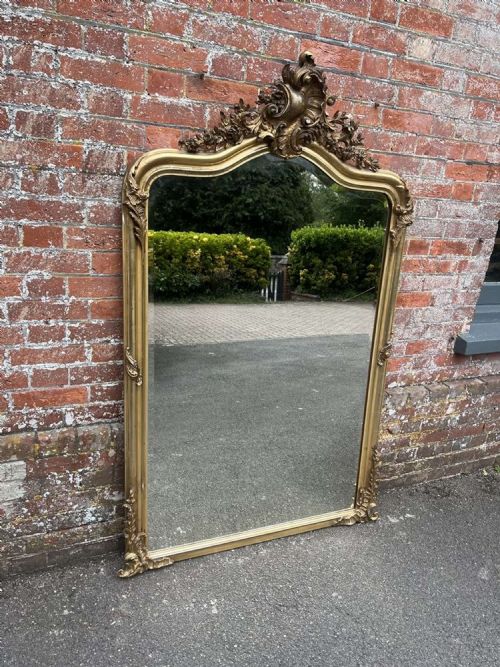
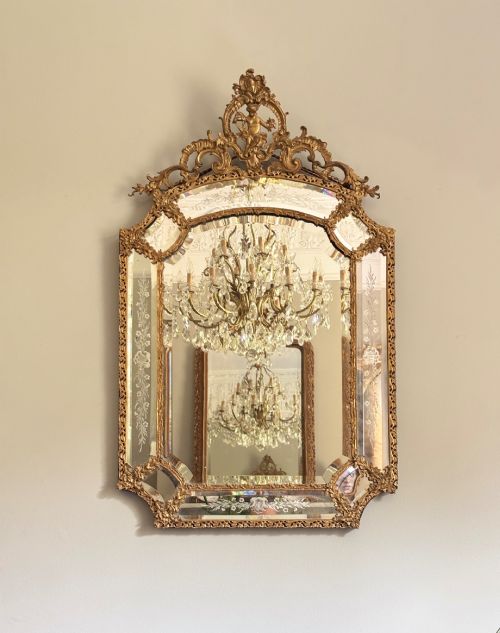
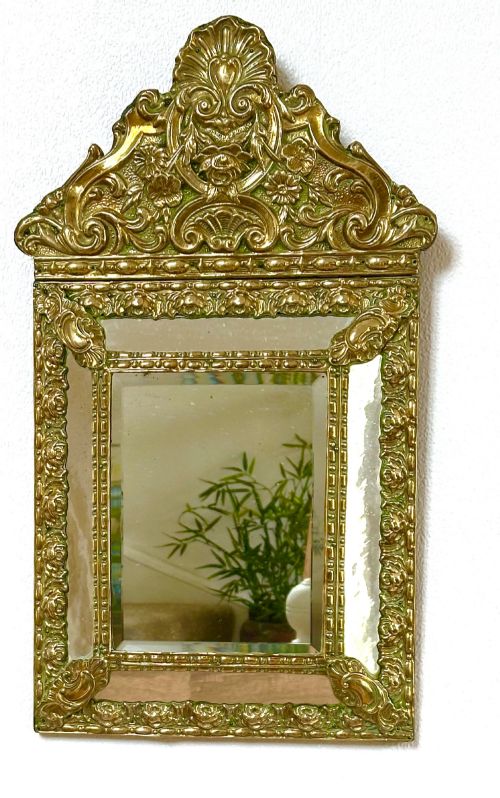
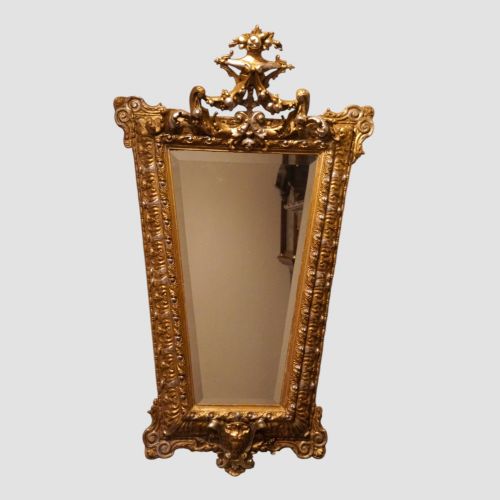
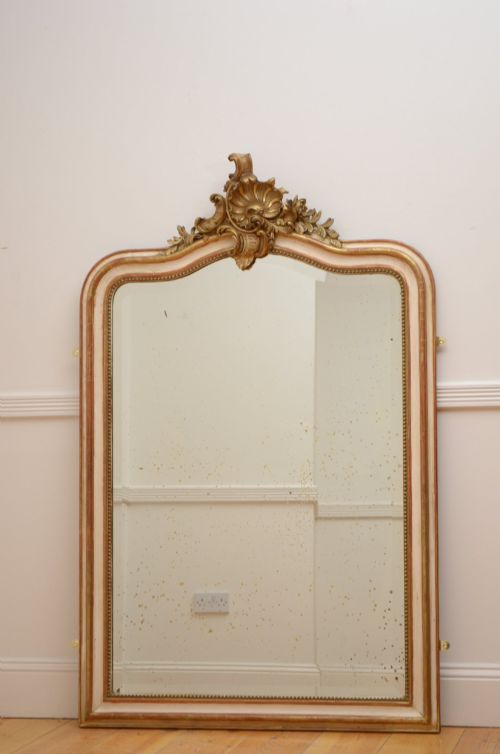
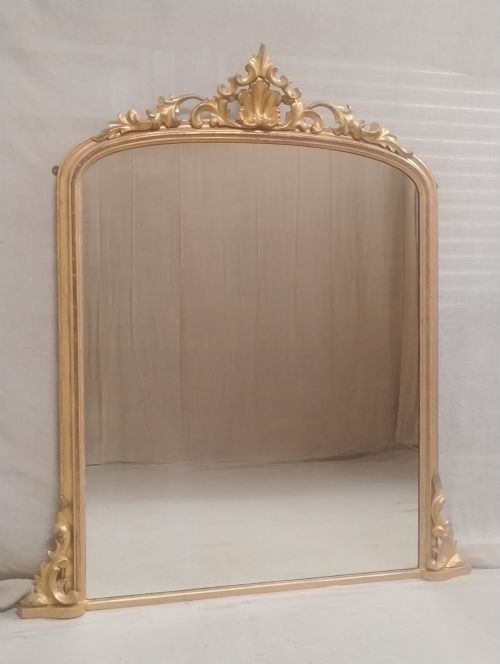
A rococo crest mirror takes the form of a wall mirror or an overmantel mirror designed with ornate cresting. The pieces appearing here span the nineteenth century, including examples dated from 1860, 1870, and 1920, alongside a piece recorded in the archive.
Origins include French chateau and French antique styles, reflecting the rococo and rococo revival aesthetics. Buyers encounter large scale arched top, shaped top, and overmantel formats featuring carved crests.
How They Were Made
Maker construction relies on wood, carved wood, and gesso applied to form relief ornamentation. Giltwood surfaces provide the metallic finish seen across the nineteenth century pieces.
Paint finishes also appear on French carved wood panels, combined with glass plates fitted within shaped or arched frames.
Retail Price Guide 2026
Typical UK retail prices for rococo crest mirror, calculated from the Sellingantiques database of over a million retail prices indexed since 2003. This retail price guide relies exclusively on Sellingantiques data; no external sources or auction records are used, so the figures do not describe the wider market.
Materials recorded across these listings include glass, gesso, giltwood, wood, and paint.
What Varies in Quality
Quality rests on the depth and definition of the carved crest work, such as bird motifs or scrolling foliage. Finer examples display crisper execution in the wood and gesso relief.
The choice between a giltwood finish and a painted surface alters the visual weight of the mirror within an interior. Scale also distinguishes large overmantel mirrors from standard wall mirrors.
The Rococo Crest Mirror Glossary
- Overmantel Mirror
- A large mirror designed to hang above a fireplace mantelpiece. These pieces often anchor a room's decorative scheme.
- Giltwood
- Wood that has been coated with gold leaf or a gold-coloured metallic finish. This technique creates a luminous surface reflecting candlelight or natural light.
- Gesso
- A plaster-like mixture applied to wood surfaces as a base for gilding or painting. It allows craftsmen to carve intricate relief details before finishing.
- Rococo Revival
- A nineteenth-century design movement resurrecting the flowing curves and asymmetrical ornamentation of the eighteenth-century rococo period. It dominates the decorative vocabulary of these mirrors.
Frequently Asked Questions
Where should a rococo crest mirror hang?
These mirrors suit placement above a fireplace or as a central wall feature in a reception room.
Their substantial scale allows them to reflect light and expand the sense of space in high-ceilinged rooms.
How do I identify a rococo revival mirror?
Look for asymmetrical scrolls, C-scrolls, and naturalistic crest motifs such as birds atop the frame.
The use of carved wood and gesso further points to nineteenth-century revival production.
What is the difference between a wall mirror and an overmantel mirror?
Wall mirrors hang freely on vertical surfaces to serve as decorative focal points.
Overmantel mirrors feature proportions specifically tailored to sit horizontally above fireplace surrounds.
Are these mirrors French in origin?
Several pieces originate from France, embodying French chateau and carved antique aesthetics.
Other examples reflect broader nineteenth-century European revival styles.