
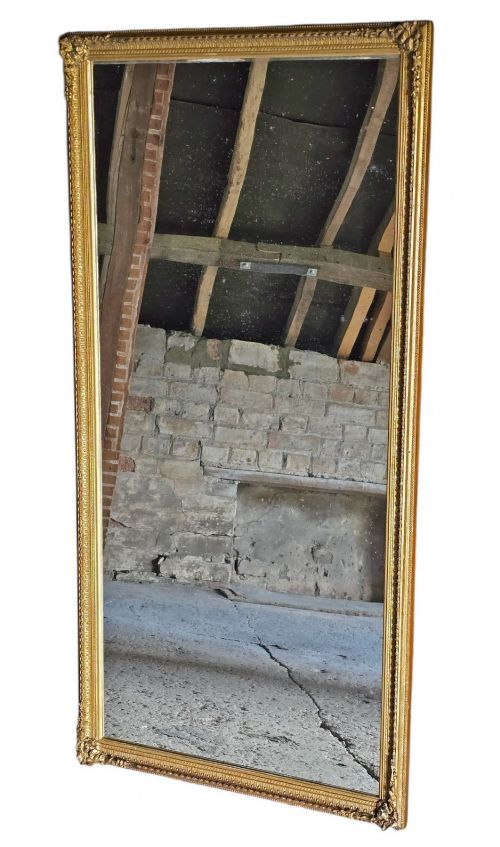
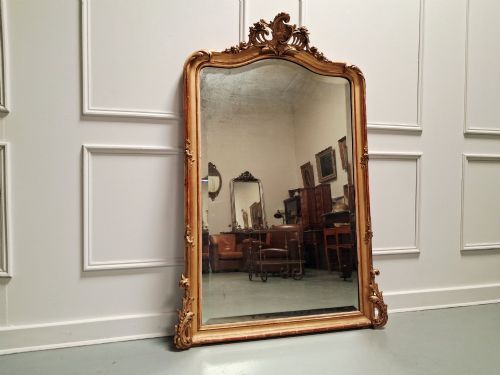
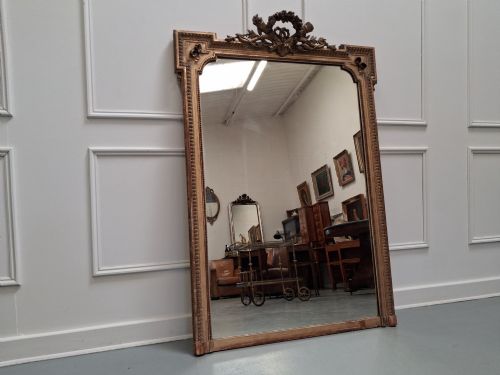
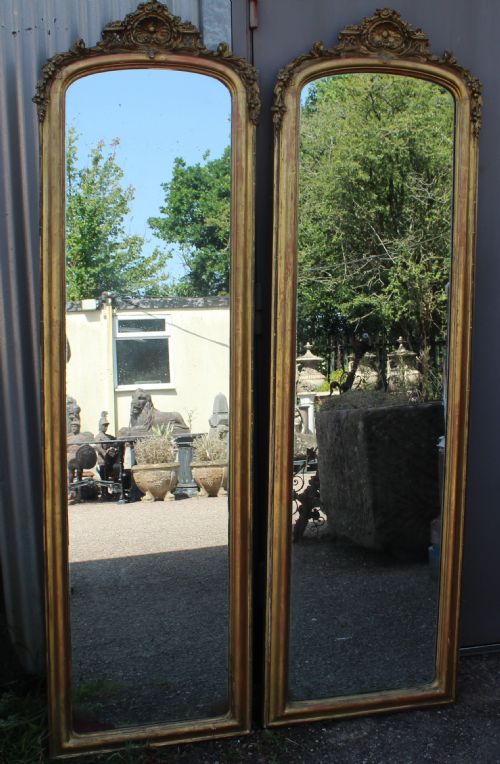
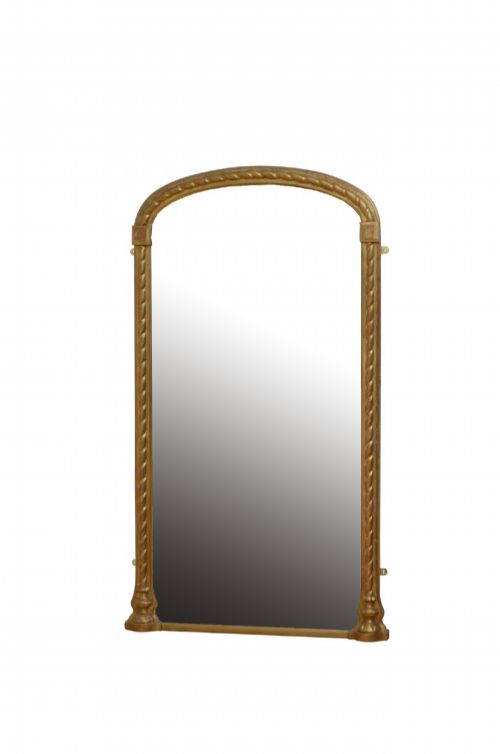
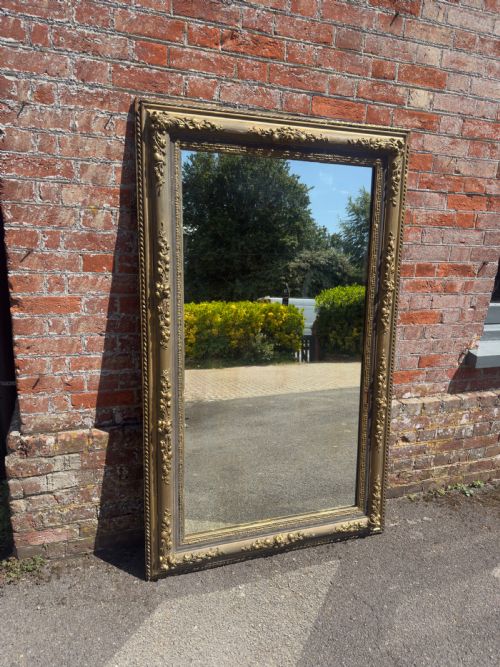
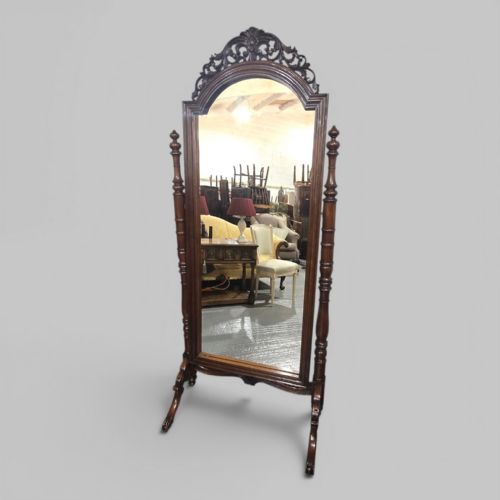
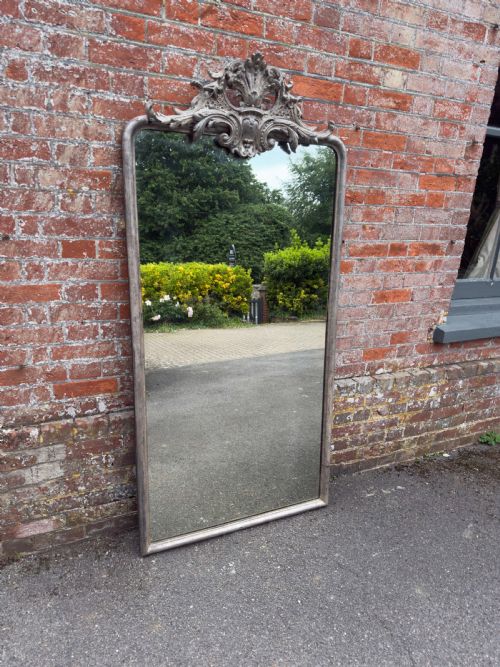
French Floor Mirror
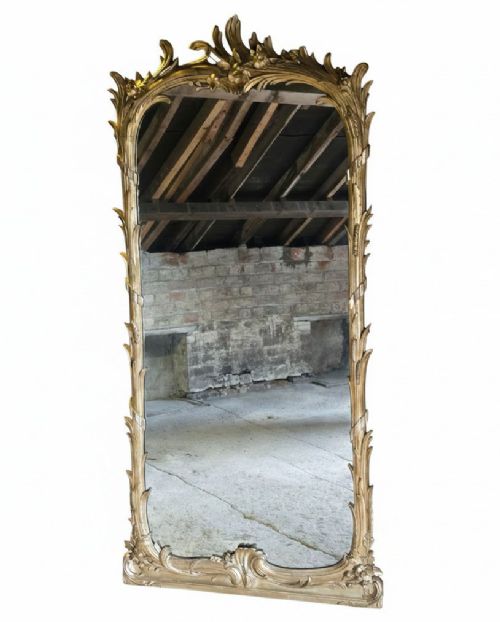
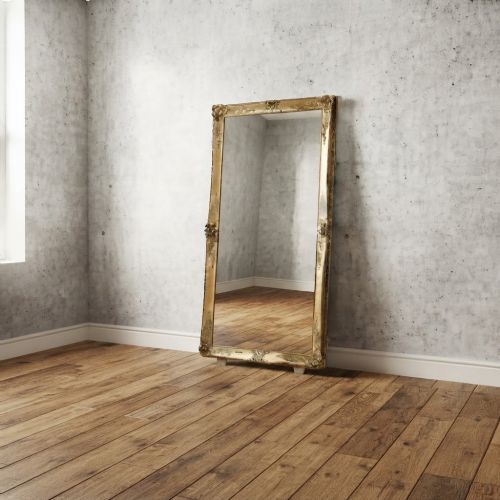
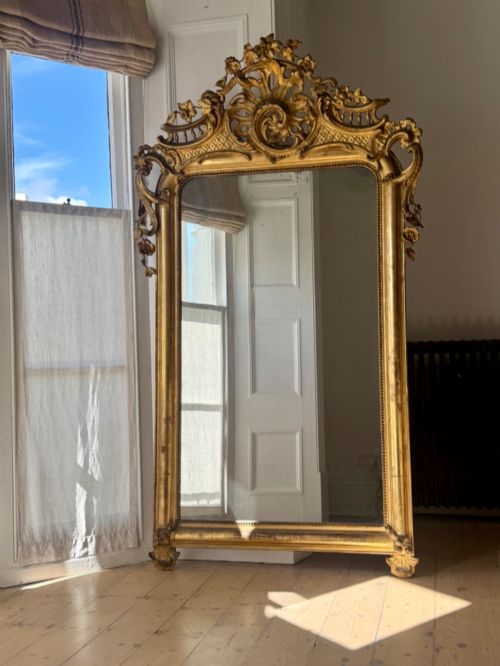
A french floor mirror brings height and reflected light into a room, standing as a substantial vertical presence originating from continental workshops.
French Floor Mirror
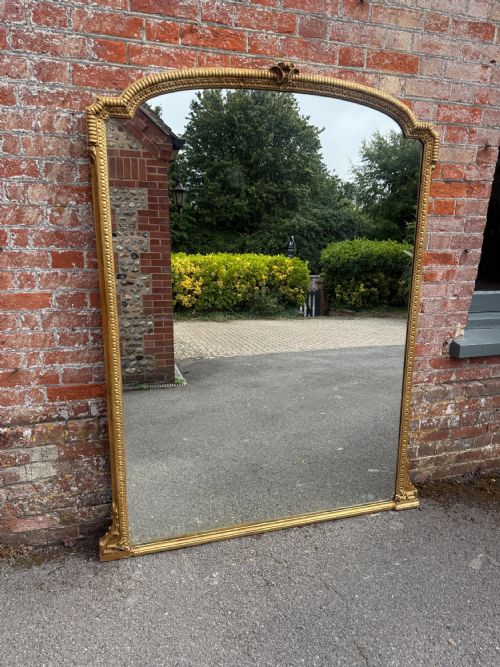
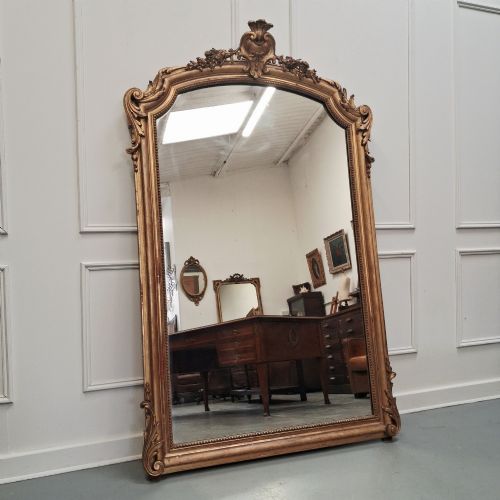
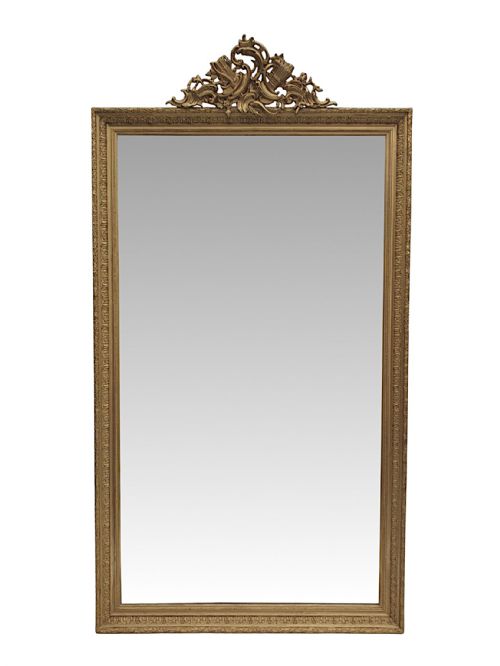
A french floor mirror is a tall looking glass designed to stand upon the floor or lean against a wall, frequently categorised in the evidence as leaner mirrors, cheval mirrors, and full-length dressing mirrors.
The pieces on this page span the eighteenth, nineteenth, and early twentieth centuries, drawing heavily from periods such as Louis Philippe, French Rococo, and French Chateau aesthetics.
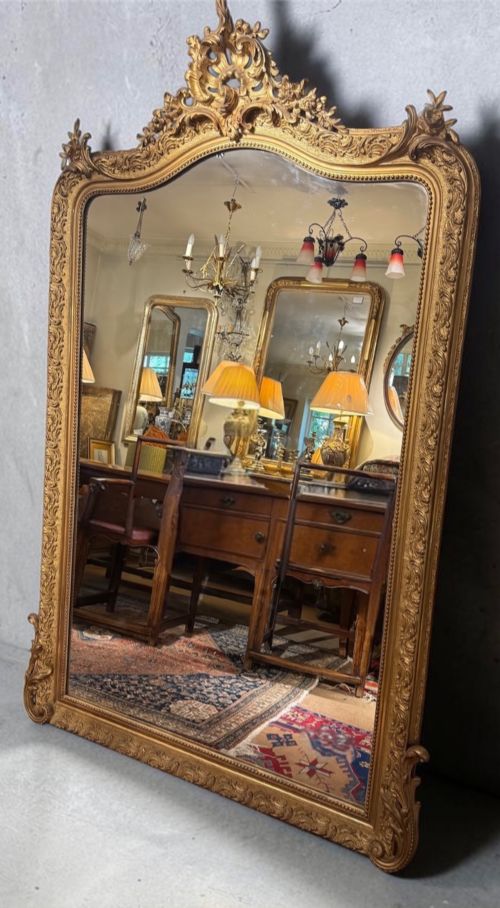
Buyers will encounter grand giltwood frames alongside mahogany, scrubbed oak, and painted finishes, ranging from monumental overmantels adapted for standing to dedicated pivoting cheval frames.
Materials and construction methods
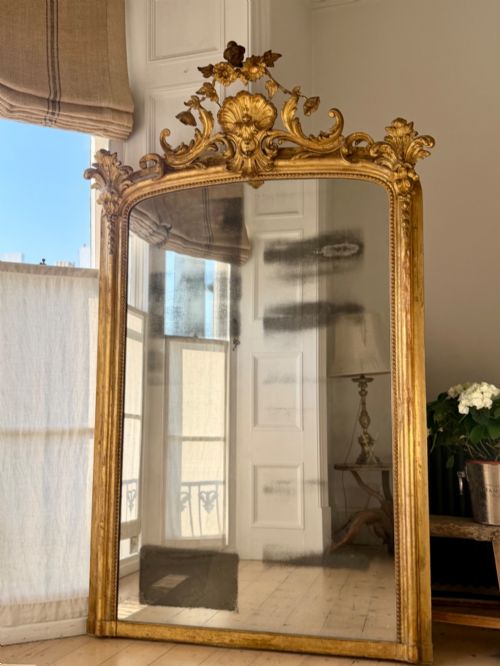
Carved wood provides the structural foundation for many examples, often layered with gesso to build up intricate relief ornamentation before receiving gold leaf, silver leaf, or paint.
Mirror glass panels of the period frequently exhibit characteristic qualities such as foxing and mercury backing, reflecting age and traditional manufacturing techniques.
French Floor Mirror Retail Price Guide 2026
Typical asking prices for french floor mirror among the pieces listed under this phrase on Sellingantiques today, from the lower quarter to the upper quarter. They describe what is for sale here now, not the wider market.
The listings on this page include walnut, mahogany, oak, gesso, and giltwood applied to mirrors spanning the eighteenth to twentieth centuries.
Distinguishing quality in mirrors
The depth and crispness of the wood carving distinguish superior frames, where artisans shaped the gesso and applied gold leaf by hand rather than relying on moulded plaster shortcuts.
The integrity of the original glass plates and the stability of the large wooden backing boards separate robust, well-preserved examples from those compromised by structural shifts over time.
The French Floor Mirror Glossary
- Cheval mirror
- A freestanding full-length mirror hung on a vertical pivoting frame between four upright pillars. This design allows the glass to tilt to various angles.
- Giltwood
- Timber coated with a thin layer of gold leaf or gold paint applied over a preparation of gesso. It forms the lustrous surface seen on many period frames.
- Mercury glass
- Mirror glass produced by applying an amalgam of tin and mercury to the rear glass surface. It creates a deep, soft reflection often showing age spots.
- Foxing
- Small dark spots or discoloration appearing within the mirror glass plate over decades. This chemical ageing process is typical of antique mercury and early silvered glass.
- Overmantel mirror
- A large mirror originally designed to hang above a fireplace mantelpiece. Many examples are substantial enough to function effectively as floor-standing leaner mirrors.
- Trumeau
- A decorative wall mirror incorporating a painted panel or artwork directly above the glass plate. These pieces often feature neoclassical or provincial ornamentation.
French Floor Mirror: Frequently Asked Questions
How do I secure a heavy leaner mirror?
Large mirrors resting directly on the floor require anchoring to the wall behind them to prevent accidental tipping. Brackets or hidden fixings attached to the upper frame provide stability while maintaining the clean aesthetic of the piece.
Heavier wood and gesso frames exert considerable downward pressure, making secure placement on level flooring essential for long-term safety and preservation.
What is a cheval mirror used for?
A cheval mirror functions as a freestanding dressing mirror, allowing a person to check their full outfit from multiple angles by tilting the glass within its upright frame.
Originating as a bedroom and dressing room staple, these pivoting pieces also serve to bounce natural light around larger living spaces.
How do I identify a Louis Philippe mirror?
Louis Philippe mirrors typically feature a subdued classical elegance with rounded upper corners and clean, restrained framing. The decoration is often less exuberant than earlier Rococo styles, focusing on simple beaded or ribbed mouldings.
These pieces emerged during the mid-nineteenth century and balance architectural scale with understated decorative appeal.
Can these mirrors stand directly on the floor?
Many large nineteenth-century designs are built specifically as leaner mirrors, featuring sturdy bases and frames tall enough to rest upon the floorboards. Protective felt pads placed beneath the frame prevent friction against both floor and wall.
While some possess dedicated floor-standing legs or cheval structures, others rely on the gentle angle of the wall to remain upright safely.