


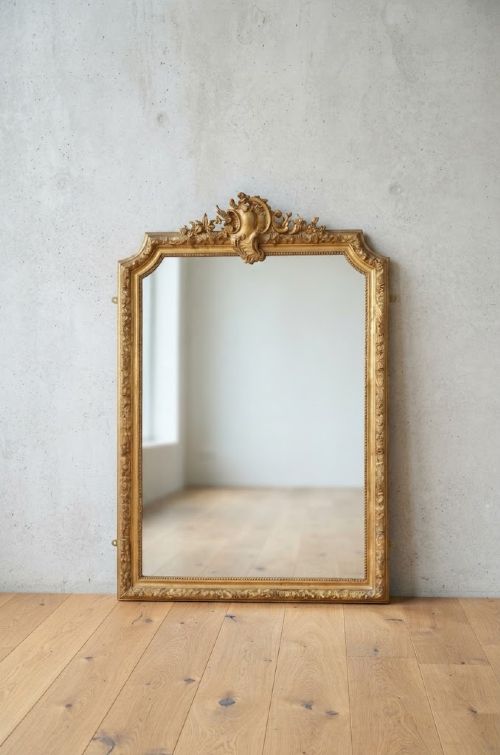
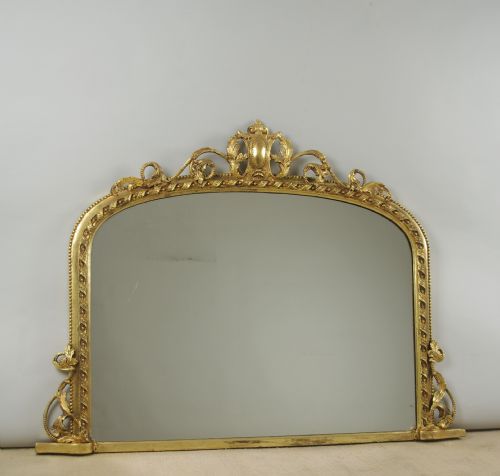
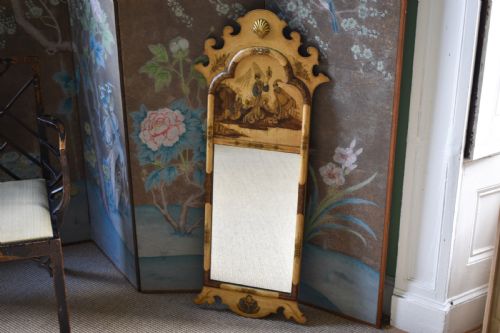
Crest Top Mirror
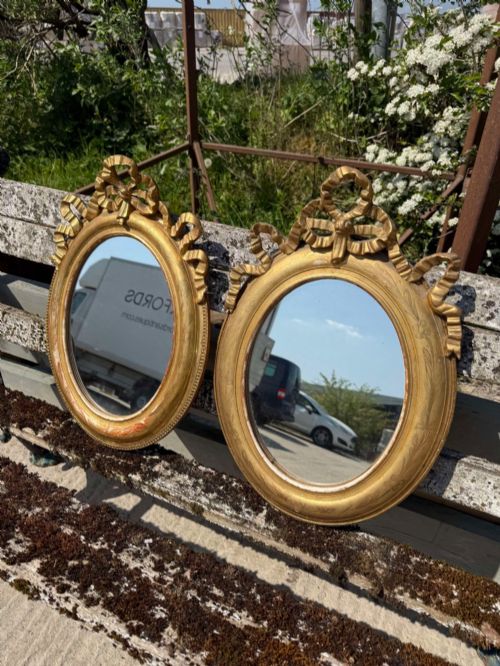
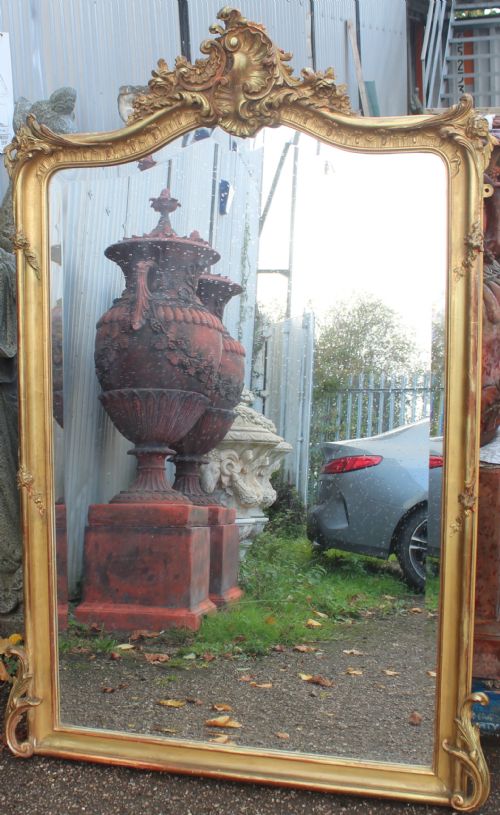
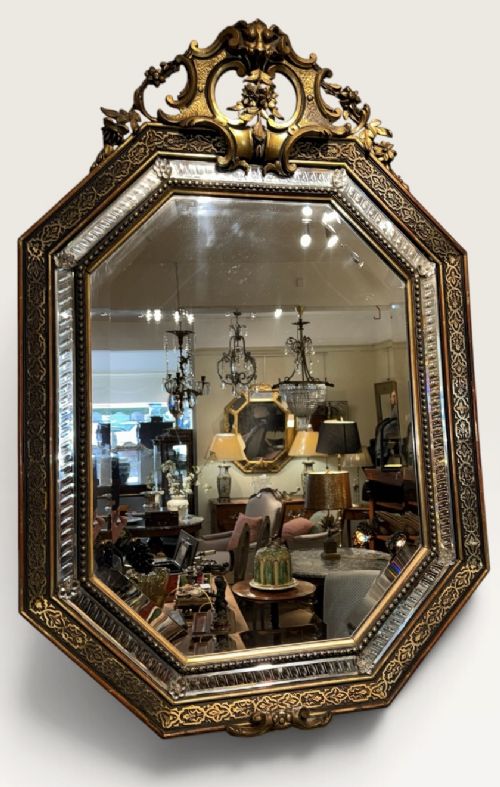
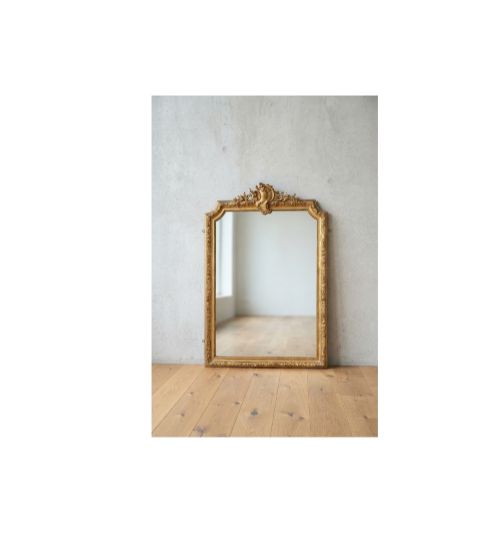
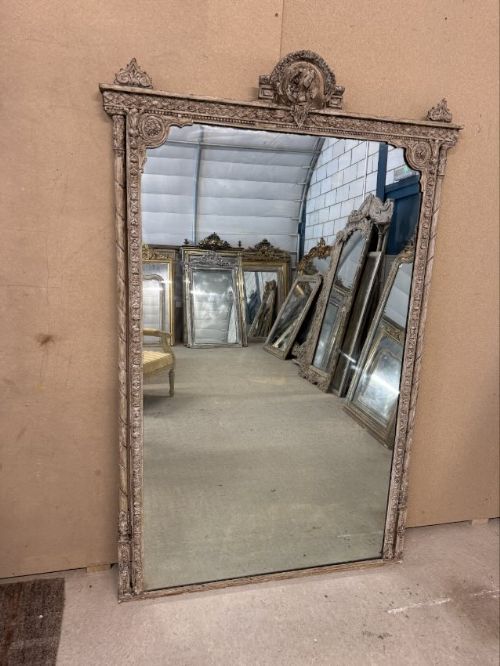
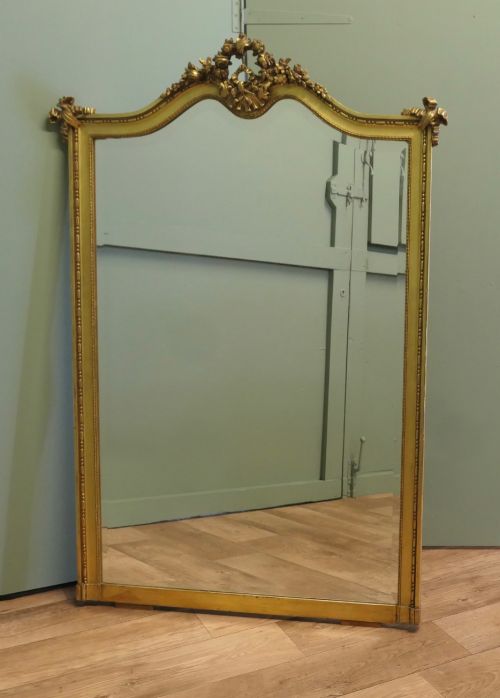
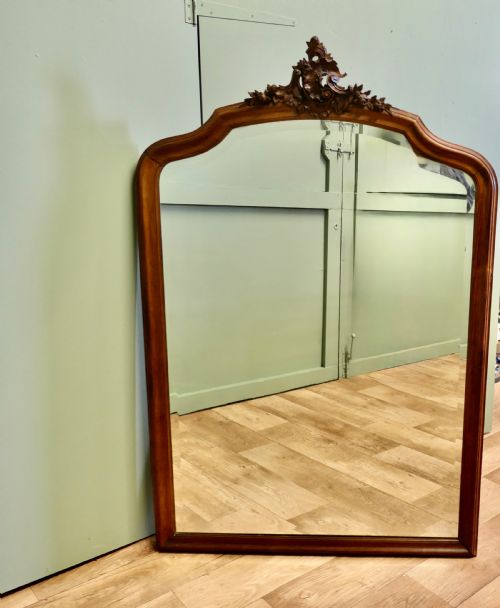
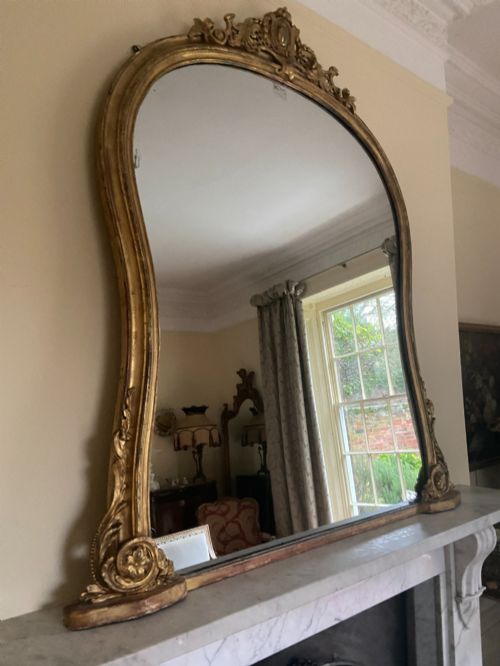
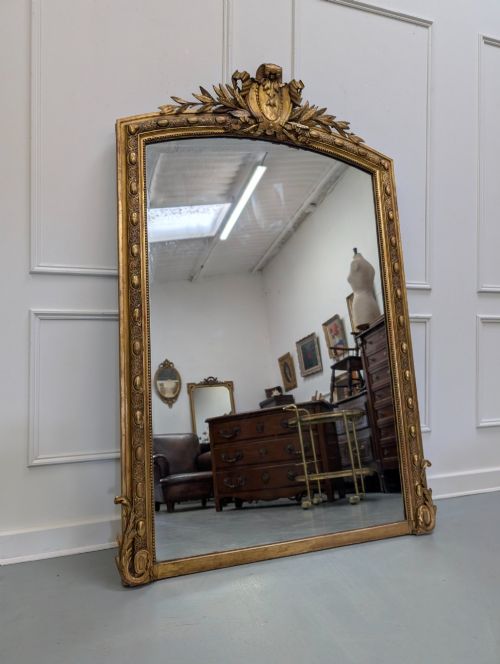
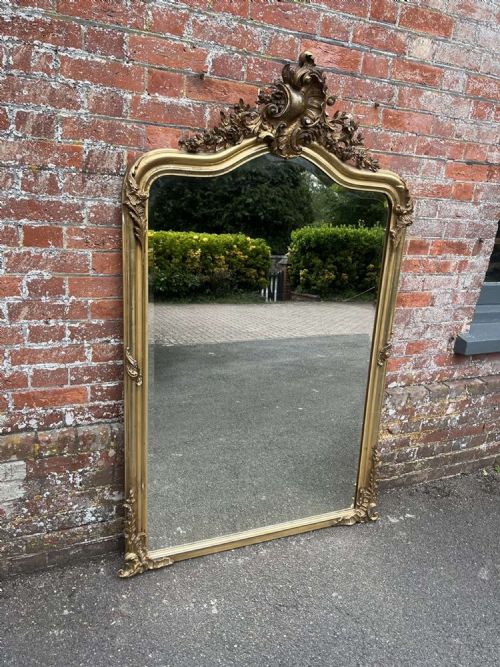
A crest top mirror brings sculptural presence to a room, framing reflection with elaborate carved wood and gesso ornamentation.
Crest Top Mirror
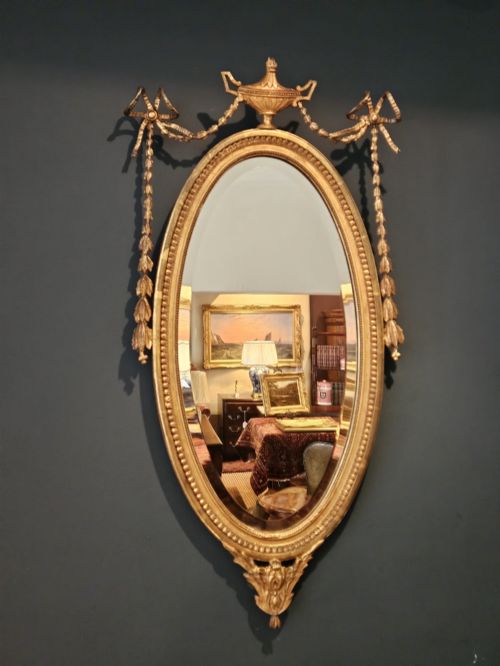
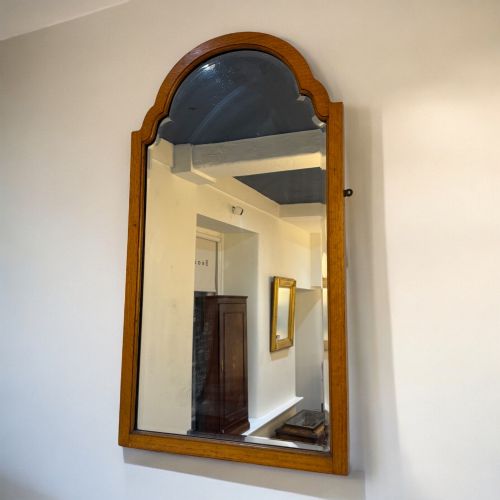
The selection ranges from grand French giltwood overmantels to neat English arched designs, incorporating styles such as French Rococo Revival, Louis Philippe, and Queen Anne Revival. Many examples combine wood structures with applied gesso decoration, creating distinct profiles above mantlepieces and principal walls.
Materials and construction
Carved wood provides the structural foundation for these frames, often shaped from timber such as walnut, yew, or pine before receiving decorative treatment. Artisans built up complex ornamental crests using gesso, a plaster-like mixture applied over the wood base to take sharp, intricate relief carving.
Finishing techniques rely heavily on gold leaf, liquid paint, or silvered applications to coat the gesso and wood surfaces. Mirror glass plates are then fitted into the frames, occasionally featuring bevelled edges or signs of age such as foxing.
Crest Top Mirror Retail Price Guide 2026
Typical asking prices for crest top mirror among the pieces listed under this phrase on Sellingantiques today, from the lower quarter to the upper quarter. They describe what is for sale here now, not the wider market.
The available inventory incorporates diverse architectural forms, spanning arched top overmantels, girandoles, and Venetian bevelled plates.
Assessing craftsmanship and condition
The distinction between tiers rests upon the depth and precision of the hand-carved ornamentation on the crest and frame. Superior examples demonstrate crisp definition in the gesso mouldings and harmonious proportions between the decorative top and the glass plate.
Originality of surface finish also dictates distinction, distinguishing pieces retaining their initial gilding or paint from those subjected to later re-coating. The integration of the cresting with the primary frame structure reveals the skill of the original maker.
The Crest Top Mirror Glossary
- Cresting
- The decorative carved ornament mounted at the top of a mirror frame. This feature often incorporates shell motifs, cartouches, or putti.
- Gesso
- A mixture of plaster of Paris and binder used to build up relief decoration on wooden frames. Artisans carve and gild this material to achieve ornate surfaces.
- Overmantel mirror
- A large horizontal or vertical glass designed to hang directly above a fireplace mantel. These pieces frequently display arched or shaped crests.
- Foxing
- Small dark spots and discolouration appearing within old mirror glass due to oxidation over time. This chemical change indicates genuine antique age.
- Giltwood
- Timber coated with gold leaf or metallic paint to simulate solid gold. It defines the lustrous finish seen on many nineteenth-century frames.
Crest Top Mirror: Frequently Asked Questions
Where should I hang a crest top mirror?
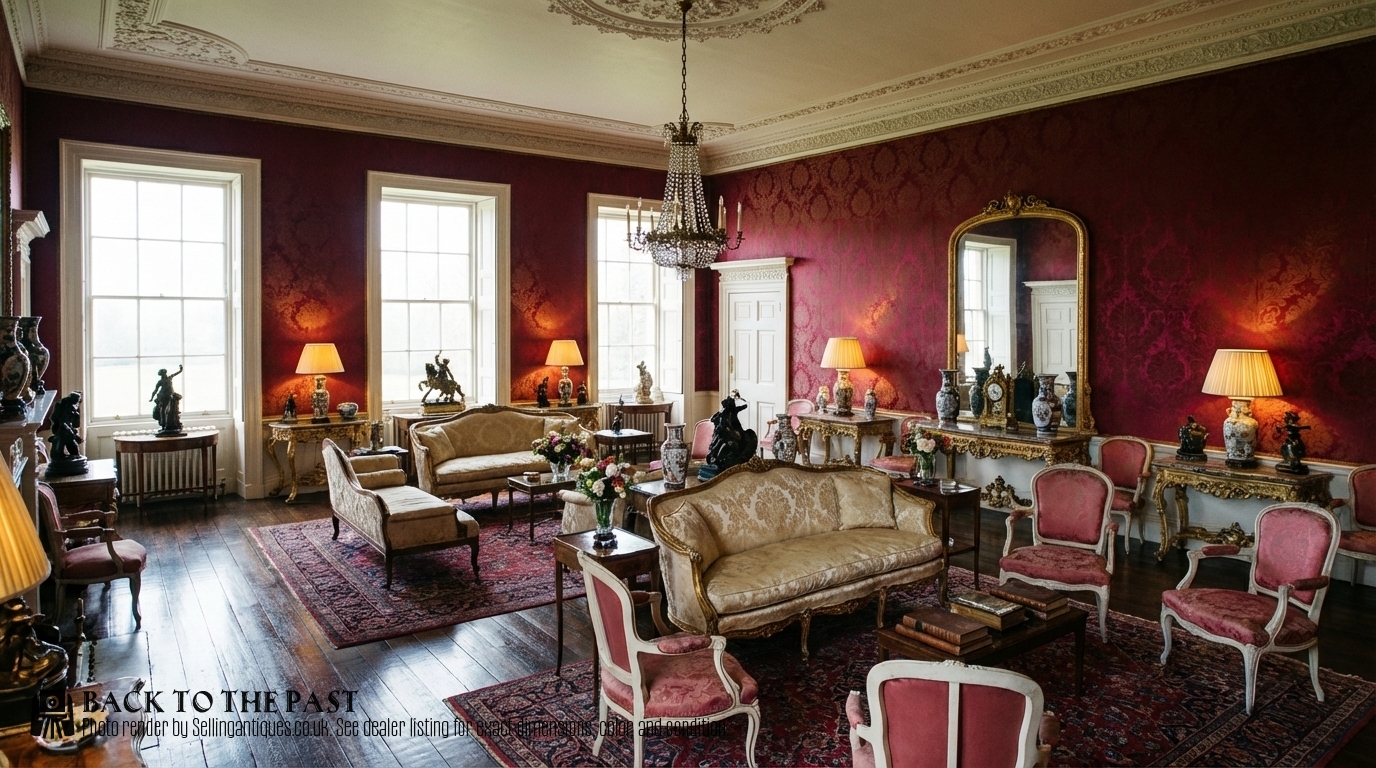
These mirrors traditionally sit above a fireplace mantel as an overmantel piece, where their height fills vertical wall space effectively. They also function as focal points on principal living room walls.
Ensure the wall construction can support the substantial weight of carved wood and gesso frames. Positioning them opposite a window helps maximise natural light distribution across the room.
How do I identify a nineteenth-century piece?
Examine the construction of the frame joinery at the reverse, along with the composition of the gesso and wood materials. Nineteenth-century examples often exhibit hand-beveled glass and traditional backing boards.
Stylistic cues such as French Rococo Revival or Louis Philippe ornament further point toward this period of production.
What is the difference between a wall mirror and an overmantel mirror?
Overmantel mirrors are traditionally proportioned to sit specifically above fireplace mantels, usually featuring broader horizontal dimensions or substantial vertical height. Wall mirrors are designed for general placement across various domestic rooms.
Both categories utilise elaborate cresting, but overmantel formats tend to dominate the scale of a chimney breast.