

Etched Glass Mirror
When you search for an etched glass mirror, you enter a world of reflective depth where decorative engraving meets centuries of glassmaking tradition.
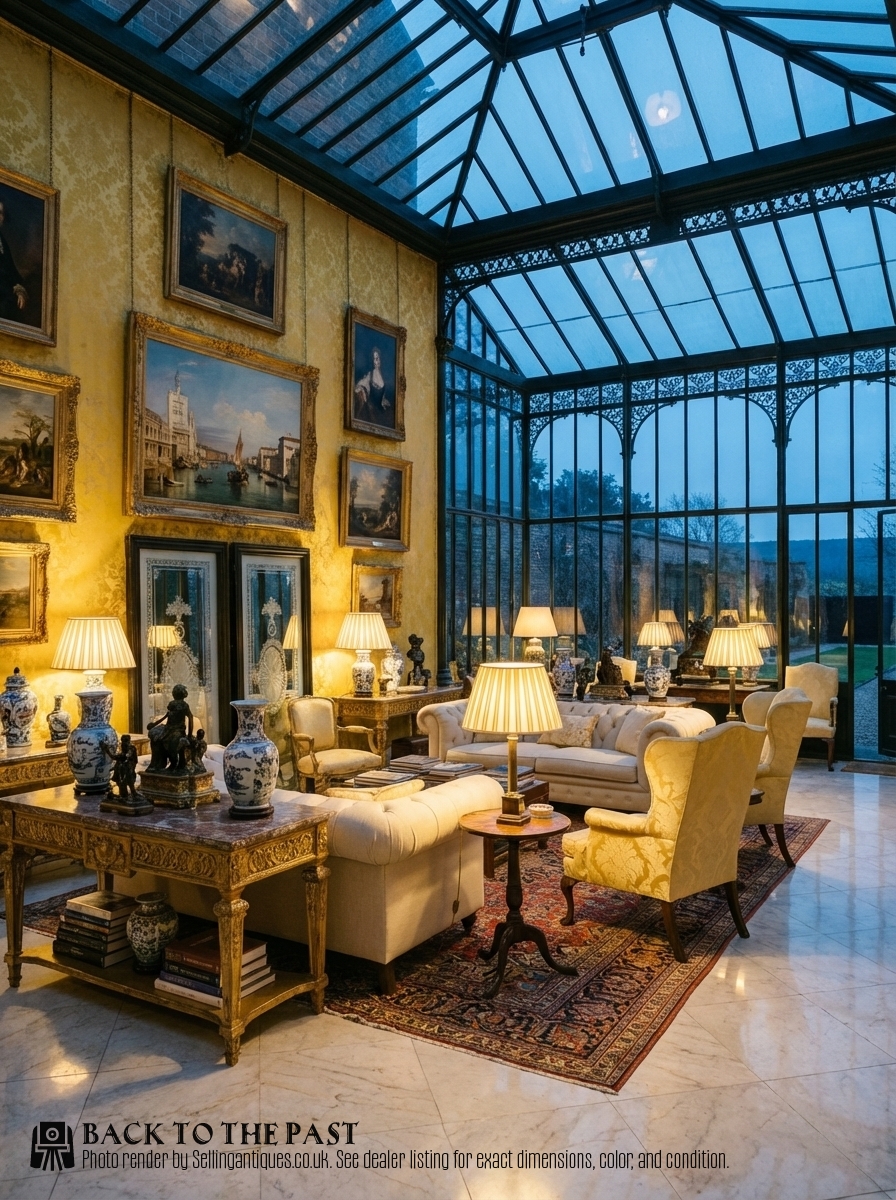
Etched Glass Mirror
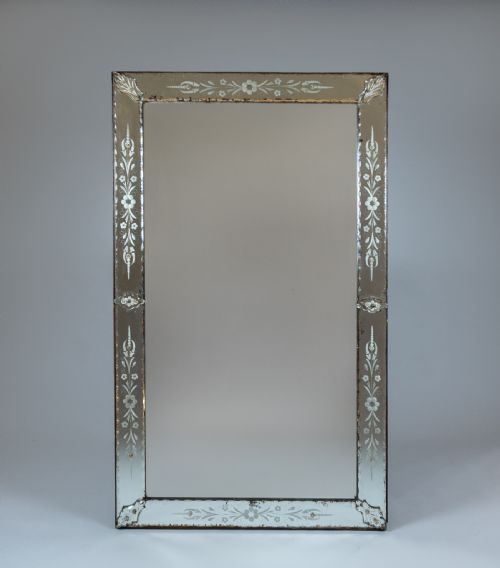
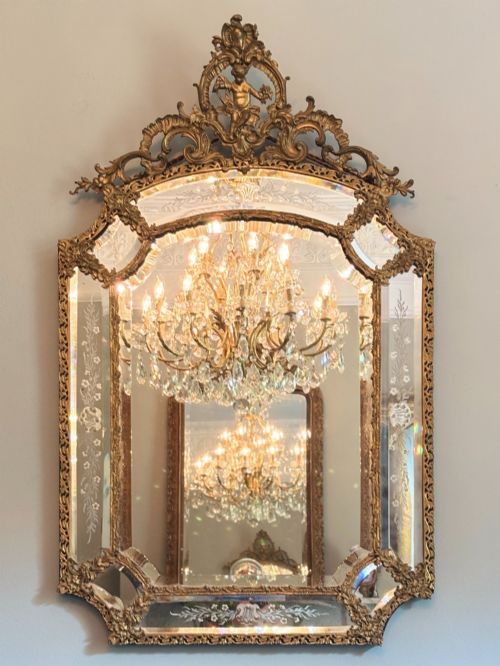
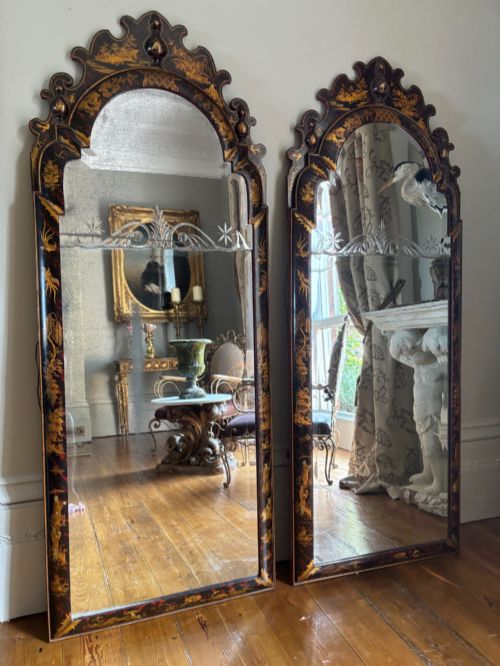
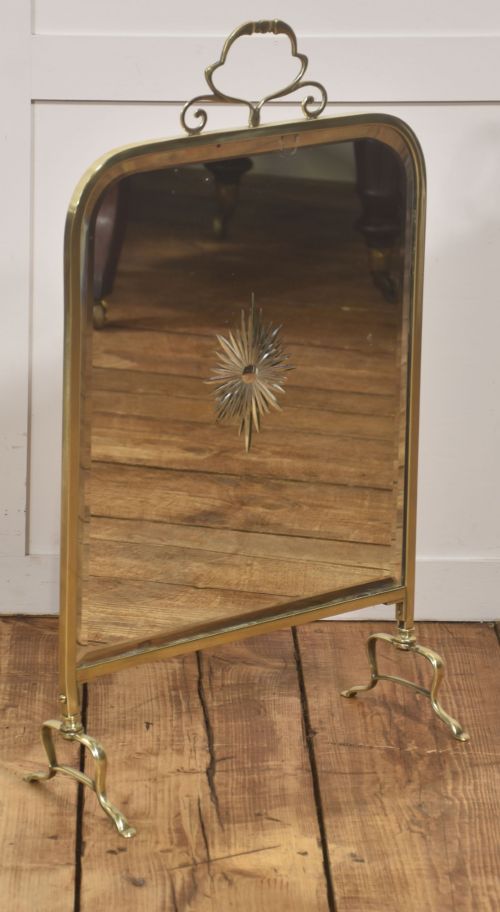
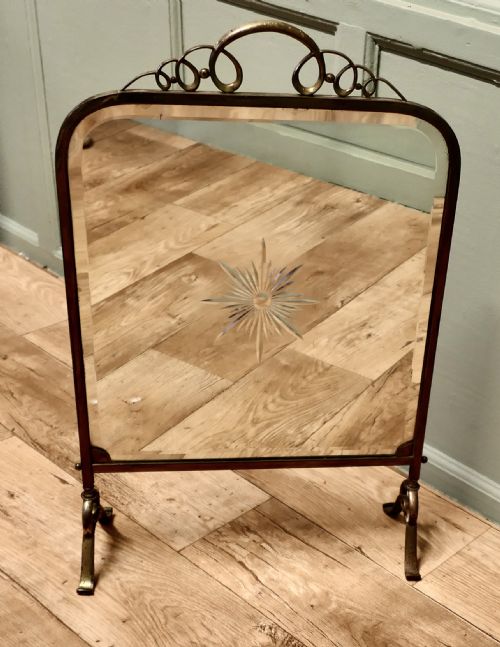
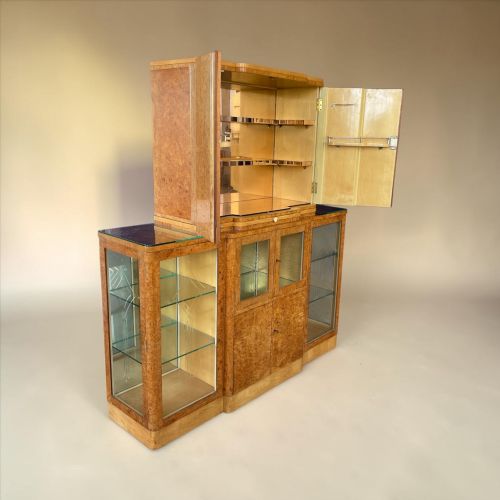
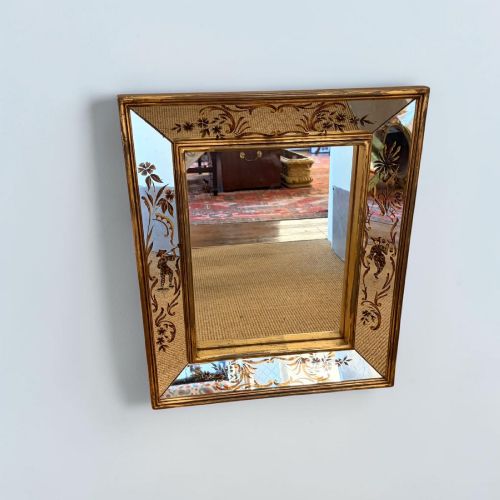
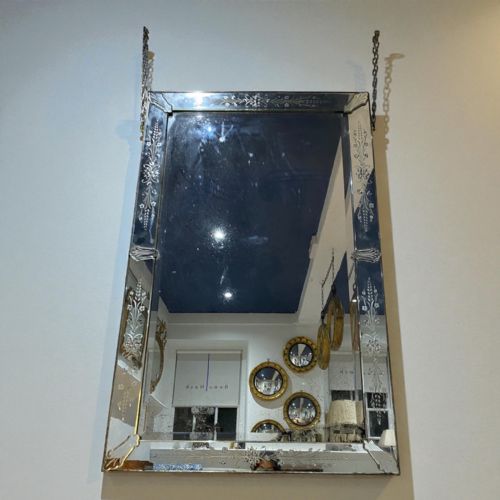
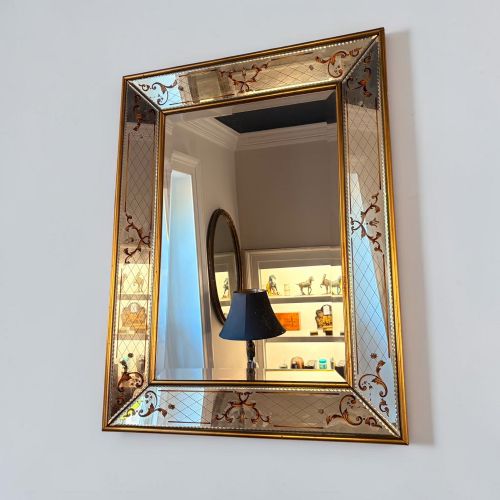
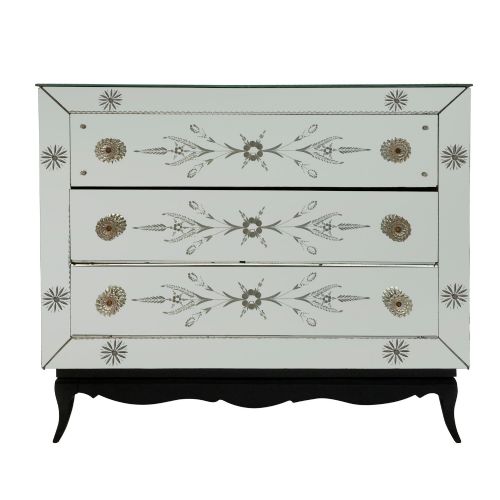
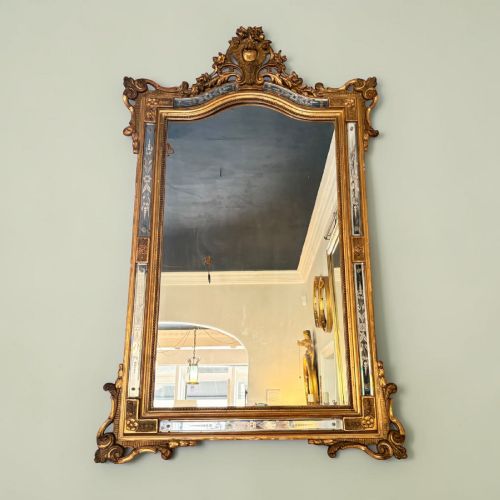
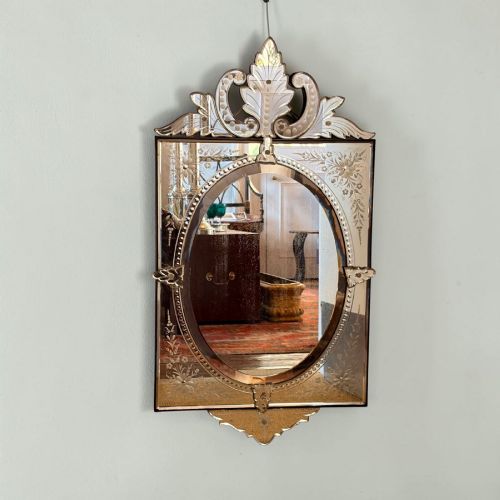
An etched glass mirror combines functional reflection with intricate surface decoration, spanning styles from Victorian pub advertisements to Italian Venetian wall plates. When searching for an etched glass mirror, buyers encounter everything from grand overmantles to domestic trays and fire screens.
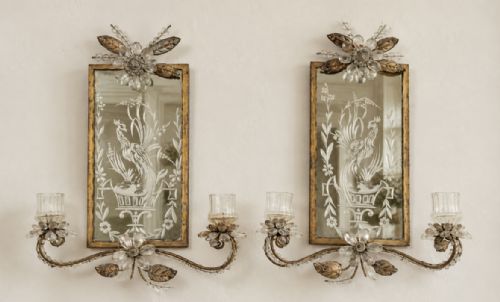
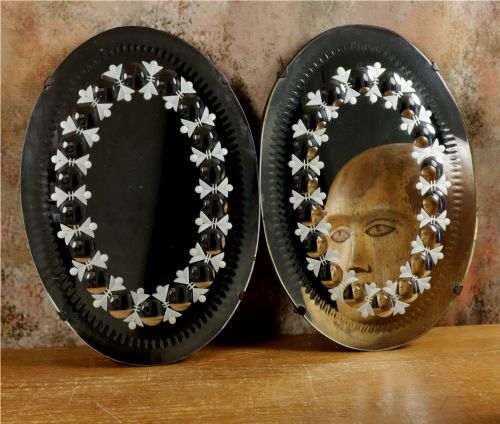
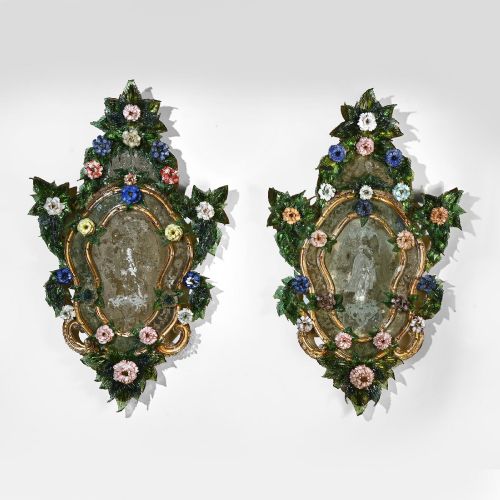
The pieces on this page originate predominantly from the nineteenth and early twentieth centuries, drawing heavily upon Venetian, Art Deco, and Victorian aesthetics. Many examples incorporate coloured glass elements, peach tints, or ruby red borders alongside traditional floral and geometric engravings.
How they were made
Glass plates were shaped and silvered before artisans applied surface decoration using acid etching, wheel cutting, or engraving techniques. Frames commonly utilise carved gilt-wood, gesso, metal, or brass to support heavy mirror glass and coloured glass borders.
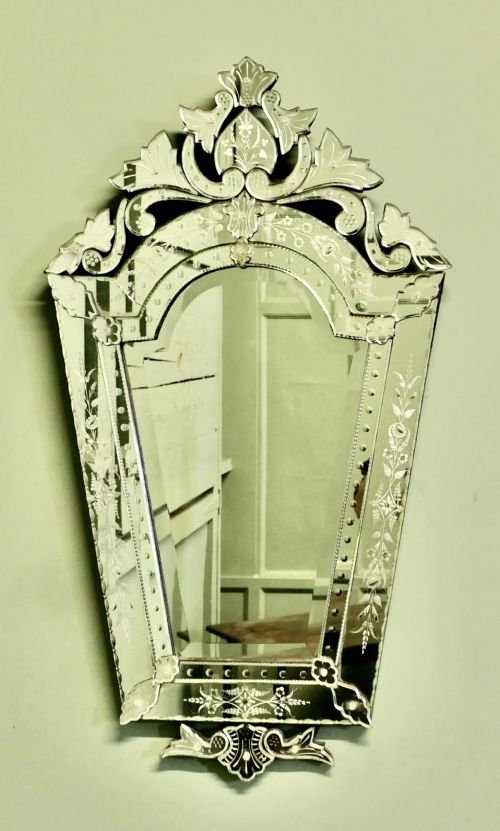
Makers integrated reverse painting and parcel gilding to enrich the visual texture of the glass, pairing delicate floral motifs with bevelled edges on cushion mirrors and overmantles.
Etched Glass Mirror Retail Price Guide 2026
Typical asking prices for etched glass mirror among the pieces listed under this phrase on Sellingantiques today, from the lower quarter to the upper quarter. They describe what is for sale here now, not the wider market.
Listings feature materials such as giltwood, gesso, brass, and coloured glass including peach and ruby tints.
What varies in quality
Quality rests upon the depth and precision of the engraving, where crisp lines and detailed floral motifs distinguish superior artisan work from simpler production. The clarity of the silvering and the integrity of the underlying mirror glass also dictate the visual presence of the piece.
The construction of the frame, whether carved gilt-wood or mounted brass, provides structural balance to the heavy glass plates. Finer examples display meticulous attention to detail in both the glass cutting and the surrounding framework.
John Belchier
The Etched Glass Mirror Glossary
- Etched glass
- Glass treated with acid to create opaque decorative designs on the reflective surface. This technique allows for intricate floral or geometric patterns that contrast with clear areas.
- Overmantle mirror
- A large horizontal mirror designed to hang above a fireplace mantelpiece. These pieces often feature arched tops and substantial frames to anchor a room.
- Venetian mirror
- A mirror style characterised by an elaborate glass frame composed of multiple decorated sections and applied glass ornaments. Originating in Murano, these pieces frequently feature engraved floral borders.
- Gesso
- A plaster-like material applied to wooden frames as a smooth base for gilding. It allows craftsmen to carve intricate relief details before applying gold leaf.
- Pier mirror
- A tall, narrow mirror designed to hang on the wall space between two windows. They often incorporate a matching console table or extend downwards towards the floor.
Etched Glass Mirror: Frequently Asked Questions
What is an etched glass mirror?
An etched glass mirror is a reflective plate decorated with surface engravings or acid-treated patterns. These designs range from simple floral borders to elaborate pictorial scenes.
They serve as both practical looking glasses and decorative wall art, utilising techniques developed across centuries of European glassmaking.
How do I date an antique mirror?
Dating relies on examining the frame construction, the type of glass, and the beveling techniques used on the plate. Older pieces often feature hand-cut details and original wooden backings.
Styles also provide clear clues, shifting from Victorian ornamentation and pub advertisements to the geometric lines of Art Deco pieces.
Where were Venetian mirrors made?
Venetian mirrors traditionally originate from Venice and the nearby island of Murano, renowned for master glassblowers. These pieces often feature complex glass frames made of assembled pieces.
Many examples found today date from the nineteenth and early twentieth centuries, reproducing classic eighteenth-century aesthetics.
How do I care for antique glass?
Care requires gentle cleaning with a soft, dry cloth to avoid damaging the delicate surface engraving or the antique silvering behind the glass. Harsh chemical cleaners should be avoided.
Protecting the original frame and mounting brackets ensures the structural stability of heavy glass plates over time.