
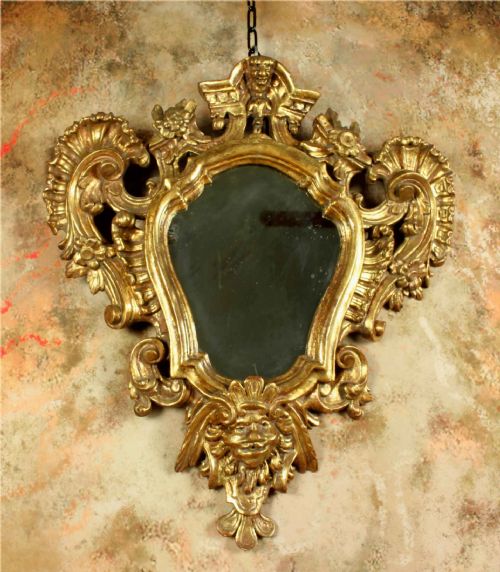


French Baroque Mirror
A french baroque mirror brings monumental drama and glittering depth to a room through lavish carved ornamentation and weighty proportions.
French Baroque Mirror
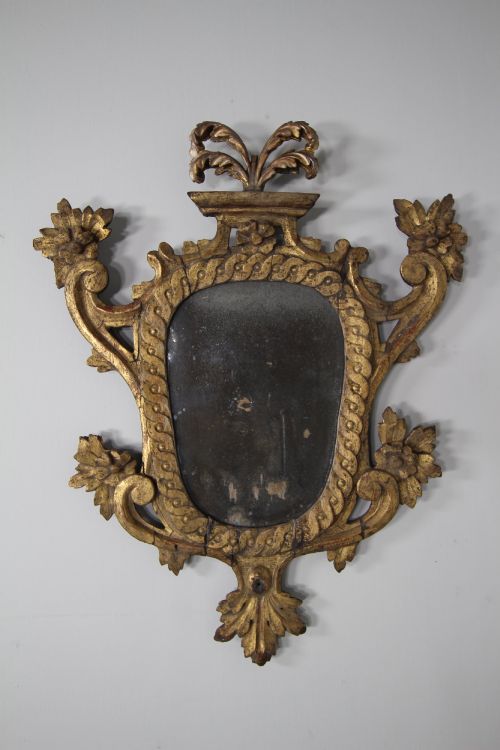
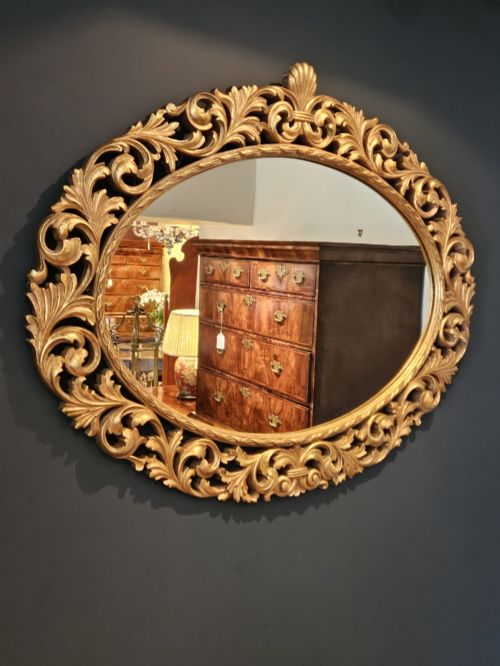
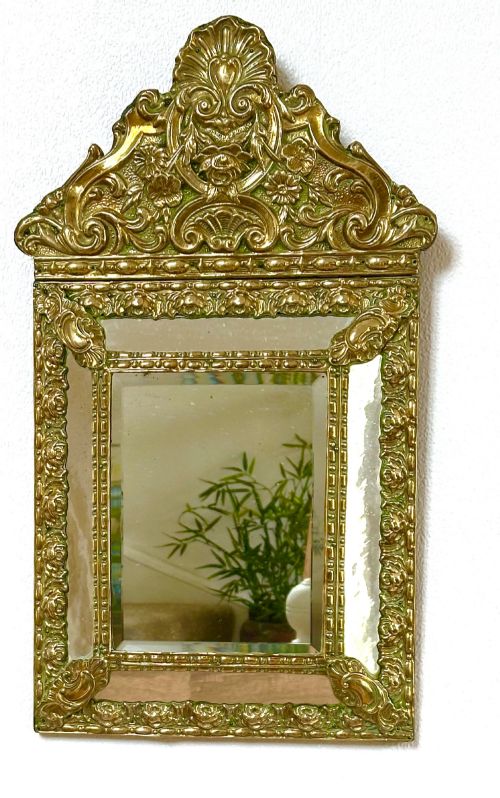
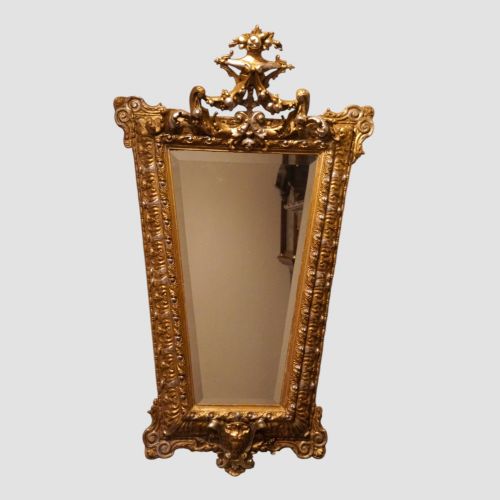
A french baroque mirror embodies the theatrical scale and monumental presence characteristic of grand European interiors. These pieces frequently manifest as wall mirrors, pier glasses, and cushion frames designed to dominate a mantelpiece or an expansive hallway.
The selection here encompasses authentic works from the seventeenth and eighteenth centuries alongside revival interpretations from the nineteenth and early twentieth centuries. Buyers encounter substantial carved timber constructions, decorative masks, and cushion frames originating from French and Italian workshops.
Original antique examples carry the patina of centuries, whilst later revivals capture the exuberant aesthetic using traditional methods. The most common forms on this page balance architectural symmetry with flowing decorative flourishes such as lions' heads and ornate crestings.
Materials and Construction
Makers shaped solid timber and carved wood into intricate frameworks before applying layers of gesso to create smooth surfaces for gilding. Gold leaf and silver leaf were meticulously laid over the gesso ground, capturing the light and imparting a warm, metallic radiance.
Early examples frequently incorporate original mercury plates, which exhibit characteristic dark speckling and soft, distorted reflections due to historic manufacturing techniques. Subsequent periods introduced alternative glass types whilst retaining the heavy carved wooden structures.
The inventory records wall mirrors, table mirrors, and picture frames executed in baroque, rococo, and regency styles.
Distinguishing Quality
Quality rests upon the crispness of the wood carving and the depth of the relief work, where deeply undercut foliage and expressive masks demonstrate superior artisan skill. The handling of the gesso and the integrity of the original gold or silver leaf application also dictate the visual authority of the piece.
The survival of original mercury glass plates significantly elevates a mirror's character, offering an undisturbed historical authenticity that modern replacements lack. Structural stability within the heavy timber frame ensures the piece withstands decades of wall mounting without warping.
The French Baroque Mirror Glossary
- Giltwood
- Timber coated with gold leaf over a prepared gesso ground. This technique provides a luminous metallic finish that ages with a soft, warm patina.
- Gesso
- A plaster mixture applied to carved wood to create a smooth base for gilding. It allows artisans to model fine decorative details before applying metal leaf.
- Mercury Plate
- An early type of mirror glass created using a tin and mercury amalgam. It produces a distinctive cloudy reflection and gentle surface speckling over time.
- Pier Glass
- A large wall mirror traditionally hung on the narrow pier of wall between two windows. These pieces often feature elongated proportions to maximise reflected daylight.
- Cushion Frame
- A mirror frame with a broad, rounded profile that swells outward toward the outer edge. This volumetric shape creates strong shadows and enhances the sense of depth.
French Baroque Mirror: Frequently Asked Questions
How do I hang a heavy antique mirror safely?
Due to the substantial weight of carved timber and gesso frames, professional wall fixings secured directly into masonry or heavy studs are essential. Professional art handlers should assess the hanging wire and structural integrity of the frame before installation.
Positioning the piece at eye level ensures proper balance within the room whilst distributing the physical load evenly across the mounting brackets.
What is a mercury glass plate?
A mercury plate refers to historic mirror glass produced by bonding a tin and mercury layer to the rear of the glass sheet. This process creates a softer, less clinical reflection than modern float glass.
Over the centuries, oxidation creates dark spots and charming imperfections that collectors prize as proof of genuine age.
How do I clean an antique giltwood frame?
Giltwood surfaces require extremely gentle dusting with a soft, dry brush to prevent damage to delicate gold leaf and gesso. Moisture and modern cleaning chemicals must be avoided entirely, as they strip the historical finish.
Professional conservators should handle any restorative cleaning or stabilization of flaking material.
How do I distinguish an 18th century mirror from a 19th century revival?
Eighteenth-century examples display hand-cut timber joinery, heavier organic wear on the gilding, and often retain original backboards alongside mercury glass plates. Nineteenth-century revival pieces utilise machine-sawn timber elements whilst faithfully copying the exuberant baroque vocabulary.
Examining the nail types, tool marks on the wood, and the composition of the gesso layer reveals the true age of manufacture.