


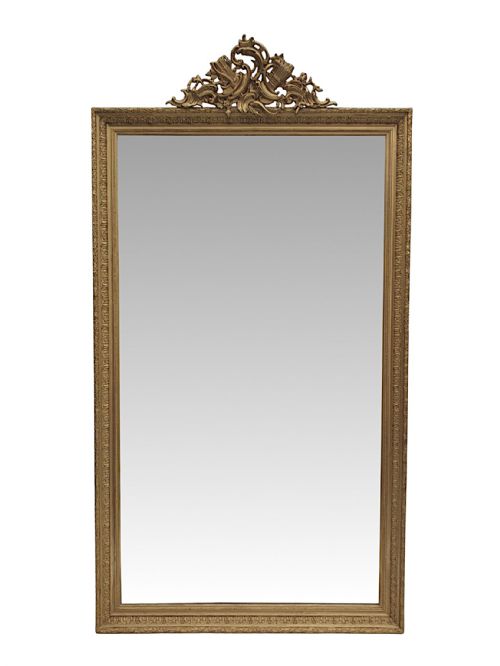
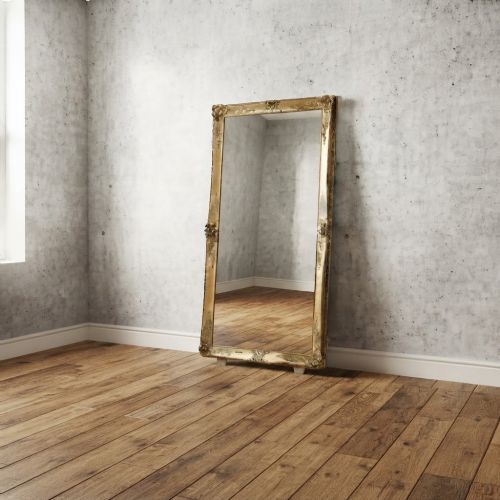
Gilded Rococo Wall Mirror
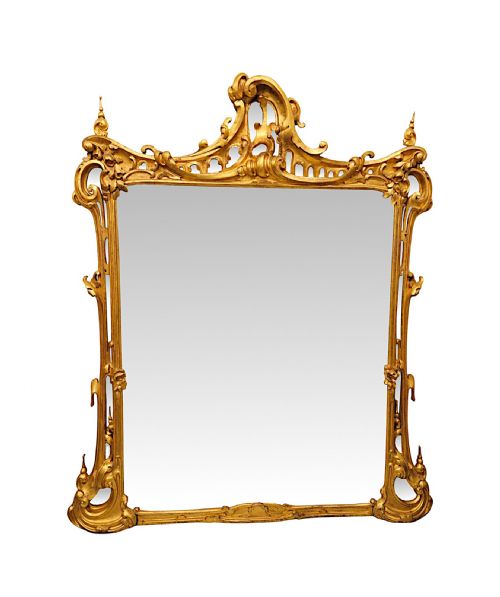
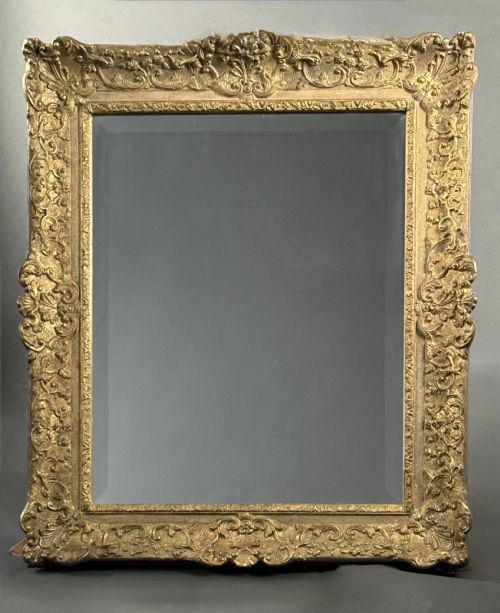
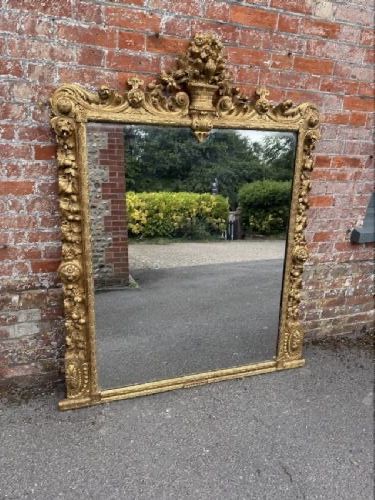
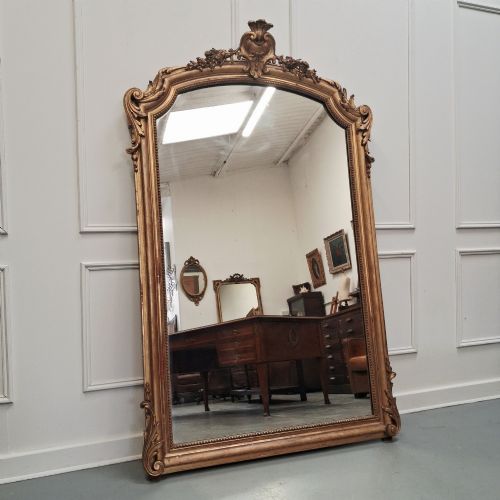
When you want a gilded rococo wall mirror, you are looking for exuberant carved frames that bring dramatic depth and reflective light to a room.
Gilded Rococo Wall Mirror
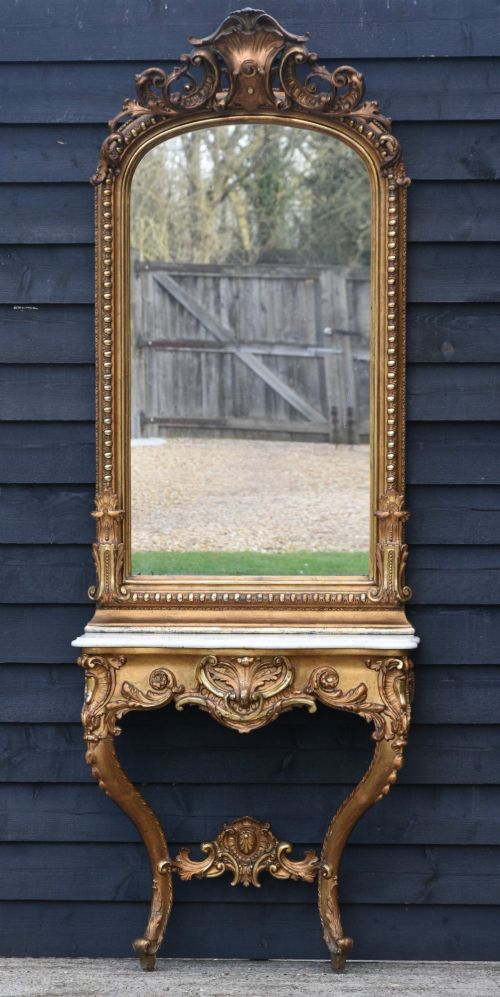
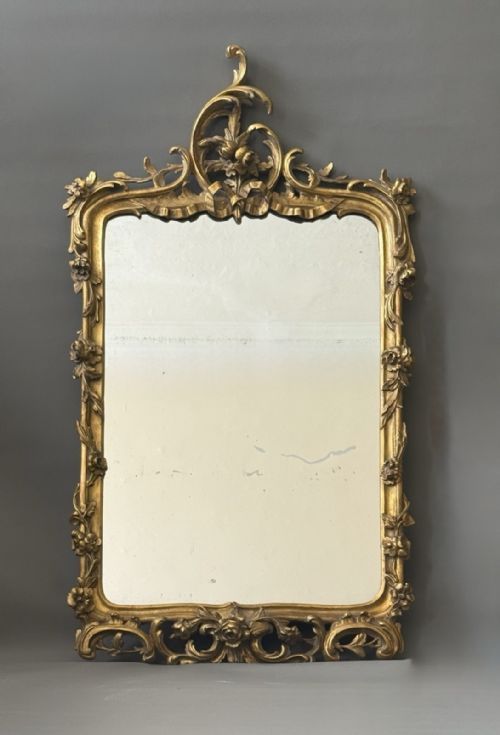
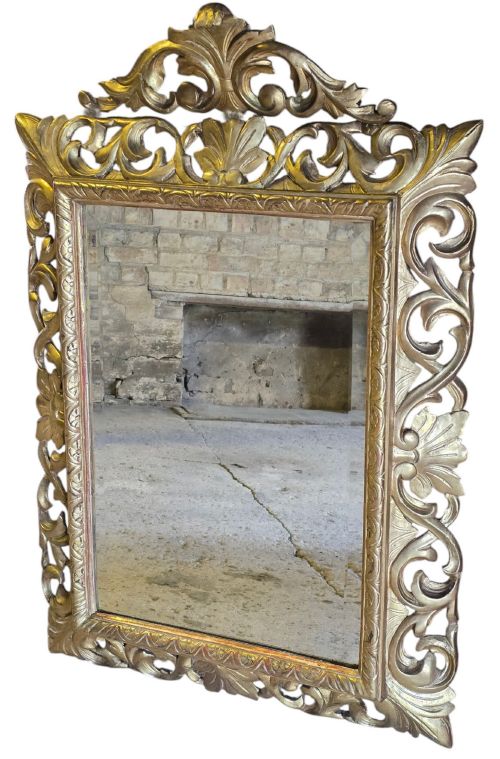
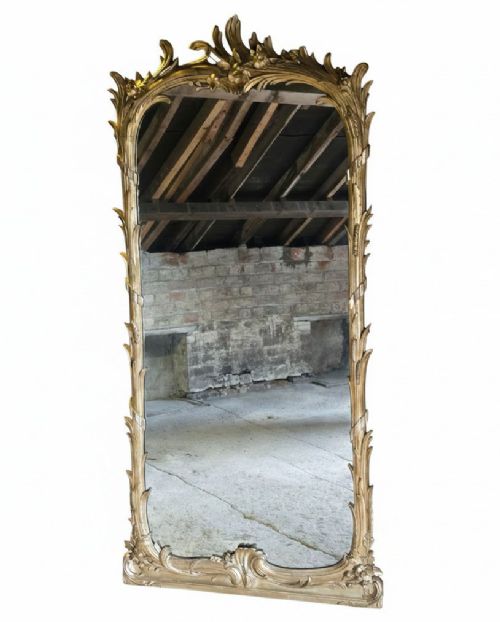
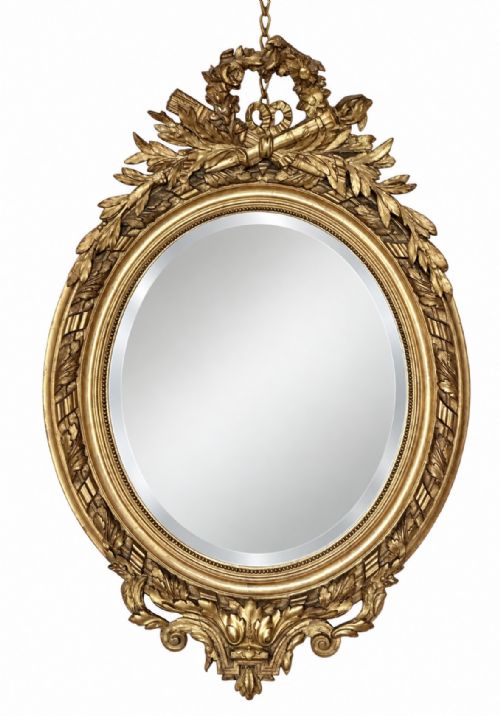
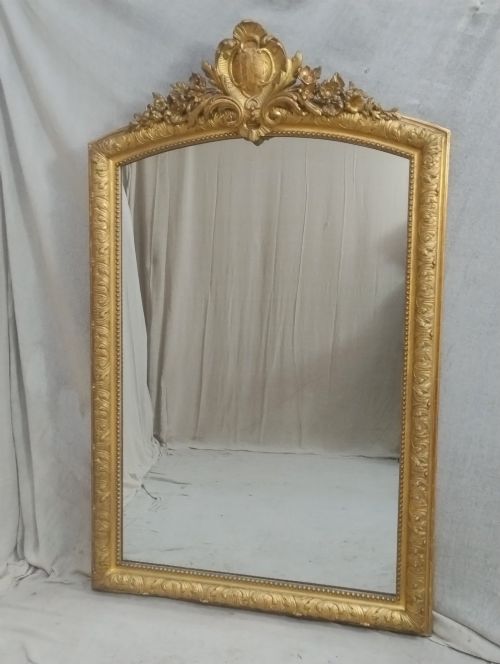
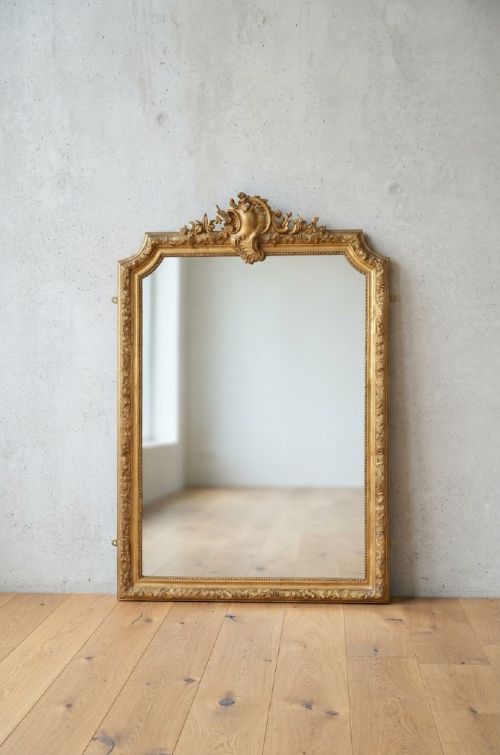
A gilded rococo wall mirror encompasses large overmantel pieces, grand leaner mirrors, and tall pier glasses designed to command a room. The items you meet most often on this page hail from the nineteenth century, reflecting the enthusiasm for revival styles across France, Italy, and England.
Makers and craftsmen of the period drew upon French rococo, Italian rococo, and Chinese Chippendale styles to shape elaborate frames with scrolling foliage, asymmetrical carttouches, and crested tops. Many examples incorporate original mirror glass, antique plates, or mercury glass with foxing that shows its age.
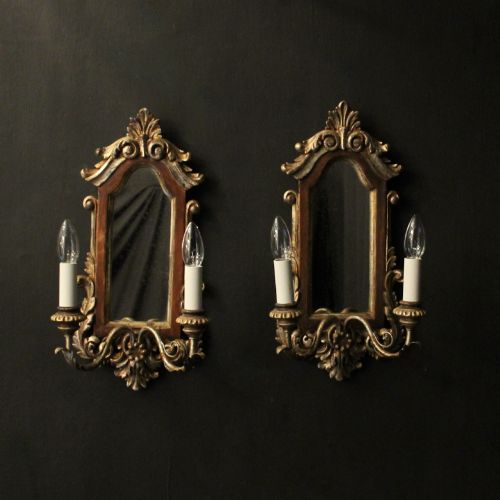
Beyond standard wall mirrors, the selection includes related forms such as console tables paired with pier mirrors, twin-arm girandoles, and trumeau mirrors inset with pastoral oil paintings. These pieces functioned historically to amplify natural daylight from windows and candle glow from girandoles within formal salons and drawing rooms.
How they were made
The construction of these frames relies heavily on carved wood, giltwood, and gesso moulded over a wooden substrate to build up high-relief scrollwork and ornamentation. Craftsmen applied gold leaf or composition leaf directly onto the prepared gesso surfaces, often burnishing the metal to achieve a brilliant metallic sheen.
Glass plates were silvered by hand in earlier periods, utilising techniques that produced deep, uneven reflections and characteristic age spots known as foxing. Later Victorian and Edwardian examples frequently introduced bevelled mirror plates held securely within heavy wooden or parcel-gilt rebates.
Gilded Rococo Wall Mirror Retail Price Guide 2026
Typical asking prices for gilded rococo wall mirror among the pieces listed under this phrase on Sellingantiques today, from the lower quarter to the upper quarter. They describe what is for sale here now, not the wider market.
Pastoral oil paintings tucked above nineteenth-century mirrors let you own a landscape and check your hair simultaneously.
What varies in quality
The distinction between average and exceptional pieces rests upon the depth and crispness of the carved detail in the wooden or gesso frame. Superior examples display spirited hand-carving where the asymmetry and C-scrolls of the rococo style remain sharp and well-defined rather than rounded or sluggish.
Originality of the components plays a significant role, particularly the retention of the original antique glass plate or mercury mirror plate rather than a modern replacement. The quality of the gilding itself - whether layered gold leaf or heavier composition - determines how gracefully the surface ages over centuries.
The Gilded Rococo Wall Mirror Glossary
- Gesso
- A plaster-like mixture applied to wood frames as a base for gilding. It is built up in layers and carved or moulded to form intricate decorative relief.
- Mercury glass
- A type of double-walled glass silvered between the layers with a mercury amalgam, common in older mirrors. It produces a misty, atmospheric reflection with dark spots.
- Trumeau
- A decorative wall mirror fitted with a painted panel or oil painting directly above the glass plate. These were traditionally built into the wood panelling of French interiors.
- Girandole
- A branched wall-bracket or sconce holding candles, frequently attached to or designed to match a wall mirror. They project candlelight across the room to maximise illumination.
- Overmantel mirror
- A large horizontal mirror designed specifically to hang on the wall directly above a fireplace mantelpiece. They often feature extended frames and central cresting.
Gilded Rococo Wall Mirror: Frequently Asked Questions
Where should I hang an overmantel mirror?
These large horizontal mirrors are traditionally hung centrally above a fireplace mantelpiece, anchored securely to the wall studs to support their substantial weight.
Positioning them at this height allows the glass to reflect light from opposite windows and visually anchor the fireplace within the room.
What is foxing on mirror glass?
Foxing refers to the small dark spots, blemishes, and cloudy patches that develop on older mirror plates over decades as the silvering degrades.
Collectors prize genuine foxing on mercury glass plates as a clear indicator of age and authenticity rather than treating it as a defect.
How do I tell an 18th century mirror from a 19th century revival?
Eighteenth-century pieces typically feature hand-carved wooden construction with organic joinery and thinner, deeply bevelled mercury glass plates.
Nineteenth-century revival mirrors often employ heavier moulded gesso over pine frames, frequently displaying more symmetrical mass-production techniques alongside crisper gold leaf applications.