


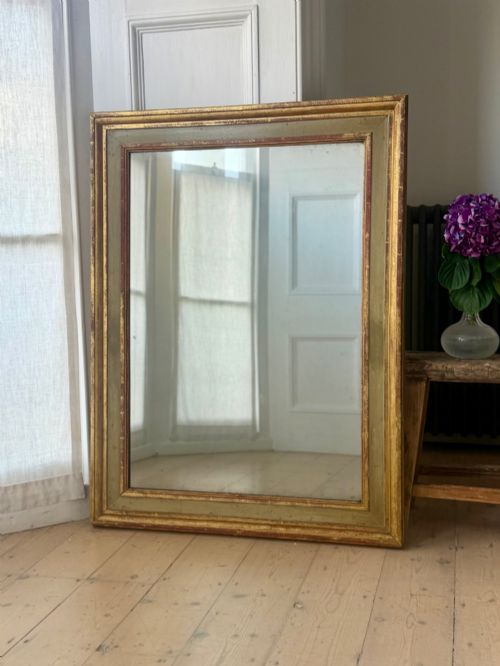
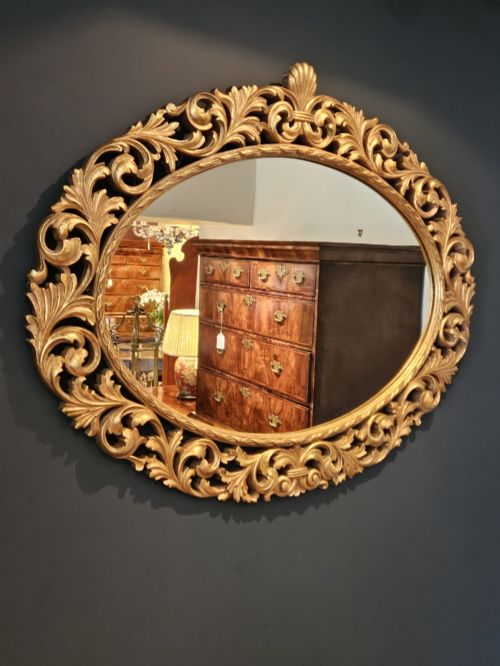
Large Giltwood Wall Mirror
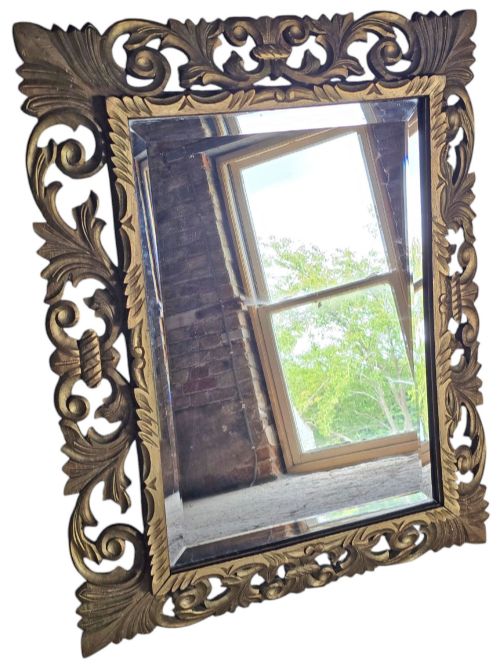
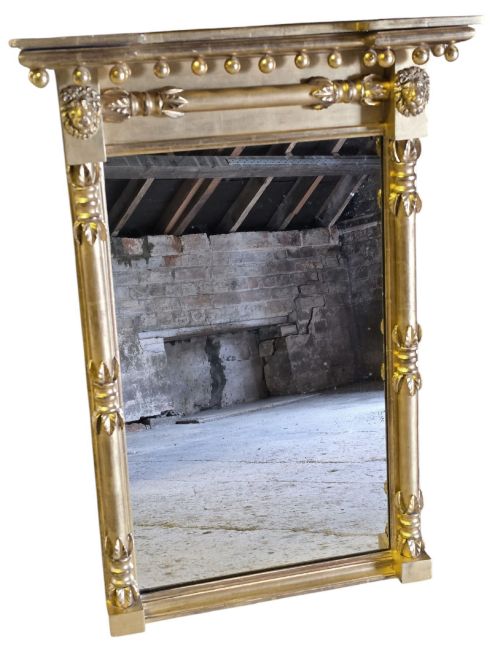
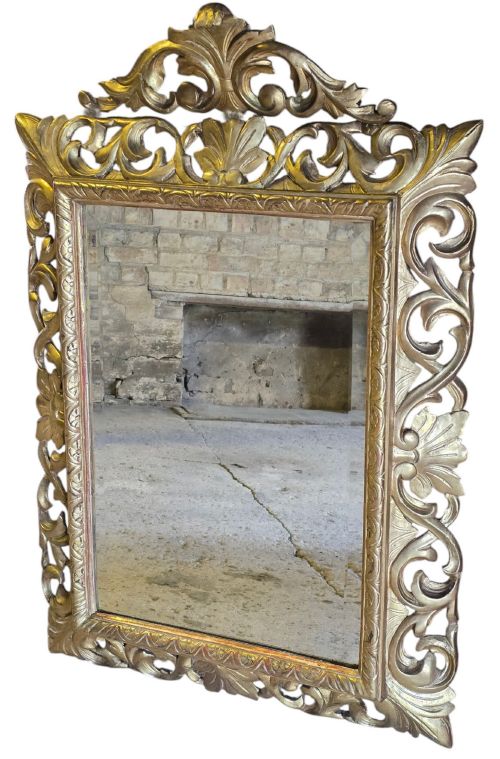
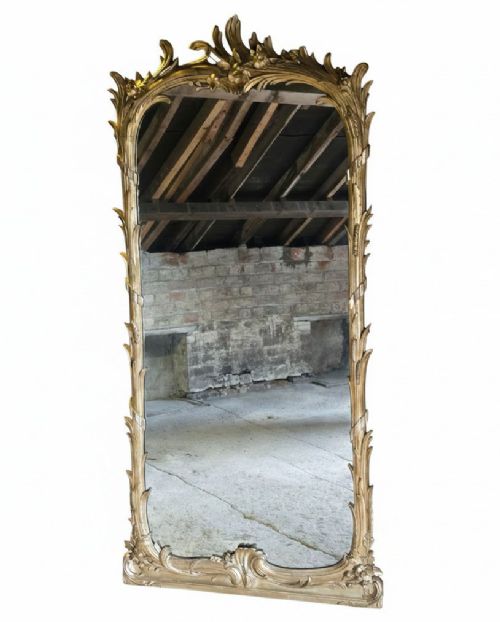
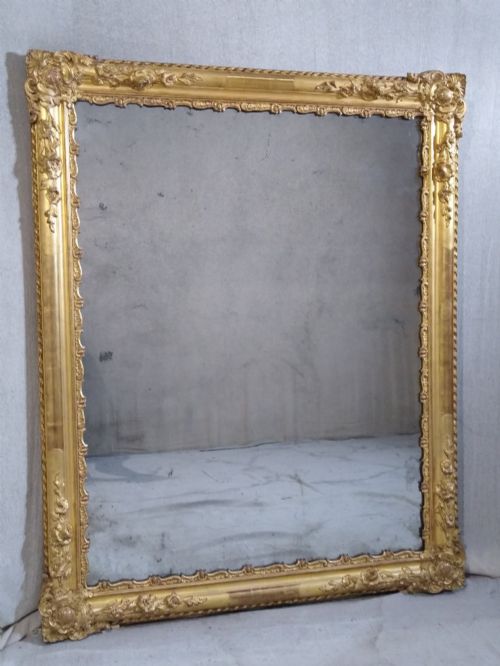
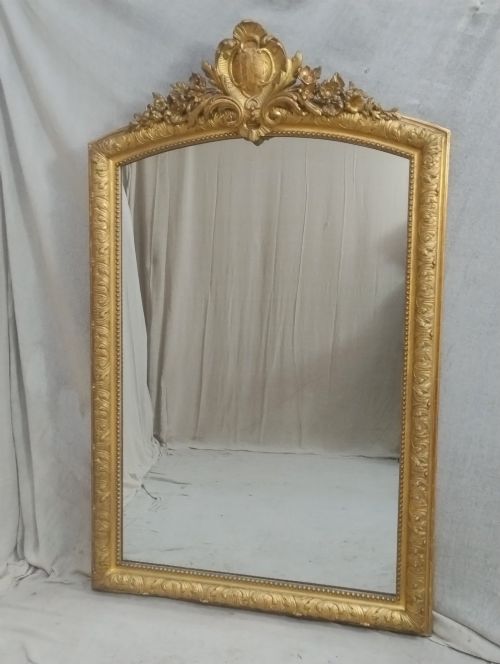
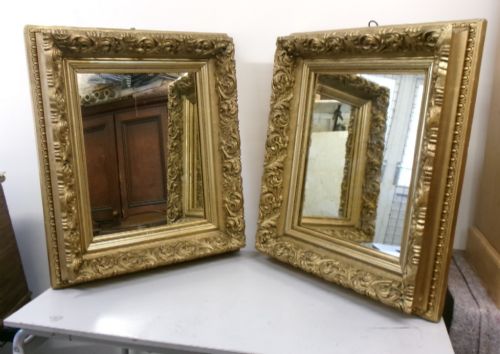
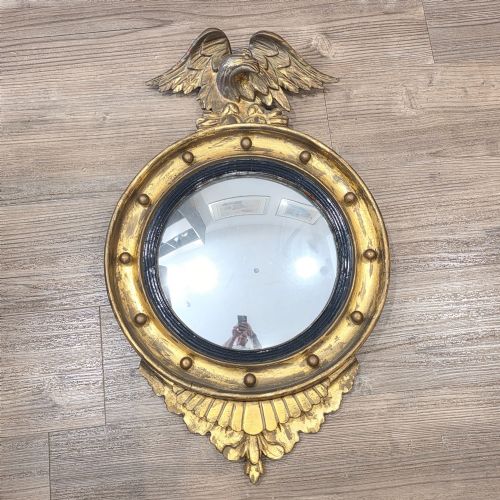
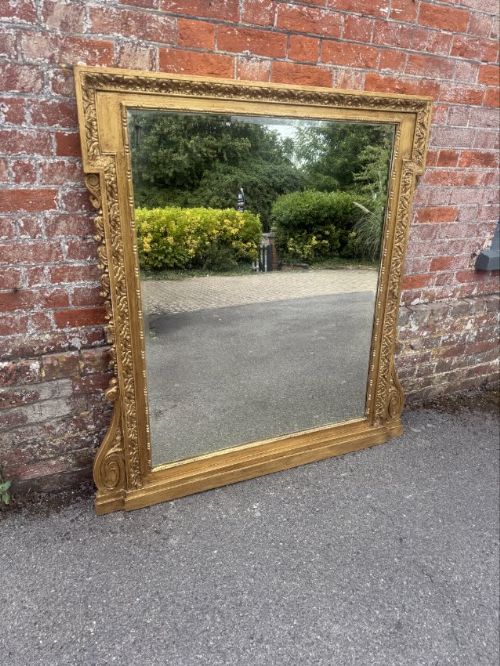
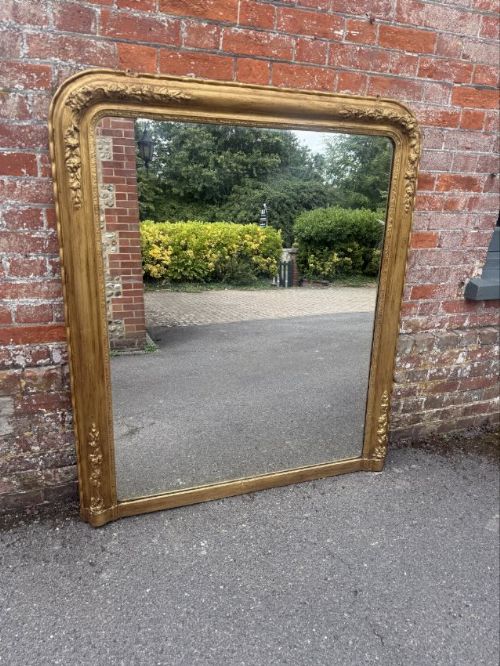
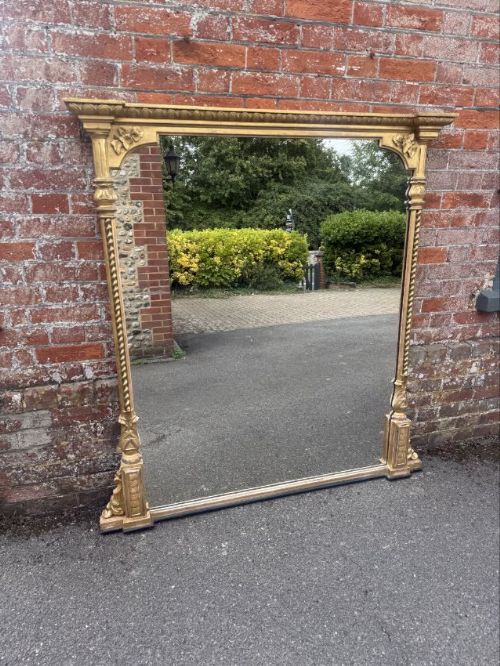
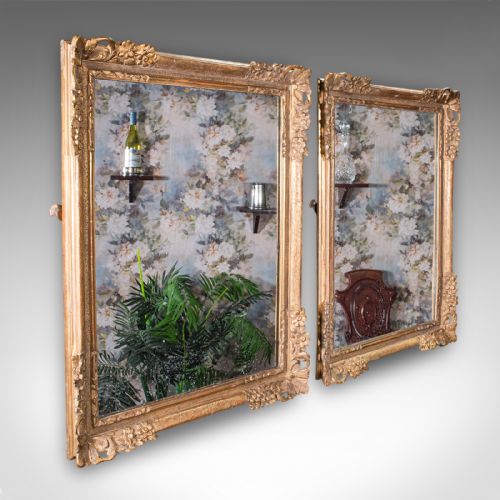
A large giltwood wall mirror brings commanding scale and reflective warmth to a room, drawing the eye with carved ornamentation and gilded surfaces.
Understanding large giltwood wall mirrors
When you search for a large giltwood wall mirror, you encounter pieces designed to dominate a room, often hung above mantels or principal walls. The selection spans the eighteenth and nineteenth centuries, including distinct stylistic revivals such as George III, Rococo, and Louis Philippe.
Overmantel mirrors form a prominent category within these listings, built specifically in horizontal or tall formats to sit above fireplaces. Alongside these, vertical wall mirrors and architectural floor-standing examples appear, originating from English, French, and Italian workshops.
The frames serve as statement pieces, combining functional glass with heavy decorative wooden structures. Many pieces display ornate floral motifs, cartouche shapes, or rope twist designs reflecting specific historic revivals.
Assessing quality in antique frames
The depth and crispness of the hand-carved wooden elements dictate the visual hierarchy of these mirrors. Superior examples display sharply defined floral motifs, scrolls, and structural moulding rather than soft or blurred composition ornament.
The integrity of the original gilt surface and the character of the glass plate separate standard production from exceptional survival. Cohesive ageing across the gilding and authentic plate oxidation demonstrate historical depth without compromising the decorative impact.
Retail Price Guide 2026
Typical UK retail prices for large giltwood wall mirror, calculated from the Sellingantiques database of over a million retail prices indexed since 2003. This retail price guide relies exclusively on Sellingantiques data; no external sources or auction records are used, so the figures do not describe the wider market.
Several mirrors include original mercury plates, offering centuries-old reflections that have quietly watched generations of drawing rooms come and go.
The Large Giltwood Wall Mirror Glossary
- Giltwood
- Wood that has been coated with gold leaf or a metallic gilt finish. This surface treatment provides the bright, reflective appearance characteristic of formal period frames.
- Gesso
- A plaster-like mixture applied to the carved wooden frame as a smooth base for gilding. It allows artisans to shape intricate relief details before applying gold leaf.
- Composition
- A moulded material made from Whiting, oil, resin, and glue, often pressed into decorative ornaments for frames. It was widely used alongside hand carving to build complex surface patterns.
- Overmantel mirror
- A large mirror specifically proportioned to hang above a fireplace mantel. These pieces are frequently horizontal or oversized to span the width of the chimney breast.
- Mercury plate
- An older type of mirror glass produced using a tin and mercury amalgam. This technique creates a distinctive mottled and reflective depth unique to antique mirrors.
- Cartouche
- An ornamental frame or tablet motif resembling a scrolled scroll of paper or parchment. It frequently appears as a central decorative element on continental wall mirrors.
Frequently Asked Questions
What is the difference between an overmantel and a wall mirror?
Overmantel mirrors are proportioned specifically to sit horizontally or vertically above a fireplace opening, designed to anchor the visual weight of a hearth. Standard wall mirrors follow independent dimensions intended for general room placement.
While both share giltwood construction and ornamental carving, overmantels often feature a flatter base or specific frame geometry to rest securely near mantel shelves.
How should I clean an antique gilt surface?
Dust giltwood frames gently using a soft, dry brush or feather duster to remove surface particles without disturbing the delicate gold leaf or gesso layers. Avoid commercial cleaning sprays, water, or abrasive cloths that strip or soften the historic finish.
Glass plates can be wiped with a standard glass cleaner applied to a cloth rather than sprayed directly onto the glass, preventing liquid seepage beneath the antique frame rabbet.
How do I identify a revival style frame?
Revival pieces borrow decorative vocabulary from earlier centuries, such as eighteenth-century Rococo or George III motifs, executed with nineteenth-century manufacturing methods. Look at the construction materials, such as composition ornaments combined with softwood or hardwood foundations, to date the manufacture accurately.
Stylistic cues like asymmetrical scrolls, floral garlands, and heavy crestings indicate whether a mirror follows French Louis Philippe, Baroque, or classical revival traditions.