

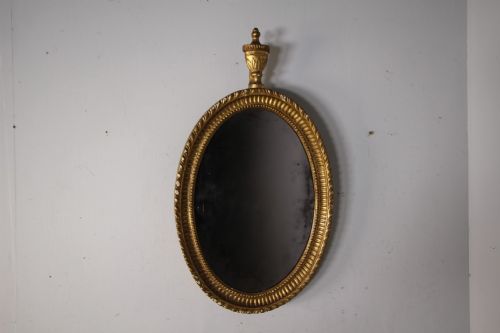
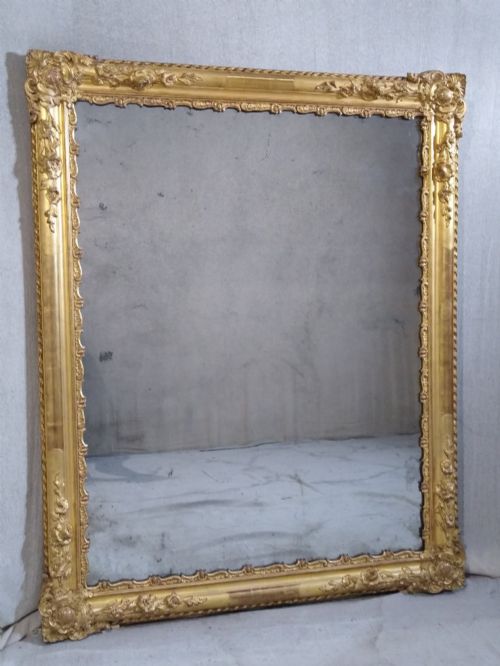
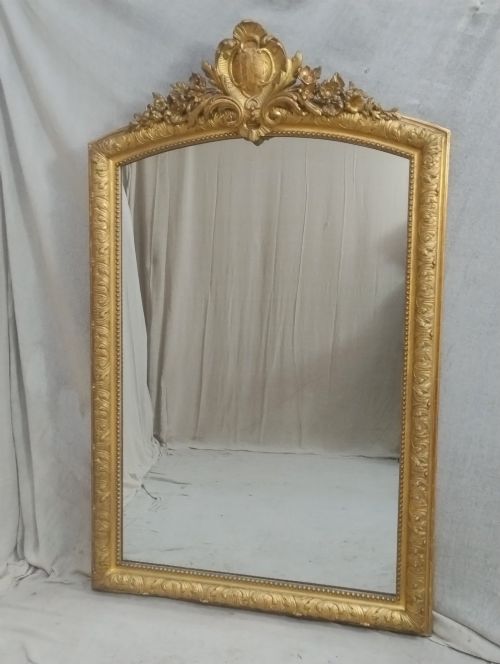


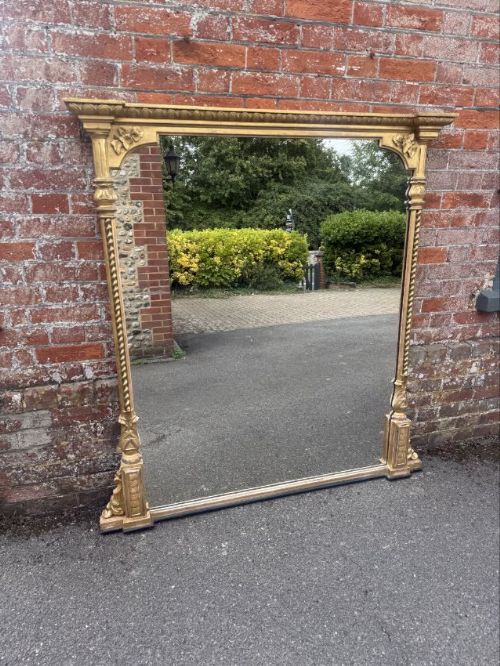

Carved Leaf Wall Mirror
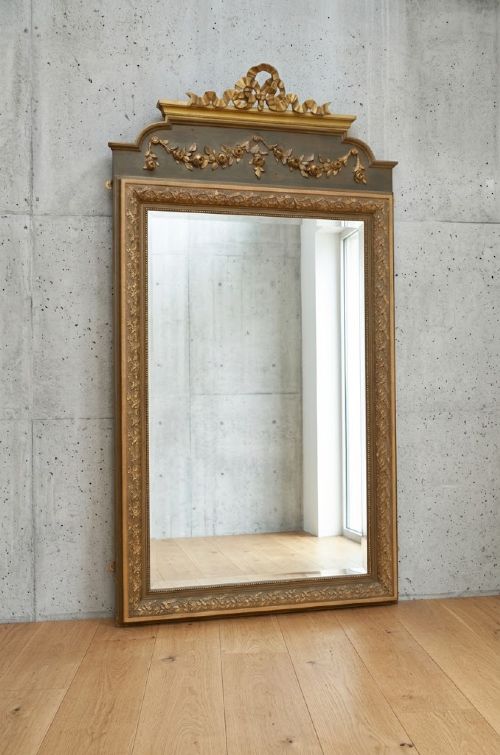
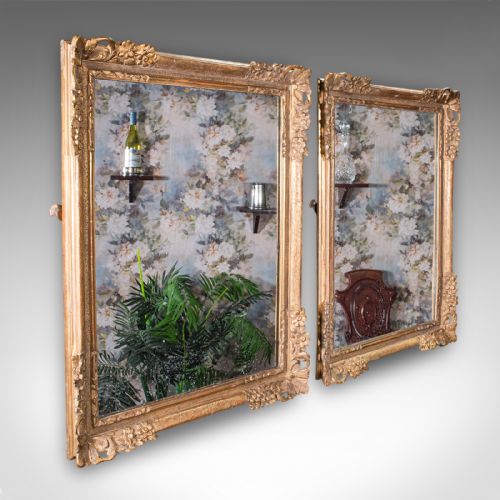
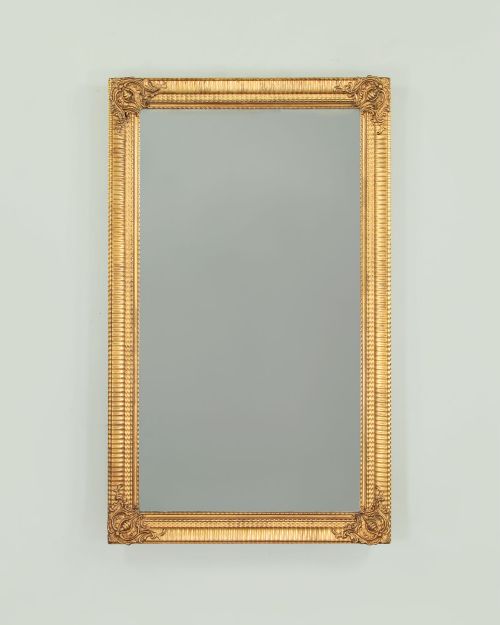
These gilded and carved leaf wall mirror pieces bring nineteenth-century French and English decorative presence to a room, offering reflective depth and intricate naturalistic ornamentation.
Carved Leaf Wall Mirror
A carved leaf wall mirror combines functional reflection with sculptural woodworking, drawing on eighteenth- and nineteenth-century design vocabulary. These pieces span wall mirrors, overmantel mirrors, and pier mirrors from English and French workshops.
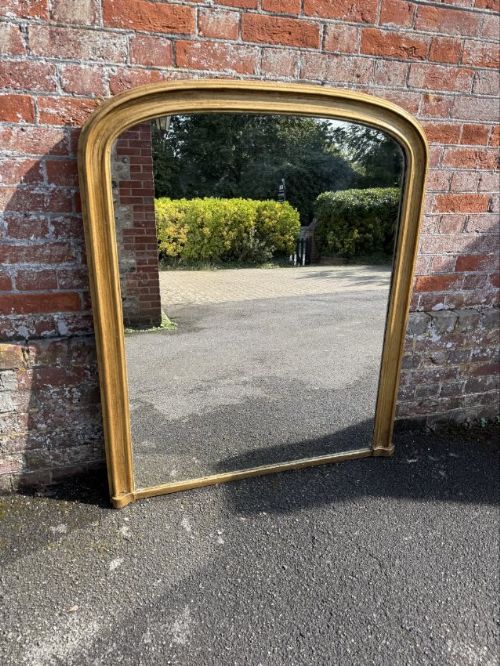
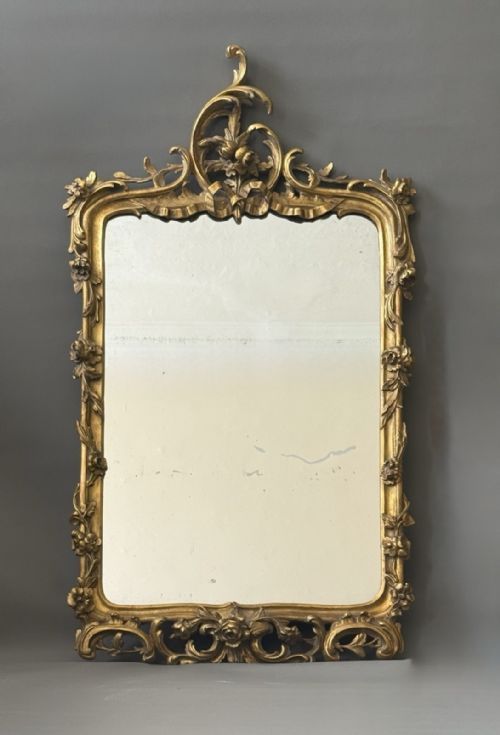
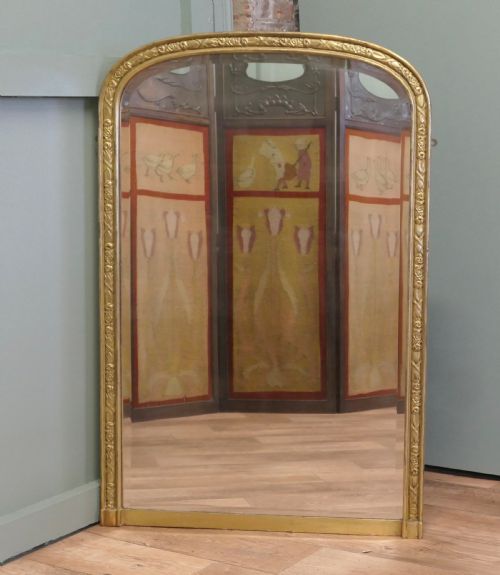
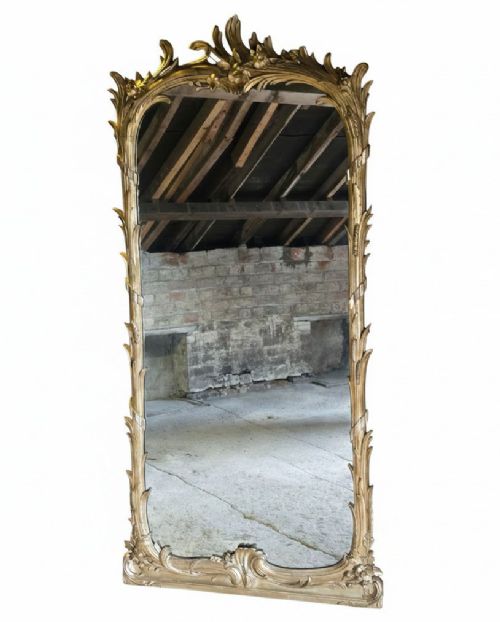
The prevalent forms on this page include large arched-top overmantels and tall pier glasses designed to sit above mantelpieces or between windows. Makers utilised styles such as Rococo Revival, Regency, and Louis Philippe to shape timber into elaborate foliate motifs.
How They Were Made
Carved timber forms provide the structural foundation, layered with gesso to create smooth surfaces for fine detail work. Artisans then applied gold leaf or paint over the composition mouldings to achieve a rich metallic finish.
Plates of mirror glass, sometimes bearing foxing or originating as antique mercury glass, are secured within frames constructed from wood and cast ornament. Rope twist details, acanthus leaves, and ribbon crests demonstrate the manual skill involved in joining and carving.
Carved Leaf Wall Mirror Retail Price Guide 2026
Typical asking prices for carved leaf wall mirror among the pieces listed under this phrase on Sellingantiques today, from the lower quarter to the upper quarter. They describe what is for sale here now, not the wider market.
What Varies in Quality
The distinction between ordinary and exceptional pieces lies in the crispness of the hand-carving and the depth of the gilding. Deeply undercut foliage and well-preserved gold leaf indicate superior craftsmanship compared to shallow, flat composition mouldings.
Original mirror plates with natural ageing contribute to desirability, whilst structural integrity in the wooden frame and gesso layers determines long-term stability. Scale also plays a role, with monumental overmantel mirrors requiring greater architectural balance.
The Carved Leaf Wall Mirror Glossary
- Giltwood
- Wood that has been coated with gold leaf. This finish defines many formal mirrors from the eighteenth and nineteenth centuries.
- Gesso
- A plaster-like mixture applied to wood frames. It provides a smooth base for intricate moulding and subsequent gilding.
- Overmantel Mirror
- A large mirror designed to hang above a fireplace mantel. These pieces often feature wide horizontal proportions and arched tops.
- Pier Mirror
- A tall, narrow mirror made to hang on the wall space between windows. They frequently incorporate painted or gilded wood frames.
- Foxing
- Age-related spots and discoloration on a mirror plate. This chemical reaction occurs behind the glass over many decades.
Carved Leaf Wall Mirror: Frequently Asked Questions
Where should I hang a large overmantel mirror?
These mirrors traditionally anchor the space directly above a fireplace mantelpiece, reflecting light across the room. Their substantial scale also suits them for placement above low sideboards or console tables in principal reception rooms.
Ensure the wall construction supports considerable weight, as carved wood and gesso frames combined with thick glass create heavy loads. Secure fixings into wall studs or use appropriate masonry anchors for safety.
How do I identify a Regency style mirror?
Regency pieces often display classical architectural restraint combined with bold decorative motifs. Look for elements such as column-framed sides, convex circular formats, or classical giltwood ornament dating from the early nineteenth century.
Proportions tend to be balanced and formal, reflecting the neoclassical tastes prevalent during the period. Materials frequently include carved wood finished with bright gold leaf.
What is the difference between gesso and carved wood?
Carved wood refers to the structural timber frame shaped directly by hand tools, whereas gesso is a liquid plaster compound applied to create relief details. Many antique frames combine both techniques, using a carved wooden base embellished with moulded gesso ornamentation.
Examining the crispness of edges and looking closely at relief work helps distinguish between hand-chiselled timber and cast composition material.
How should I clean an antique giltwood frame?
Dust the carved surfaces gently with a soft, dry brush to remove particles without disturbing delicate gold leaf layers. Avoid using water, chemical sprays, or abrasive cloths, which can strip historic finishes from the gesso.
For the mirror plate itself, apply glass cleaner sparingly to a cloth rather than spraying directly onto the glass, preventing moisture seepage into the antique backing.