

Vintage Gold Framed Mirror
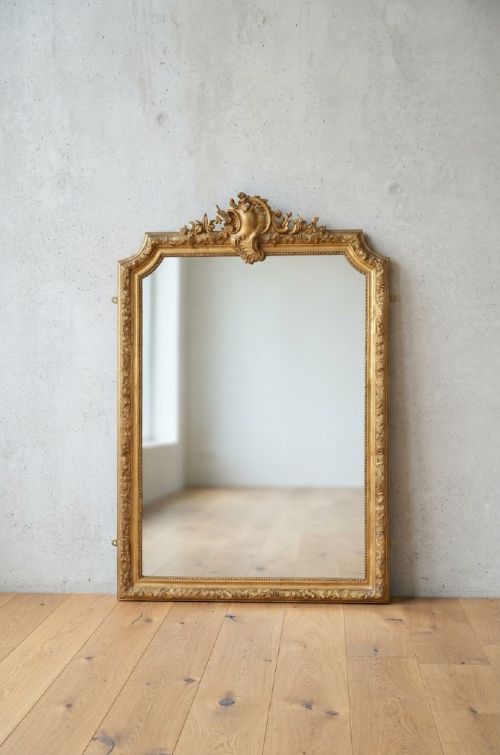
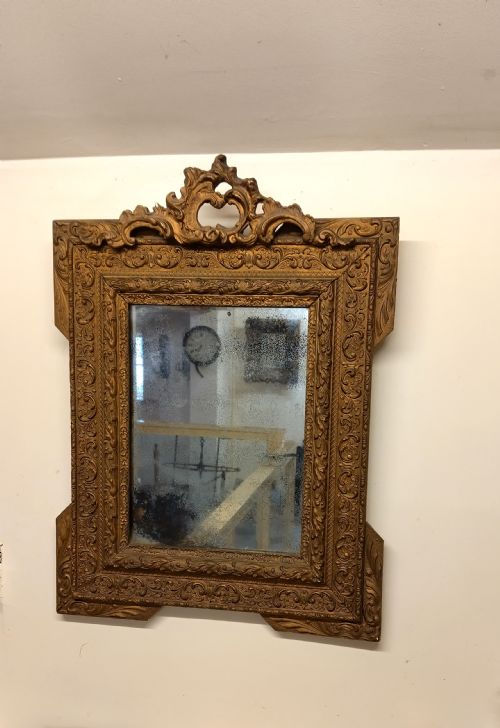
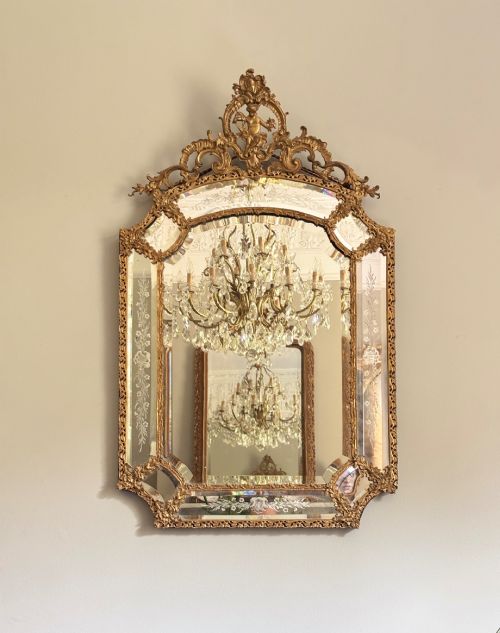
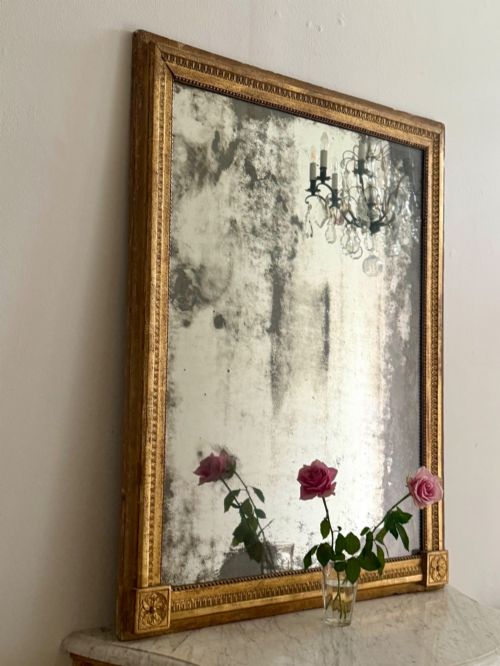
A vintage gold framed mirror brings reflective light and gilded warmth to a room, drawing the eye with period carved detail.
Vintage Gold Framed Mirror
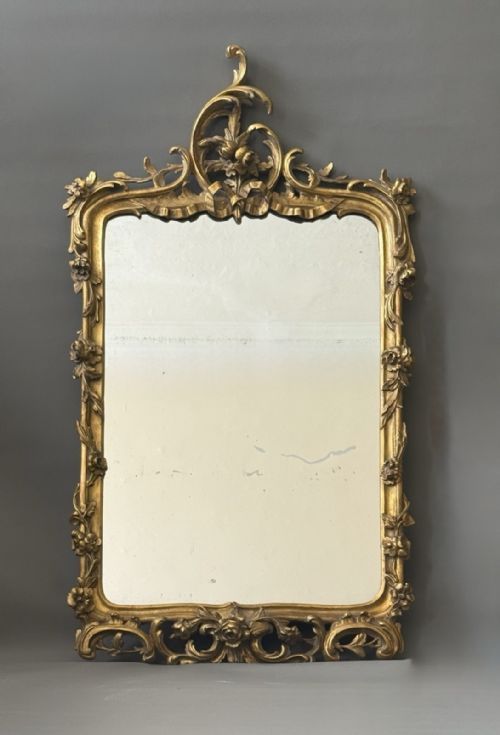
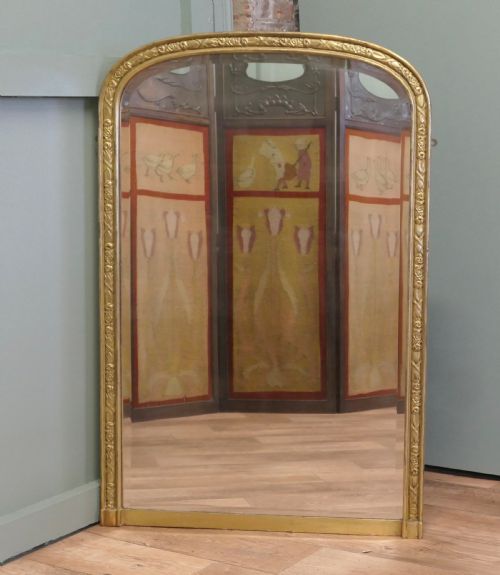
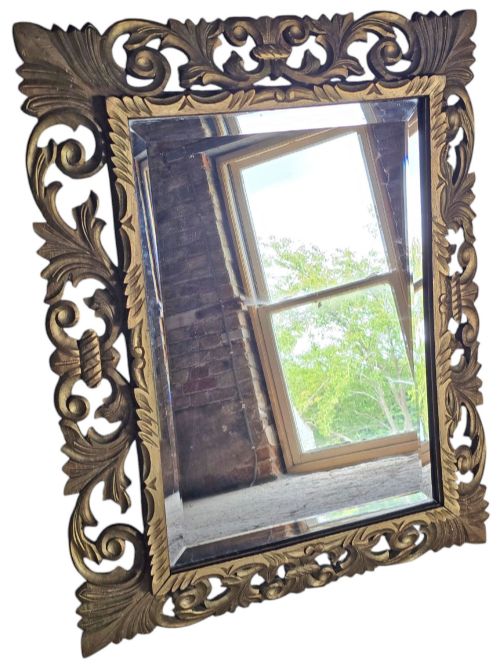
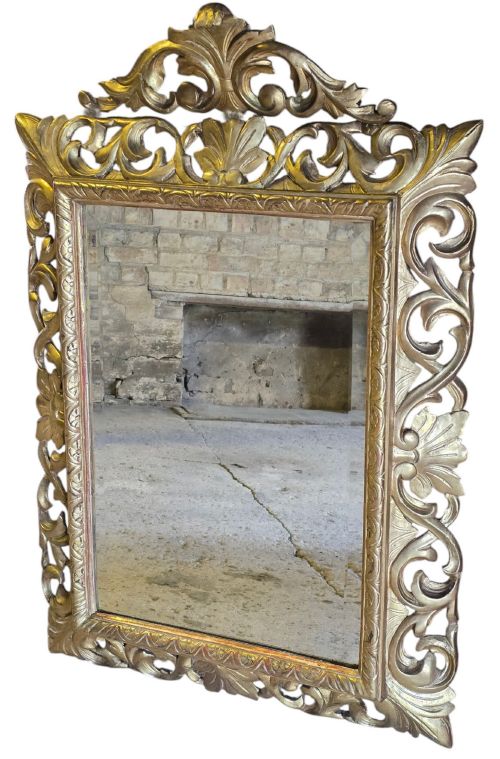
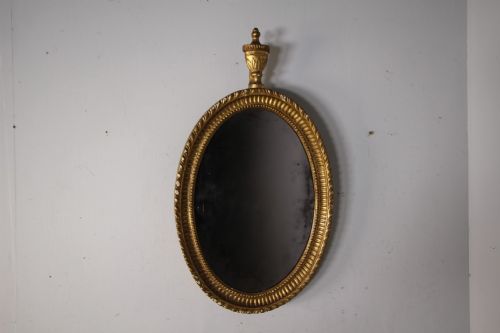
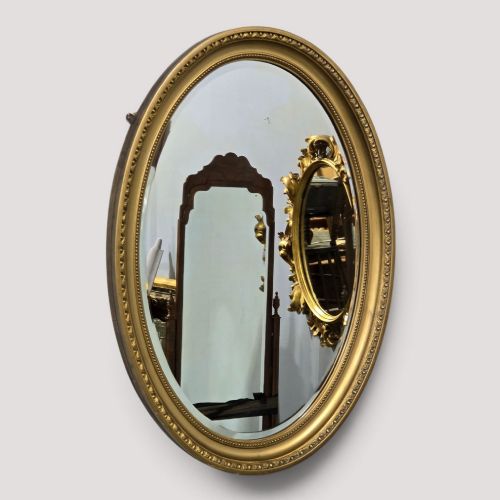
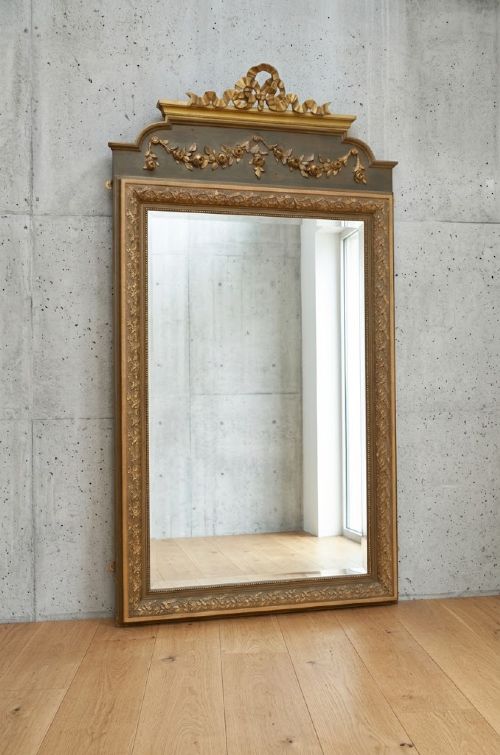
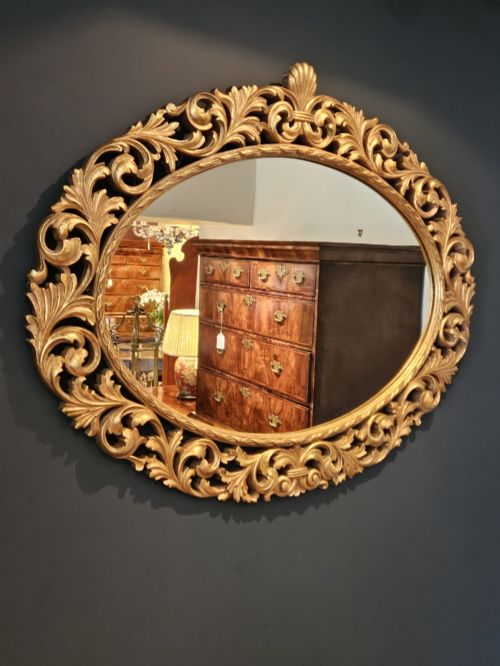
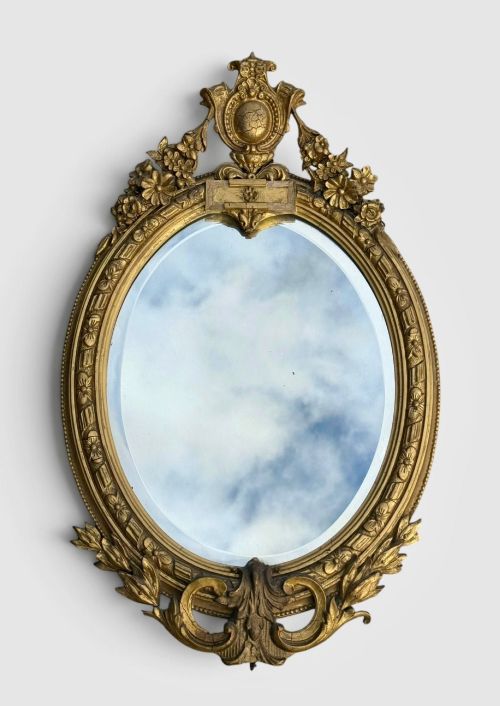
When searching for a vintage gold framed mirror, buyers encounter a diverse selection of wall-hanging, overmantel, and dressing mirrors dating from the eighteenth century through to the mid-twentieth century. The listings on this page lean heavily toward nineteenth-century French and English examples, alongside Italian Florentine and Rococo revival pieces.
Origins span French chateau styles, English carved timber designs, and ornate Italian gilded woodwork, providing options for both traditional interiors and eclectic modern spaces.
How they were made
Maker-craftsmen built these frames using timber cores of oak, walnut, or pine, upon which they applied layers of gesso and composition for moulding intricate relief decoration. Gold leaf or gilt paint was then laid over the prepared surfaces to achieve the characteristic metallic sheen.
Glass plates were silvered using traditional mercury methods in older examples, yielding the characteristic soft foxing and dark spots seen in eighteenth and nineteenth-century pieces, while later frames utilised bevelled glass.
Vintage Gold Framed Mirror Retail Price Guide 2026
Typical asking prices for vintage gold framed mirror among the pieces listed under this phrase on Sellingantiques today, from the lower quarter to the upper quarter. They describe what is for sale here now, not the wider market.
What varies in quality
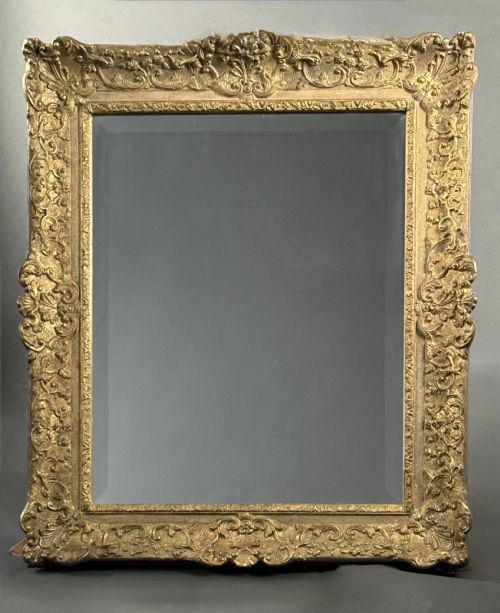
Quality rests upon the depth and crispness of the hand-carved detail in the wood and gesso, where deeply undercut acanthus leaves and ribbon crests distinguish superior work from shallow press-moulded substitutes. The integrity of the original gilding, whether genuine gold leaf or applied metal, dictates the richness of the surface patination.
The preservation of the original mirror plate also matters significantly, as authentic mercury glass with natural foxing carries historical value that replacement modern glass lacks.
The Vintage Gold Framed Mirror Glossary
- Giltwood
- Wood that has been coated with gold leaf or gold paint. This finish provides a warm, reflective surface that ages with a distinct patination.
- Gesso
- A plaster-like mixture applied to a wooden frame as a base for moulding and gilding. It allows for intricate sculptural relief work.
- Mercury glass
- Glass silvered using a mercury amalgam technique common in older mirrors. It produces a characteristic mottled reflection known as foxing.
- Overmantel mirror
- A large mirror designed to hang directly above a fireplace mantel. These pieces often feature wide horizontal proportions to command the wall space.
- Girandole
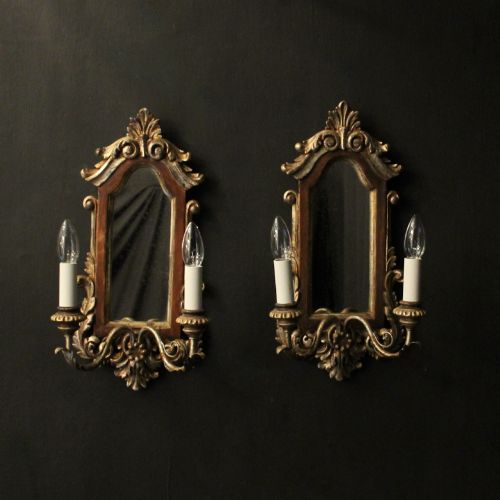
- A wall-mounted mirror equipped with attached candle sconces. The candle arms multiply the reflected light in a room.
Vintage Gold Framed Mirror: Frequently Asked Questions
How do I hang a heavy overmantel mirror?
Heavy overmantel mirrors require secure fixing directly into wall studs or masonry using heavy-duty brackets suited to the weight of the timber and gesso frame.
Professional installation is recommended to ensure the wall structure safely bears the load of large antique glass and carved wooden frames.
What causes foxing on antique mirrors?
Foxing occurs when moisture penetrates behind the glass plate over decades, reacting with the silvering or mercury backing to create dark spots and patches.
Many collectors prize this natural ageing process as evidence of authentic antiquity rather than a defect.
How do I date a vintage gold mirror?
Dating relies on examining the construction methods of the timber backing, the composition of the gesso, and the style of the carving, such as Rococo scrolls or Louis Philippe framing.
Examining the edges and back of the glass plate also offers clues regarding the manufacturing period.