


Carved Wood Gesso Mirror
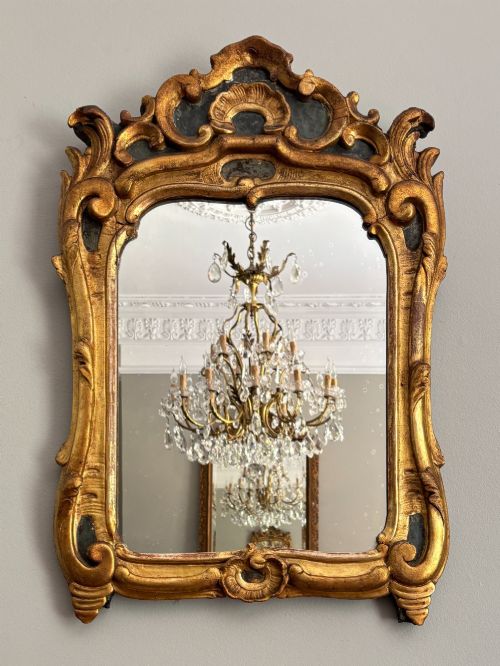
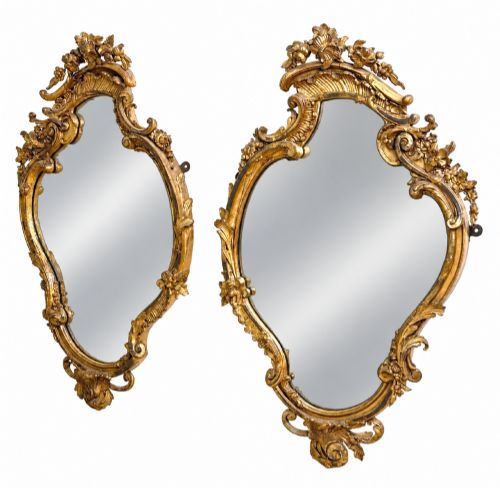
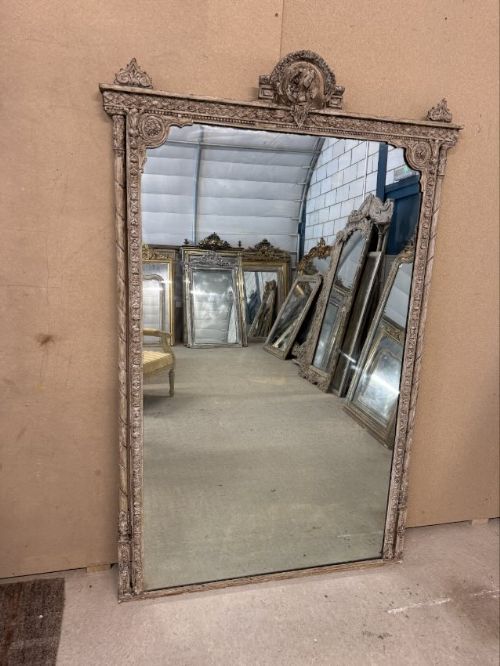
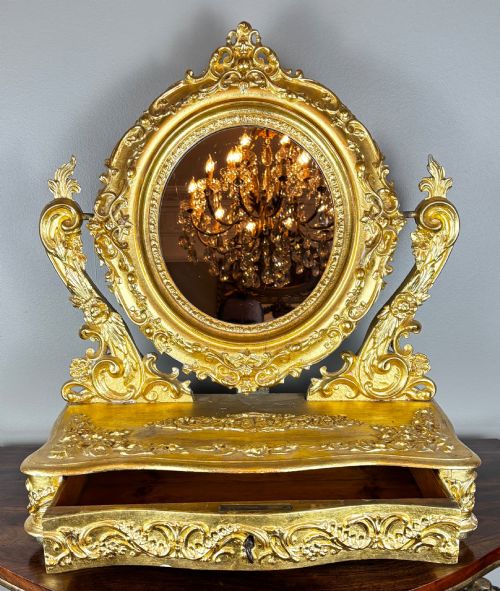
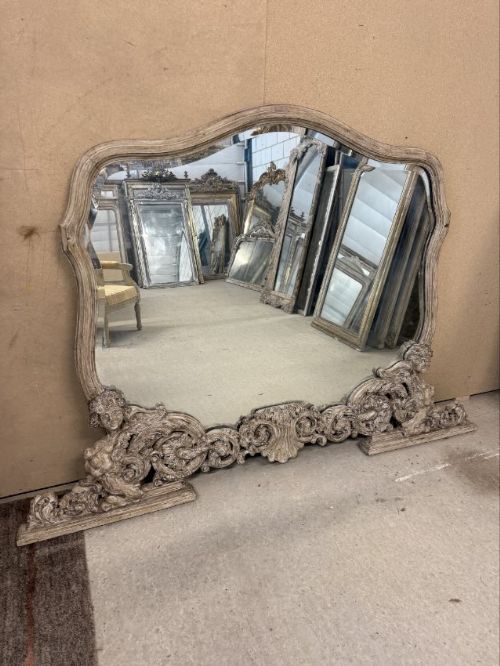
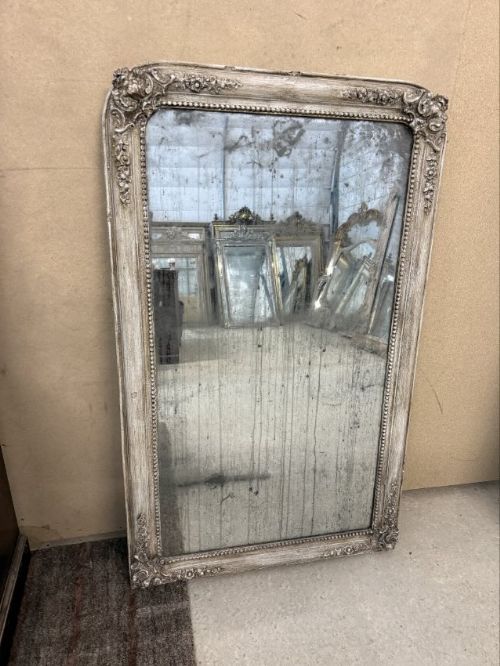
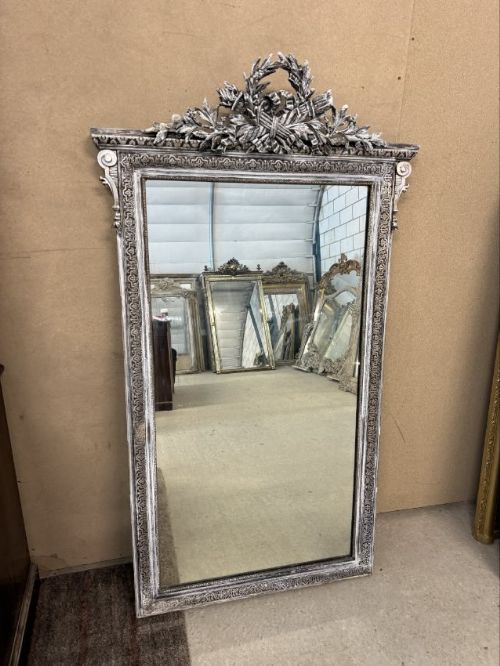
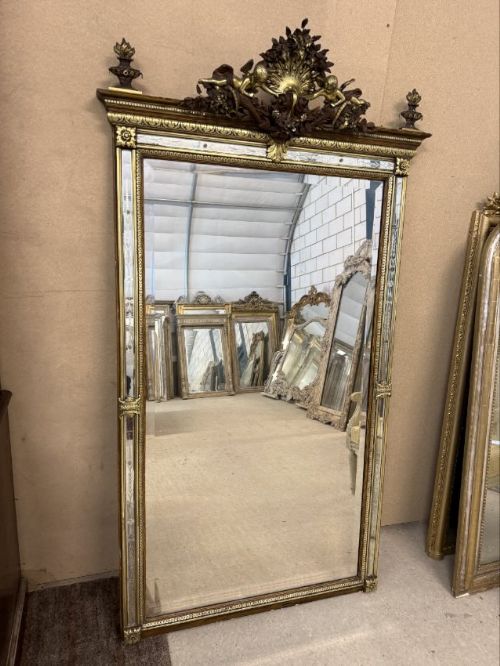
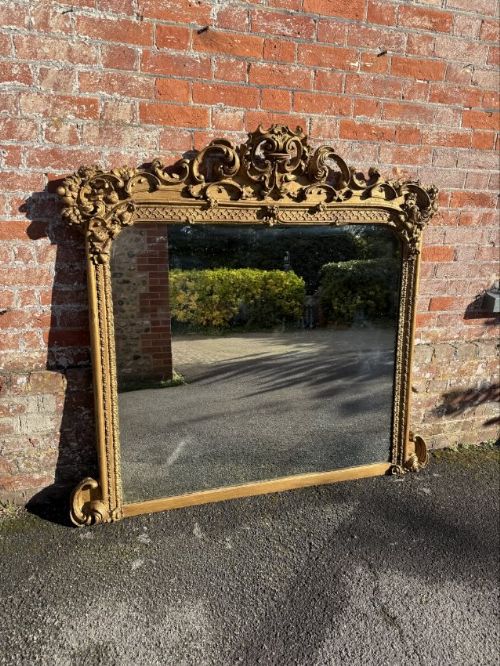
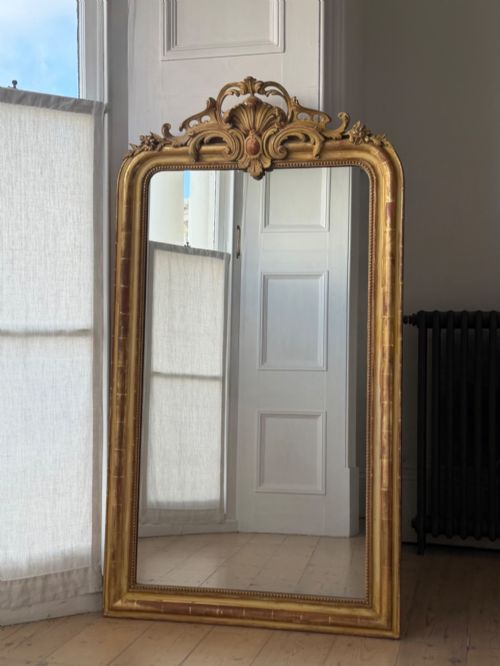
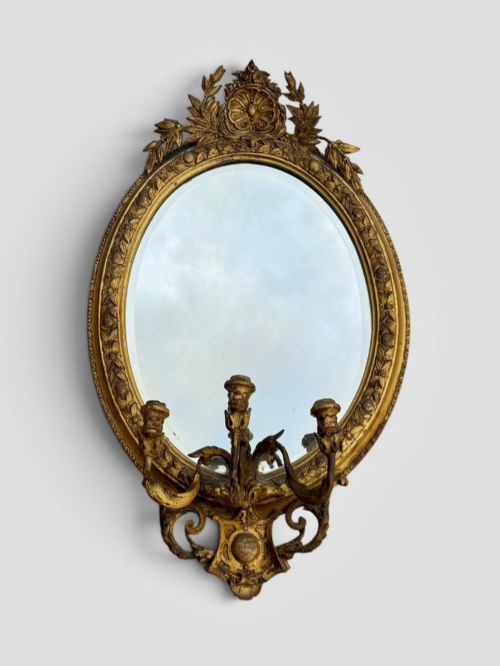
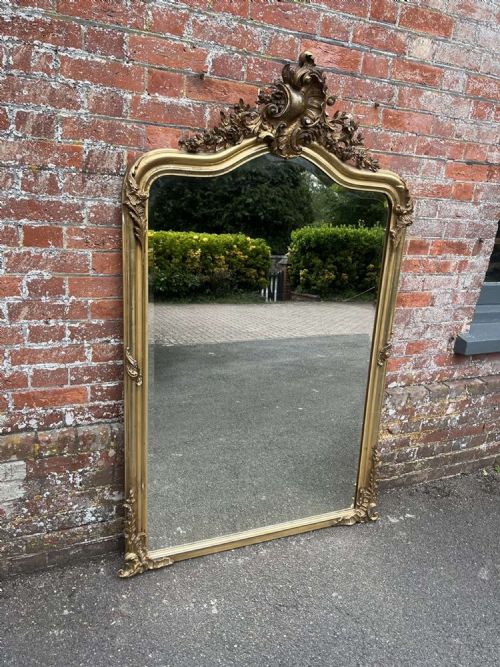
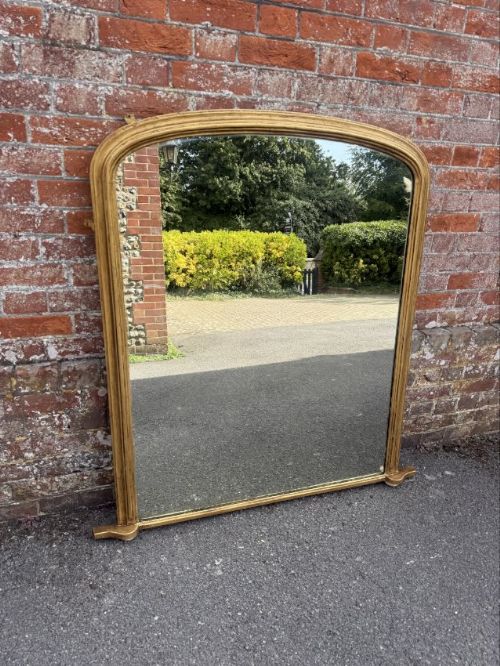
These pieces are a carved wood gesso mirror, combining heavy timber frames with sculpted plaster detail for domestic display.
Carved Wood Gesso Mirror
A carved wood gesso mirror forms a striking focal point in any room, commonly found in nineteenth-century English and French variants. These items serve primarily as overmantel mirrors, wall mirrors, pier mirrors, and occasional dressing or table mirrors.
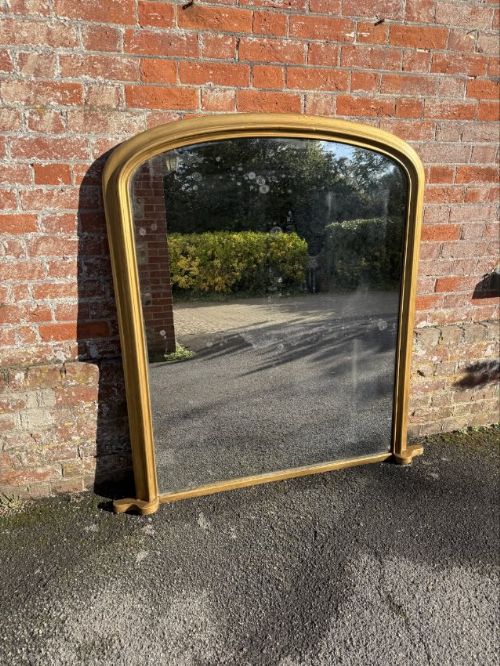
The buyer meets numerous arched top and shaped top designs alongside rectangular and oval formats. English examples lean toward grand overmantel proportions, while French pieces often display ornate frames suited for salon or chamber placement.
How They Were Made
Artisans built the structural foundations from carved timber, applying layers of gesso to the wooden base to build up relief details. This plaster mixture allowed craftsmen to model intricate scrollwork, rope twists, column effects, and floral motifs before finishing.
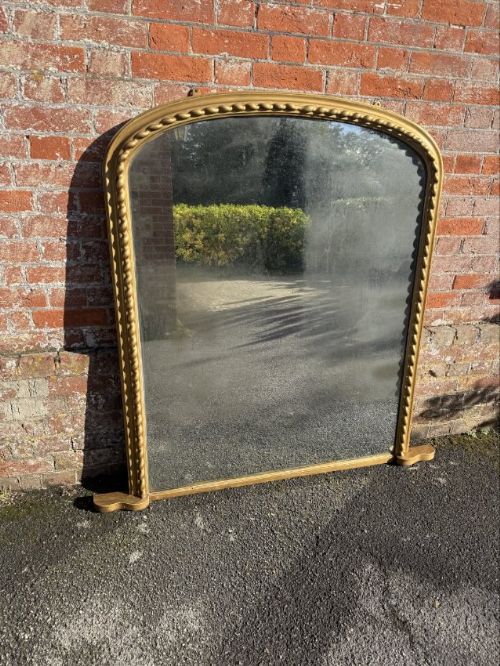
Surfaces received treatments of gold leaf, silver, or giltwood applications, sometimes combined with painted highlights. Mirror glass was then fitted into the prepared rebate, occasionally featuring foxed ageing from earlier centuries.
Carved Wood Gesso Mirror Retail Price Guide 2026
Typical asking prices for carved wood gesso mirror among the pieces listed under this phrase on Sellingantiques today, from the lower quarter to the upper quarter. They describe what is for sale here now, not the wider market.
Some nineteenth-century mirrors still hide faint chalk inscriptions left by frame-makers on their wooden backs.
What Varies in Quality
The depth and sharpness of the carved gesso relief dictate the visual impact of the frame. Superior items exhibit crisply defined edges and intricate motifs rather than soft, shallow moulding.
Original gilding and untouched painted surfaces elevate an example above later overpainting or re-gilt interventions. The integrity of the underlying wooden joins and the retention of early mirror glass further distinguish exceptional specimens.
The Carved Wood Gesso Mirror Glossary
- Gesso
- A plaster mixture applied to wood frames to create a smooth surface for gilding or deep relief carving. It provides the crisp sculptural detail seen on ornate antique borders.
- Giltwood
- Timber that has been coated with thin sheets of gold leaf over a prepared base. This technique delivers a warm, luminous metallic sheen.
- Overmantel Mirror
- A wide mirror designed specifically to hang on the wall directly above a fireplace mantelpiece. They dominated nineteenth-century domestic interiors.
- Pier Mirror
- A tall, narrow mirror made to hang on the wall space between two windows. These items often sat above low console tables.
- Foxed
- The natural degradation of the silver backing behind mirror glass, resulting in charming dark spots and mottled patches. Collectors prize this authentic sign of age.
Carved Wood Gesso Mirror: Frequently Asked Questions
Where should I hang an overmantel mirror?
These large mirrors sit naturally above a living room fireplace to reflect light and anchor the room's proportions.
Ensure the wall fixings securely support the substantial weight of the timber and gesso construction.
How do I clean an antique gesso frame?
Dust the ornate mouldings gently with a soft, dry brush to prevent damaging the fragile plaster and gilt surface.
Avoid liquid cleaners entirely, as moisture can soften the historic gesso and lift the gold leaf.
What is the difference between an English and French mirror?
English nineteenth-century examples frequently feature architectural overmantel formats with arched tops and column or rope twist borders.
French equivalents often display more exuberant Rococo or Louis Philippe styling with playful curves and painted accents.
Can I trust the mirror glass in these pieces?
Many items retain their original glass, which may show delightful foxing and minor imperfections developed over generations.
These optical irregularities confirm the historic nature of the glass rather than indicating a defect.