
Large Gilt Mantle Mirror
A large gilt mantle mirror brings scale, reflected light and heavy period character to a room.
Large Gilt Mantle Mirror
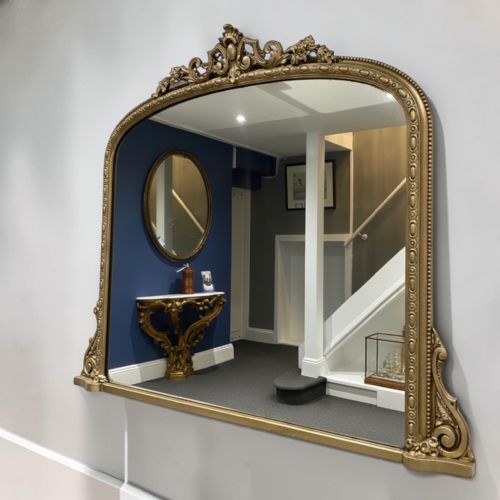
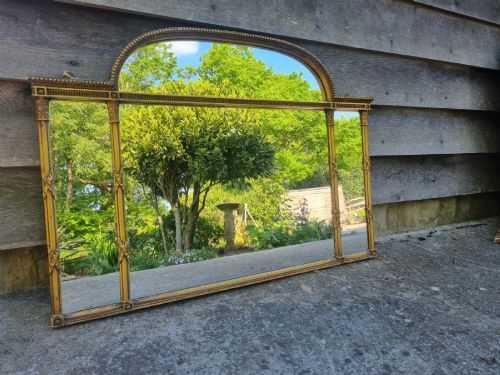
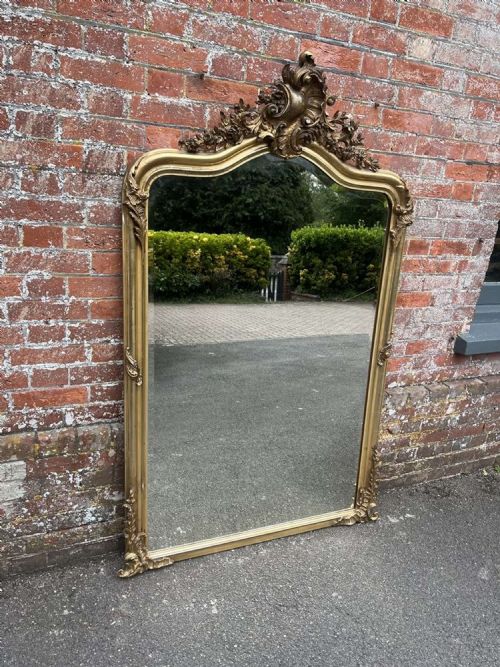
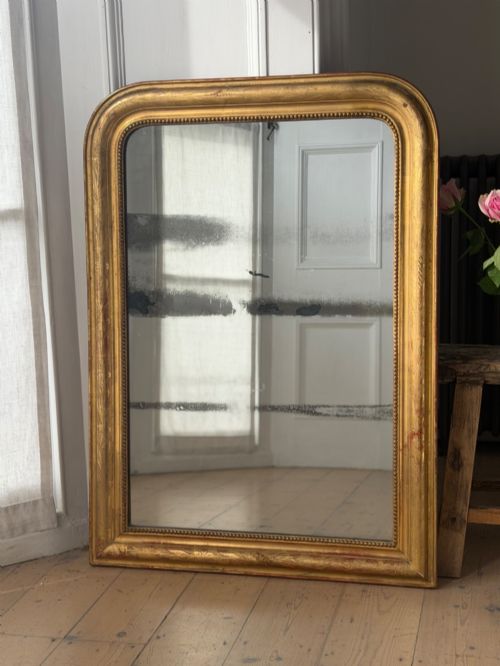
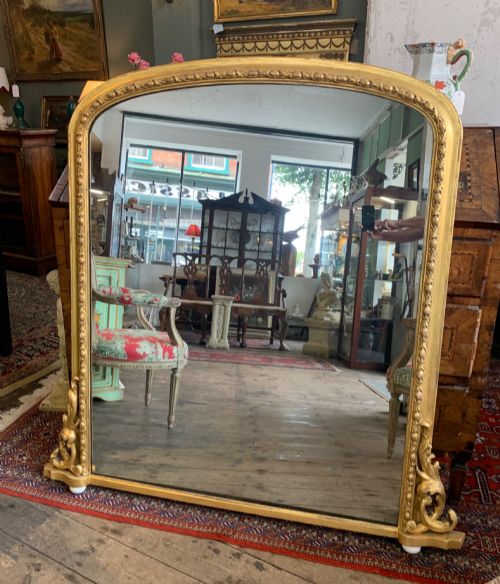
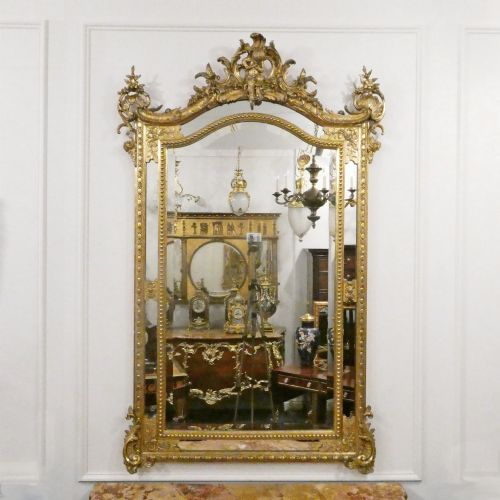
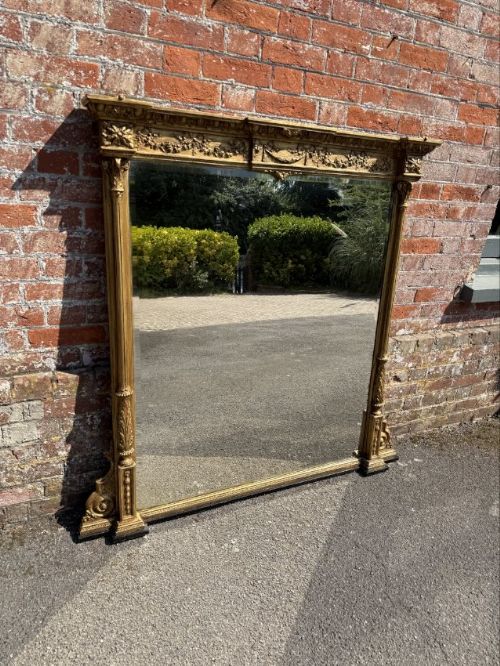
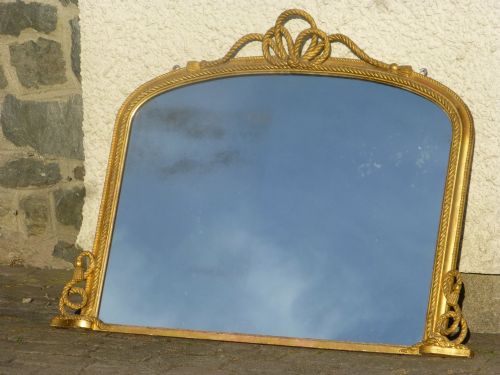
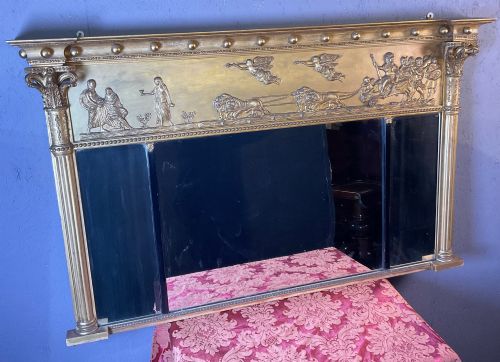
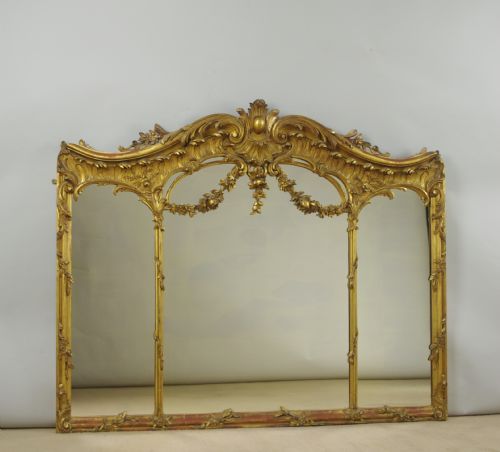
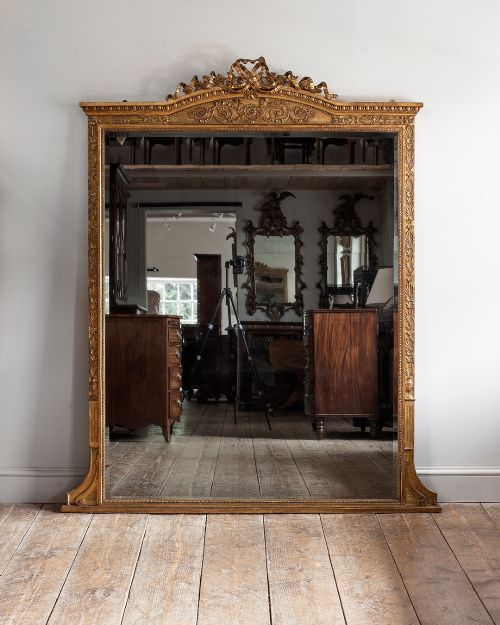
A large gilt mantle mirror is designed to sit above a fireplace hearth, anchoring the wall with substantial proportions and polished glass. These pieces span the Georgian, Victorian and Edwardian eras, with French Louis Philippe and Rococo influences frequently appearing.
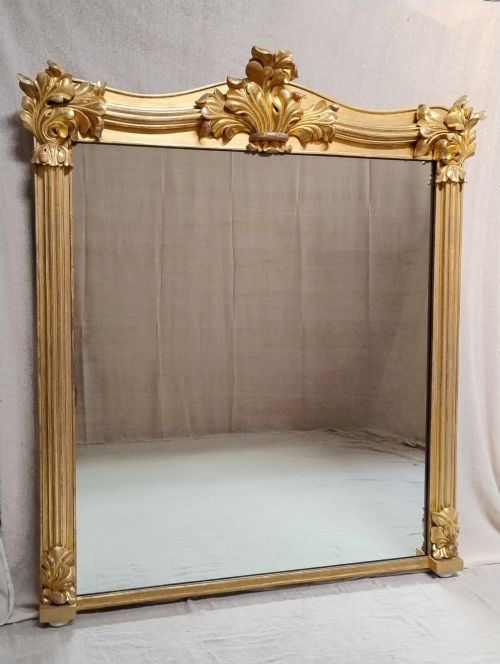
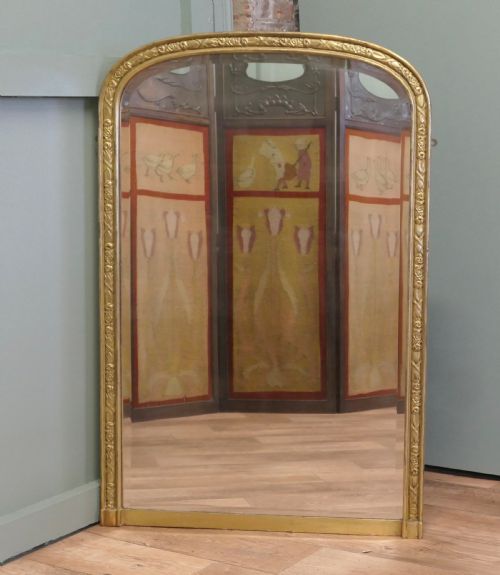
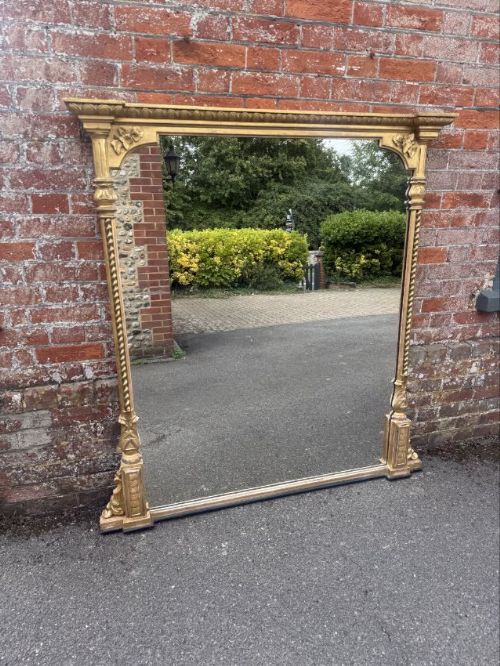
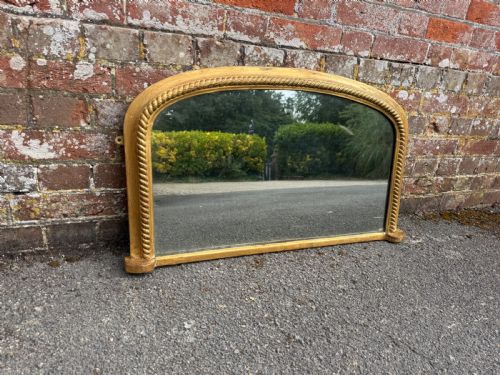
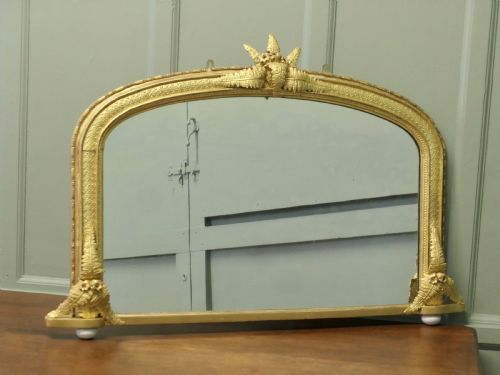
The overmantel format dominates this selection, often constructed with arched tops, rectangular frames or triple plates designed to reflect interior spaces. English carved wood and gesso examples alongside French wall mirrors make up the core of available stock.
How They Were Made
Makers built the structural frames from timber such as pine or hardwood, applying layers of gesso to create smooth surfaces for detailed ornamentation. Artisans carved rope twists, columns and ribbed patterns directly into the wood and composition material before gilding.
Gold leaf or liquid gilt was applied over the prepared ground to achieve a bright reflective surface, while the mirror plates themselves utilised mercury or traditional silvering techniques that sometimes display age spots.
Listings feature 19th-century Victorian and Georgian periods alongside French styles including Louis Philippe and Rococo.
What Varies in Quality
The depth and crispness of the carved gesso ornamentation separate standard decorative pieces from finer examples, as hand-tooled depth holds the gold leaf with greater nuance. Frames retaining their original gilding and uncompromised structural joins demonstrate superior preservation over time.
The condition of the glass plate introduces further distinction, where original bevelled or mercury glass with natural foxing offers authenticity compared to later replacement mirror plates.
The Large Gilt Mantle Mirror Glossary
- Gesso
- A plaster-like mixture applied to wooden frame bases to provide a smooth surface for carving and gilding. This compound allows intricate relief ornamentation to be moulded onto the timber.
- Overmantel
- A large mirror specifically proportioned to hang on the wall directly above a mantelpiece or fireplace. These pieces often feature horizontal emphasis or arched crowns to balance the hearth below.
- Giltwood
- Timber that has been coated with thin leaves of gold or metal leaf. This technique provides a durable, lustrous finish that catches natural daylight.
- Foxing
- The natural ageing process of mirror glass where oxidation creates dark spots or cloudy patches behind the reflective surface. Collectors often prize original foxed plates as evidence of high age.
- Rococo
- An ornate 18th-century design style characterised by asymmetrical scrolls, C-curves and naturalistic shell motifs. Revival pieces from the 19th century frequently adopt these exuberant flourishes.
Large Gilt Mantle Mirror: Frequently Asked Questions
How do I hang a heavy overmantel mirror safely?
Due to the substantial weight of carved wood and gesso frames combined with thick glass plates, these mirrors require secure fixing directly into masonry or heavy wall studs.
Professional mirror plates or hidden French cleats distributed evenly across the upper frame ensure the load is supported safely against the wall.
Are these mirrors meant to sit on the mantelpiece?
Many overmantel mirrors were historically designed with a flat base intended to rest directly upon the marble or wooden shelf of the fireplace surround.
While resting them on the mantel gives an authentic period placement, securing the upper section to the wall prevents accidental tipping.
What is the difference between an overmantel and a wall mirror?
Overmantel mirrors are traditionally wider than they are tall, proportioned specifically to match the horizontal expanse of a fireplace opening and mantel shelf.
Standard wall mirrors generally feature more balanced vertical or square dimensions suited for general room placement rather than anchoring a hearth.
How should I clean antique gilt frames?
Dusting the intricate gesso and carved wooden details requires a very soft, dry brush to avoid dislodging fragile historic gilding.
Water and chemical cleaning agents should be kept away from the gold leaf and the edges of the mirror plate where moisture can seep behind the glass.