


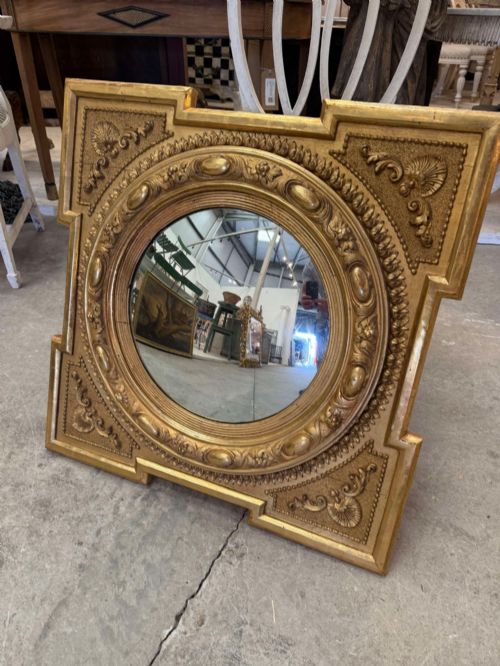
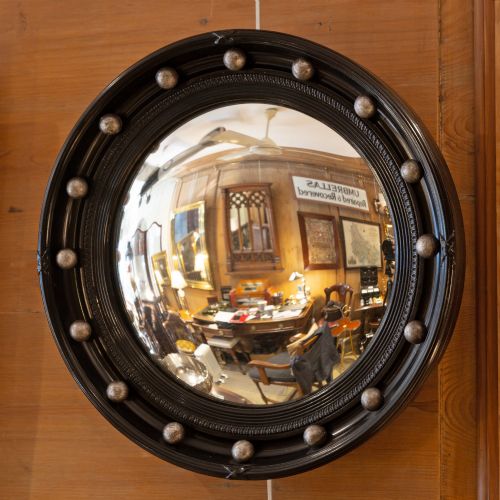
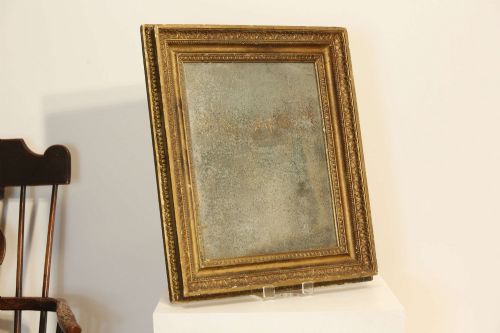
19th Century Framed Mirror
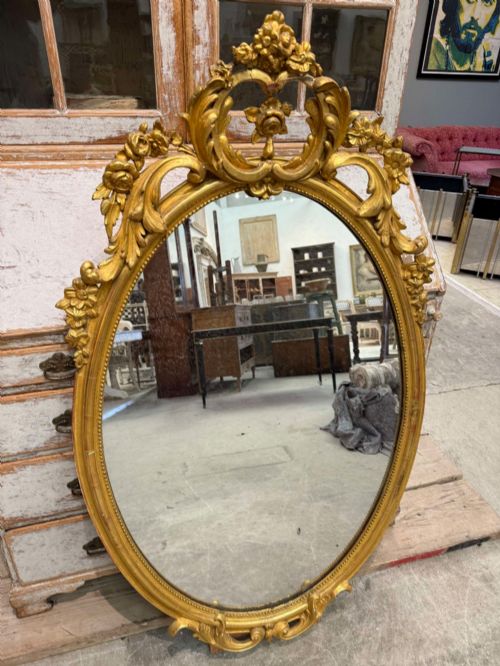
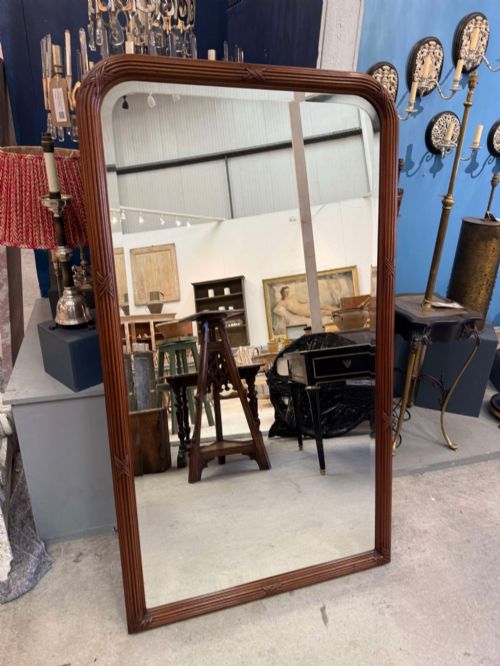
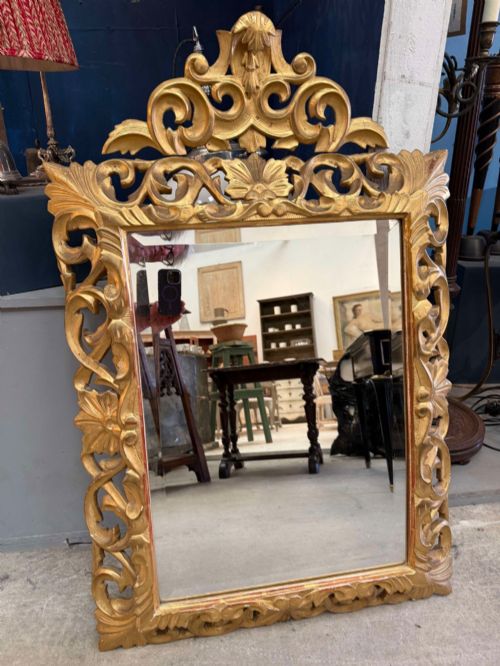
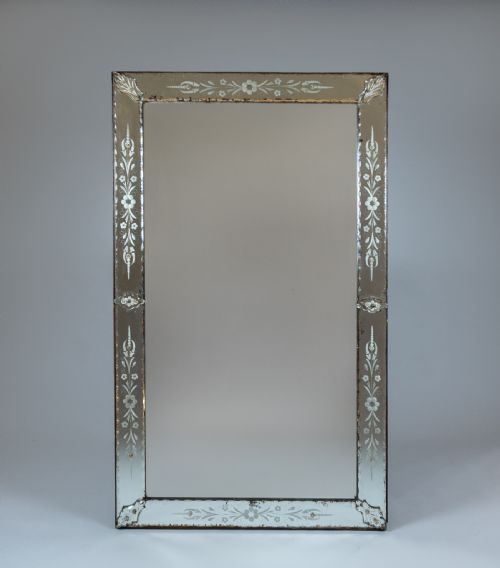
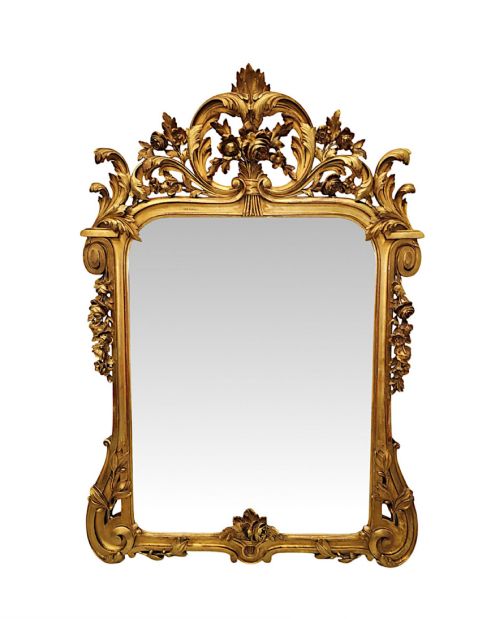
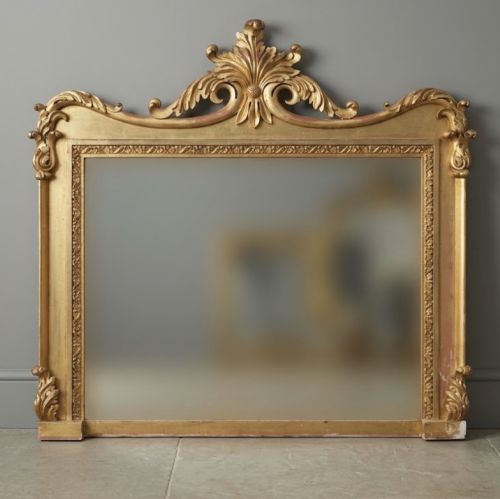
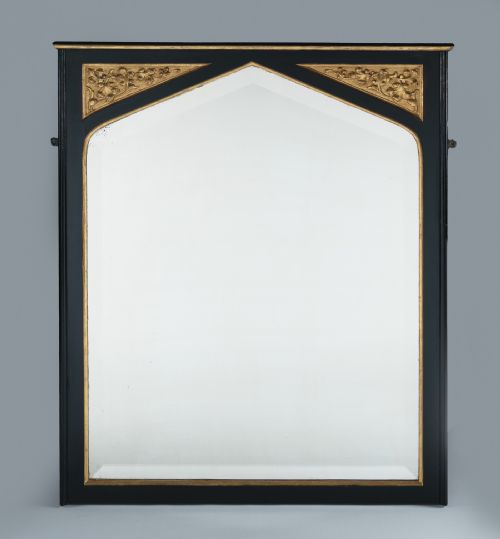
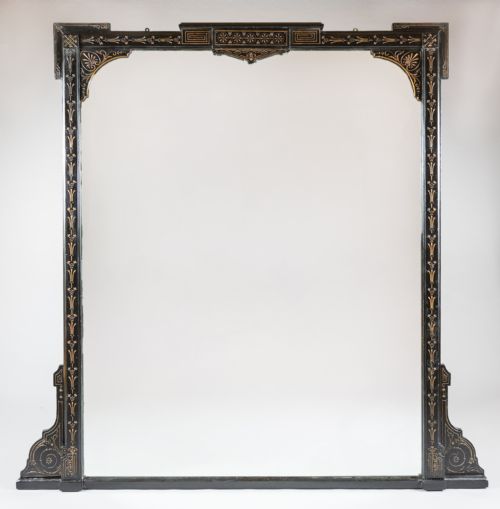
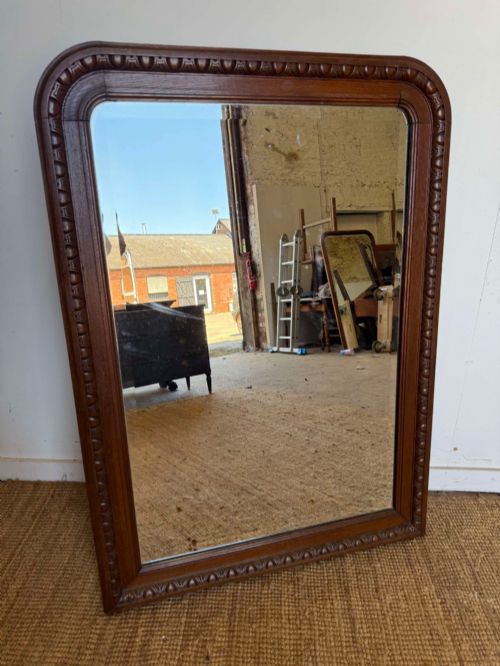
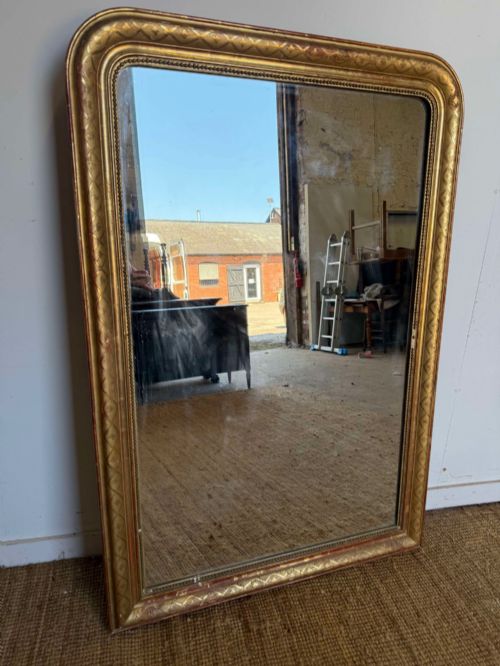
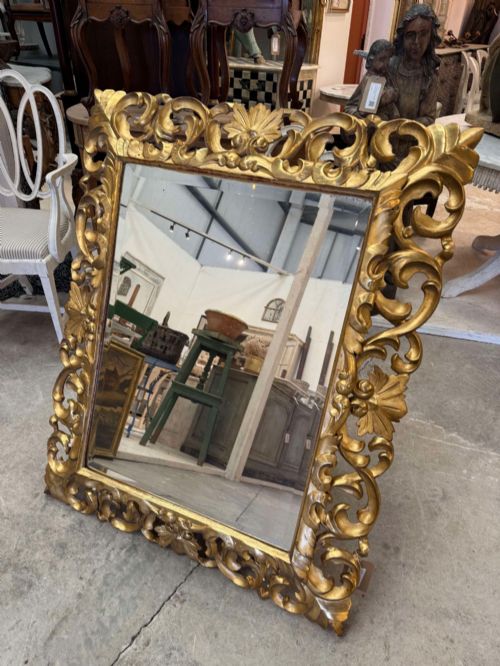
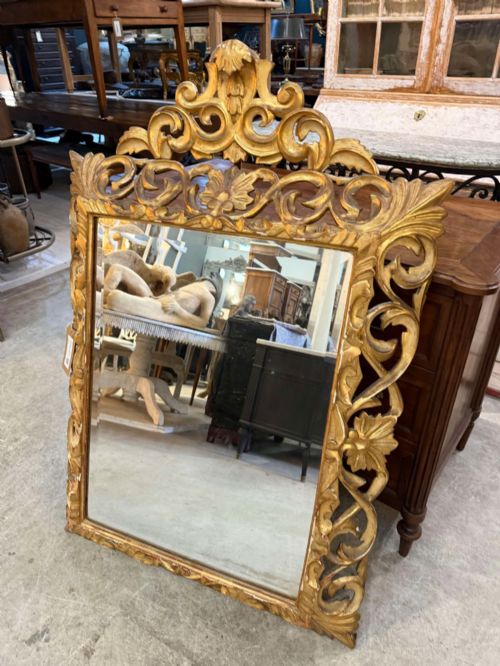
These pieces capture the ornate presence of a 19th century framed mirror, offering grand overmantle proportions and delicate dressing table designs suited for period interiors.
19th Century Framed Mirror
When searching for a 19th century framed mirror, buyers encounter a diverse selection of wall hangings, overmantel centrepieces, and dressing table swing mirrors spanning English and French origins. The most frequent discoveries on this page are large giltwood overmantle mirrors designed to sit above fireplace mantelpieces, alongside smaller mahogany and oak wall-hung pieces.
The selection encompasses distinct aesthetic movements from the period, including Georgian survivals, Regency designs, Victorian rococo revivals, and Louis Philippe styles. Formats range from rectangular arched tops and oval shapes to tall pier glasses and smaller table-top dressing mirrors.
How they were made
Carved wood provides the foundational structure for many frames, utilising timbers such as oak, mahogany, walnut, and rosewood. Artisans frequently applied layers of gesso over carved wooden bases to build up intricate relief ornaments, floral motifs, and ribbed or rope-twist mouldings.
Giltwood pieces received applications of gold leaf or surface gilding to achieve their reflective finish. Alternatively, some mirrors incorporate cast decorative elements, brass fittings, or ormolu details fixed to the wooden frames.
19th Century Framed Mirror Retail Price Guide 2026
Typical asking prices for 19th century framed mirror among the pieces listed under this phrase on Sellingantiques today, from the lower quarter to the upper quarter. They describe what is for sale here now, not the wider market.
Listings feature woods like oak, mahogany, walnut, rosewood, and kingwood alongside traditional giltwood and gesso finishes.
What varies in quality
The depth and crispness of the hand-carving define the upper tiers of the range, where floral and mythological reliefs retain sharp definition in the wood and gesso. Lower tiers often rely on simpler moulded sections with less intricate detailing.
The preservation of the original glass plate and the quality of the surrounding gilt or polished timber finish dictate overall character. Pieces retaining their early mercury glass or untouched original gilding demonstrate higher integrity than heavily restored examples.
The 19th Century Framed Mirror Glossary
- Overmantel mirror
- A large mirror specifically proportioned to hang above a fireplace mantelpiece. These pieces often feature arched tops or wide frames designed to reflect light across a principal room.
- Gesso
- A plaster-based material applied to wooden frames and carved to create raised decorative motifs before gilding. This mixture allowed craftsmen to achieve intricate three-dimensional surface patterns.
- Giltwood
- Timber that has been coated with gold leaf or metallic paint to give a golden appearance. It is a defining finish for many formal wall and pier mirrors of the period.
- Pier glass
- A tall, narrow mirror traditionally hung on the pier or wall space between two windows. These items frequently feature ornate frames and matching console tables.
- Swing mirror
- A tabletop or dressing table glass mounted on pivots between two upright supports, allowing the user to tilt the angle. They are commonly found in mahogany or walnut frames.
19th Century Framed Mirror: Frequently Asked Questions
Where should I hang an overmantel mirror?
These large mirrors are traditionally positioned directly above a fireplace mantelpiece to anchor the room's main focal point.
They also function effectively on principal living room walls to draw in natural light and create a sense of expanded space.
How do I clean an antique mirror glass?
Use a soft, dry microfibre cloth to gently remove dust from the glass surface and the delicate surrounding frame.
Avoid commercial chemical sprays and excess moisture, which can seep behind the glass and damage the silvering or original mercury backing.
What is the difference between a pier glass and an overmantel?
Pier glasses are built with tall, narrow proportions specifically designed to fit the wall space between windows.
Overmantels are wider horizontal or arched pieces engineered to span the broad expanse above a fireplace.
Are swing mirrors original to dressing tables?
Many dressing table and shaving mirrors are designed as standalone portable items that rest securely on wooden surfaces.
Swivelling elements allow users to adjust the viewing angle during daily grooming routines.