


French Rococo Revival Mirror
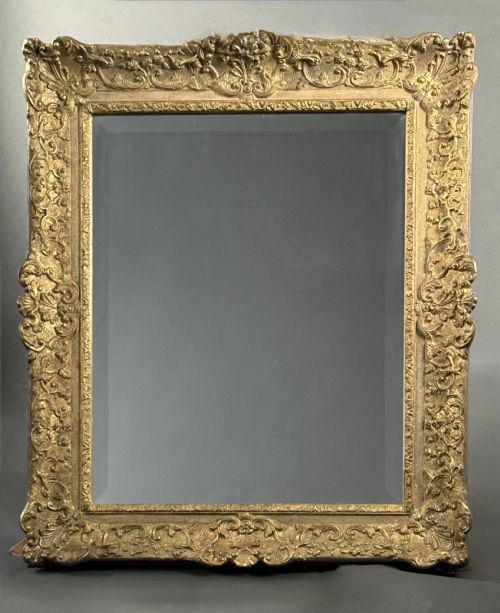
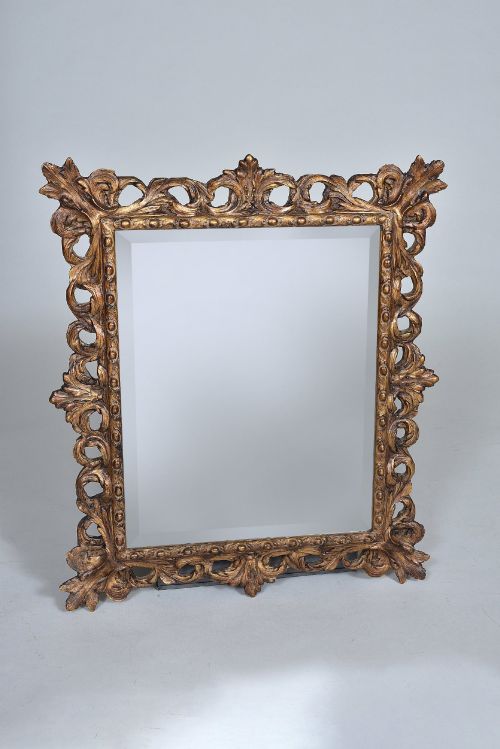
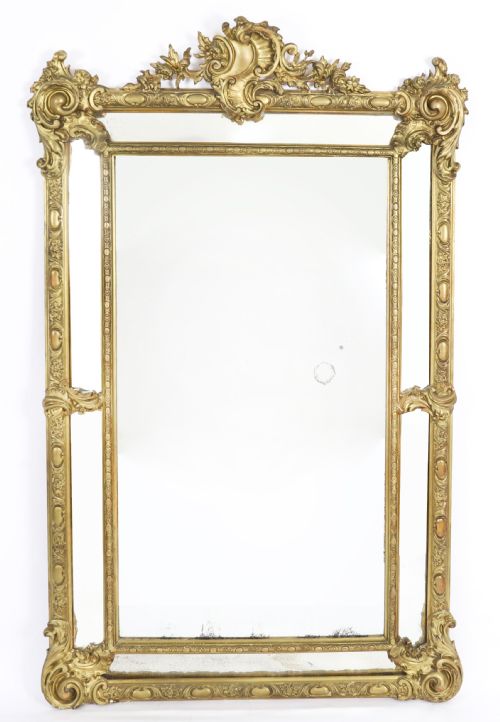
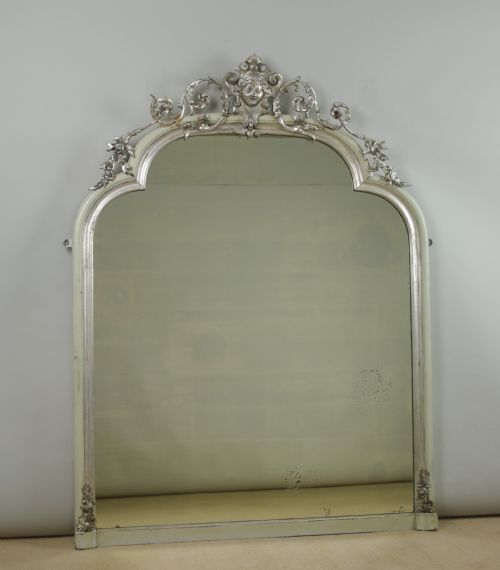
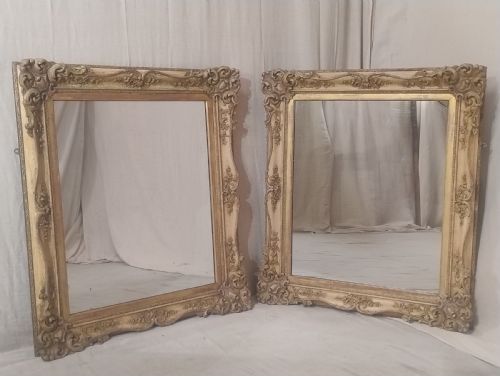
A french rococo revival mirror brings exuberant asymmetrical curves and ornate gilded frames into an interior.
French Rococo Revival Mirror
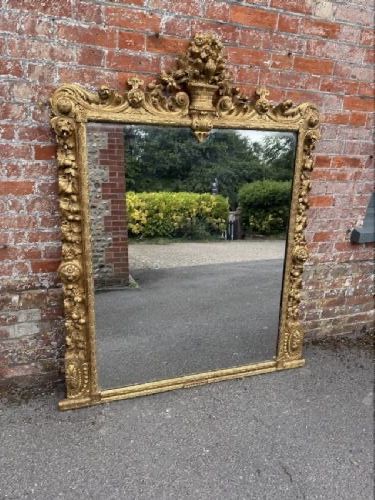
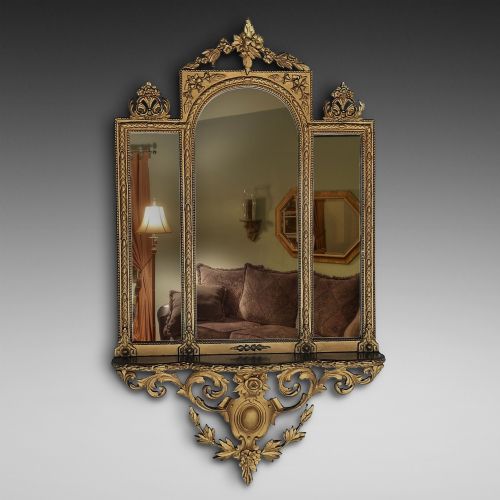
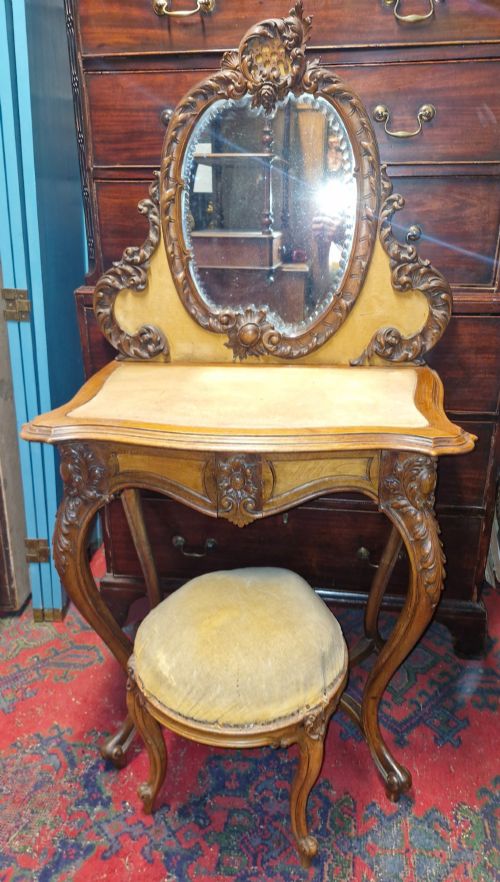
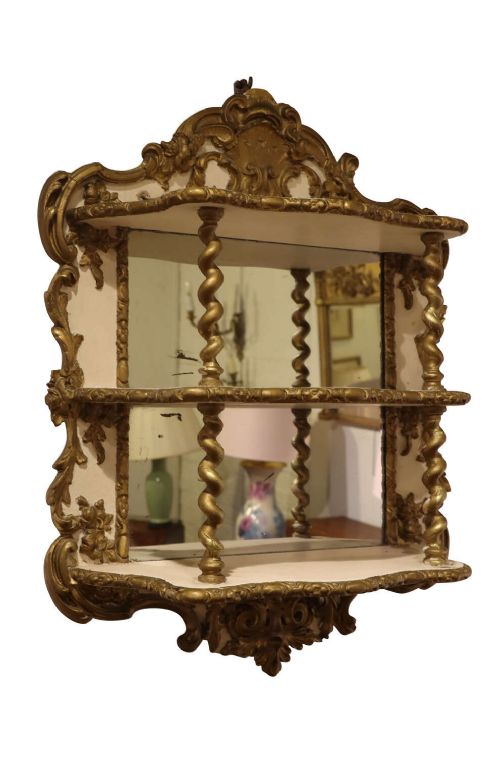
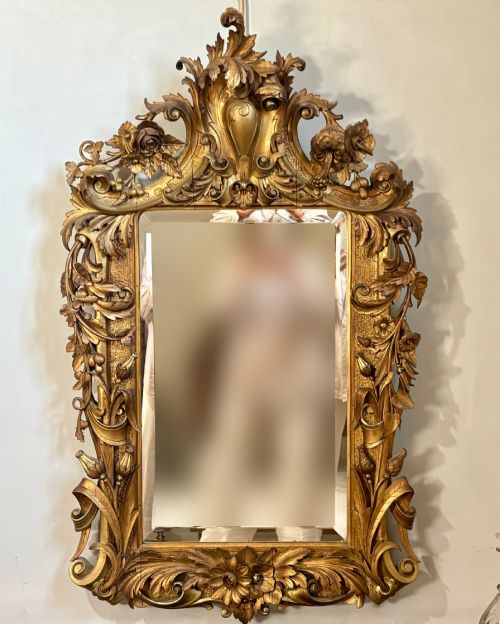
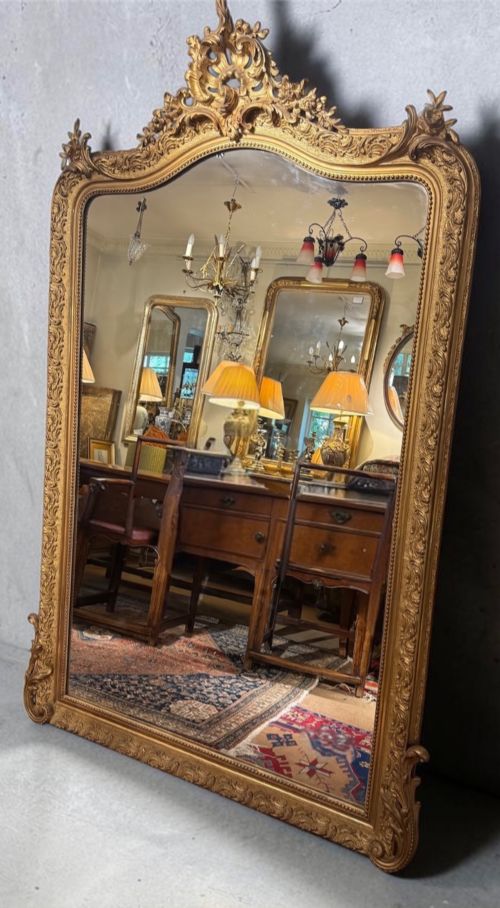
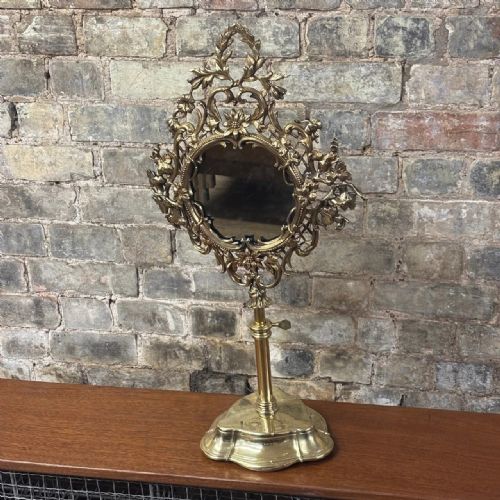
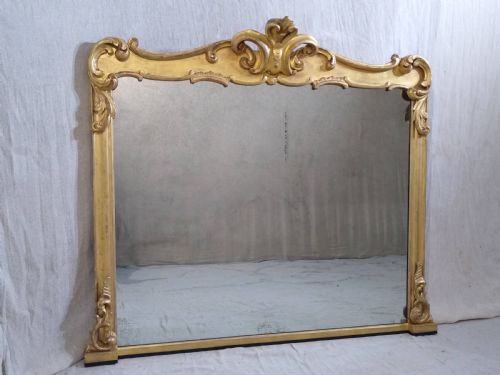
A french rococo revival mirror takes the curving, nature-inspired motifs of the eighteenth century and reinterprets them across the nineteenth and early twentieth centuries. These pieces appear primarily as large wall mirrors, overmantels designed for mantelpieces, and smaller table or vanity mirrors.
The aesthetic relies on shell motifs, C-scrolls, and floral garlands that give the frame an organic, flowing movement. Pieces span from the mid-nineteenth century through to the Edwardian period and the nineteen-thirties.
Origins stretch from continental workshops to English interpretations of French taste, incorporating styles often labelled as Louis XV Revival or Victorian Rococo. Wall mirrors and overmantels dominate the selection, bringing considerable scale and decorative presence to a room.
Materials and construction
Carved wood provides the structural foundation for many examples, often layered with gesso to build up the intricate relief work of the scrolls and cartouches. Gilding is applied using gold leaf or paint, while some frames incorporate oak, walnut, mahogany, or kingwood.
Composition and brass also appear, particularly in smaller table mirrors and decorative fittings, alongside mirror glass plates that range from bevelled edges to silvered finishes. Frames combine carved wooden elements with moulded gesso details to achieve deep, three-dimensional curves.
Some overmantels are so wonderfully grand they require an entire team just to agree on which wall gets the honour.
Assessing quality
Quality rests upon the depth and sharpness of the carving within the gesso and wood, where skilled handwork creates crisp definition in the scrolls and floral elements. Heavier, more substantial frames generally demonstrate superior joinery and more ambitious proportions, such as monumental overmantels.
The preservation of the original gilding and the clarity of the mirror plate itself distinguish finer examples. Integrated details like central cartouches and balanced, harmonious asymmetry elevate a piece above standard mass-produced variants.
François Linke
The French Rococo Revival Mirror Glossary
- Giltwood
- Wood that has been coated with gold leaf or a gold-coloured finish. This technique creates a luminous surface that catches the light in domestic interiors.
- Gesso
- A plaster-like mixture applied to wood frames and carved into relief ornamentation. It provides the smooth base needed for subsequent gilding or painting.
- Overmantel Mirror
- A large mirror specifically proportioned to hang above a fireplace mantel. These pieces often feature extended horizontal formats or monumental vertical scales.
- Cartouche
- An ornamental tablet or frame resembling a rolled-up piece of paper, frequently placed at the crest or centre of rococo designs.
- Pier Mirror
- A tall, narrow mirror designed to hang on the wall space between two windows. They often coordinate with matching console tables or wall shelves below them.
French Rococo Revival Mirror: Frequently Asked Questions
Where should an overmantel mirror be hung?
These large mirrors traditionally sit directly above a fireplace mantel to reflect light and anchor the room's proportions.
They also function effectively on main reception room walls where their scale acts as a primary focal point.
How do I identify the revival period?
Examinations of the backing woods, glass bevels, and the composition of the gesso help distinguish mid-nineteenth century work from later Edwardian or nineteen-thirties pieces.
Stylistic cues lean heavily on Louis XV motifs combined with Victorian manufacturing techniques.
What is the difference between a pier mirror and a wall mirror?
Pier mirrors are specifically proportioned to fit the narrow wall space situated between two windows.
General wall mirrors feature more flexible dimensions suited for hanging across various room layouts.
Are these mirrors suitable for bathrooms?
Historic giltwood and gesso frames react sensitively to excessive moisture and humidity fluctuations.
Dry living spaces, hallways, and bedrooms preserve the delicate gilding and wooden structures far better.