


Antique Decorative Mirror
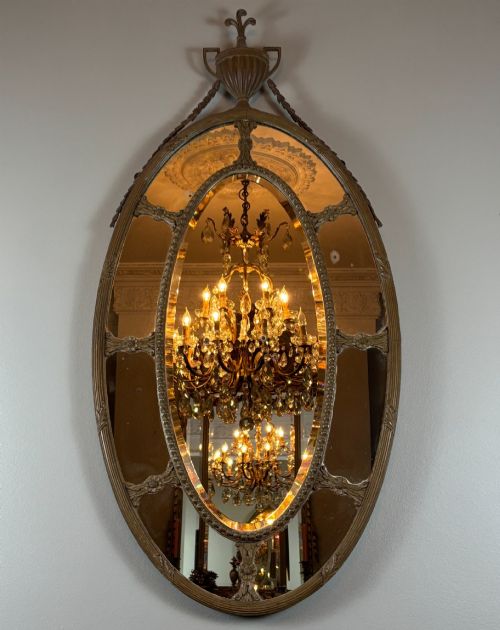
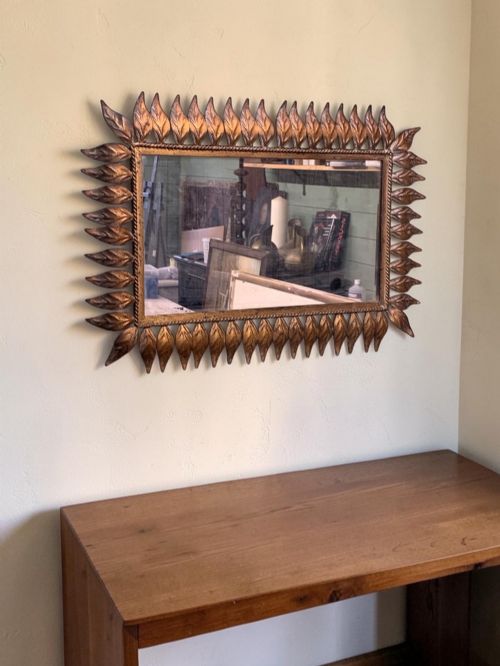
An antique decorative mirror brings period presence and light into a room, spanning grand overmantles and intimate carved wall panels.
Antique Decorative Mirror
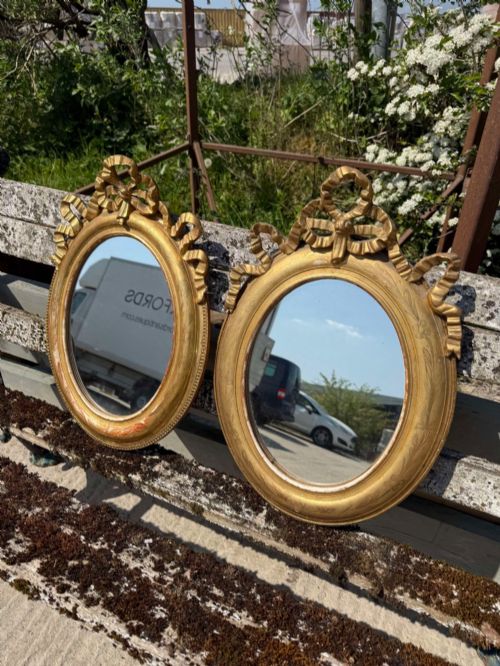
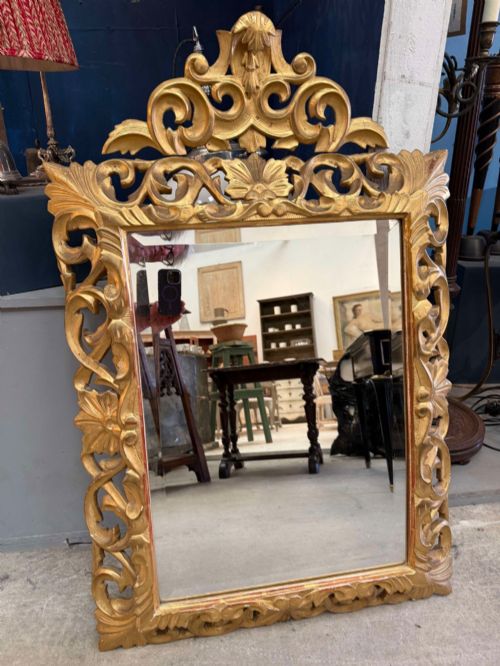
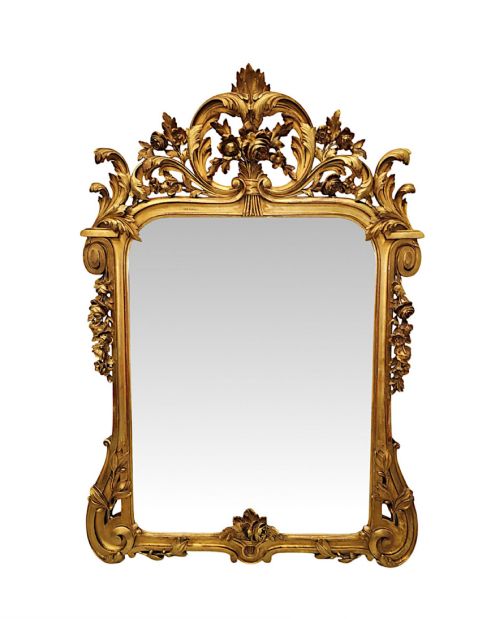
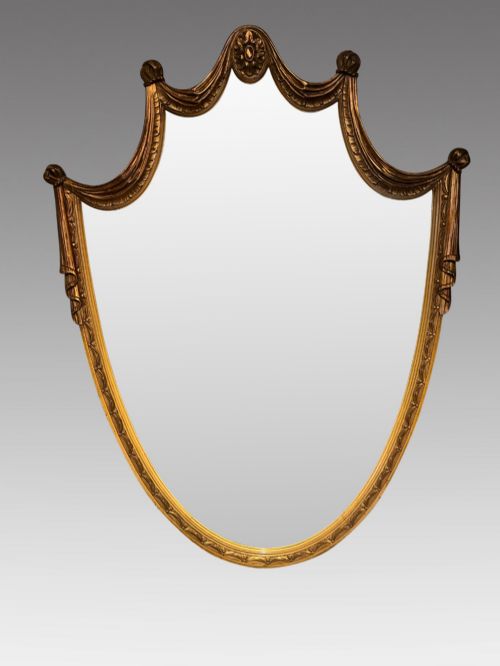
An antique decorative mirror encompasses wall-hanging plates, overmantles, and pier mirrors originating across the eighteenth, nineteenth, and early twentieth centuries. Pieces range from large English and French giltwood frames to smaller Italian carved wood designs and Chinese wall hangings.
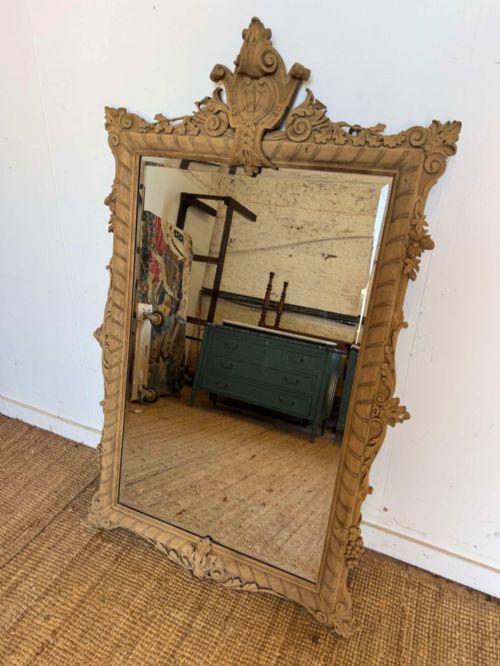
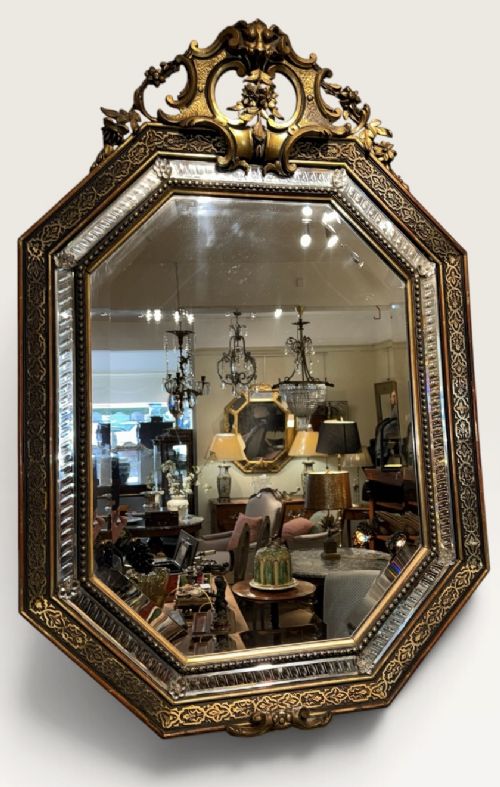
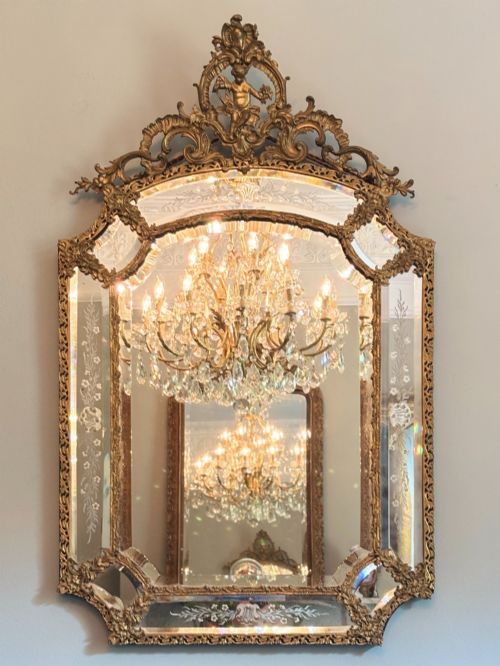
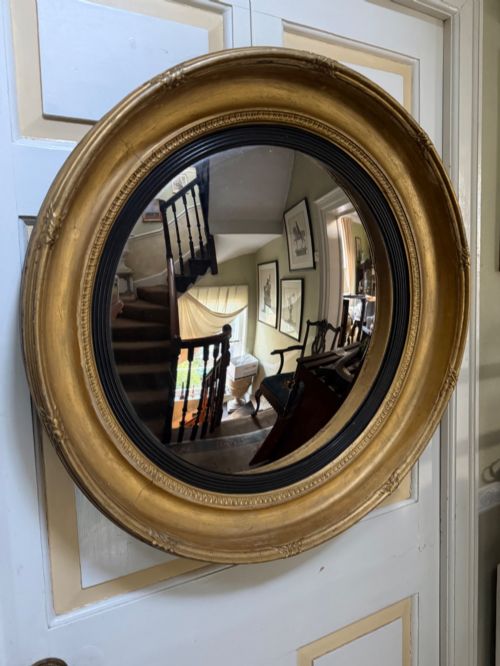
The nineteenth century forms the bulk of what is found, particularly Victorian gesso and Regency convex mirrors alongside French chateau revivals. Overmantle mirrors dominate the larger scale items, designed historically to sit above fireplace surrounds.
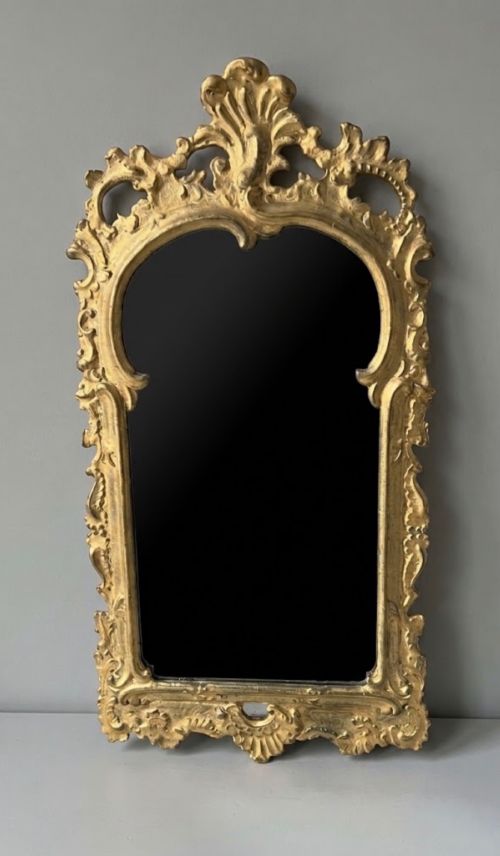
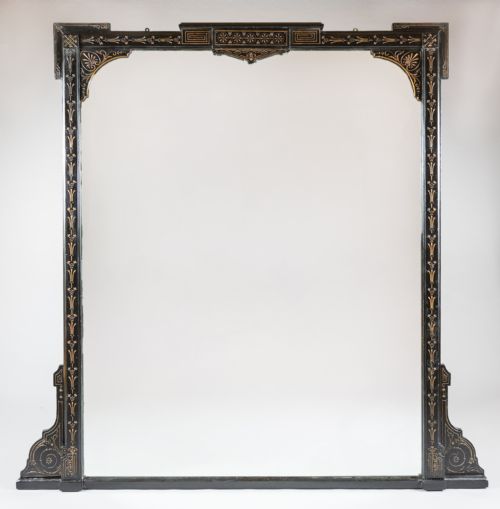
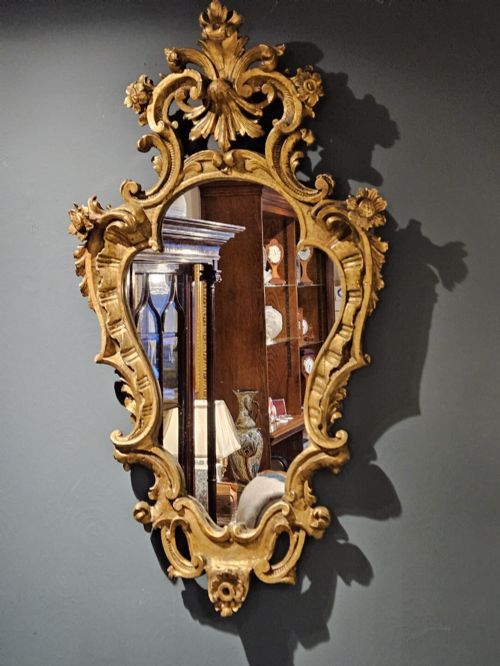
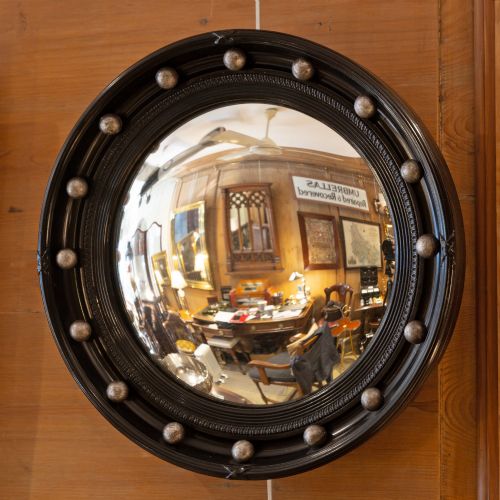
Regional variations include Venetian Murano glass, Florentine giltwood girandoles, and ebonised English frames. Forms extend from simple oval and rectangular shapes to architectural arched tops and convex porthole glasses.
How they were made
Frames rely heavily on carved wood, gesso, and timber foundations such as oak, mahogany, walnut, and pine. Artisans applied layers of gold leaf, paint, or ebonisation directly onto the prepared wooden surfaces.
Giltwood and gesso pieces involved intricate hand-carved ornamentation or moulded relief work applied to the wooden carcass before gilding. Mirror glass was silvered, engraved, or left as convex plates housed within deep rebate frames.
Antique Decorative Mirror Retail Price Guide 2026
Typical asking prices for decorative mirror among the pieces listed under this phrase on Sellingantiques today, from the lower quarter to the upper quarter. They describe what is for sale here now, not the wider market.
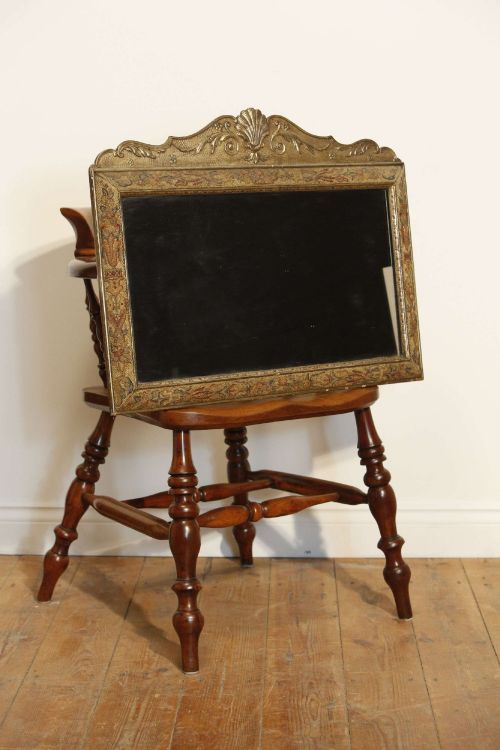
Several mirrors include twig work frames and ceramic tiles, proving that nineteenth-century makers were happy to bring the garden and the billiards room indoors.
What varies in quality
Quality depends upon the crispness of the hand-carving in the wood and gesso, where deeply undercut foliage and sharp architectural details distinguish superior craftsmanship from simpler moulded work. The preservation of original gilding, paint, and mercury or early mirror glass indicates the integrity of a piece.
Proportions relative to scale determine visual balance, particularly in large overmantle and pier mirrors designed for high-ceilinged reception rooms. Architectural elements such as column frames, carved eagles, and parcel-gilt highlights separate standard decorative items from finer examples.
The Antique Decorative Mirror Glossary
- Gesso
- A plaster-like mixture applied to wood frames to create a smooth surface for gilding or painting. This material is built up in layers and carved to form crisp decorative reliefs.
- Giltwood
- Timber coated with gold leaf over a prepared base. It remains a defining finish for formal eighteenth and nineteenth-century frames.
- Overmantle
- A large mirror specifically proportioned to hang above a fireplace mantelpiece. These pieces frequently feature landscape formats or arched tops.
- Convex mirror
- A round mirror with an outward-curving glass plate that provides a wide-angle reflection of the interior. They often feature eagle surmounts and candle arms.
- Pier mirror
- A tall, narrow mirror designed to hang on the wall space between windows. They often incorporate painted or gilded wooden frames matching interior joinery.
Antique Decorative Mirror: Frequently Asked Questions
How do I hang a heavy antique overmantle mirror?
Heavy overmantle mirrors require secure fixing directly into wall studs or masonry using appropriate brackets that support the substantial weight of the timber and glass carcass.
Professional installation ensures the frame remains stable and distributes the vertical load safely across the wall structure.
What is the difference between a pier mirror and an overmantle?
Pier mirrors are traditionally tall and narrow to fit the wall space between windows, whereas overmantle mirrors are broader and designed for placement above fireplaces.
Both serve decorative and reflective functions within period interiors but occupy distinctly different architectural locations.
How should I clean antique mirror glass and frames?
Dust giltwood and carved frames gently with a soft dry brush to protect delicate gesso and gold leaf surfaces from moisture damage. Mirror glass can be wiped sparingly with a damp cloth, avoiding the edges where silvering may be fragile.
How do I identify a Victorian mirror?
Victorian mirrors often feature dense gesso ornamentation, ebonised finishes, or heavy gilt frames reflecting nineteenth-century revival styles like Rococo and French Chateau. Construction details on the reverse and the thickness of the glass plate help confirm the period.