
Antique Framed Mirror
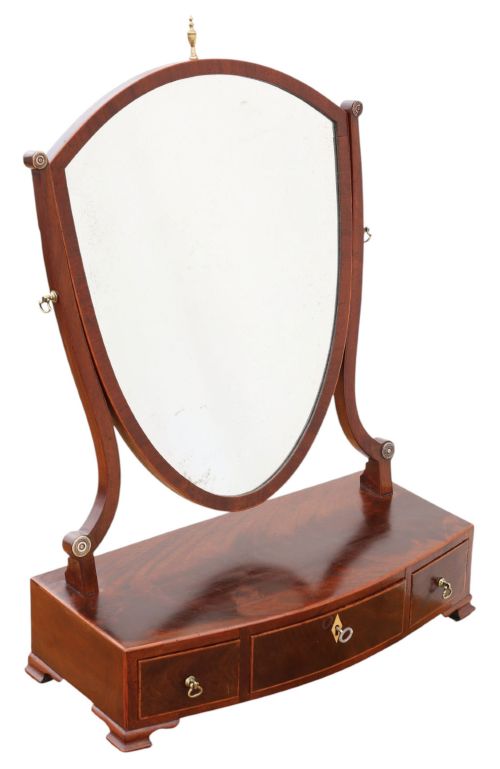
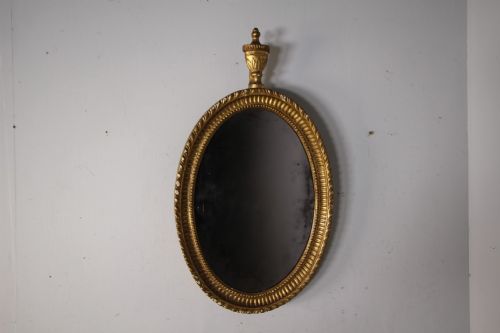
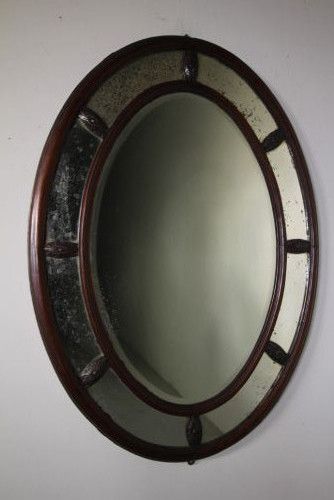
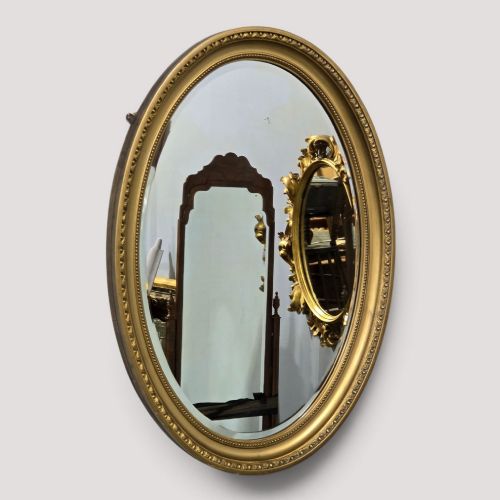
These antique framed mirror examples offer period glass and carved wood for domestic rooms.
What the pieces are
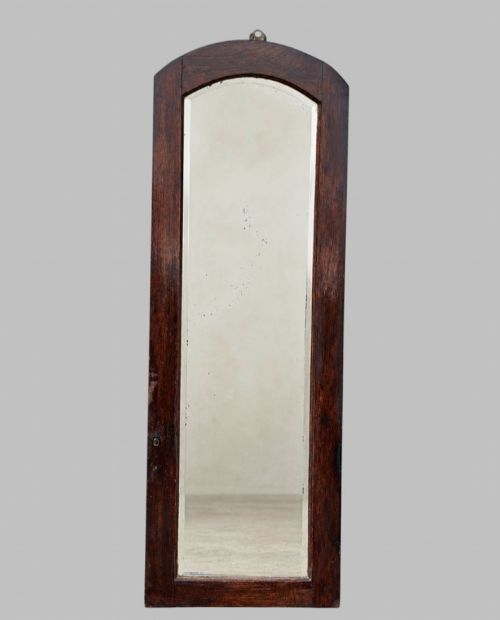
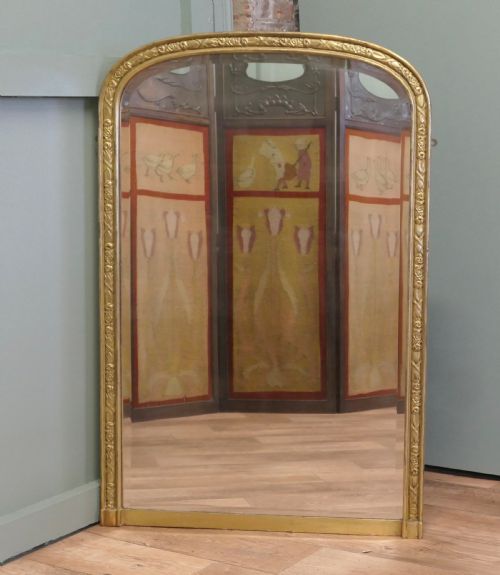
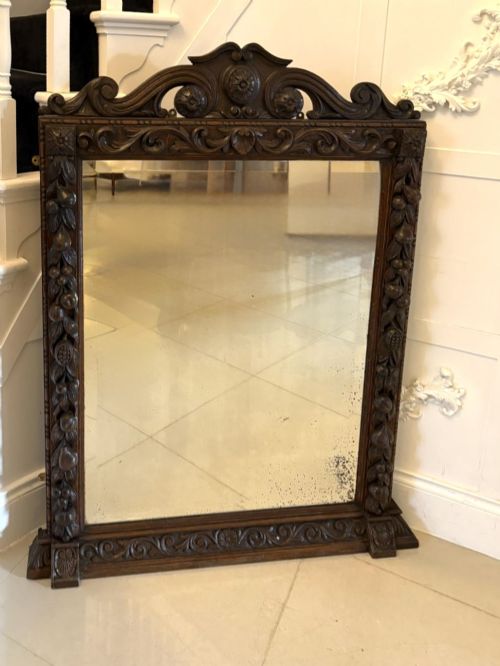
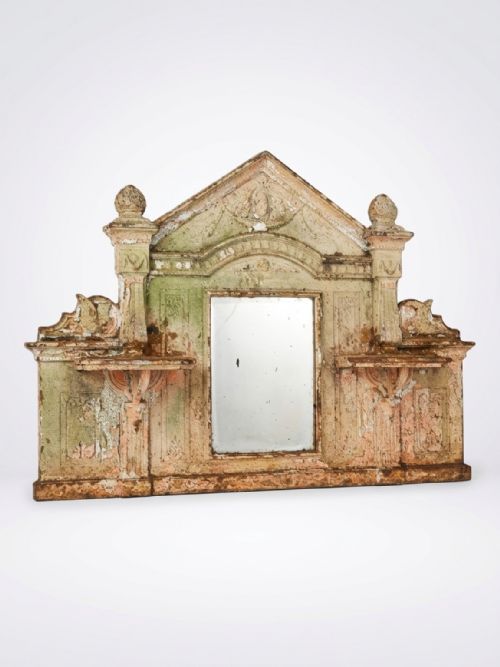
An antique framed mirror brings period glass and structured timber into domestic interiors, functioning as both a practical looking glass and a decorative wall piece. You encounter formats ranging from compact wall hangings to expansive overmantle pieces designed to sit above a fireplace. The selection spans the nineteenth century up to nineteen-twenty, encompassing Victorian, Georgian Revival, and Arts and Crafts aesthetics.
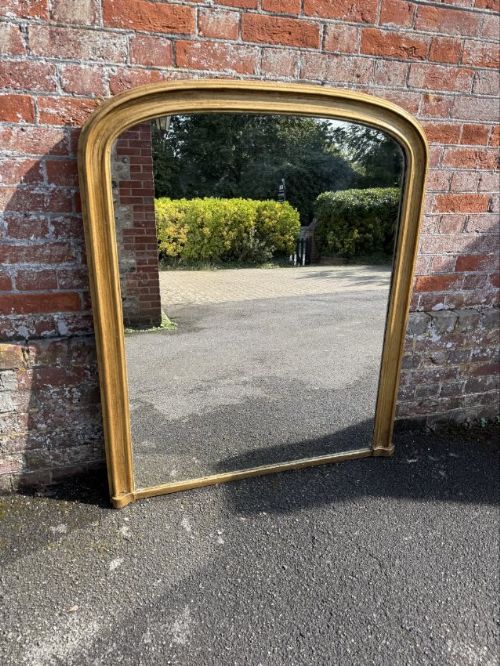
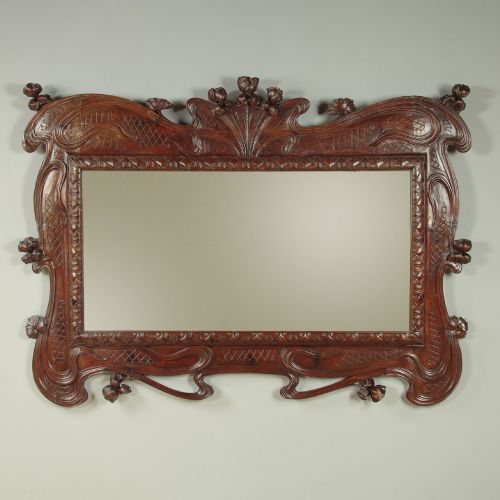
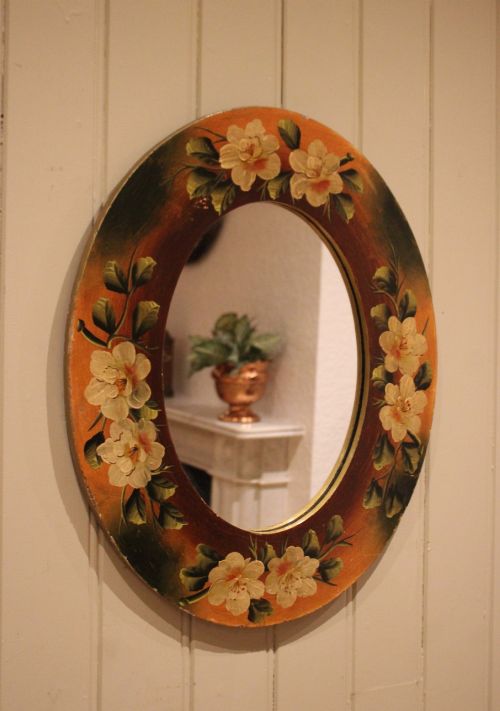
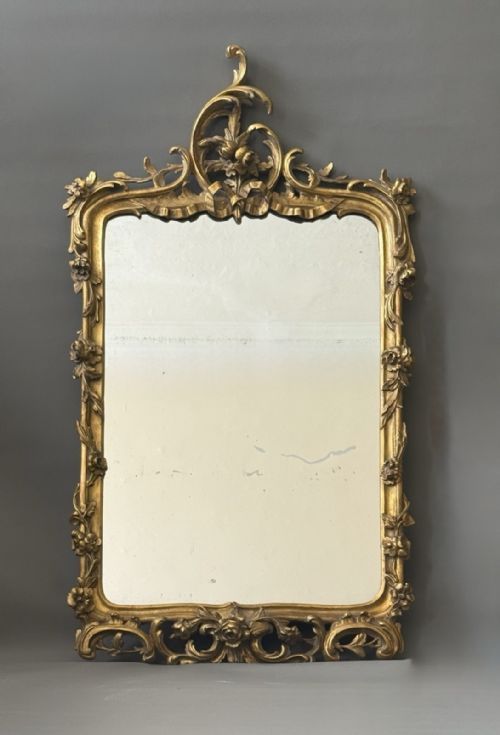
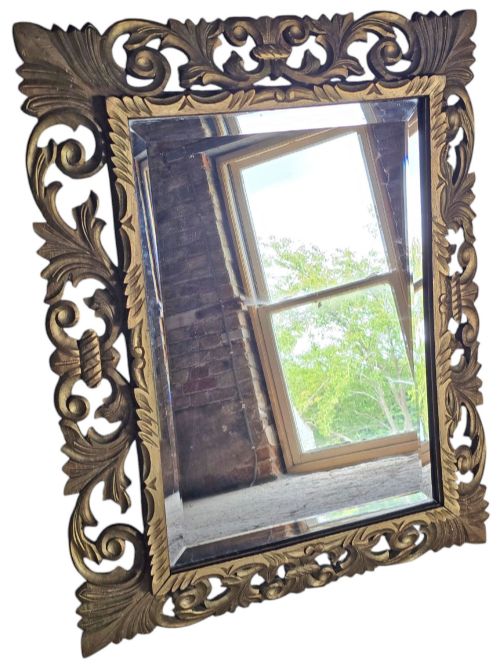
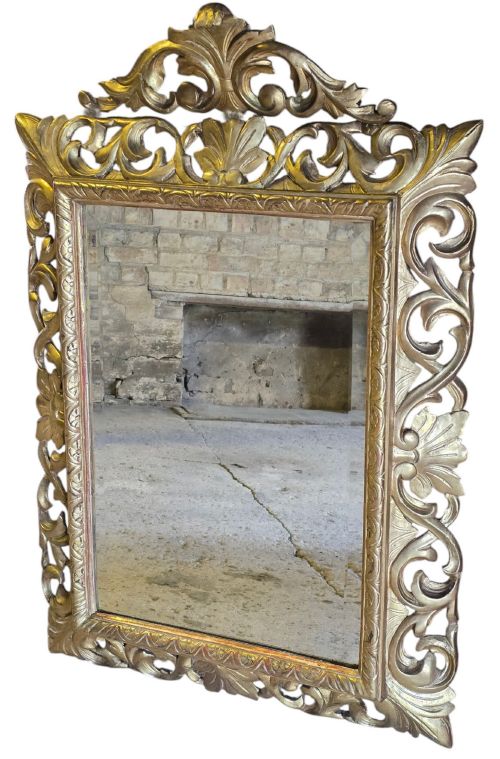
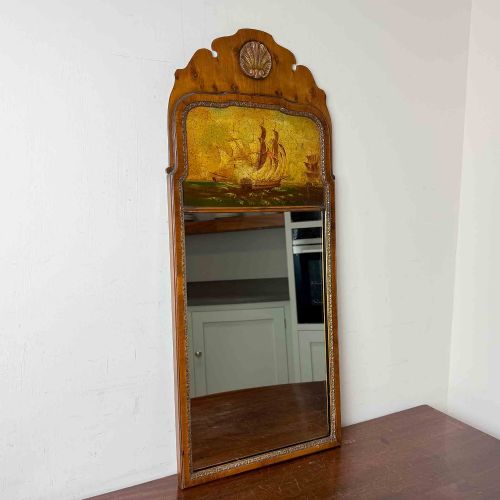
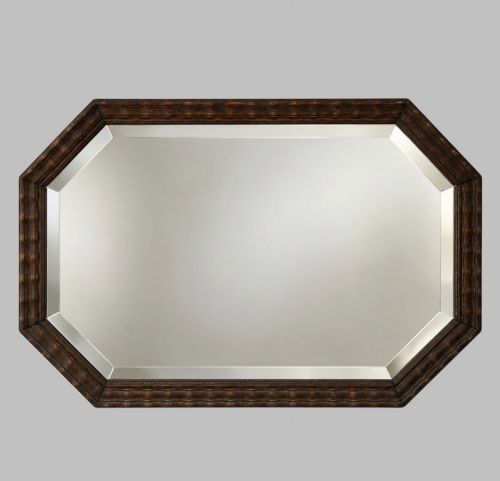
The most common forms on this page include large gilt overmantle mirrors with carved wood and gesso frames, alongside walnut wall mirrors and painted timber examples. Wall mirrors dominate the listings, offering variations from simple rectangular shapes to arched tops and fret cut designs. Pieces arrive from English, French, and Italian origins, displaying styles from the Victorian Aesthetic Movement to Italian Neoclassical.
How they were made
Frames rely on woods such as walnut, oak, and bone domino elements, shaped into mouldings or assembled as fret cut designs. Carvers applied layers of gesso over wooden bases to build up relief ornamentation before finishing the surfaces with gold leaf gilding or paint. Mirror glass was set securely into these timber and plaster housings, sometimes incorporating bevelled edges or original distressed patination.
Techniques varied from simple painted wooden surrounds to elaborate carved wood and gesso frames featuring rope twist, bead, and column details. Giltwood surfaces required meticulous application of thin gold leaf over prepared grounds, while other frames maintained the natural grain of walnut or oak through polishing.
Retail Price Guide 2026
Typical UK retail prices for framed mirror, calculated from the Sellingantiques database of over a million retail prices indexed since 2003. This retail price guide relies exclusively on Sellingantiques data; no external sources or auction records are used, so the figures do not describe the wider market.
Listings feature periods from eighteen-fifty through to nineteen-twenty, including nineteenth-century and Arts and Crafts examples.
What varies in quality
Quality rests in the crispness of the wood carving and the depth of the gesso mouldings applied to the frame. Superior examples demonstrate finely executed details like rope twists, beads, and architectural columns without loss to the gilded or painted surface. The integrity of the original mirror glass and the stability of the underlying wooden construction further distinguish finer pieces from simpler utilitarian objects.
The Antique Framed Mirror Glossary
- Gesso
- A plaster mixture applied to wood frames to create a smooth surface for gilding or painting. This material allows for sharp relief moulding.
- Giltwood
- Timber that has been coated with thin sheets of gold leaf. It provides a bright reflective finish typical of grand interior mirrors.
- Overmantle mirror
- A large horizontal mirror designed to hang on the wall directly above a fireplace mantel. These pieces often feature arched tops.
- Fret cut
- Woodwork shaped by piercing patterns through thin timber boards using a fretsaw. This technique creates delicate decorative silhouettes on frames.
Frequently Asked Questions
Where should I hang an overmantle mirror?
An overmantle mirror is traditionally positioned on the chimney breast directly above a fireplace surround. This placement reflects light around the room and anchors the visual weight of the mantelpiece.
Ensure the wall fixings match the substantial weight of carved wood and gesso frames before mounting these large wall mirrors.
How do I identify a Victorian mirror?
Victorian mirrors often display heavy carved wood and gesso decoration, with styles ranging from ornate gilt overmantle designs to Aesthetic Movement pieces. Examining the backboards, fixings, and construction methods helps confirm the nineteenth-century origin.
Look for original mirror glass which frequently exhibits subtle foxing or age spots characteristic of the period.
What is the difference between a wall mirror and a pier glass?
A wall mirror is a general term for any hanging looking glass, while a pier glass specifically refers to a tall mirror designed to hang on the narrow wall space between windows. Pier glasses often maximise light in older rooms with high ceilings.
Both forms utilise period materials such as walnut, oak, and giltwood frames.