



Edwardian Brass Mirror
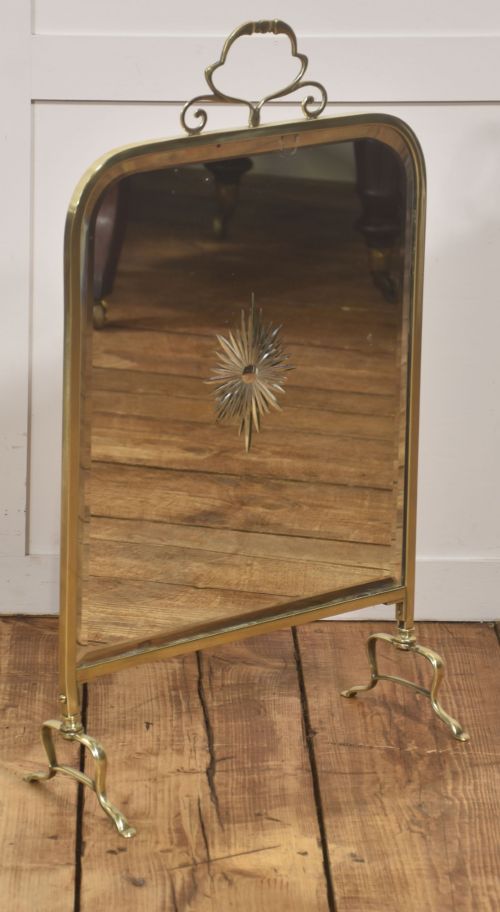
An edwardian brass mirror brings polished metal and bevelled glass together, offering both utility and decorative presence in a hallway or bedroom.
Edwardian Brass Mirror
An edwardian brass mirror sits within a domestic tradition of metalwork and polished glass that defined early twentieth century interiors. Pieces range from compact dressing table swings to substantial wall-mounted plates designed for hallways and reception rooms.
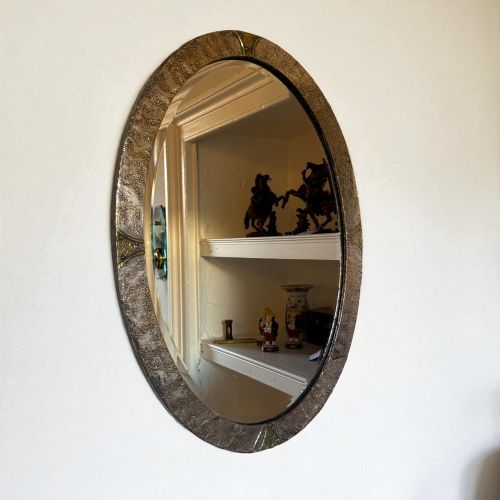
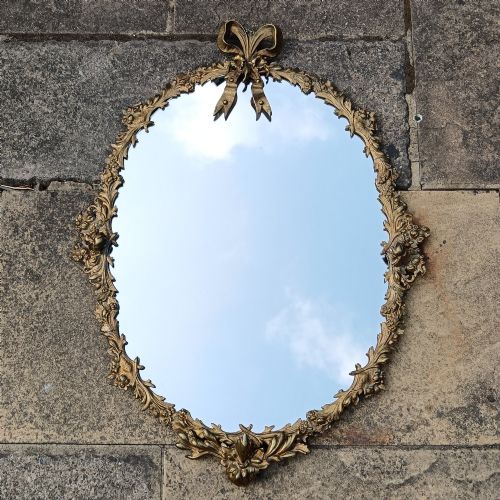
The version most commonly met on this page is the oval wall mirror, often featuring repoussé or hand-embossed decoration around the brass frame. These items frequently date from the turn of the twentieth century, aligning with the Edwardian period and late Victorian transitions.
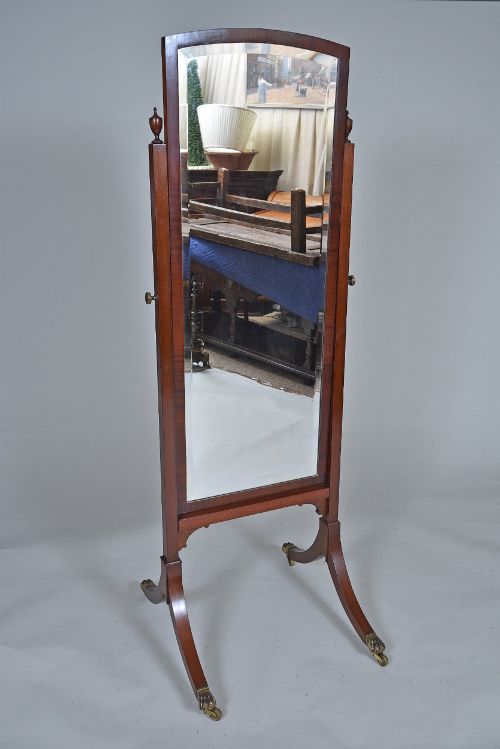
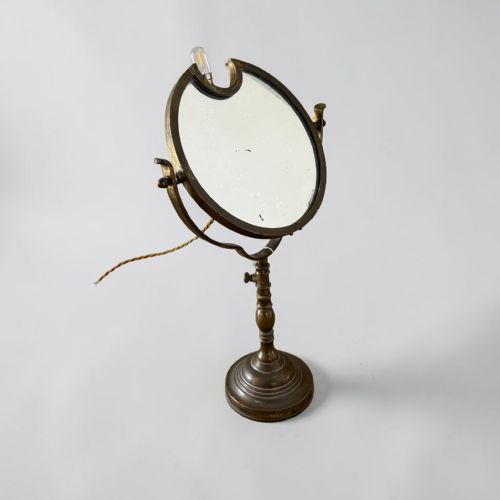
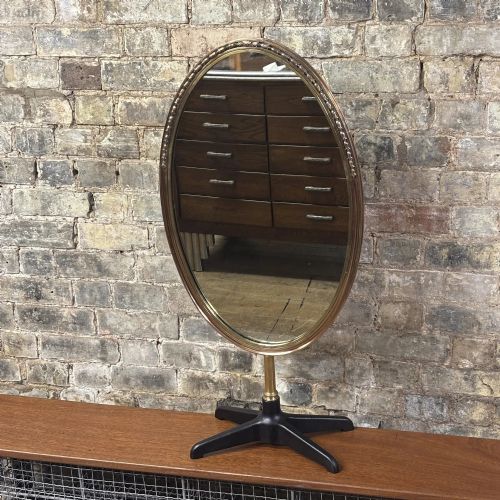
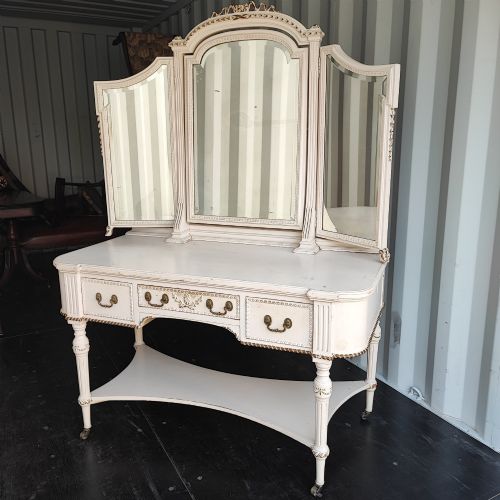
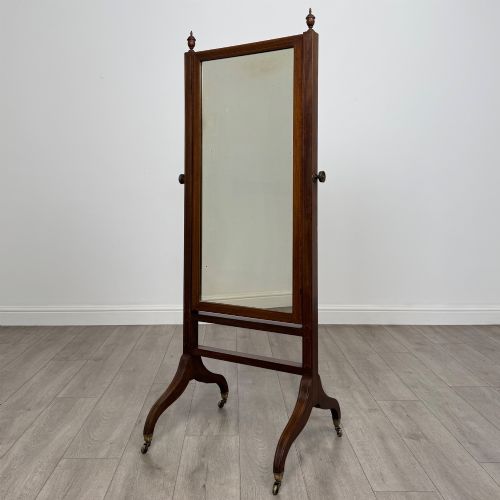
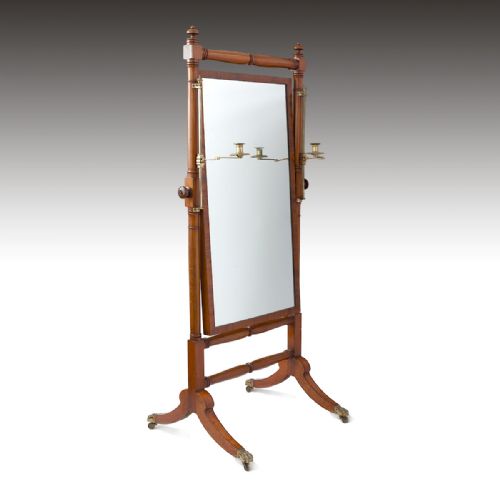
Beyond simple wall hanging frames, the category encompasses cheval mirrors, vanity mirrors with mahogany bases, and folding triptych designs. Each form served a distinct domestic purpose, from full-length bedroom checks to close-up grooming.
How They Were Made
Makers constructed these frames using sheet brass, sometimes mounted over wooden cores of oak or mahogany to provide structural stability. Metalworking techniques such as repoussé and hand-embossing allowed artisans to hammer patterns directly into the brass surface from the reverse.
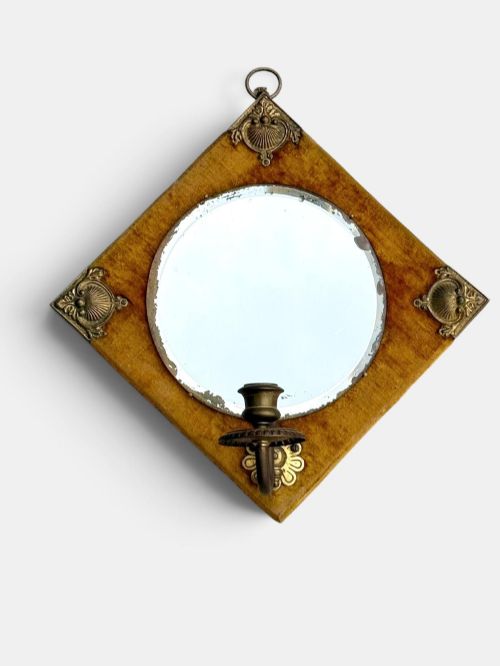
Glass plates were bevelled at the edges to catch and refract light, then secured into the metal housings with wooden backs and brass brackets. Frames often integrated subsidiary materials like velvet backings, copper highlights, or turned wooden stands.
Edwardian Brass Mirror Retail Price Guide 2026
Typical asking prices for edwardian brass mirror among the pieces listed under this phrase on Sellingantiques today, from the lower quarter to the upper quarter. They describe what is for sale here now, not the wider market.
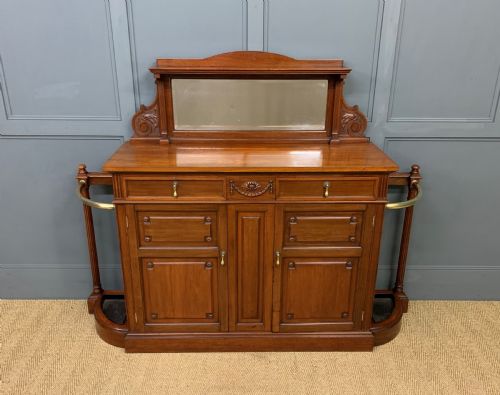
Several mirrors incorporate hidden hooks for hanging hats, turning a simple looking glass into a functional hallway valet.
What Varies In Quality
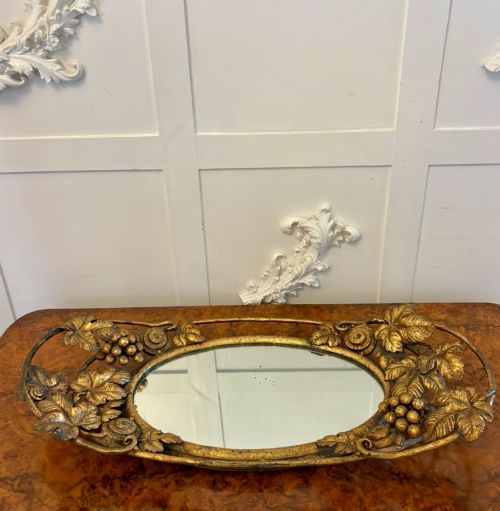
The distinction between standard production and finer work lies in the depth and clarity of the brass ornamentation. Pieces associated with specific design movements, such as Glasgow School or Art Nouveau workshops, display hand-tooled details and thoughtful integration of motifs like peacocks or grape vines.
Structural integrity also separates examples, seen in the weight of the brass gauge and the quality of the bevel on the mirror glass itself. Frames that retain their original wooden backs, easel struts, or hanging chains demonstrate better preservation over time.
Shoolbred and Co·Maples of London
The Edwardian Brass Mirror Glossary
- Repoussé
- A metalworking technique where the artisan hammers the design from the reverse side to form a raised pattern on the front. This method gives Edwardian brass frames their tactile surface texture.
- Bevel
- An angled edge cut along the perimeter of the mirror glass to create a decorative framing effect. This technique adds depth to the reflection and catches ambient light.
- Cheval mirror
- A freestanding full-length mirror suspended in a frame that allows it to tilt. These pieces often feature brass pivoting pins and sturdy wooden or metal floor supports.
- Triptych
- A three-panel folding mirror arrangement, commonly used on dressing tables. Side panels swing inward to adjust the angle of reflection.
- Girandole
- A decorative wall mirror that incorporates one or more candle sconces attached to the frame. The polished brass and glass amplify the candlelight in the room.
Edwardian Brass Mirror: Frequently Asked Questions
How do I hang a heavy brass wall mirror?
Wall-mounted pieces require fixings suited to the weight of the brass frame and glass plate. Secure the hanging wire or brackets directly into wall studs or use appropriate cavity anchors.
Ensure the hanging chain or cord is securely attached to the original mounting points on the frame before lifting the mirror into place.
What is the difference between an Edwardian and a Victorian mirror?
Victorian pieces often lean towards heavier, ornate mahogany structures and darker patinas, reflecting mid to late nineteenth-century tastes. Edwardian designs tend to feature lighter frames, brighter brass work, and influences from Art Nouveau or Arts and Crafts movements.
Transition pieces from the late nineteenth century frequently share characteristics of both eras, combining robust timber surrounds with emerging metalworking styles.
How should I clean antique brass and glass?
Dust the brass frame gently with a soft, dry cloth to preserve the natural patina accumulated over the decades. Avoid abrasive metal polishes that can strip the historic surface finish or damage adjacent mirror glass.
Use a mild glass cleaner applied to a cloth rather than directly sprayed, preventing moisture from seeping behind the mirror plate.
Were these mirrors meant for walls or dressing tables?
Makers produced both wall-mounted and freestanding variants to suit different domestic spaces. Smaller easel mirrors and swinging vanity plates were designed for dressing chests, while oval and rectangular frames with suspension loops belonged on hallway or overmantle walls.
Some portable designs, such as shaving stands and triptychs, incorporated folding legs or weighted bases for tabletop stability.