


Vintage Brass Mirror
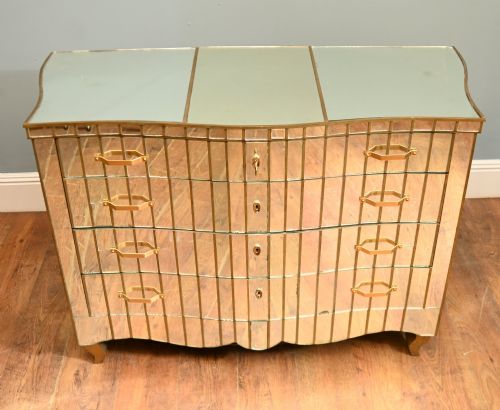
These vintage brass mirror pieces bring warm metalwork and reflective glass into a room, offering both decorative presence and practical utility.
Vintage Brass Mirror
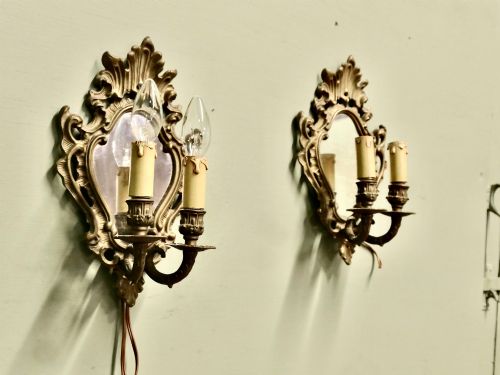
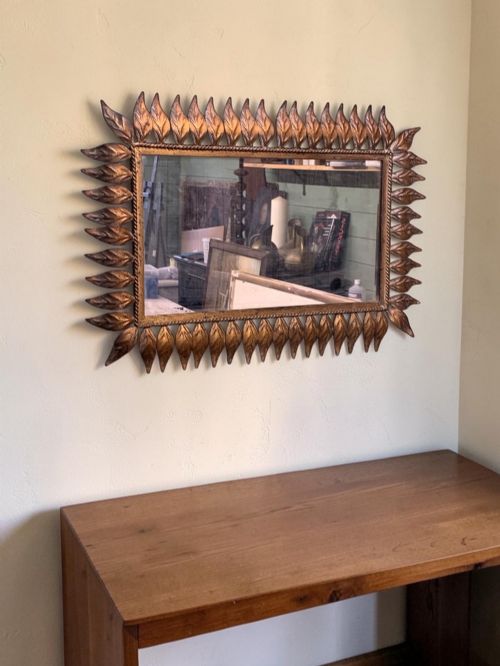
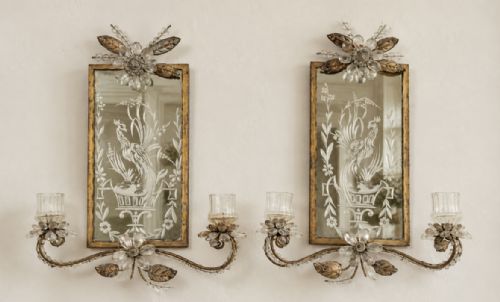
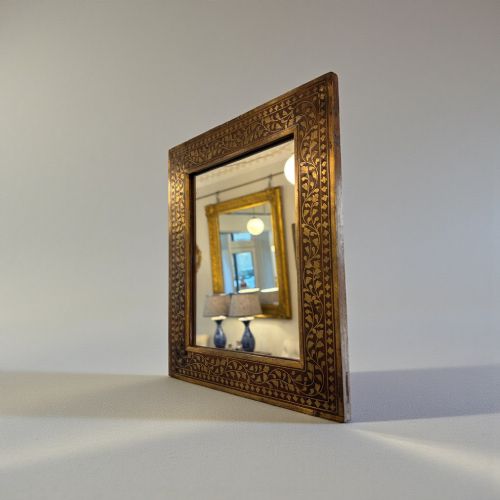
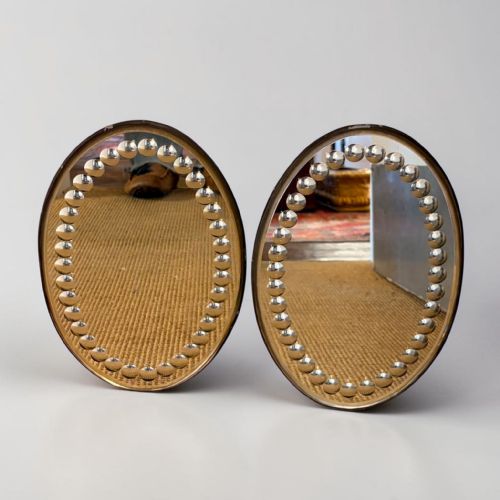
A vintage brass mirror encompasses wall mirrors, table mirrors, vanity pieces, and wall sconces produced across the nineteenth and early twentieth centuries. These objects combine metal frames with glass plates, emerging from periods such as the Victorian, Edwardian, and Art Deco eras.
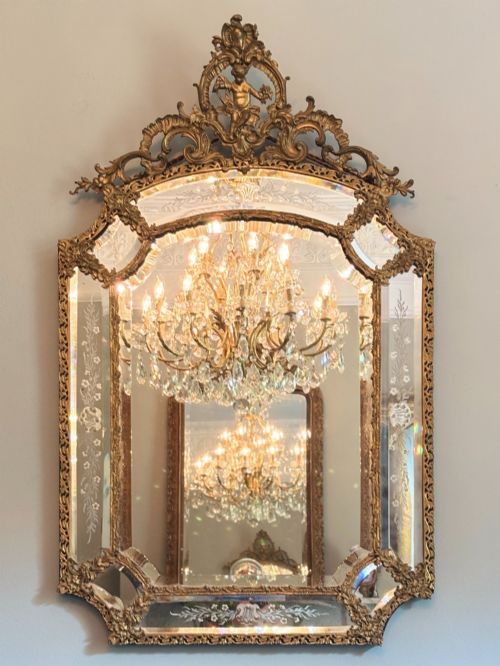
The selections available here showcase diverse stylistic influences, including French Rococo Revival, Arts and Crafts, and French Chateau designs. Buyers encounter wall-mounted formats alongside easel-backed dressing mirrors designed for tabletop use.
Origins span British workshops, French foundries, and regional craft traditions, resulting in varied decorative motifs upon the metal surrounds. These pieces function as decorative focal points while fulfilling practical everyday needs in hallways, bedrooms, and living spaces.
Materials and construction methods
Makers utilised cast, pressed, or repoussé brass alongside solid wood frames constructed from mahogany, oak, and kingwood. Gilt metal and gilt bronze frequently appear alongside traditional brass components to enhance decorative brilliance.
Glass plates are set into secure metal mounts or wooden backings, sometimes incorporating bevelled edges or specialised optical properties. Structural support relies on sturdy wooden panels, easel stands, or wall brackets designed to bear the weight of the glass.
Vintage Brass Mirror Retail Price Guide 2026
Typical asking prices for vintage brass mirror among the pieces listed under this phrase on Sellingantiques today, from the lower quarter to the upper quarter. They describe what is for sale here now, not the wider market.
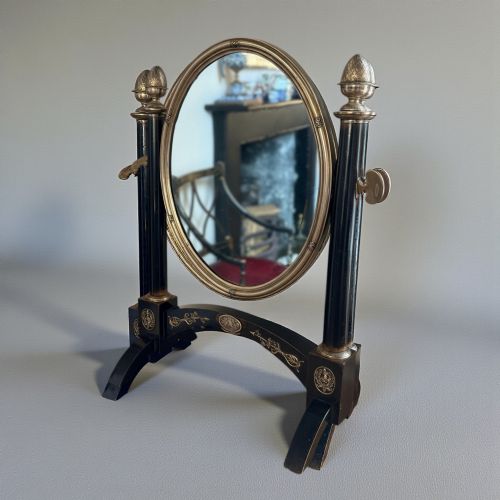
Several mirrors include clever little easel stands designed to prop up reflections on boudoir dressing tables.
Markers of quality and craftsmanship
The clarity and depth of the mirror glass distinguish finer examples from standard production, alongside the crispness of detail in repoussé or cast brass ornamentation. Heavier gauge metalwork and robust structural backing indicate superior workshop execution.
The integration of decorative elements, such as hand-chased motifs or specialised surface finishes, separates standard items from pieces with exceptional artistic merit. Preservation of original components and structural integrity further define the standing of individual pieces.
Maples of London and Paris·Thomas Rubergall of London
The Vintage Brass Mirror Glossary
- Repoussé
- Metalwork hammered into relief from the reverse side. This technique allows artisans to create intricate decorative patterns across brass frames.
- Sconce
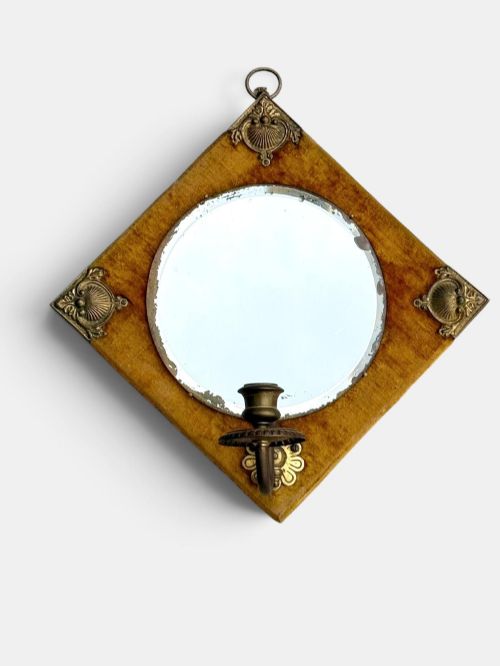
- A wall-mounted fixture designed to hold candles or lights alongside a reflective backplate. These pieces direct illumination outward into a room.
- Cheval mirror
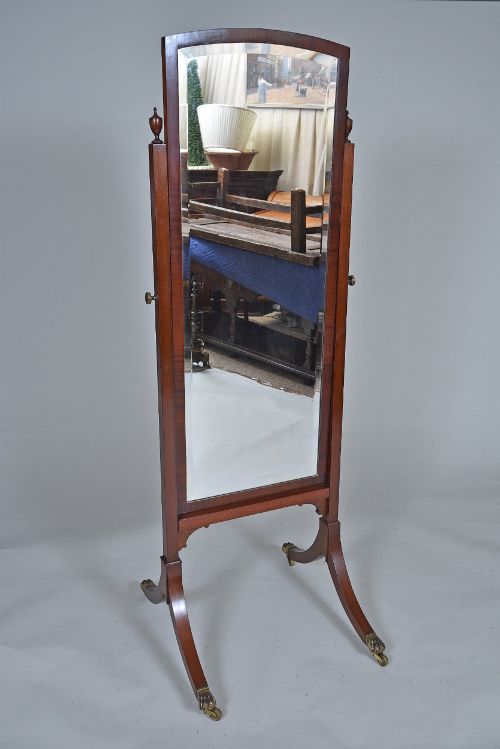
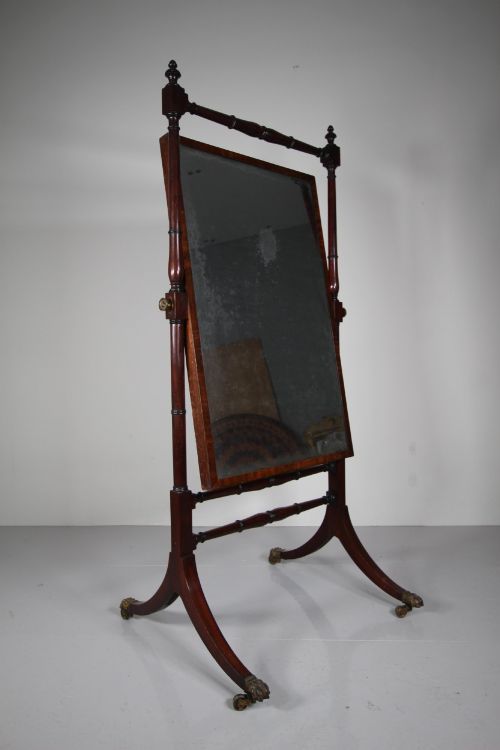
- A freestanding full-length glass held in a rotating frame between two vertical pillars. This form allows the viewing angle to be adjusted.
- Girandole
- An ornate branched wall mirror or candleholder. These decorative fixtures amplify light through multiple reflective surfaces.
- Champlevé
- An enamelling technique where troughs are dug into metal and filled with vitreous paste before firing. This method adds colour and pattern to brass mounts.
Vintage Brass Mirror: Frequently Asked Questions
How do I hang a heavy brass wall mirror?
Ensure the wall fixings match the weight of the metal frame and glass plate, utilising wall studs where possible.
Secure sturdy picture wire or heavy-duty D-rings directly to the wooden backing or frame structure for balanced support.
Where should I place a table mirror?
Position these pieces on dressing tables, sideboards, or mantelpieces where they can catch and reflect natural light.
Keep them away from direct moisture sources to protect the wooden backing and metal surfaces over time.
How do I clean vintage brass frames?
Dust the metal gently with a soft dry cloth to remove surface particles without disturbing the aged patina.
Avoid harsh chemical polishes that strip historical finish, opting instead for gentle, non-abrasive cleaning methods.
How can I tell the period of a mirror?
Examine the construction of the wooden backing, screw types, and mounting brackets for clues regarding the manufacturing era.
Stylistic markers such as Arts and Crafts hand-beating or Victorian ornamentation provide further chronological context.