

Chippendale Style Gilt Mirror
When you search for a chippendale style gilt mirror, you enter a world of fluid rococo curves and precise fretwork that has anchored grand interiors for centuries.
Chippendale Style Gilt Mirror
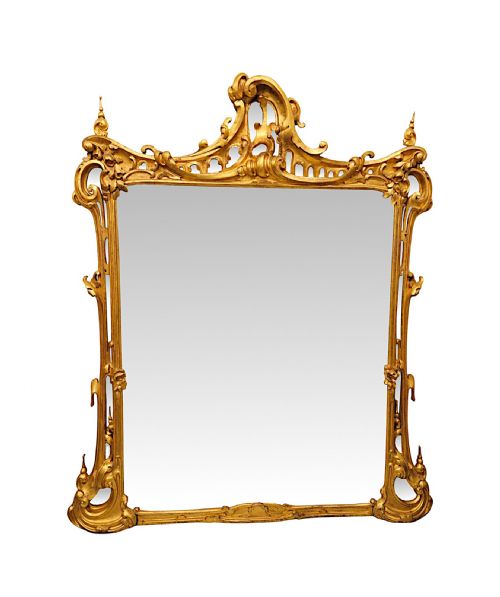
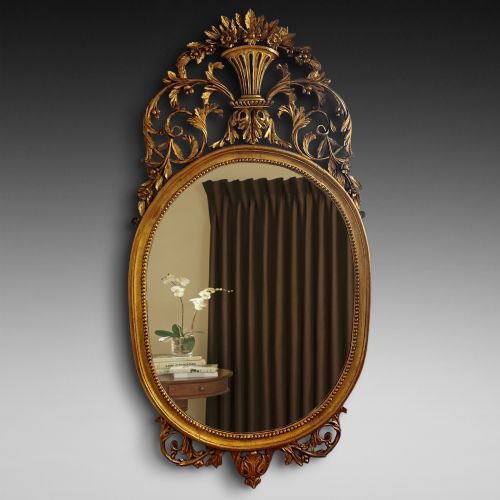
A chippendale style gilt mirror draws upon eighteenth-century English design principles, blending naturalistic asymmetry with classical structure. You will encounter these pieces manifested primarily as wall mirrors and substantial overmantels.
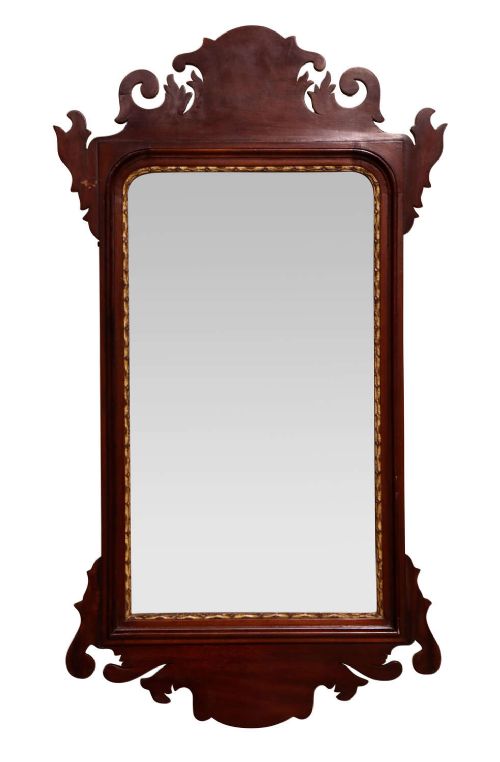
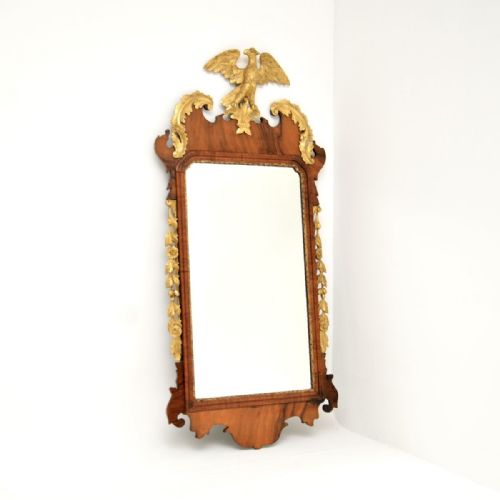
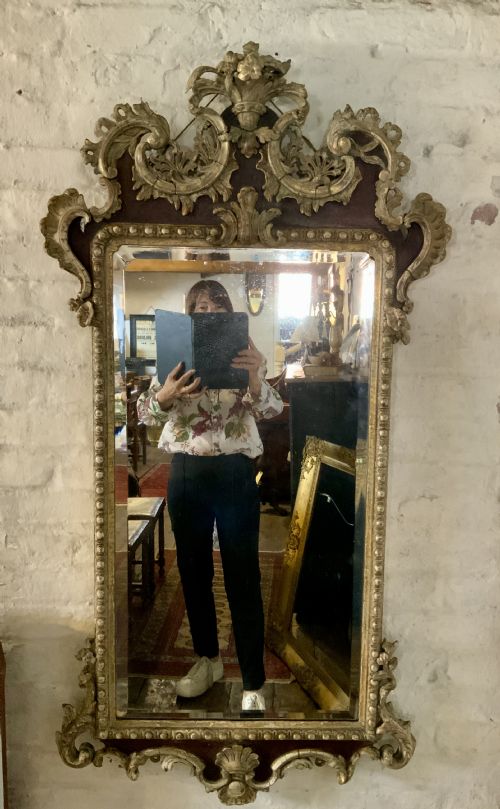
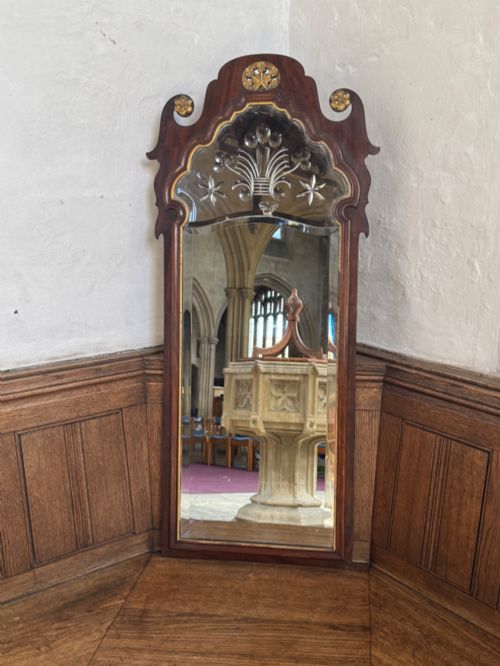
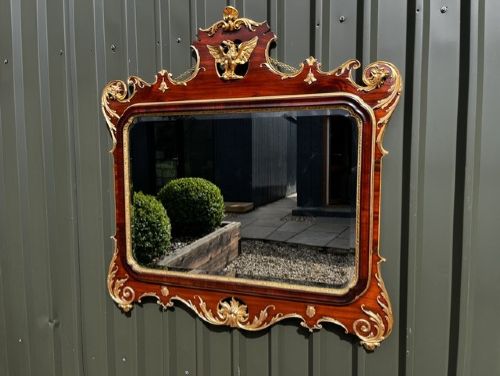
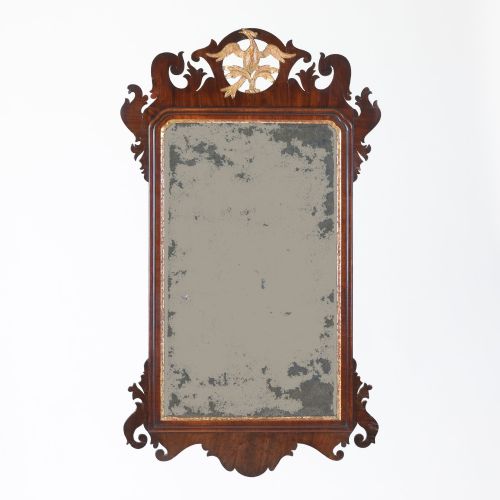
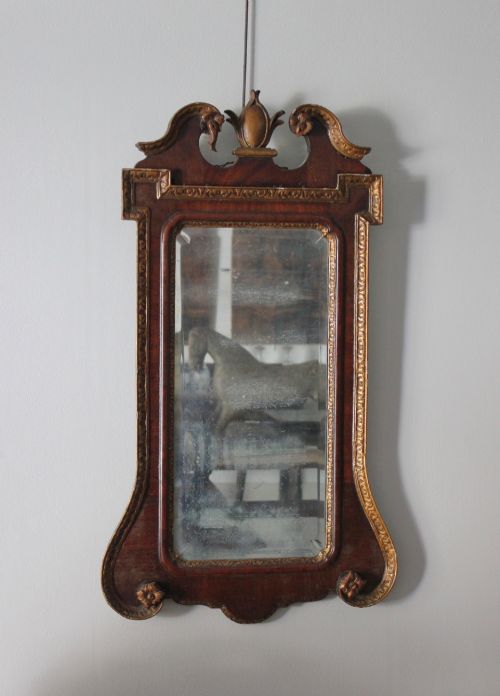
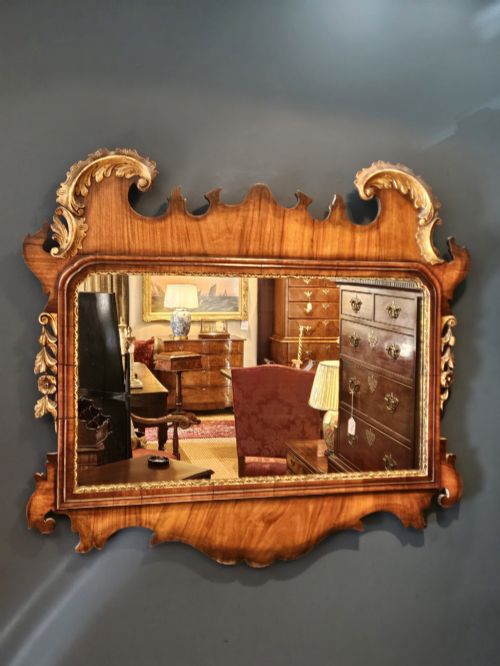
The selections span authentic Georgian production alongside later revivals from the nineteenth and early twentieth centuries. Surviving examples frequently incorporate mahogany or walnut foundations touched with parcel gilt or finished entirely in radiant gold leaf.
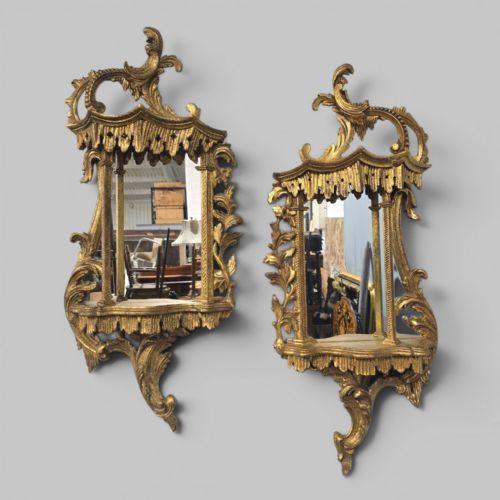
Chinese Chippendale variations introduce pagoda motifs and intricate fret-cut silhouettes alongside traditional rococo scrolls. These diverse formats demonstrate how cabinetmakers adapted classical vocabulary for domestic spaces across different eras.
Materials and Construction Techniques
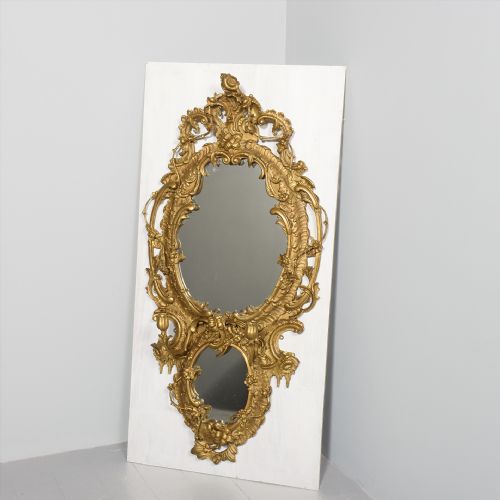
Makers fashioned the structural frames from dense hardwoods like mahogany and walnut, which provided the necessary strength for elaborate fretwork. Artisans applied thin sheets of gold leaf over layers of gesso to achieve a brilliant, reflective metallic surface.
Carvers executed intricate motifs by hand directly into the wood or onto applied plaster compositions. Pierced fret-cut panels required meticulous jigsaw work, while larger overmantel structures joined multiple wooden components to support heavy glass plates.
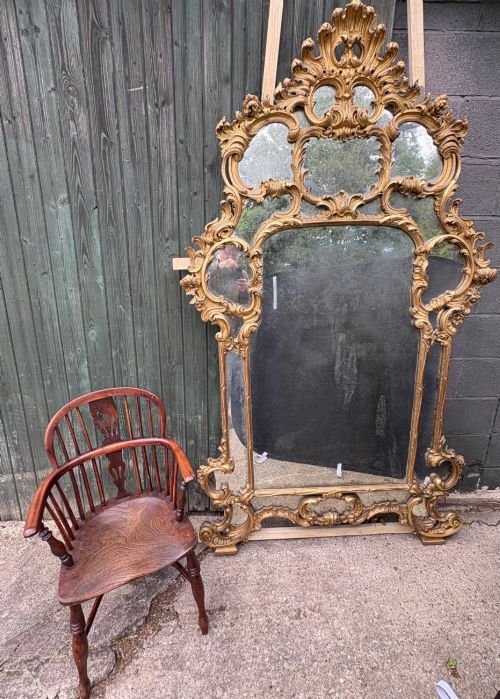
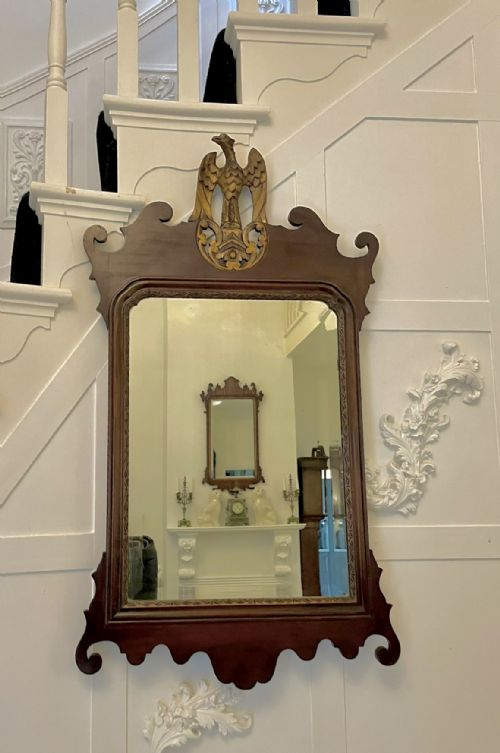
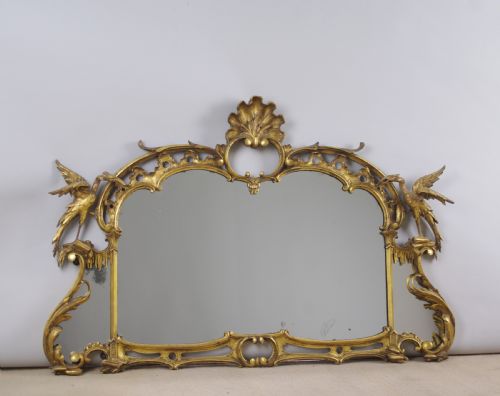
The inventory records both portrait wall mirrors and landscape overmantel mirrors decorated in gold leaf.
Craftsmanship and Material Depth
The distinction between tiers rests upon the crispness of the hand-carved ornamentation and the depth of the gilding. Superior examples display sharply defined acanthus leaves, birds, and scrolls without the softening effects of excessive overpainting.
Heavier framing timber and well-preserved original mirror plates with authentic bevels indicate higher original investment. The precision of the joinery on fret-cut borders separates standard commercial production from masterwork output.
The Chippendale Style Gilt Mirror Glossary
- Giltwood
- Wood that has been coated with gold leaf or metallic powder over a prepared gesso ground. This finish provides the luminous surface characteristic of formal period frames.
- Fretwork
- Openwork ornamentation cut from a thin board using a fretsaw or scroll saw. It creates the delicate, geometric silhouettes seen along the outer borders of these frames.
- Parcel Gilt
- A decorative treatment where only specific carved portions of a wooden object are gilded, leaving the underlying mahogany or walnut exposed elsewhere. This technique creates a striking contrast between the dark grain and gold highlights.
- Overmantel Mirror
- A large horizontal looking glass designed specifically to hang above a fireplace mantelpiece. These pieces often feature extensive landscape formats and elaborate crestings.
- Ho-Ho Bird
- A stylized mythological bird, often resembling a Chinese phoenix, frequently incorporated into rococo and Chinese Chippendale crests. It adds an exotic narrative element to the carved woodwork.
Chippendale Style Gilt Mirror: Frequently Asked Questions
How do I date a Chippendale style mirror?
Dating relies on examining the timber species, the construction of the backboards, and the manufacturing methods of the glass plate. Eighteenth-century pieces typically show hand-cut joinery and older plate glass characteristics, whereas revival pieces from the Victorian or Edwardian eras utilise machine-sawn elements.
Secondary indicators include the wear patterns on the gilt layer and the specific chemical composition of the gesso underneath. Comparing the stylistic motifs against documented Georgian pattern books also helps narrow down the period of manufacture.
Where should I hang an overmantel mirror?
An overmantel mirror finds its traditional home securely mounted directly above a fireplace opening. Its generous proportions reflect natural light across the room while anchoring the focal point of the interior architecture.
Ensure the wall fixings engage directly with structural studs or masonry to support the substantial weight of the timber and glass. Positioning the base just above the mantel shelf maintains proper visual balance with the hearth below.
What is Chinese Chippendale style?
Chinese Chippendale represents an eighteenth-century aesthetic that fused European rococo frameworks with Asian-inspired motifs. You will notice distinct architectural elements such as pagoda roofs, lattice patterns, and whimsical bird carvings integrated into the giltwood frames.
This crossover style flourished during the Georgian period and experienced notable revivals in the late nineteenth and early twentieth centuries. It offered fashionable interiors an exotic, theatrical elegance through intricate fretwork and asymmetrical designs.
How should I clean a giltwood frame?
Giltwood surfaces require extremely gentle maintenance to preserve the delicate gold leaf and underlying gesso. Dust the carved details regularly using a very soft, dry brush without applying pressure that might flake the metallic finish.
Avoid all liquid cleaners, commercial polishes, and damp cloths, which can permanently strip the gilding from the wood. Professional conservation remains necessary for any structural repairs or major cleaning tasks.