


Georgian Style Mantle Mirror
A georgian style mantle mirror brings historic architectural scale and bright reflection into a room, spanning periods from the eighteenth century onwards.
Georgian Style Mantle Mirror
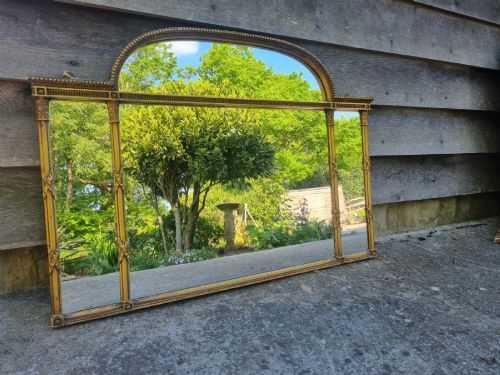
When you search for a georgian style mantle mirror, you find large overmantel mirrors designed to sit above a fireplace, alongside smaller wall-hanging and vanity pieces. These objects originate from various periods including the eighteenth century, the regency era, and nineteenth-century revivals.
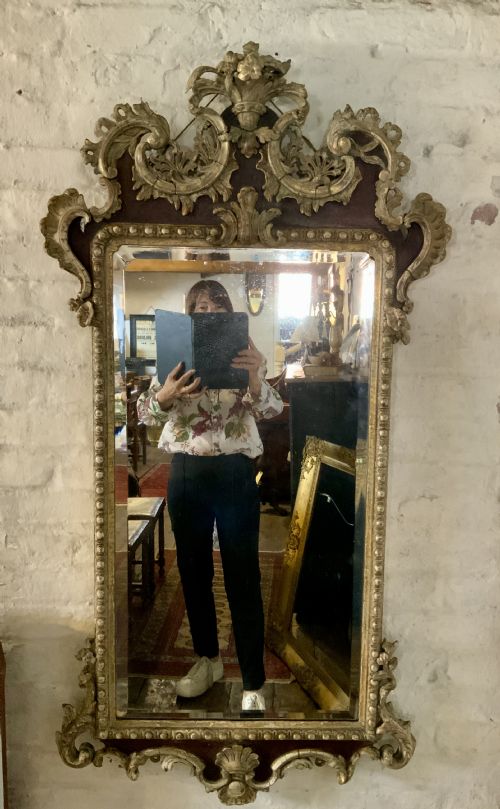
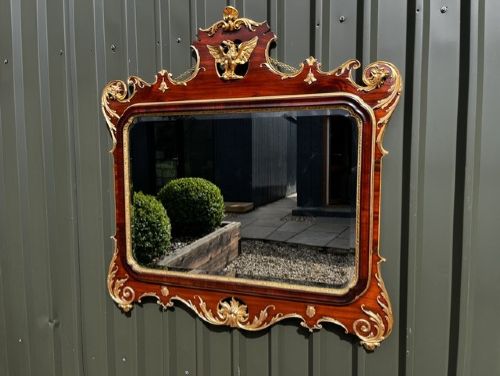
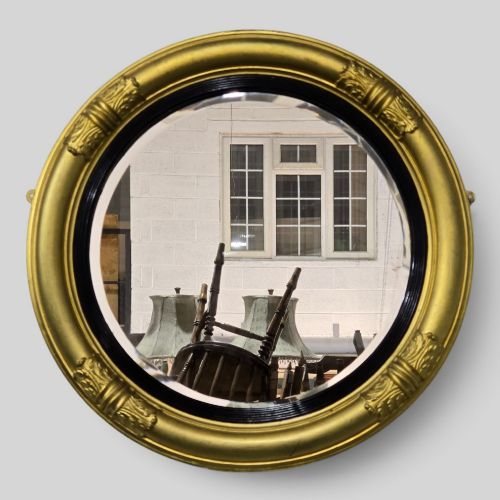
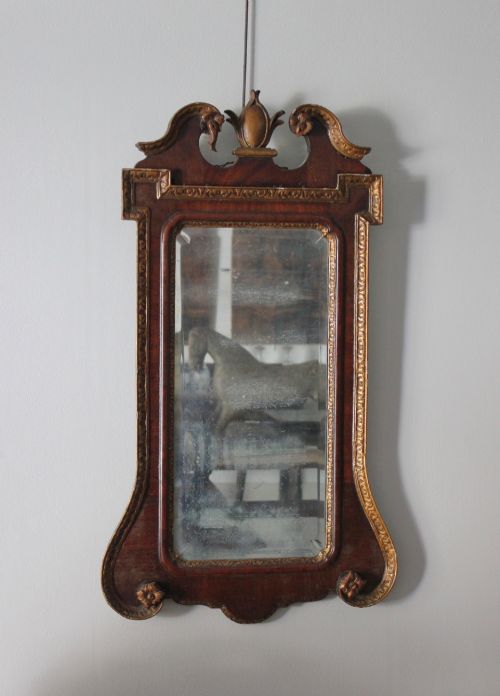
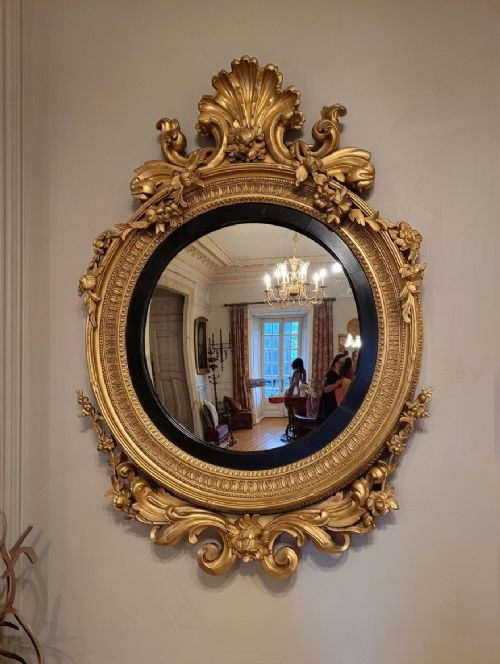
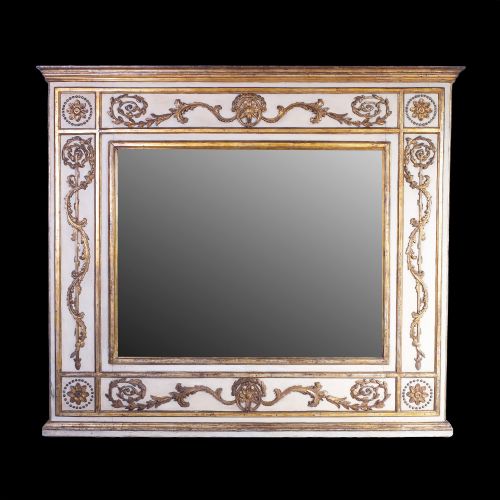
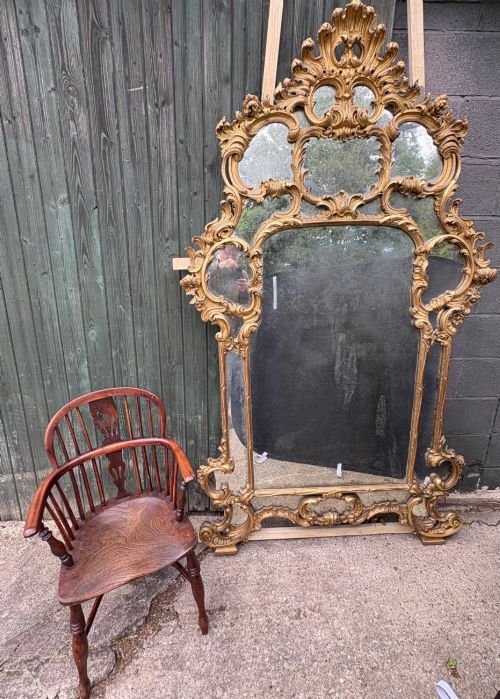
The pieces on this page take several distinct forms, from wide horizontal overmantels to tall vertical pier glasses and round or oval wall mirrors. Many follow specific stylistic revivals such as chippendale, neoclassical, and georgian rococo, reflecting the decorative tastes of past centuries.
You are most likely to encounter nineteenth-century interpretations and revivals alongside genuine pieces from the georgian and regency periods. These items utilise traditional timber frames and gilded surfaces suited to principal reception rooms and hallways.
Materials and construction methods
The primary construction materials recorded in these listings include timber frames made from mahogany and walnut, often paired with carved wood and gesso. Artisans built these sturdy carcasses to support substantial panes of glass above domestic hearths.
Gilding forms a major part of the decorative technique, using gold leaf or painted finishes applied over gesso and carved wood details. Parcel gilt highlights appear alongside solid mahogany and walnut veneers to create depth and contrast.
Listings span from the eighteenth century through the regency era into the victorian period, featuring mahogany, walnut, gesso, and giltwood.
Evaluating craftsmanship and condition
The distinction between tiers of the market rests on the crispness of the carved wood details and the sophistication of the gesso mouldings. Finer examples display deeply carved ornamentation and balanced proportions that reflect the architectural standards of their origin.
The preservation of original components, such as early mirror glass and backing boards, alters the character of a piece. Better examples retain their original gilding and structural integrity without heavy modern intervention.
The Georgian Style Mantle Mirror Glossary
- Overmantel mirror
- A large mirror specifically designed to be hung or placed upon the mantelpiece above a fireplace. These horizontal pieces visually expand the room.
- Giltwood
- Timber that has been coated with a thin layer of gold leaf or gold paint. This technique creates a bright, reflective surface characteristic of formal period frames.
- Gesso
- A plaster-like mixture applied to wood frames to create a smooth surface for carving and gilding. It allows for intricate relief ornamentation.
- Parcel gilt
- Woodwork that is partially gilded with gold leaf while other areas reveal the natural grain of the underlying timber, such as mahogany or walnut.
- Pier glass
- A tall mirror designed to be hung on the wall space between windows, often reflecting light back into the interior.
Georgian Style Mantle Mirror: Frequently Asked Questions
Where should I hang an overmantel mirror?
These mirrors traditionally sit directly above a fireplace mantel in a principal reception room or morning room. Their horizontal proportions match the width of the hearth below.
You can also mount them on long expanses of wall in reception halls to bounce natural light deeper into the interior space.
How do I tell an original eighteenth-century mirror from a nineteenth-century revival?
Examinations of the timber construction, backboards, and mounting brackets reveal the likely period of manufacture. Eighteenth-century pieces often show distinct hand-tool marks and aged joinery.
Revival pieces from the nineteenth century frequently employ machine-sawn elements and different framing techniques even when mimicking earlier georgian styles.
What is the difference between a wall mirror and a pier glass?
Wall mirrors encompass a wide variety of shapes, including round, oval, and rectangular formats intended for general domestic placement. They function flexibly across bedrooms, hallways, and living spaces.
Pier glasses are specifically proportioned to hang on the narrow wall pillar situated between two windows, maximising the reflection of daylight.
Can these mirrors be used in modern interiors?
The classic proportions and gilded or mahogany frames integrate smoothly into contemporary living spaces as focal points. They add architectural depth to plain walls without requiring matching period furniture.
Placing one opposite a window introduces additional light and creates the optical illusion of expanded room dimensions.