
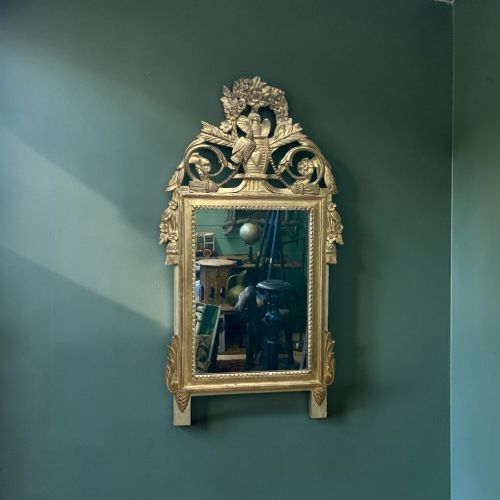
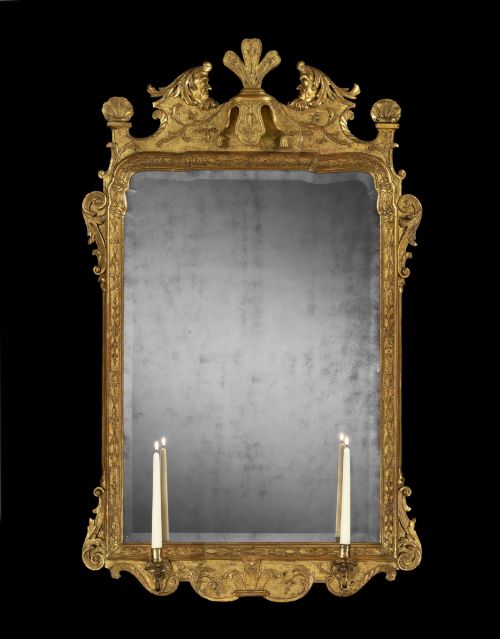

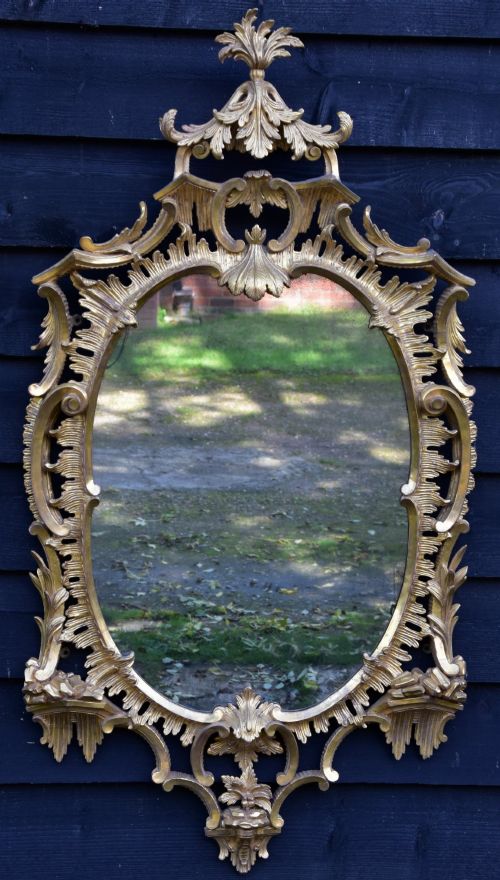
18th Century Gold Mirror
An 18th century gold mirror brings unmistakable warmth and historic presence to a room through carved detail and gilded surface.
18th Century Gold Mirror
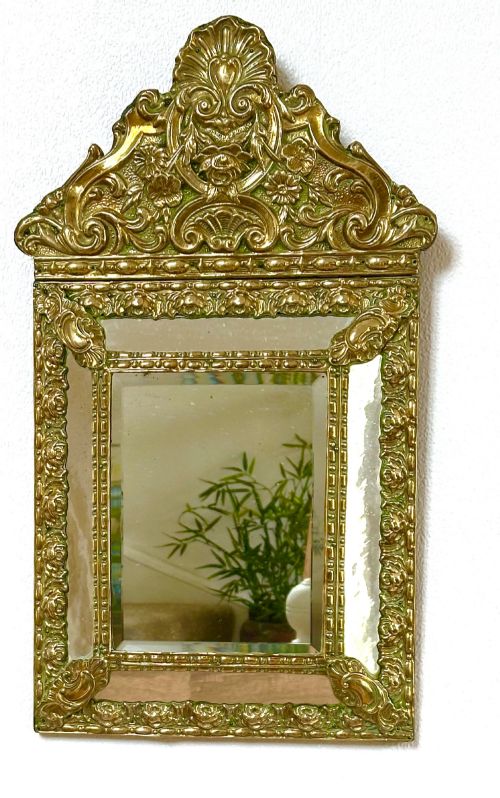
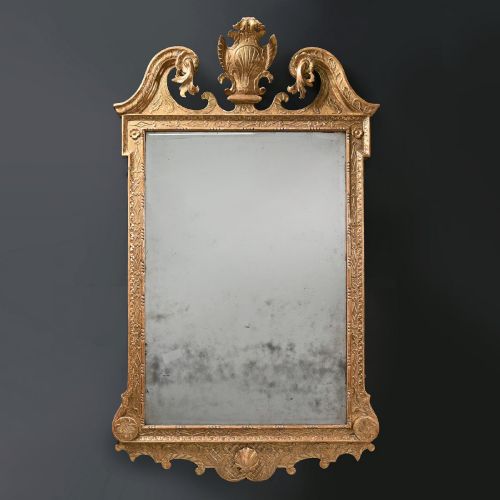
An 18th century gold mirror encompasses wall mirrors, table mirrors, and grand overmantel mirrors designed to reflect light and enhance interior spaces. Pieces span Georgian, George II, George III, and Rococo styles, originating from English and continental workshops.
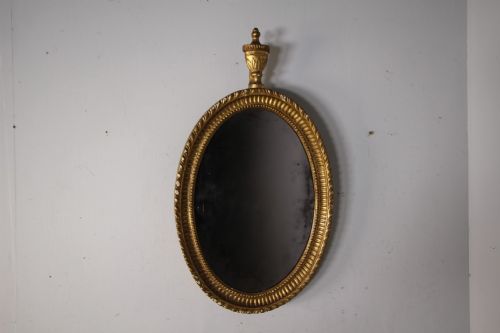
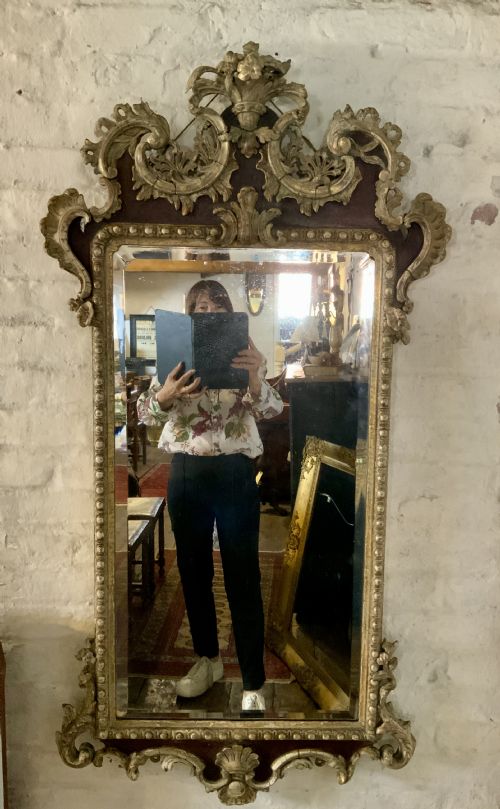
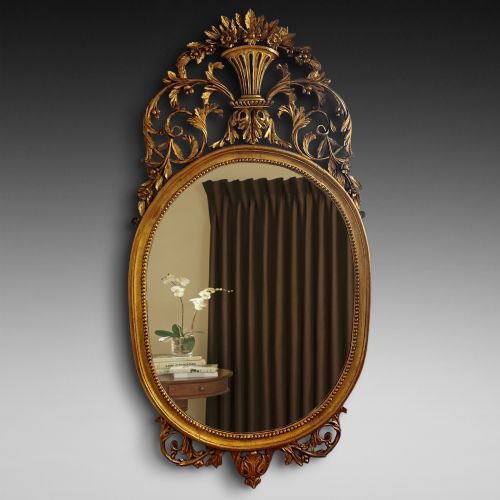
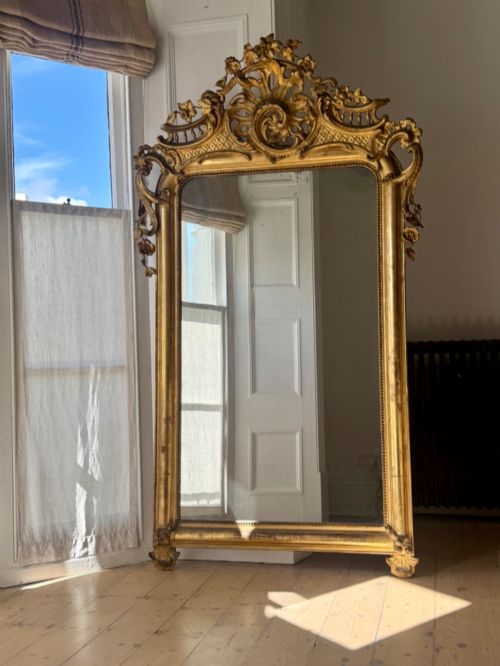
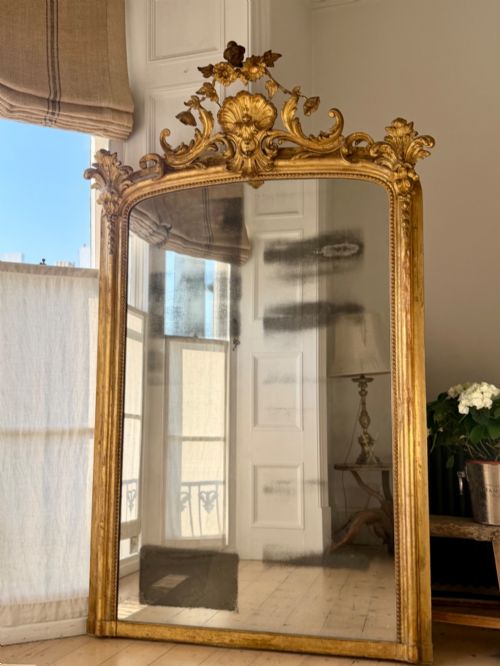
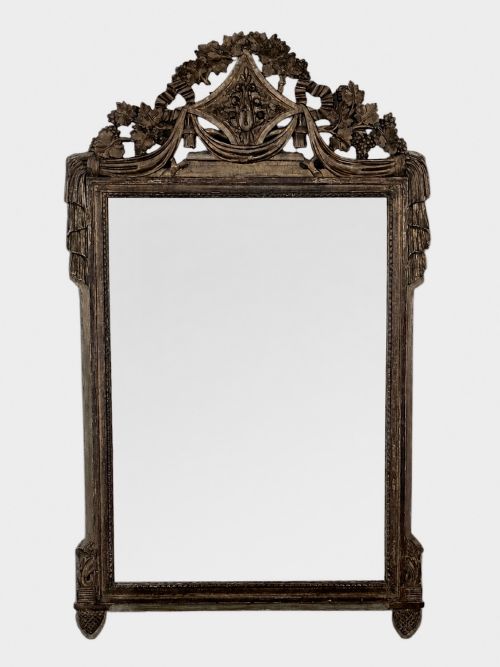
The most common examples on this page are carved giltwood and gesso wall mirrors, often featuring oval, cartouche, or rectangular forms. French and Italian iterations frequently display elaborate Rococo or Neoclassical flourishes.
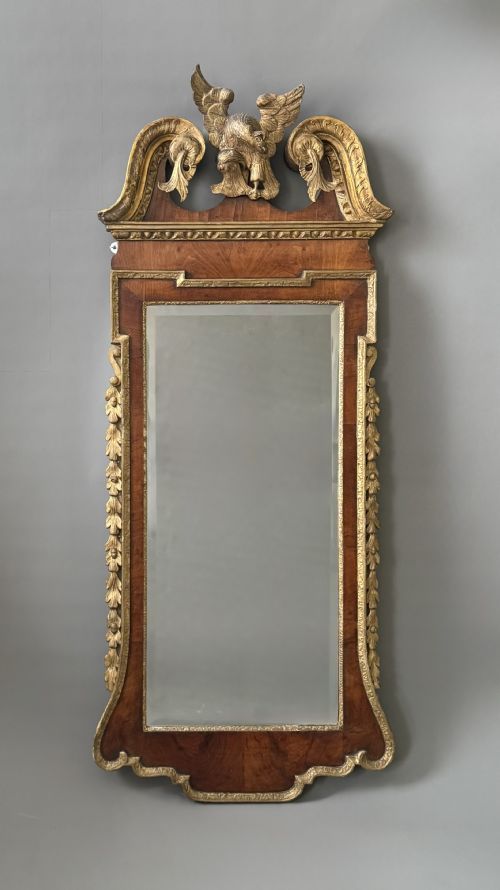
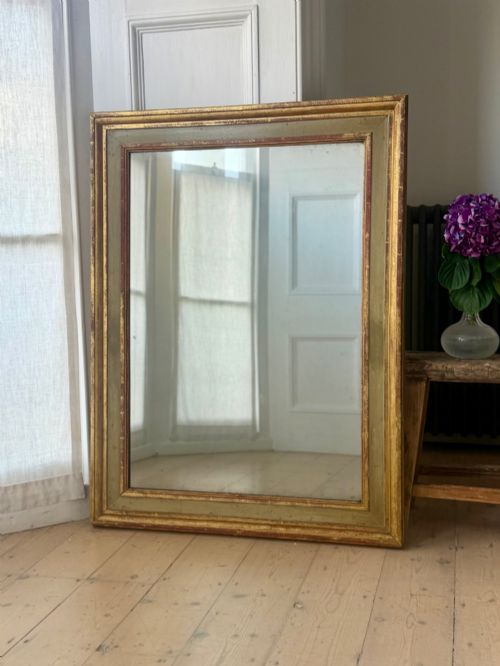
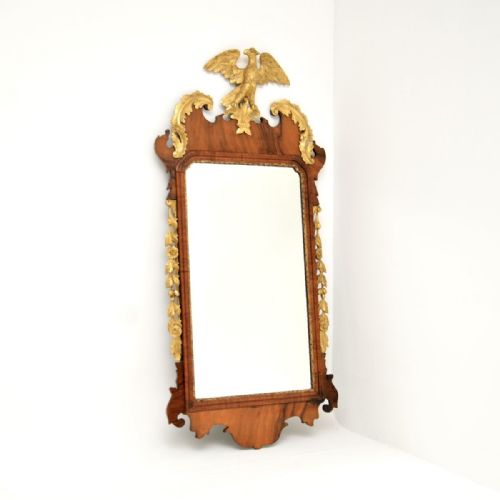
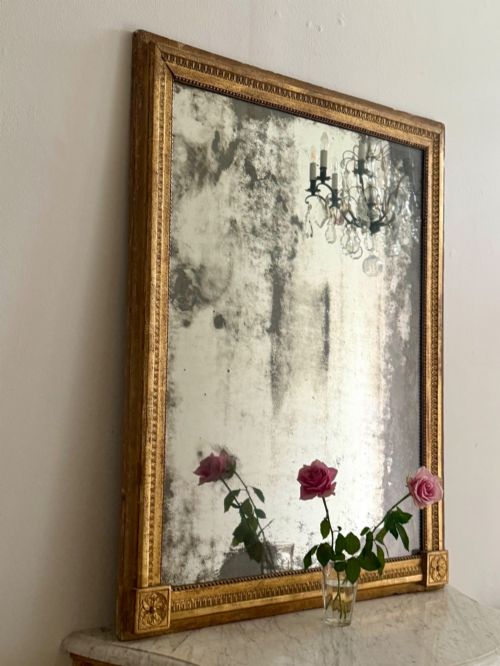
Buyers encounter walnut and mahogany frames alongside heavily gilt surfaces, demonstrating the varied aesthetic choices of the period. Original plates, including mercury glass with foxing, appear regularly within these historic frames.
How they were made
Craftsmen built timber frames from woods such as pine, walnut, or mahogany, often applying layers of gesso to create smooth surfaces for carving. Gilding involved laying gold leaf over the prepared gesso base, sometimes burnishing sections to achieve varied reflectivity.
Mirror plates were produced by hand, resulting in characteristic depth and imperfections, with mercury glass frequently utilised in French and English examples. Carved details were executed directly into the wood or moulded in gesso before the final gilding process.
Materials recorded across the inventory include glass, giltwood, gesso, gold leaf, brass, mercury glass, and walnut.
What varies in quality
Quality rests upon the crispness of the carving and the depth of the gesso work beneath the gold leaf. Finer pieces display confident, deeply undercut foliage, masks, and scrolls rather than shallow or softened moulding.
The preservation of the original mirror plate and gilding dictates distinction. Retaining the early mercury glass plate and untouched gold leaf elevates a piece above those with later replacements or heavy restoration.
The 18th Century Gold Mirror Glossary
- Giltwood
- Wood that has been coated with gold leaf or powder. This finish gives the frames their characteristic metallic sheen.
- Gesso
- A mixture of plaster of Paris or chalk with glue, used to coat wood before carving or gilding. It provides a smooth base for intricate details.
- Mercury glass
- Silvered glass created by pouring a mercury amalgam between double-walled glass or onto flat glass plates. It produces a dark, mottled reflection.
- Cartouche
- An ornamental frame resembling a scroll or a sheet of paper with rolling edges. These appear frequently in Rococo mirror designs.
- Girandole
- A branched wall mirror designed to hold candles. The reflective glass magnifies the candlelight within the room.
18th Century Gold Mirror: Frequently Asked Questions
Where should I hang an antique mirror?
These mirrors suit principal reception rooms, hallways, or above a fireplace mantel where they catch and multiply natural light.
Ensure the wall construction supports the substantial weight of carved timber and glass frames.
How do I identify a Georgian mirror?
Georgian mirrors typically display architectural symmetry, fretwork frames in mahogany or walnut, and classical motifs.
Look for period construction methods in the timber backing and original fixings.
What is foxed glass?
Foxing refers to the dark spots and speckles that develop in the reflective backing of older mirrors over time.
This ageing process is valued by collectors as proof of age and authenticity.
How do I clean an antique gold mirror?
Dust the carved frame gently with a soft, dry brush to avoid disturbing fragile gesso and gold leaf.
Clean the glass plate sparingly with a damp cloth, keeping moisture away from the historic wooden edges.