


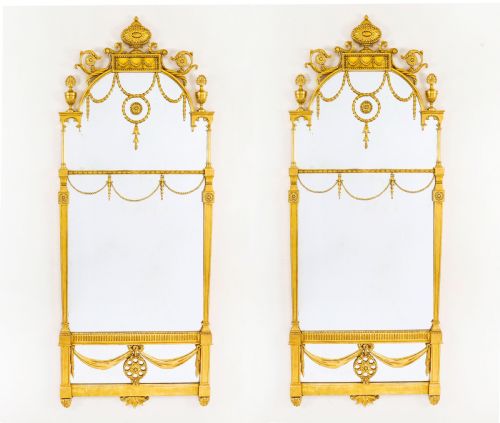
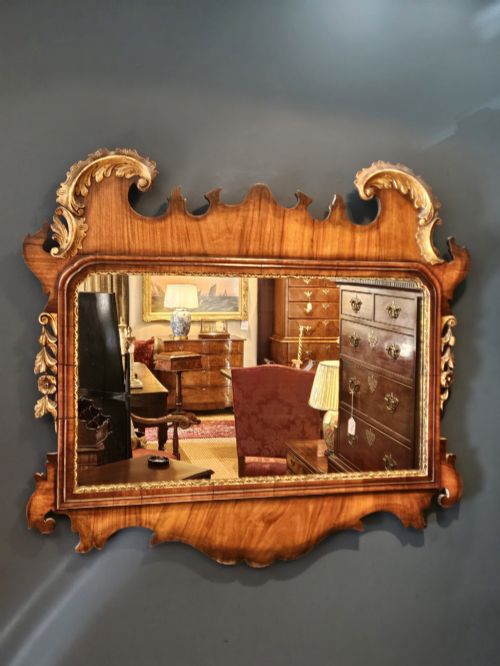


George I Gilt Mirror
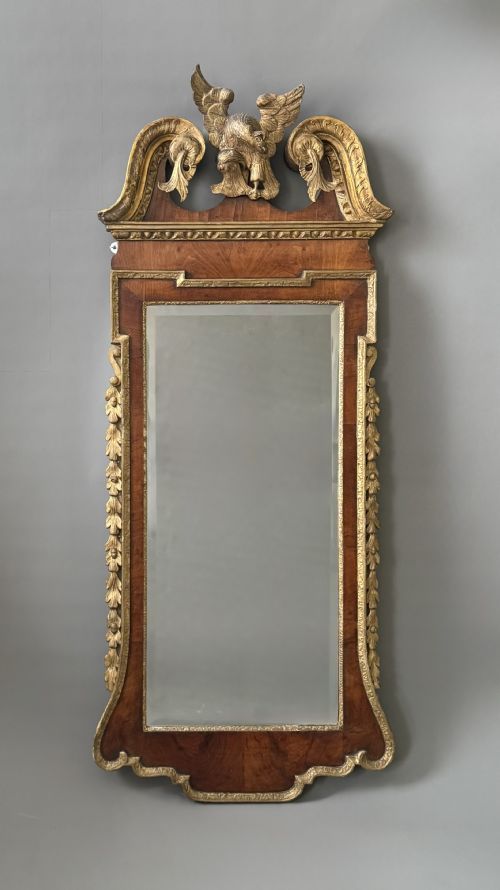
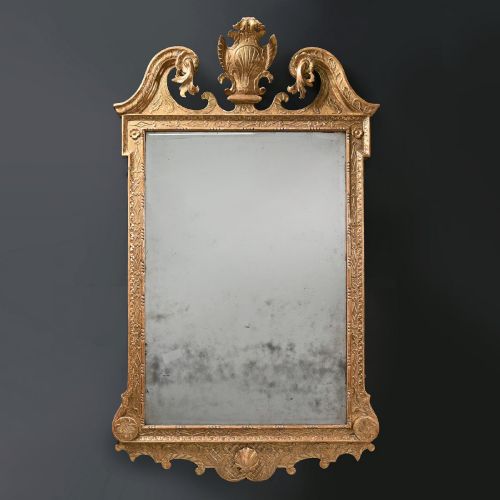
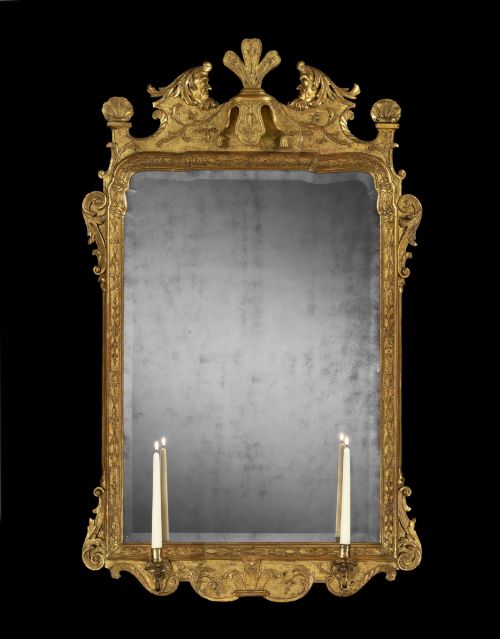
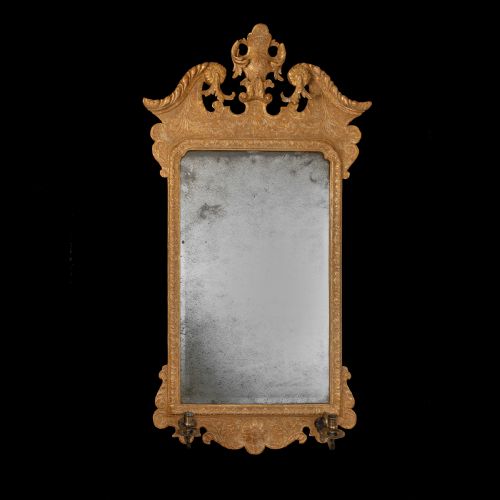
A george i gilt mirror brings together carved gesso, gold leaf and walnut in forms designed for eighteenth-century interiors.
George I Gilt Mirror
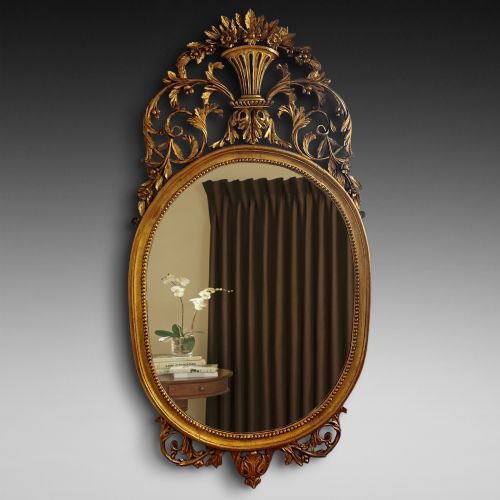
The pieces seen most frequently on this page combine carved giltwood and gesso frames, often incorporating walnut or parcel-gilt elements that reflect the aesthetic of the 1720s and 1730s.
Originating as high-status furnishings for Georgian drawing rooms and halls, these mirrors survive in both period configurations and nineteenth-century or twentieth-century revival interpretations.
Materials and Construction
Carvers built these frames using softwoods like pine for deep relief carving, applying layers of gesso to form smooth surfaces before laying gold leaf.
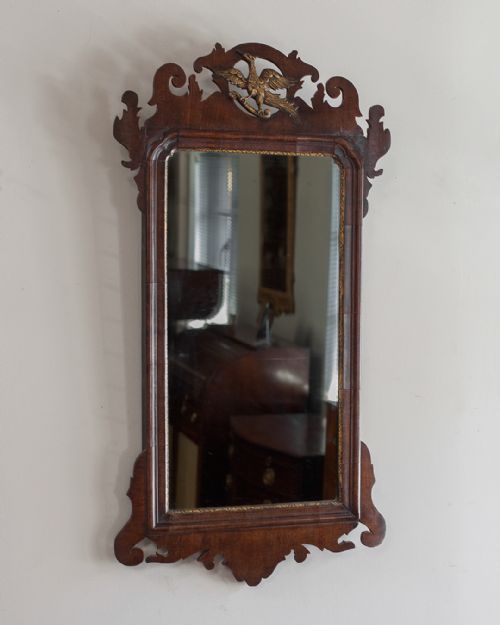
Walnut and mahogany served as foundational timbers for fretwork and parcel-gilt designs, paired with brass fittings and original mirror glass plates where surviving.
Listings feature walnut, mahogany, and sycamore timbers alongside traditional gesso and gold leaf applications.
Evaluating Quality
The depth and crispness of the carved gesso separate standard production from master craftsmanship, particularly in the rendering of foliage, scrollwork and architectural pediments.
The preservation of original mercury glass plates and untouched gold leaf significantly influences the standing of an individual piece within the historical hierarchy.
William Kent·John Belchier·Benjamin Goodison
The George I Gilt Mirror Glossary
- Gesso
- A mixture of chalk and size applied to a wooden frame as a base for gilding. This preparation allows artisans to carve intricate relief details before applying gold leaf.
- Parcel Gilt
- Partial gilding used to highlight specific carved areas of a wooden frame. It typically leaves the underlying walnut or mahogany grain exposed on flat surfaces.
- Pier Mirror
- A tall wall mirror designed to hang between windows. These pieces often matched console tables placed below them in eighteenth-century room schemes.
- Fretwork
- Openwork ornamentation cut from thin wood panels using a fret saw. Eighteenth-century makers utilised this technique extensively on walnut and mahogany mirror frames.
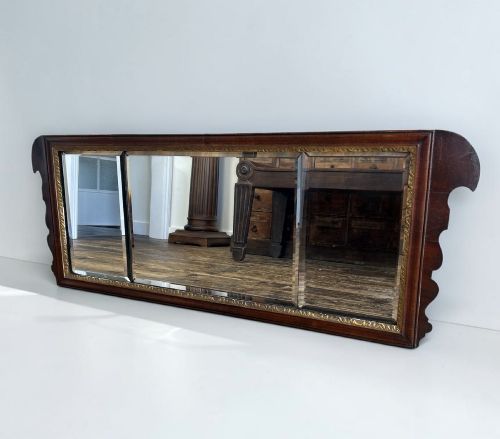
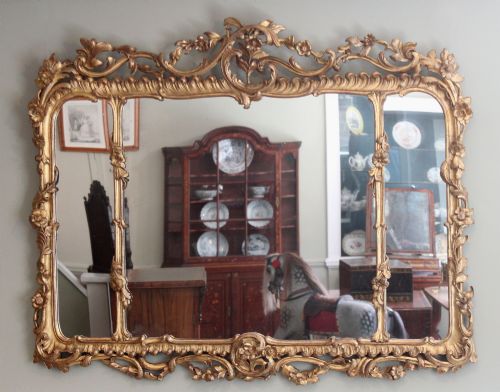
- Triple Plate Mirror
- A wall mirror featuring three distinct glass sections set side by side. This form provides an expansive reflective surface popular in early Georgian interiors.
George I Gilt Mirror: Frequently Asked Questions
How do I hang a heavy antique mirror safely?
Heavy giltwood and gesso frames require direct support into wall studs using appropriate steel brackets or professional hanging systems that distribute the weight evenly.
Avoid relying solely on plaster or drywall anchors, as the combination of dense timber and old glass creates substantial downward force.
Are original mirror plates expected to show foxing?
Original mirror glass frequently develops dark spots, oxidation, and silvering loss known as foxing over centuries of exposure to air and moisture.
Collectors generally accept this natural ageing as confirmation of authenticity, preferring untouched plates over modern replacements.
How do I distinguish an eighteenth-century original from a revival copy?
Period pieces display hand-cut joinery, aged pine or hardwood secondary timbers, and gesso that has hardened and cracked naturally over generations.
Revival mirrors from the nineteenth or twentieth century often reveal machine-sawn elements and uniform gilding techniques under close inspection.
What is the best way to clean a giltwood frame?
Dust giltwood surfaces gently with a soft, dry artist brush or ostrich feather duster to remove loose particles without disturbing the delicate gold leaf.
Water and chemical cleaning agents must be avoided entirely, as moisture softens the underlying gesso and strips the gilding away.