
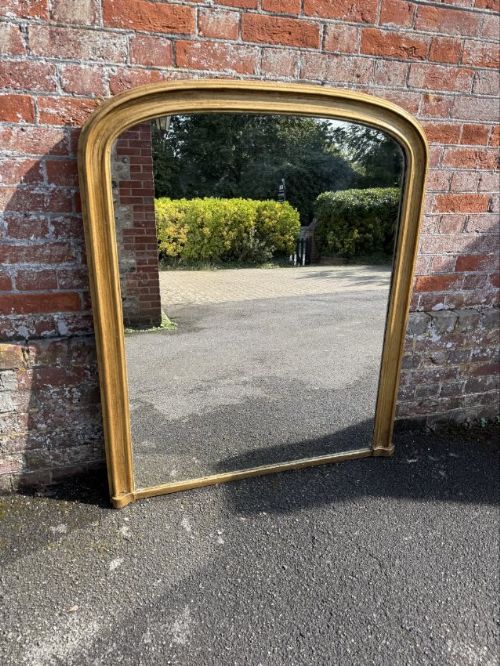
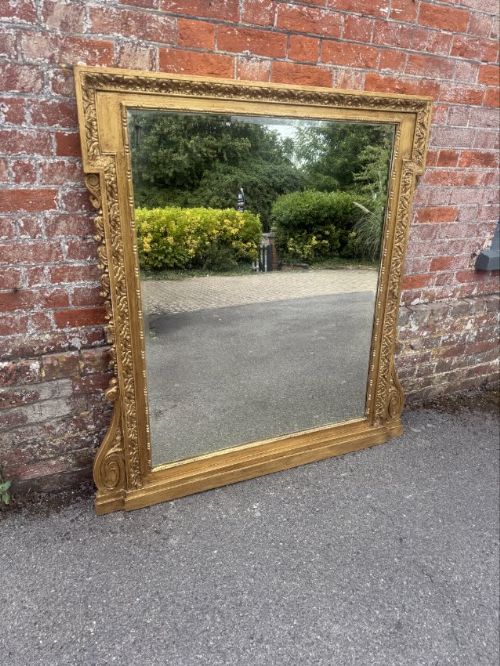
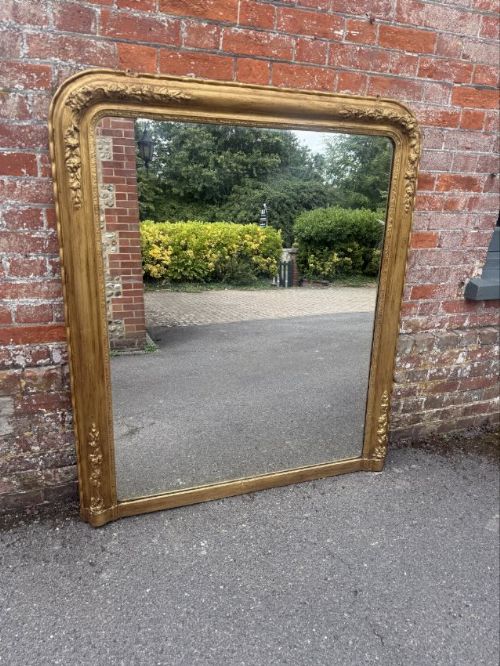
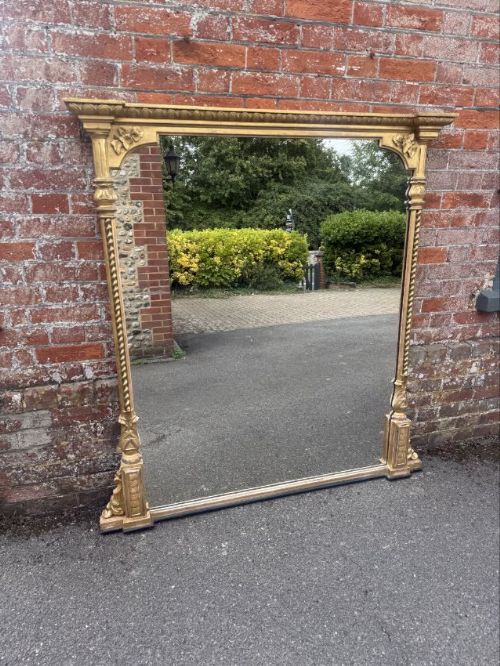
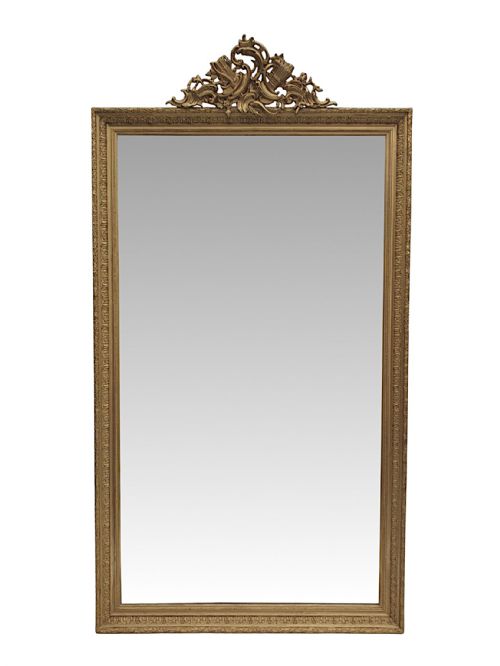
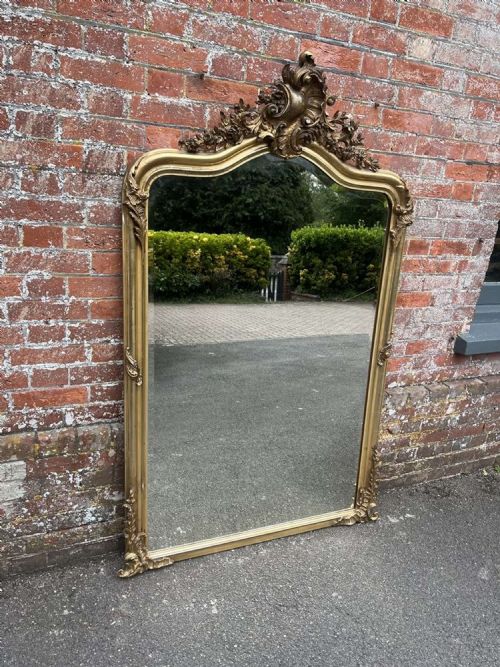
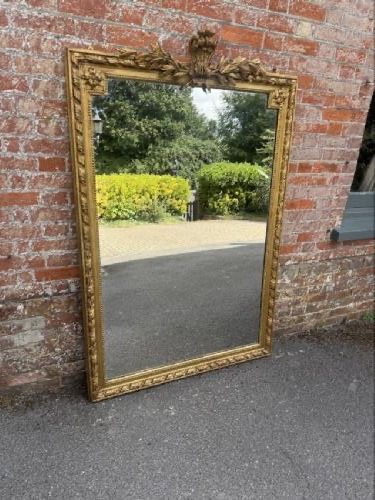
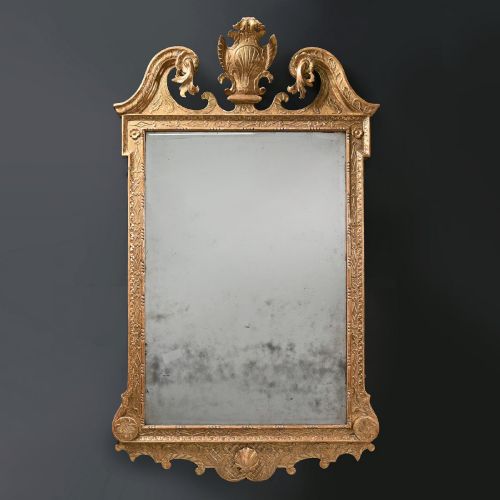
Gold Gesso Mirror
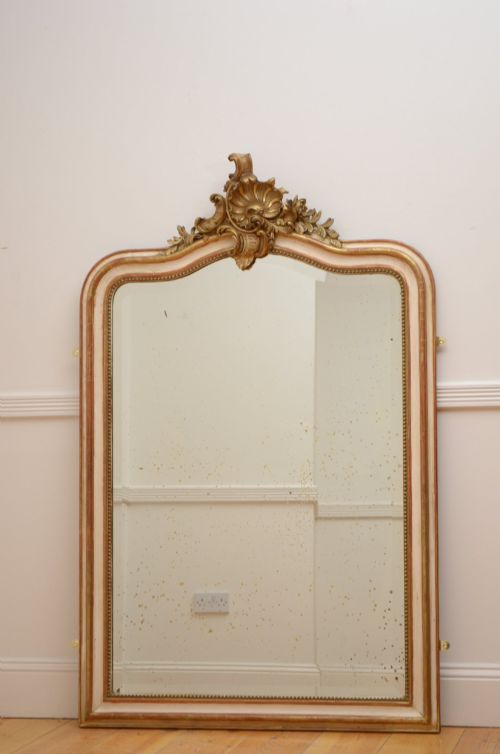
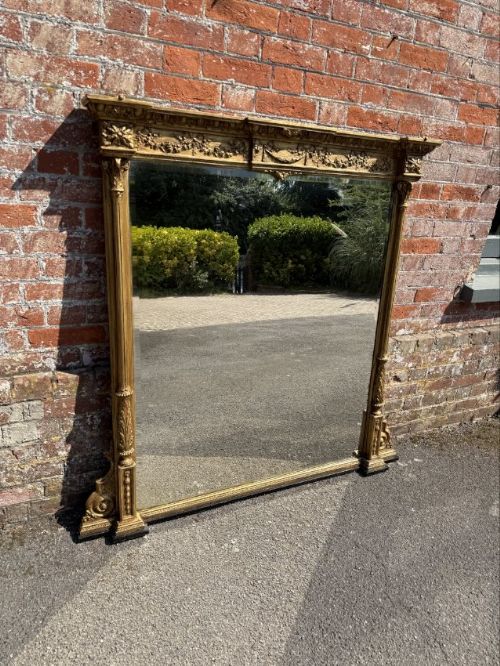
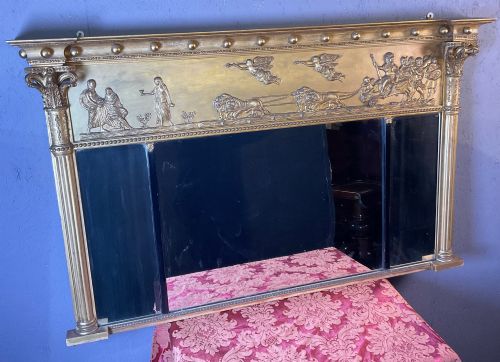
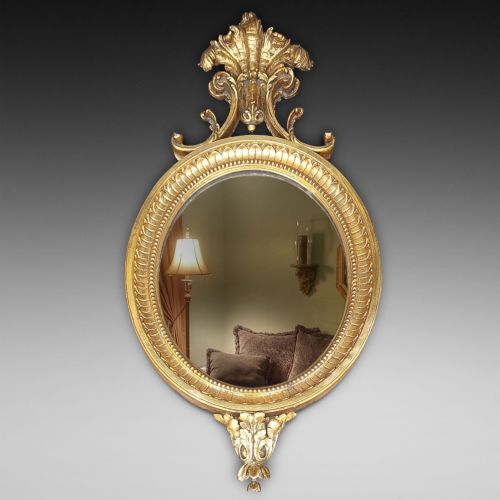
A gold gesso mirror combines carved wooden frames with plaster relief work and guilded surfaces to create ornate focal points.
Gold Gesso Mirror
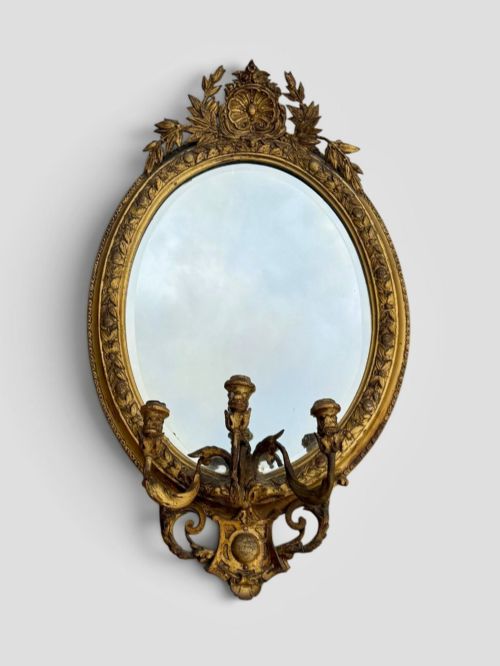
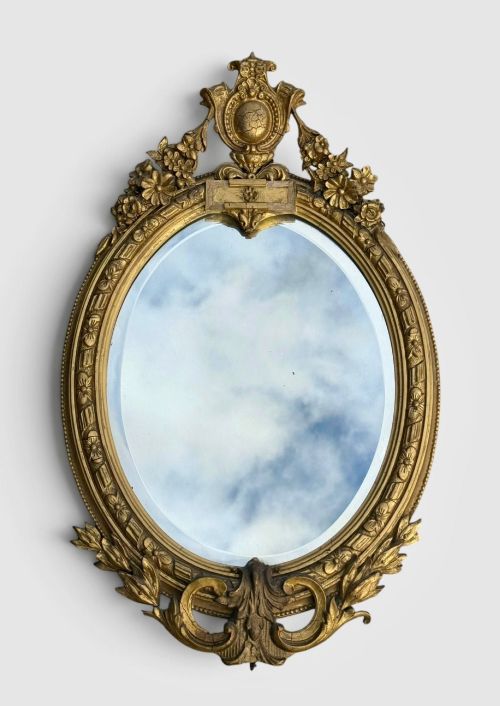
A gold gesso mirror typically manifests as a large overmantel, wall, or pier glass designed to hang above a fireplace or console table. These pieces emerge predominantly from the nineteenth century, with Victorian English examples and French Rococo revival designs appearing frequently.
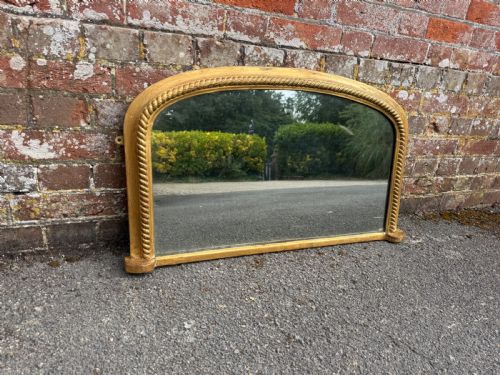
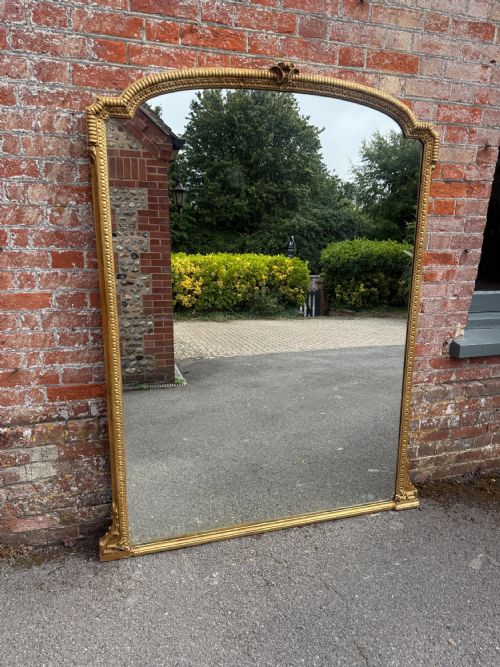
Buyers also encounter earlier eighteenth-century George II and George I period objects alongside occasional twentieth-century variations. Forms range from arched top and shaped top frames to rectangular, oval, and girandole mirrors.
Materials and construction
Construction relies on a foundation of carved wood, such as oak or pine, which receives multiple layers of gesso plaster to build up relief ornamentation. Artisans then apply gold leaf or gilt paint over the prepared surface to achieve a bright metallic finish.
Mirror glass sits within these elaborate frames, accompanied at times by brass elements or rope twist and column mouldings.
Rope twist frames give the impression that the entire heavy wooden structure might simply unwind if pulled.
Quality factors
Depth and intricacy of the carved wooden substrate and gesso relief dictate the visual weight of the frame. Crispness in the execution of rococo scrolls, floral motifs, or architectural columns distinguishes superior craftsmanship from softer, simpler mouldings.
The integrity of the original gold leaf and the preservation of the underlying gesso layers determine the optical richness of the surface. Original mirror glass with period silvering further elevates the historical value of the object.
The Gold Gesso Mirror Glossary
- Gesso
- A plaster mixture applied to wood frames to create a smooth surface for gilding. It allows for detailed relief carving and moulding before gold leaf application.
- Overmantel mirror
- A large horizontal mirror designed specifically to hang on the wall directly above a fireplace mantelpiece. These often feature arched or shaped tops to fit architectural spaces.
- Giltwood
- Wood that has been covered with a thin layer of gold leaf or gilt paint. It provides the characteristic metallic sheen seen on antique frames.
- Pier mirror
- A tall vertical mirror traditionally hung on the narrow section of wall between two windows. They often coordinate with matching console tables beneath them.
- Girandole
- A decorative wall mirror featuring attached candle sconces or arms. The reflective surface multiplies the candlelight within a room.
Gold Gesso Mirror: Frequently Asked Questions
Where should I hang an overmantel mirror?
These large mirrors traditionally occupy the wall space directly above a fireplace mantel. Their substantial scale creates a focal point in principal reception rooms.
Ensure secure fixings into wall studs or masonry to support the considerable weight of the carved wood and glass.
How do I clean a gilt gesso surface?
Dust the ornate frame gently with a dry, soft brush or feather duster. Avoid liquid cleaners and chemical solvents entirely, as moisture and harsh agents damage delicate gold leaf.
Clean the mirror glass separately using a cloth dampened slightly with glass cleaner, taking care not to let spray touch the surrounding frame.
What is the difference between gesso and giltwood?
Gesso refers to the plaster compound layered onto a wooden base to form raised decorative details. Giltwood describes the finished timber surface covered in gold leaf.
Antique frames generally combine both materials, using wood for structural integrity and gesso for intricate surface relief beneath the gold.
How can I date a nineteenth-century mirror?
Examine the construction methods visible on the reverse of the frame, alongside the style of the carving and moulding. Victorian and French Rococo revival pieces from this era often display distinct arched tops or column frames.
The characteristics of the mirror glass and backing boards provide further clues regarding the manufacturing period.