

Rococo Giltwood Pier Mirror
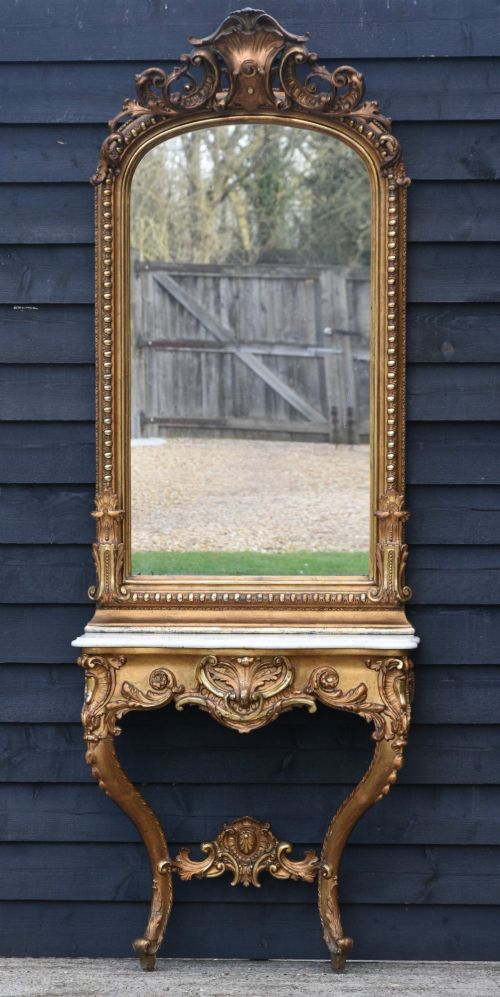
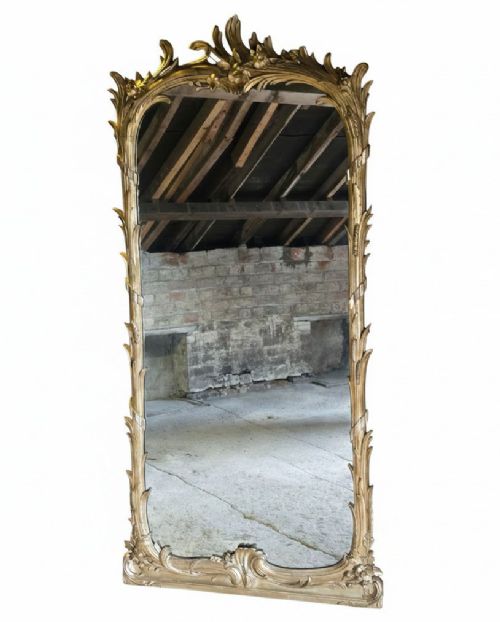
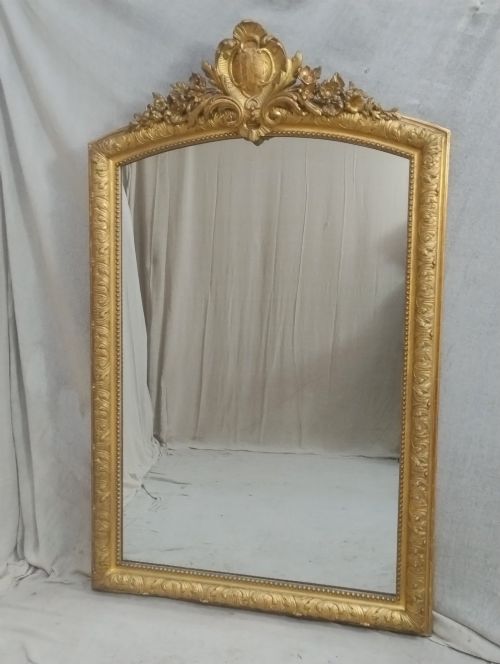
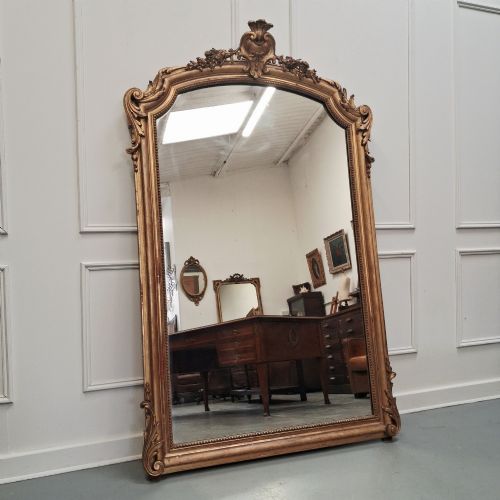
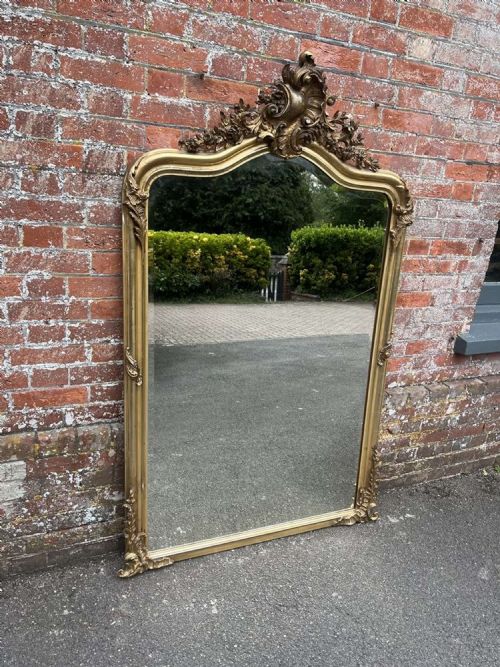
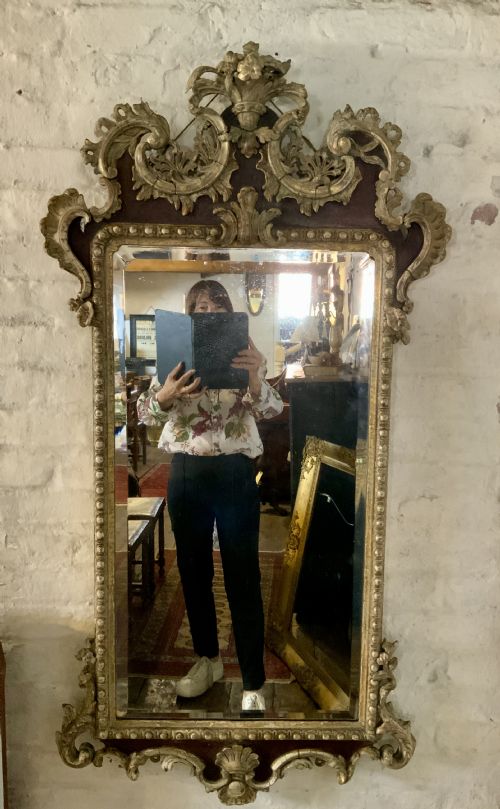
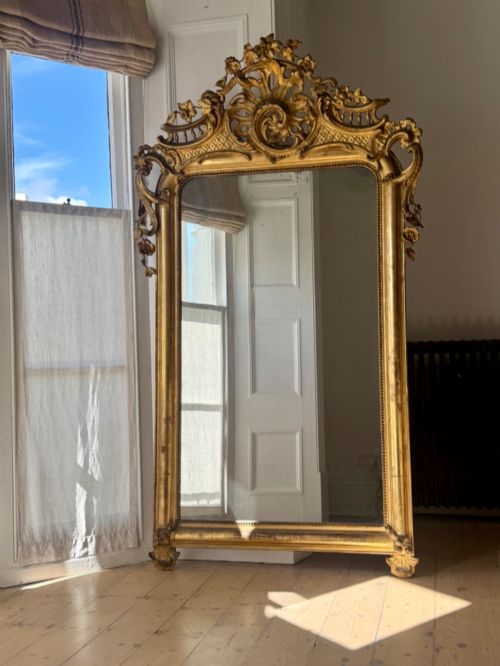
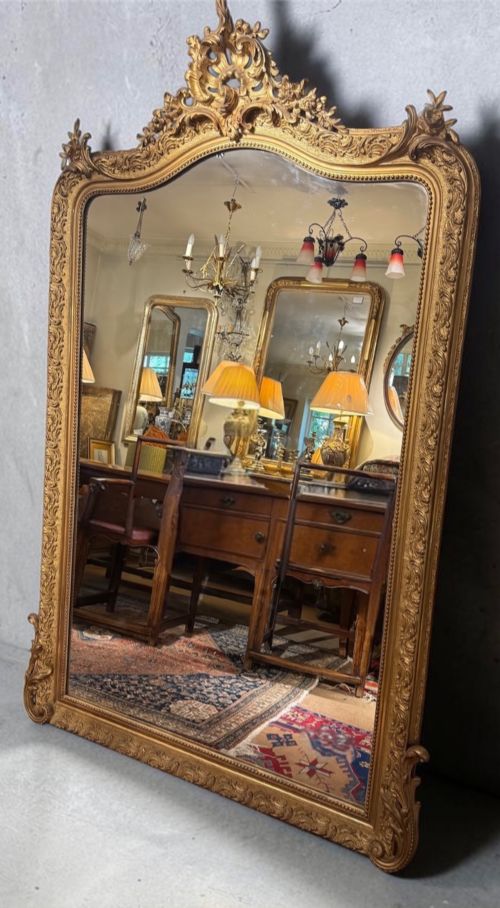
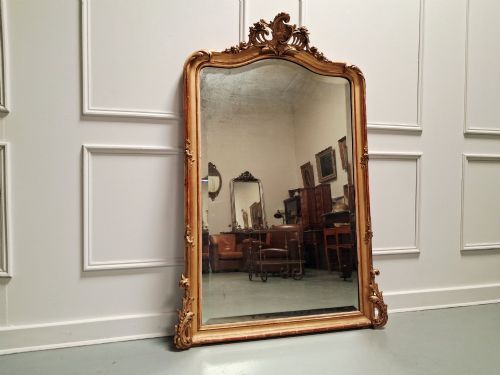
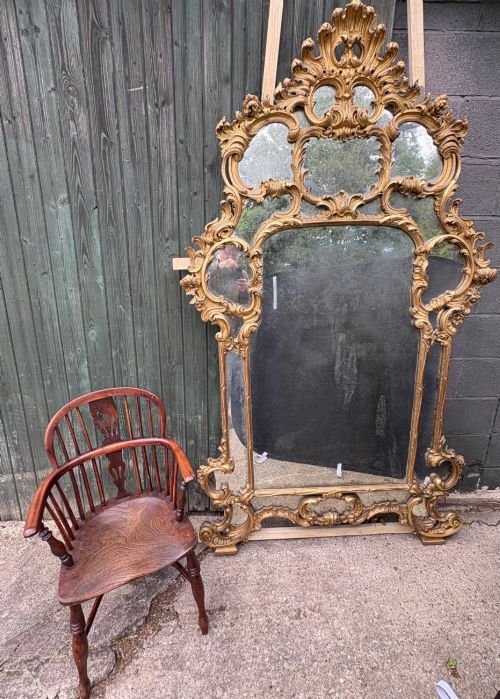
These rococo giltwood pier mirror pieces combine elaborate carved frames with tall vertical glass, designed to command attention between windows.
Rococo Giltwood Pier Mirror
A rococo giltwood pier mirror is typically encountered as a tall vertical glass set into an ornate wooden frame, designed originally to hang on the narrow wall space between windows. The examples found here span the eighteenth, nineteenth, and early twentieth centuries, appearing in Georgian, French, and Italian iterations.
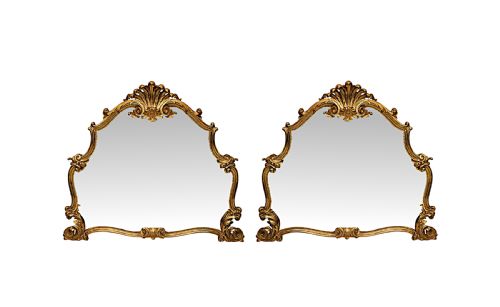
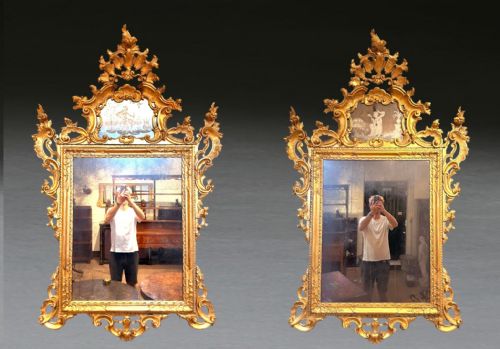
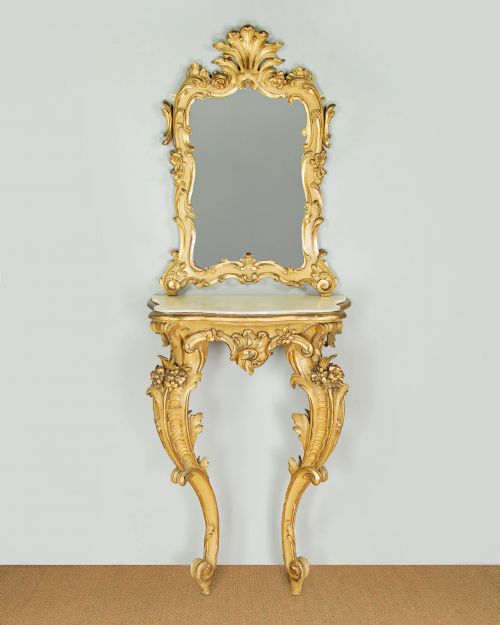
The forms range from standalone wall glasses to paired overmantel pieces and complete console table and mirror sets. The visual vocabulary draws heavily on asymmetrical scrollwork, naturalistic motifs, and the lively ornamentation characteristic of the rococo style.
Originating largely from French, Italian, and English workshops, these mirrors vary from restrained walnut and parcel gilt constructions to monumental gilded statements. The nineteenth century yields a strong presence of revival pieces alongside surviving eighteenth-century originals.
Materials and construction
The primary structural foundation relies on carved wood, often pine or walnut, which receives a layer of gesso to build up the intricate relief details. Gold leaf or gilding is then applied over the prepared surface to create the luminous metallic finish.
The reflective components utilise traditional mirror glass, including mercury glass in older examples, held within frames that frequently incorporate applied composition ornamentation for finer scrollwork. Supporting elements on console combinations involve marble tops paired with carved wooden bases.
Materials recorded across the inventory include carved wood, gesso, marble, and both standard and mercury mirror glass finished in gold leaf.
Understanding quality
Quality rests primarily in the crispness and depth of the hand-carved wooden details rather than moulded composition. Skilled carving shows clear undercut edges and natural flow in the asymmetrical foliage, whereas lesser examples rely on heavy plaster build-up that softens the contours.
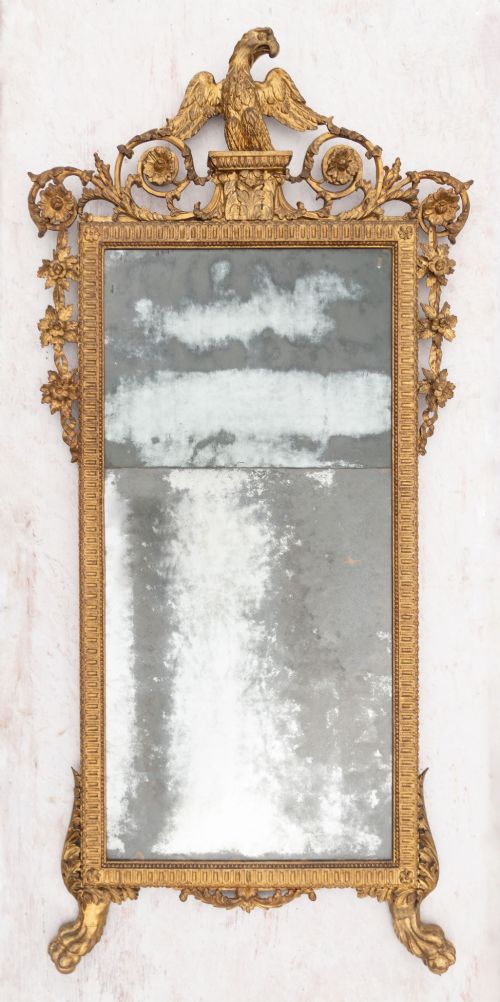
The integrity of the original gilding and the character of the aged mirror glass significantly influence the overall standard of a piece. Original mercury plates with natural foxing sit at a different level of desirability compared to later plate glass replacements.
The Rococo Giltwood Pier Mirror Glossary
- Giltwood
- Wood covered with thin sheets of gold leaf. This finish provides the characteristic metallic sheen seen on period frames.
- Pier glass
- A tall mirror intended to hang on the pier wall between two windows. It frequently matches a console table placed directly beneath.
- Gesso
- A plaster mixture applied to carved wood to create a smooth surface for gilding. It allows for the formation of sharp decorative relief.
- Mercury glass
- An early type of mirror glass created by pouring a mercury amalgam behind the glass plate. It produces a characteristic mottled reflection over time.
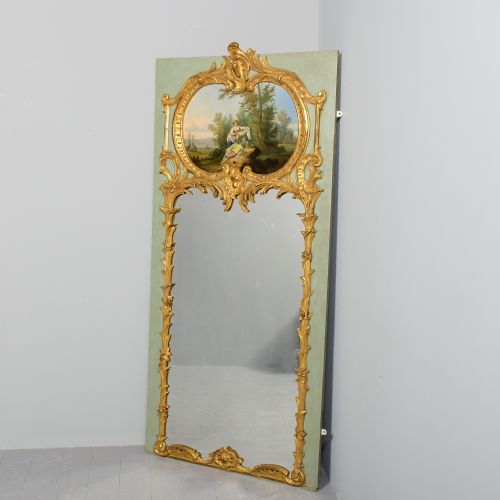
- Trumeau
- A decorative wall mirror or panel set into wood wall paneling. These often incorporate painted scenes or carved woodwork above the glass.
Rococo Giltwood Pier Mirror: Frequently Asked Questions
Where should I hang a pier mirror?
These mirrors suit narrow wall spaces, particularly between tall windows or above matching console tables where they can reflect light effectively.
Their vertical proportions also make them appropriate for hallways and drawing rooms needing a commanding decorative focal point.
How do I identify a true period piece?
Examination of the frame construction reveals hand-carved wooden details beneath the gesso rather than uniform moulded composition. Older examples often show period tool marks and historical surface wear on the gilding.
The glass itself provides clues through distortion, beveling styles, and backing characteristics consistent with eighteenth or nineteenth-century manufacturing methods.
What is mercury glass?
Mercury glass is an early reflective material made using a silver-mercury amalgam poured between double-walled glass or applied to the back of a single plate. It creates a deep, cloudy reflection with dark spots known as foxing.
This appearance distinguishes older surviving mirrors from standard modern silvered glass plates.
How do I care for antique giltwood?
Giltwood surfaces require gentle dusting with a soft, dry brush to protect the delicate gold leaf and gesso layers from damage. Moisture and commercial cleaning chemicals must be avoided entirely.
Keeping the mirror away from direct sunlight and excessive humidity helps preserve the stability of the wood and the integrity of the gilding.