



Chippendale Giltwood Mirror
Chippendale giltwood mirror pieces bring together intricate carved wood, gesso, and gold leaf in designs that define classical interior elegance.
Chippendale Giltwood Mirror
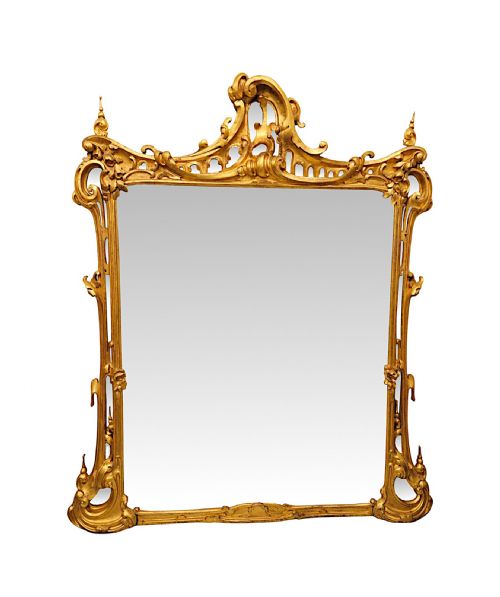
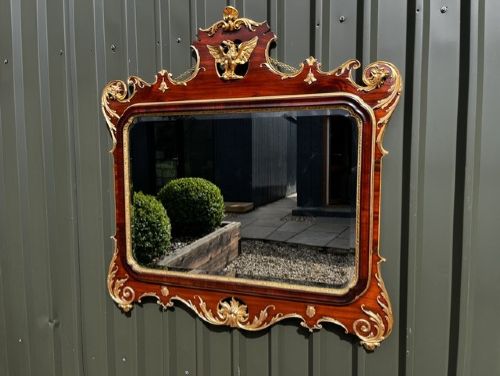
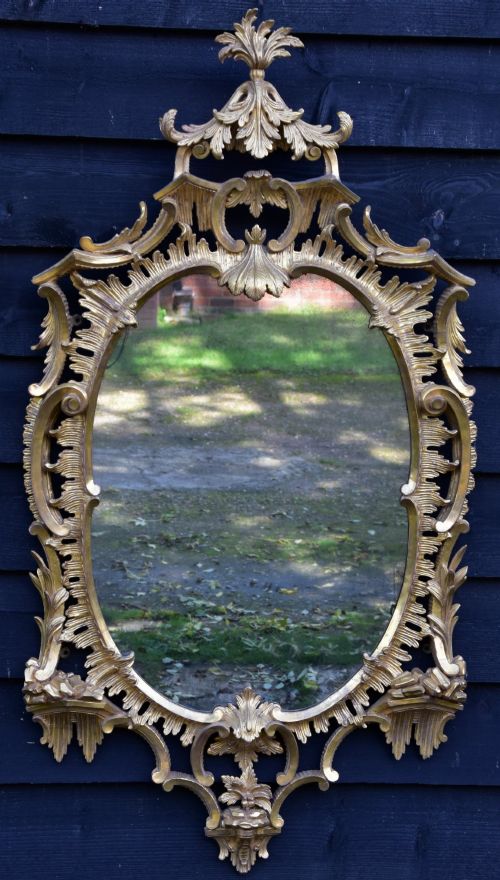
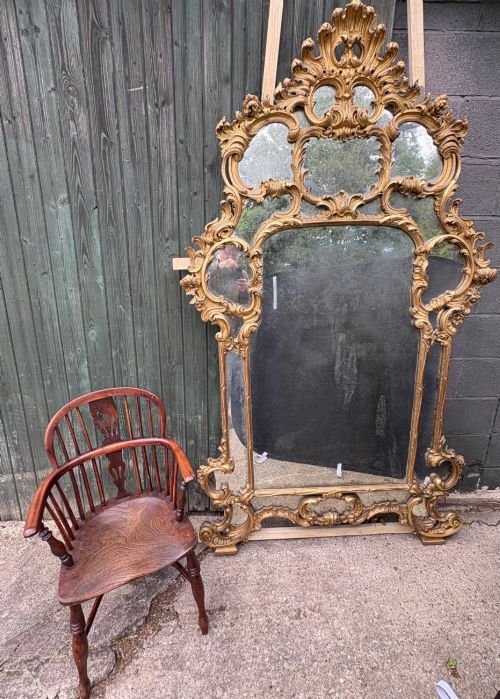
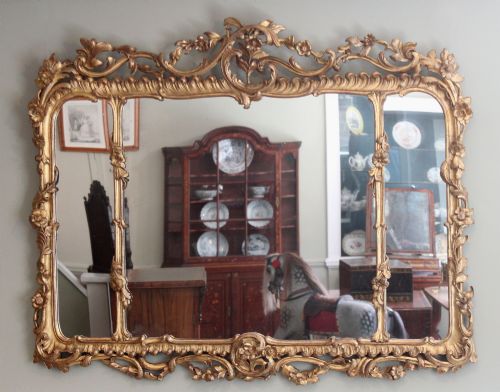
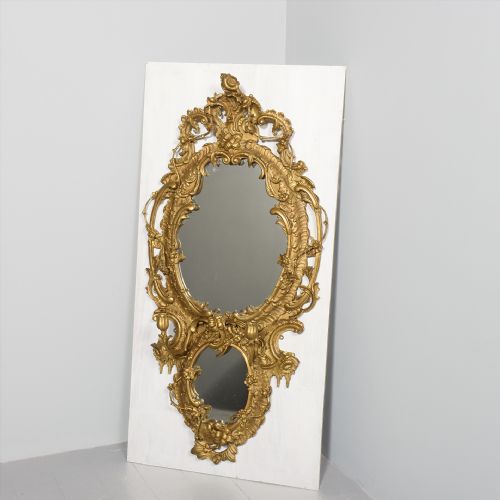
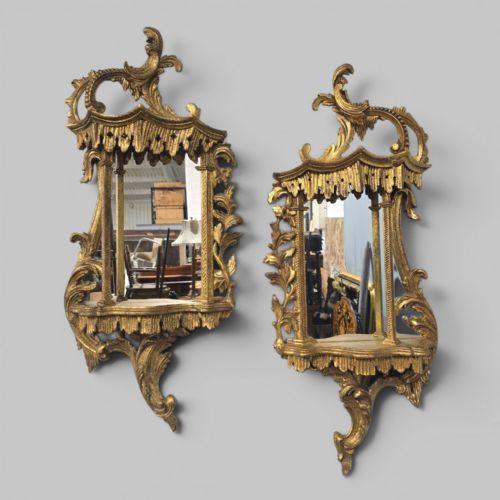
A chippendale giltwood mirror is an ornate wall or overmantel glass incorporating asymmetrical rococo flourishes, Chinese-inspired motifs, or classical fretwork. Buyers searching this phrase examine works spanning the eighteenth century through to later revival periods in nineteenth and twentieth-century production.
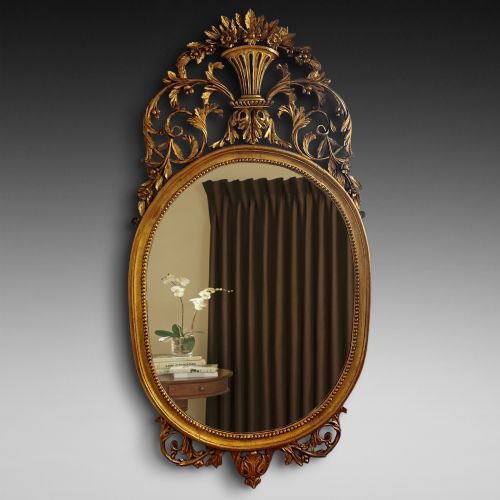
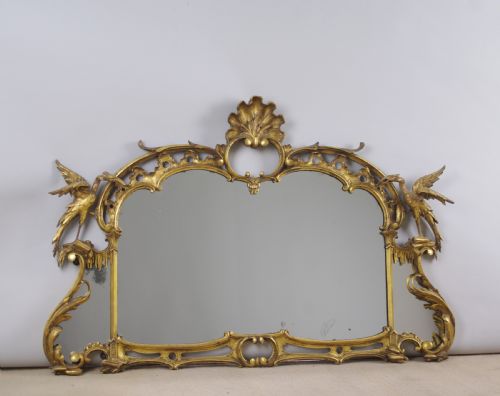
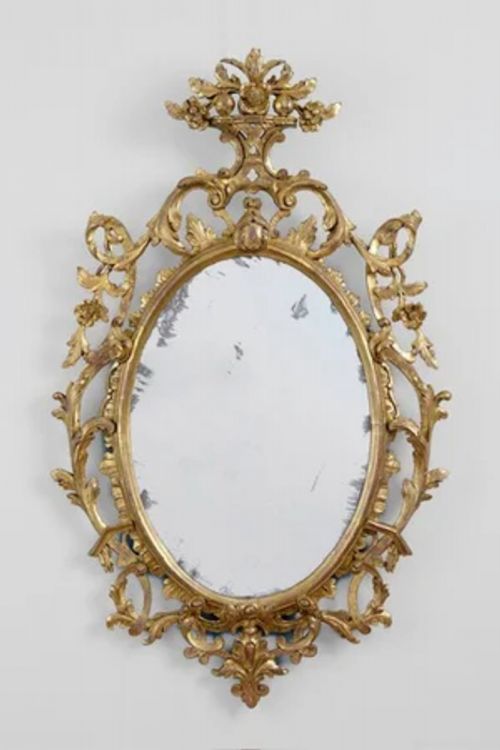
The most common examples on this page are wall and overmantel mirrors utilising carved wood and gesso substrates finished with gold leaf. These pieces range from compact oval formats to substantial architectural overmantels designed to anchor a principal room.
Materials and construction
Makers shaped these frames from underlying timber foundations such as pine, mahogany, or walnut before applying layers of gesso to build up high-relief carvings. This plaster-like medium allowed artisans to carve crisp scrolls, leaves, and whimsical figures before gilding.
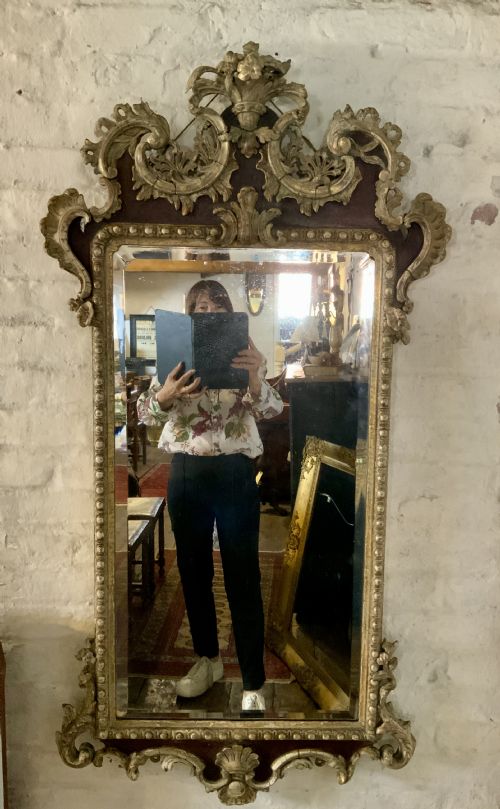
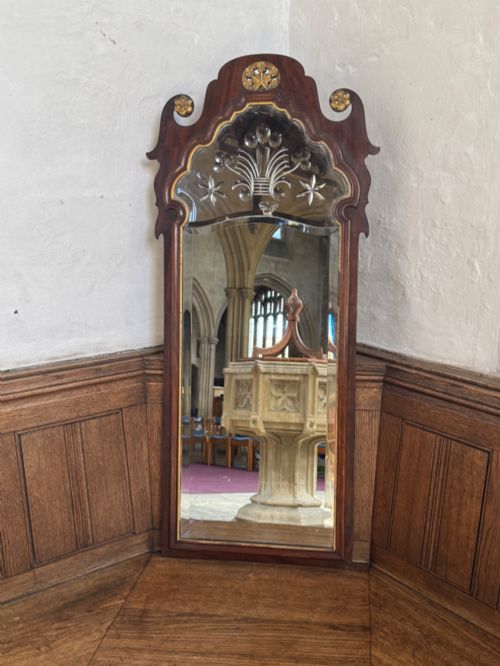
Gold leaf was meticulously laid over the prepared gesso surfaces, sometimes supplemented with parcel gilding on walnut or mahogany frames to highlight exposed wood grain. Glass plates were traditionally silvered by hand, resulting in the characteristic depth and minor distortions found in period pieces.
Listings span multiple eras, encompassing eighteenth-century Georgian items alongside nineteenth and early twentieth-century Chippendale Revival pieces.
Assessing quality and execution
Quality rests primarily on the depth, sharpness, and vitality of the wood and gesso carving. Superior examples display spirited asymmetry and finely articulated details like birds or foliage, whereas lesser pieces show blunt edges and simplified contours.
The integrity of the original gilding and the preservation of the antique mirror plate further distinguish exceptional works from standard interpretations. Coarser revival pieces often rely on heavy, uniform finishes that obscure the hand-carved subtleties underneath.
The Chippendale Giltwood Mirror Glossary
- Giltwood
- Wood that has been coated with gold leaf over a prepared gesso base. This finish gives the mirror frame its characteristic luminous metallic sheen.
- Gesso
- A plaster mixture applied to wooden frame foundations to create a smooth surface for carving and gilding. It enables the creation of intricate, high-relief decorative elements.
- Parcel Gilt
- A decorating technique where only specific raised portions of a wooden frame are gilded while the underlying wood grain remains visible. It provides a subtle contrast between metallic highlight and natural timber.
- Overmantel Mirror
- A large mirror specifically proportioned to hang above a fireplace mantelpiece. These pieces often feature horizontal formats designed to reflect light across the entire room.
- Fretwork
- Openwork ornamentation carved or pierced from thin flat wood panels. It appears frequently on the borders of architectural and wall mirrors.
- Ho Ho Bird
- A stylized Chinese phoenix motif commonly incorporated into rococo and Chinese Chippendale carvings. It perches amidst scrolling foliage and adds a theatrical element to the frame design.
Chippendale Giltwood Mirror: Frequently Asked Questions
How do I date a Chippendale giltwood mirror?
Dating relies on examining the construction methods of the wooden frame, the composition of the gesso, and the characteristics of the mirror glass itself. Eighteenth-century examples typically feature hand-cut pine or hardwood foundations with subtle tool marks, while later revivals utilise machine-sawn timber.
The style of the carving also offers clear chronological clues, shifting from bold rococo asymmetry in the mid-eighteenth century to more restrained neoclassical or Victorian revival interpretations later on.
Are all these mirrors genuine 18th-century antiques?
This selection includes both authentic eighteenth-century Georgian pieces and later revival iterations from the nineteenth and early twentieth centuries. Each listing specifies the period of manufacture to help buyers distinguish between original period works and subsequent reproductions.
Revival pieces often capture the elaborate aesthetic of the original Chippendale designs but can be identified through modern backing materials and standardised framing techniques.
How should I hang a heavy overmantel mirror?
Due to the substantial weight of carved wood, gesso, and glass, secure installation requires locating wall studs or employing heavy-duty masonry fixings. Professional mirror hangers utilise robust brackets distributed evenly to support the load safely.
Ensuring the weight rests securely on structural supports protects both the antique frame and the surrounding wall from damage over time.
What is Chinese Chippendale style?
Chinese Chippendale represents an eighteenth-century aesthetic that fused European rococo framing with Asian-inspired motifs such as pagodas, bamboo turnings, and exotic birds. This style introduced playful asymmetry and elaborate fretwork panels into standard mirror designs.
These pieces stand out for their intricate pierced woodwork and whimsical character, making them distinct focal points in traditional and eclectic interiors.