
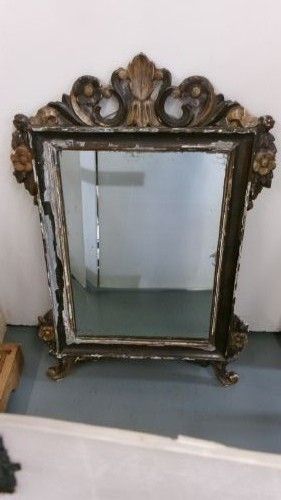


Georgian Rococo Wall Mirror
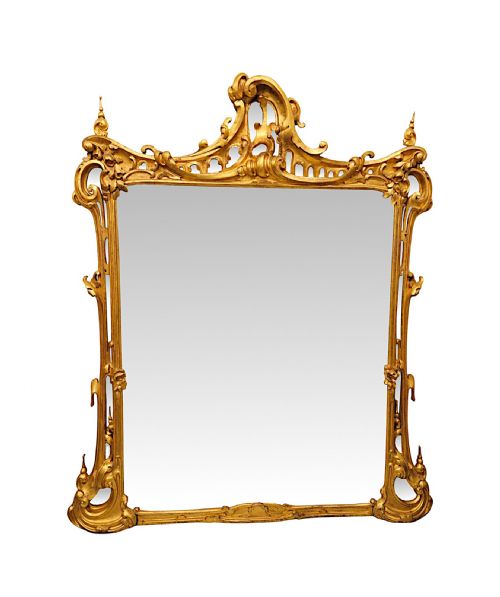
A georgian rococo wall mirror brings asymmetric flair and gilded craftsmanship to a room, offering the quintessential 18th-century decorative statement.
Georgian Rococo Wall Mirror
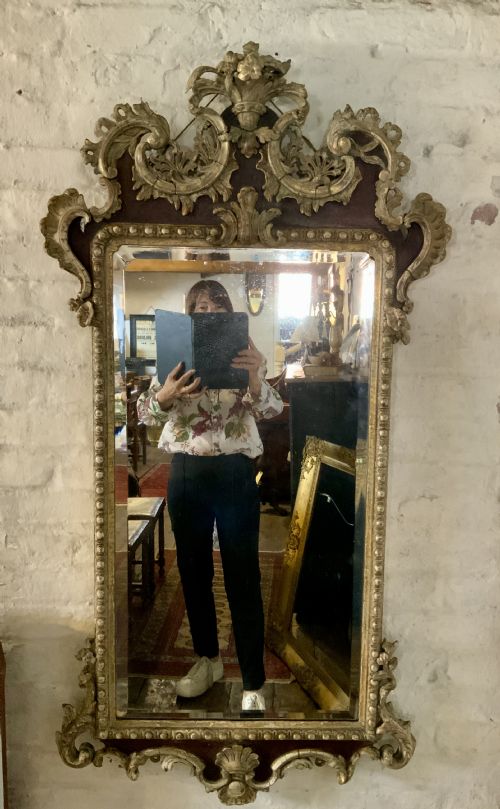
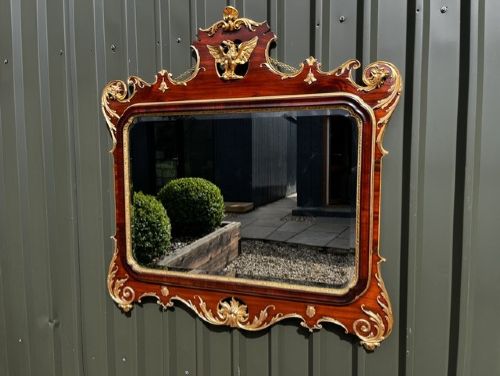
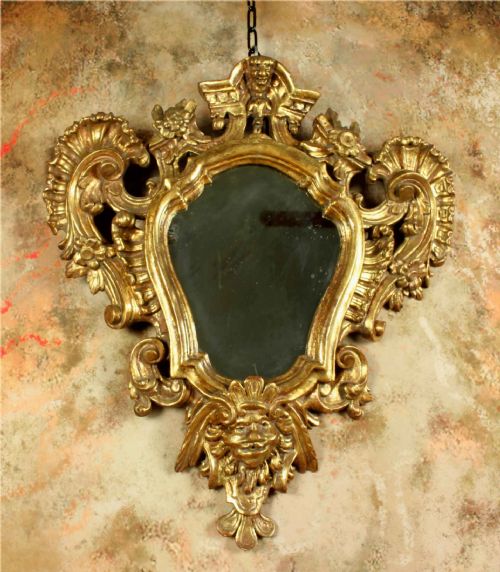
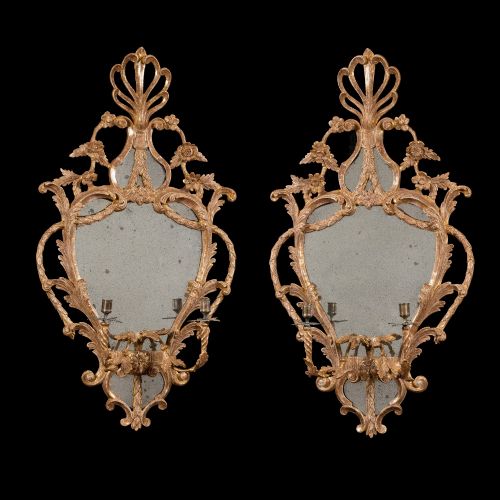
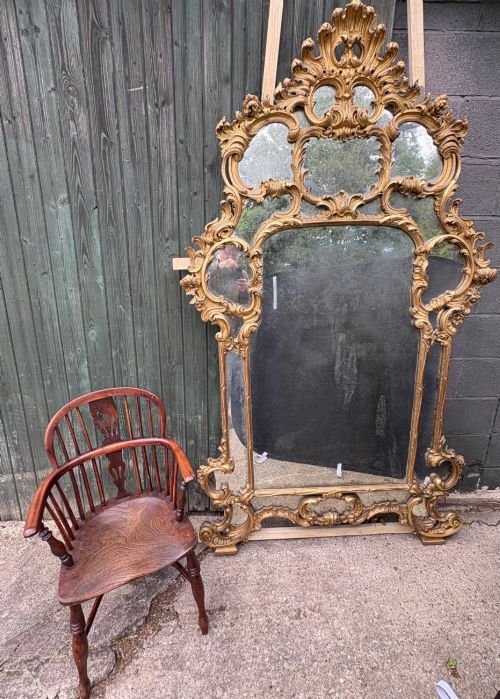
When searching for a georgian rococo wall mirror, you encounter pieces that span the 18th century alongside later 19th-century revivals and 20th-century interpretations. These objects take the form of wall mirrors, overmantels, and girandoles, reflecting the fluid, scroll-heavy ornamentation of the period.
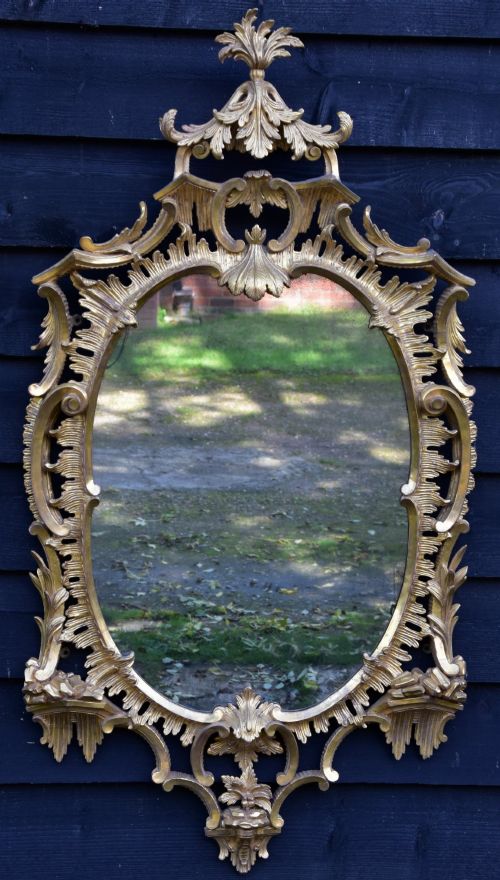
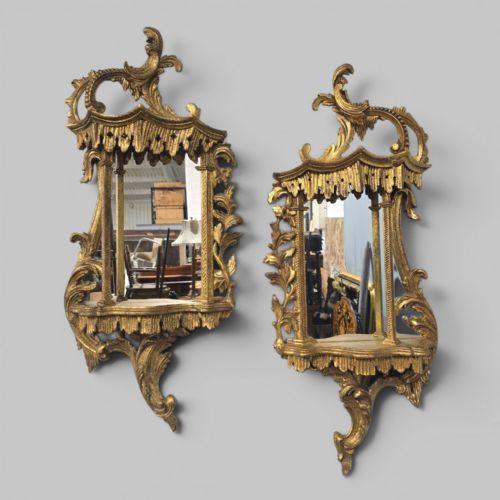
The versions most commonly met combine carved wooden frames with giltwood, gesso, or gold leaf surfaces. Examples range from small fretwork designs to large overmantel mirrors featuring intricate foliate cresting and stylistic flourishes such as Chinese Chippendale details.
Materials and construction
The primary construction relies on carved wood, frequently utilising timber such as walnut, mahogany, sycamore, or softwoods destined for gilding. Carvers shaped these materials into elaborate asymmetrical scrolls, C-scrolls, and naturalistic motifs.
Surfaces were prepared with gesso before receiving layers of gold leaf, silver gilt, or paint. Mirror glass was set within the frame, occasionally accompanied by a gilt slip or divided into multiple plates as seen in tryptic configurations.
Certain Irish overmantel mirrors incorporate whimsical carved details featuring both Ho Ho birds and squirrels perched within the foliage.
Variations in quality
Quality rests principally on the depth and crispness of the wood carving. Superior examples exhibit fluid, undercut foliage and confident asymmetry, whereas lesser pieces show stiff, shallow relief work.
The application of the giltwood or gesso finish also dictates standard. Hand-applied gold leaf with burnished highlights maintains a richer luminosity over time compared to flat, modern metallic paints.
The Georgian Rococo Wall Mirror Glossary
- Giltwood
- Wood that has been coated with gold leaf over a prepared gesso ground. This finish provides the characteristic warm metallic sheen found on period frames.
- Gesso
- A plaster-like mixture applied to carved wood to create a smooth surface for gilding. It allows carvers to achieve sharp detail before applying gold leaf.
- Girandole
- A decorative wall mirror fitted with candle sconces attached to the frame. The polished glass reflects the candlelight to brighten the interior.
- Overmantel mirror
- A large horizontal mirror designed specifically to hang above a fireplace mantel. These pieces often anchor the proportions of a principal reception room.
- Fretwork
- Openwork carving produced by piercing thin wood boards in geometric or organic patterns. This technique appears frequently on smaller Chippendale style frames.
Georgian Rococo Wall Mirror: Frequently Asked Questions
How do I identify a genuine period piece?
Examine the construction methods behind the frame, noting hand-cut joinery and the composition of the gesso beneath the gold leaf. Period pieces show natural wear and ageing appropriate to the eighteenth century.
Look closely at the carving style to ensure the asymmetry and foliate motifs align with authentic rococo design principles rather than later revival methods.
Where should I hang an overmantel mirror?
These large mirrors sit naturally above a fireplace mantelpiece, where they reflect light and anchor the vertical space of the chimney breast. Ensure the wall fixings securely support the weight of the carved wooden frame.
They also function effectively on principal reception room walls opposite windows to maximise natural illumination throughout the space.
What is the difference between Chippendale and Rococo?
Rococo refers to the continental decorative style defined by asymmetrical scrolls, shell motifs, and organic curves. Chippendale incorporates these same rococo elements alongside distinct English interpretations and occasional Chinese-inspired details.
Many pieces bridge both categories, reflecting Thomas Chippendale's influence on British cabinetmaking during the Georgian era.
How do I care for giltwood frames?
Dust the carved surfaces gently with a soft, dry brush to prevent accumulation without disturbing the delicate gold leaf layer. Avoid liquid cleaners and moisture, which can damage the underlying gesso.
Keep the mirror away from direct sunlight and fluctuating heat sources to preserve the structural stability of the historic wood.