




Chippendale Carved Frame Mirror
A chippendale carved frame mirror brings the confident flair of eighteenth-century craftsmanship into a room through elaborate fretwork and gilded details.
Chippendale Carved Frame Mirror
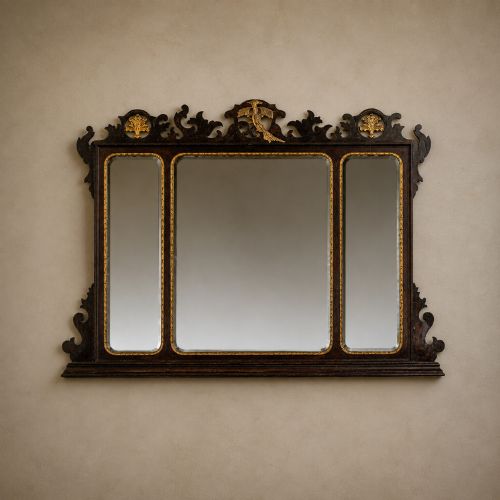
When you search for a chippendale carved frame mirror, you encounter pieces originating from the Georgian era through to later revival periods, including the Victorian and Edwardian decades. The forms span smaller wall mirrors, triptychs, and expansive overmantel mirrors designed to anchor a principal room.
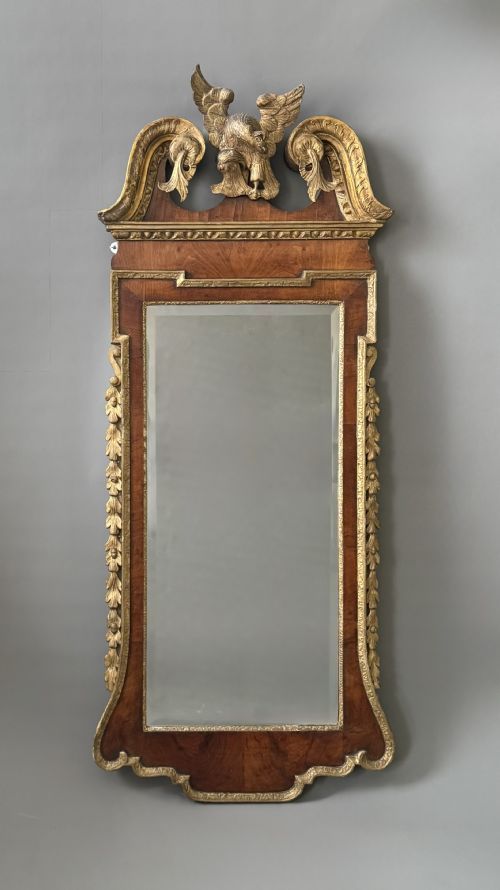
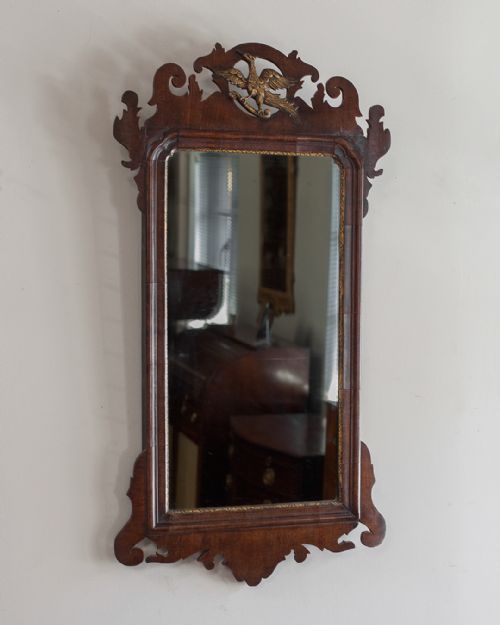
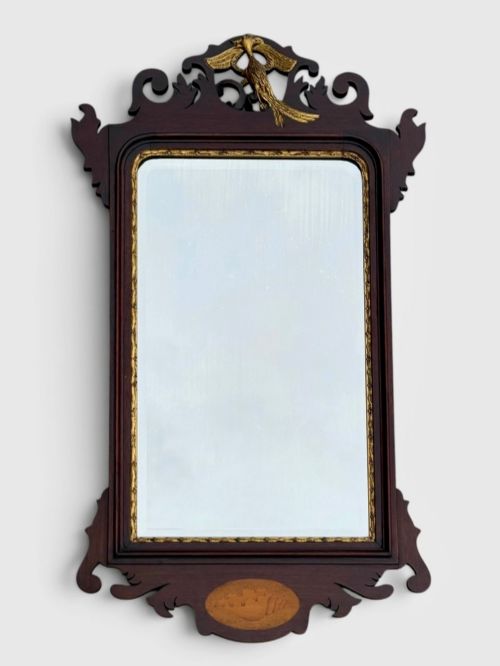
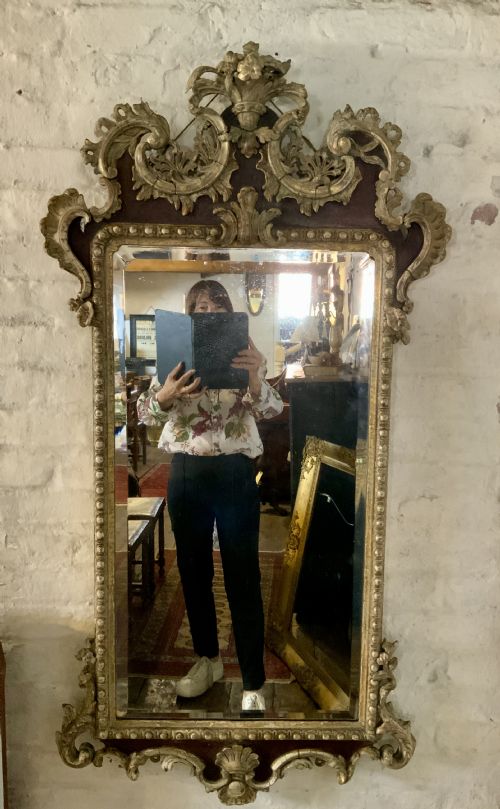
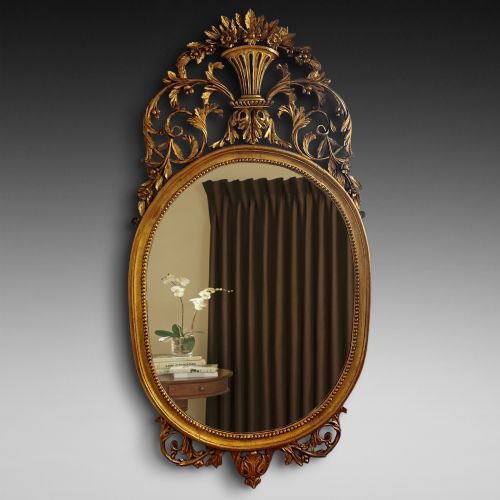
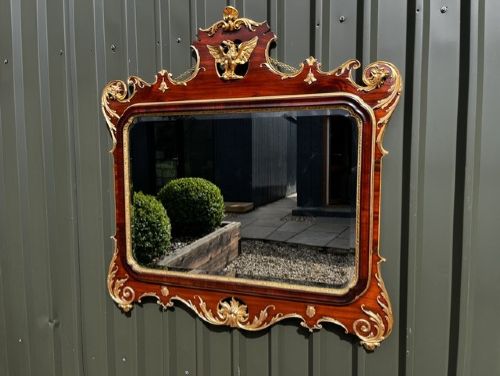
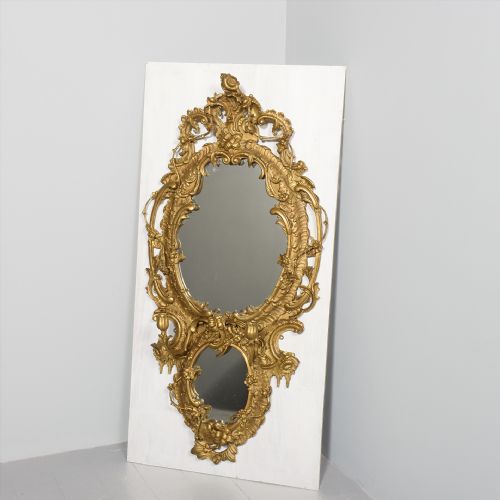
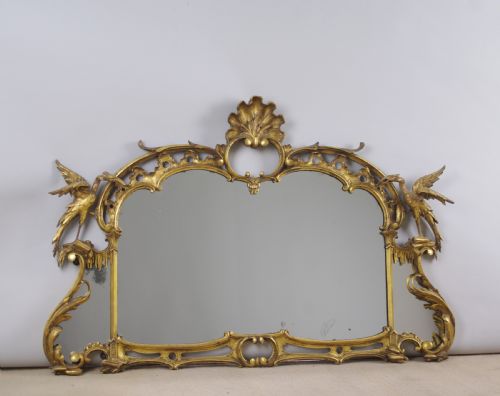
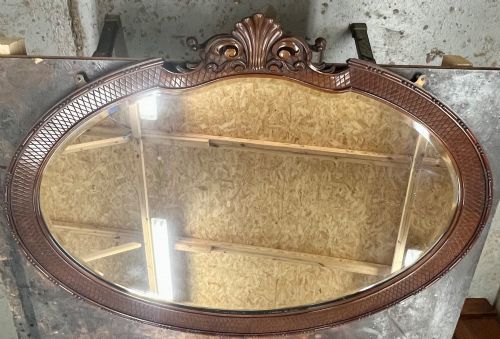
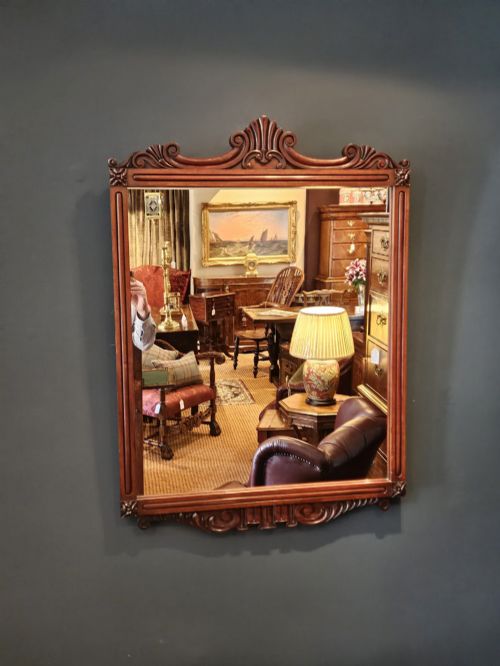
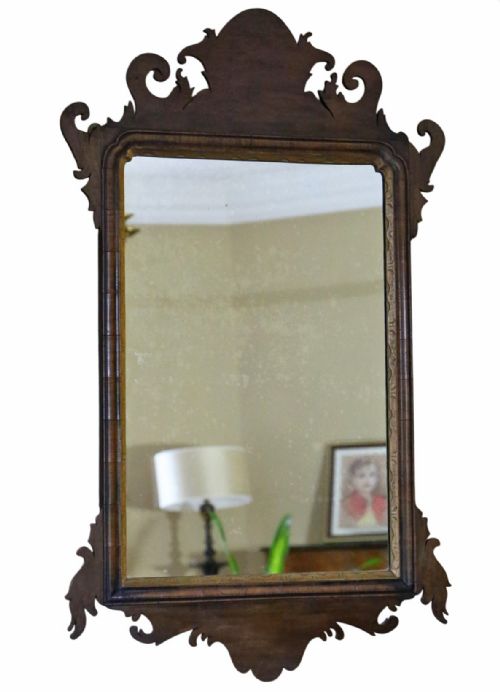
The version most commonly met on this page is the mahogany fretwork wall mirror or the heavily carved giltwood rococo design. These examples display the distinctive scrolling outlines, pierced woodwork, and crestings typical of eighteenth-century taste and its subsequent nineteenth-century revivals.
Originating primarily within English cabinet-making traditions, these objects reflect both the original eighteenth-century output and later interpretations spanning the nineteenth and early twentieth centuries. The surviving examples demonstrate how successfully these elaborate frames transitioned from functional looking glasses into decorative centerpieces.
Materials and Construction
The primary timbers utilised for these frames include mahogany and walnut, frequently combined with secondary softwoods and finished with carved decoration or fine veneers. Cabinet makers shaped the characteristic fretwork silhouettes using hand saws before applying meticulous chiselling to the surface details.
Giltwood elements rely upon a precise foundation of gesso applied over carved wood, which is subsequently gilded with gold leaf to achieve a reflective metallic sheen. Parcel gilt examples combine exposed polished timber surfaces with selectively gilded highlights to emphasise specific carved motifs.
Mirrored glass plates within these historical frames often display the subtle distortions, bevels, or foxing characteristic of older manufacturing methods. The construction frequently employs traditional joinery techniques, securing the fret-cut plates and crestings to robust underlying pine or hardwood frames.
Many of these crested frames feature the iconic Ho-Ho bird perched triumphantly at the top, watching over every reflection below with permanent wooden curiosity.
Factors of Quality
The degree of crispness in the carved ornament distinguishes superior examples from more routine production. Master carvers achieved deep undercut foliage, sharply defined scrollwork, and lively bird motifs that retain their anatomical clarity, whereas lesser versions appear soft and mechanical.
The choice of materials and the integrity of the original finish dictate the standing of a piece within the hierarchy of surviving mirrors. Original undisturbed gilding over gesso or untouched rich walnut surfaces command greater appreciation than later repainting or heavy restoration.
Proportion and balance govern the visual success of these frames, with finer makers adhering to harmonious geometric relationships across the fret-cut borders and central plates. The complexity of the pierced work and the weight of the timber framing work together to establish the overall sculptural presence.
The Chippendale Carved Frame Mirror Glossary
- Fretwork
- Openwork ornamentation cut from a thin board using a fretsaw. This technique creates the intricate geometric and scroll patterns found along the outer edges of mahogany mirrors.
- Giltwood
- Timber that has been coated with gold leaf over a prepared gesso ground. It provides the brilliant reflective surfaces seen on rococo and classical frames.
- Parcel Gilt
- A decorative treatment where only specific carved details or highlights are gilded while the underlying wood grain remains visible elsewhere on the object.
- Gesso
- A plaster mixture applied to wood frames as a smooth base layer for subsequent gilding. Its thickness allows artisans to model fine relief details before applying gold leaf.
- Overmantel Mirror
- A large horizontal looking glass designed specifically to hang above a fireplace mantelpiece. These pieces often serve as the visual anchor for an entire wall.
Chippendale Carved Frame Mirror: Frequently Asked Questions
How do I hang a heavy mirror safely?
These frames require robust fixings attached directly into solid masonry or substantial wall studs to support their considerable weight safely. Using a dedicated mirror plate or heavy-duty french cleat distributes the load evenly across the structure.
Avoid relying solely on plasterboard anchors, as the combination of dense timber and old glass exerts continuous downward pressure. Professional installation ensures the vintage frame remains secure and level over time.
Are these mirrors suitable for bathrooms?
High moisture environments pose a risk to historical timber, fragile gesso, and original silvering on antique glass plates. Steam and humidity can cause gilt surfaces to flake and the underlying woods to warp.
Keeping these pieces in drier reception rooms, hallways, or bedrooms preserves the integrity of the materials. If placed near a fireplace, ensure the mantel does not transmit excessive heat directly to the frame.
How can I tell an eighteenth-century mirror from a later revival?
Examination of the timber behind the glass, the construction marks, and the ageing of the mirror plate itself offers primary clues to a piece's age. Eighteenth-century frames often exhibit hand-cut joinery, oxidized pine backing boards, and subtle irregularities in the glass.
Revival pieces from the Victorian or Edwardian periods typically display machine-sawn components and cleaner, more uniform backing materials. Comparing the style of the carving against documented historical patterns helps confirm the exact era of manufacture.