

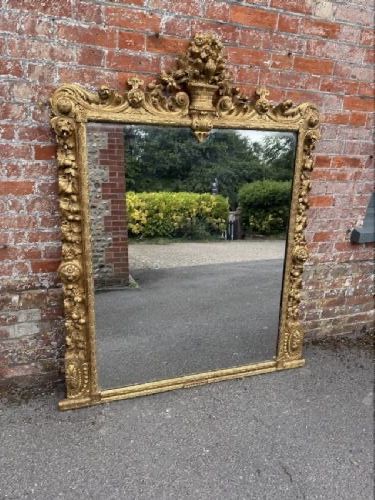
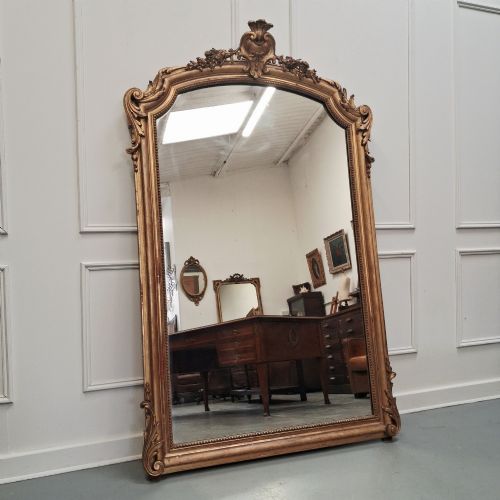
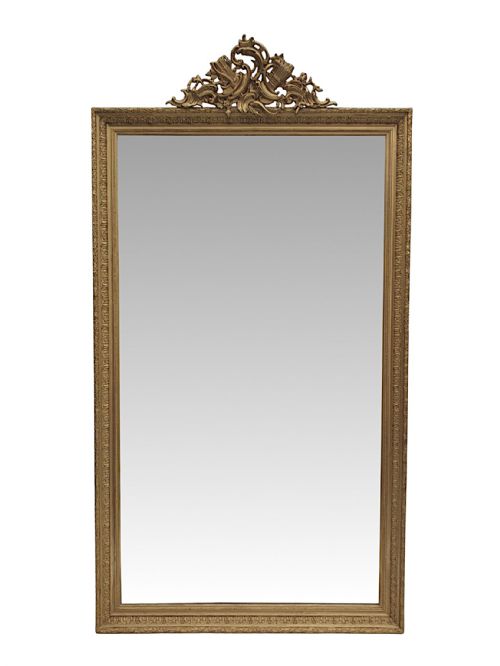
Rococo Carved Giltwood Mirror
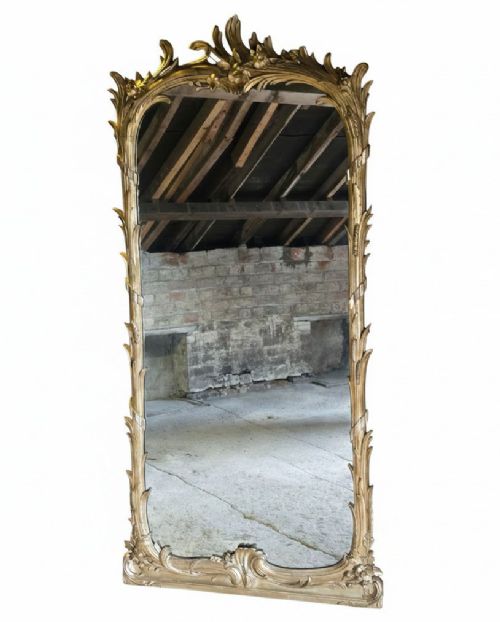
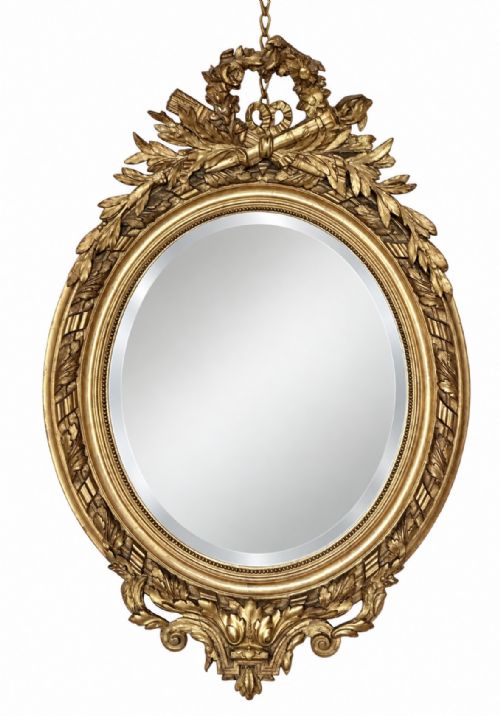
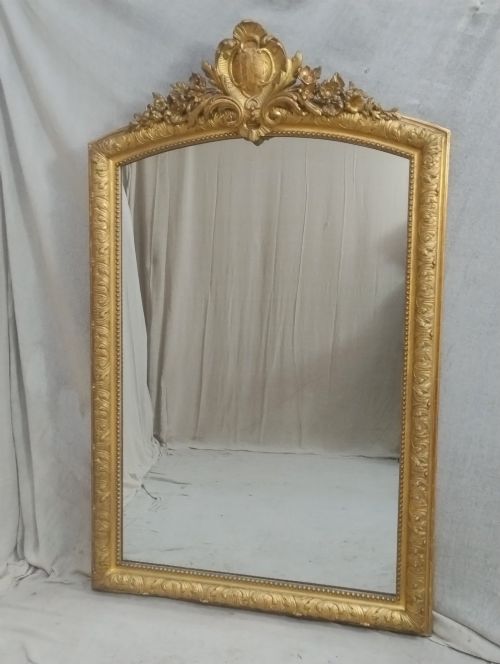
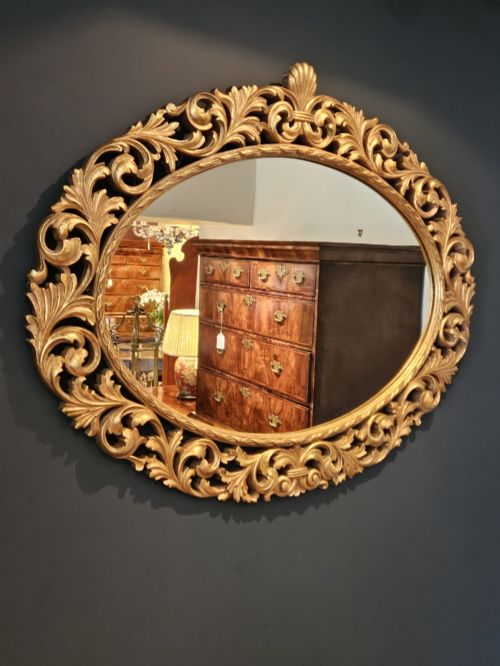
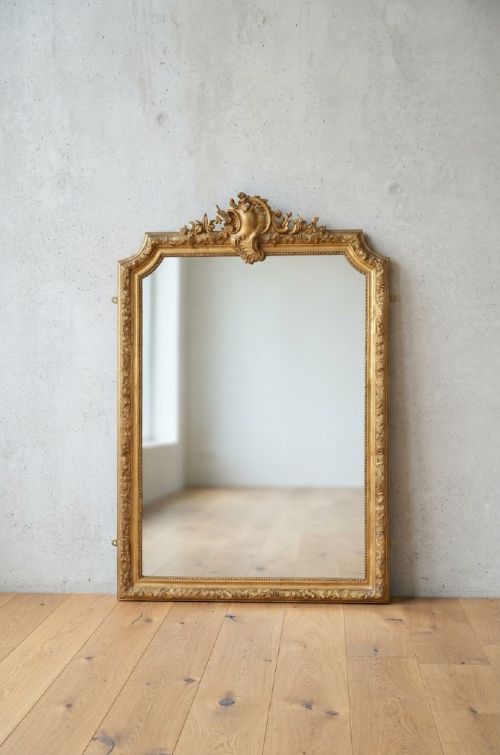
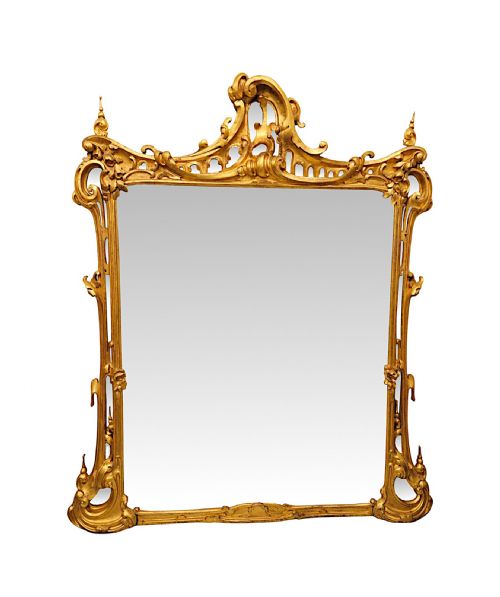
A rococo carved giltwood mirror brings flamboyant, fluid curves and brilliant reflective depth to a grand interior.
Rococo Carved Giltwood Mirror
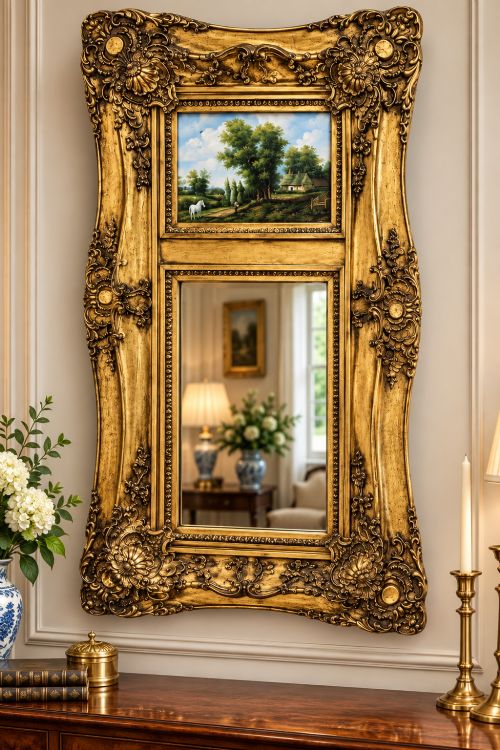
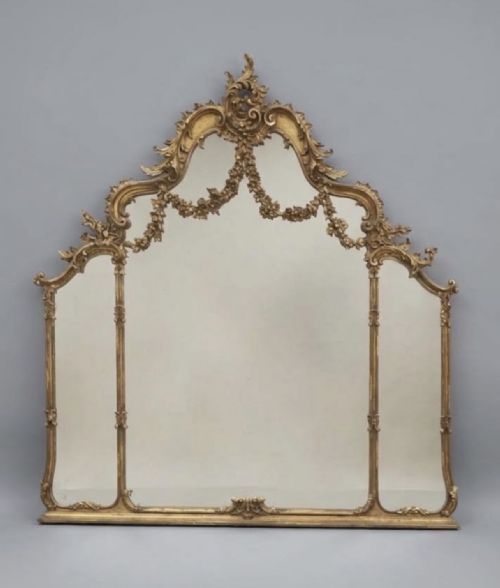
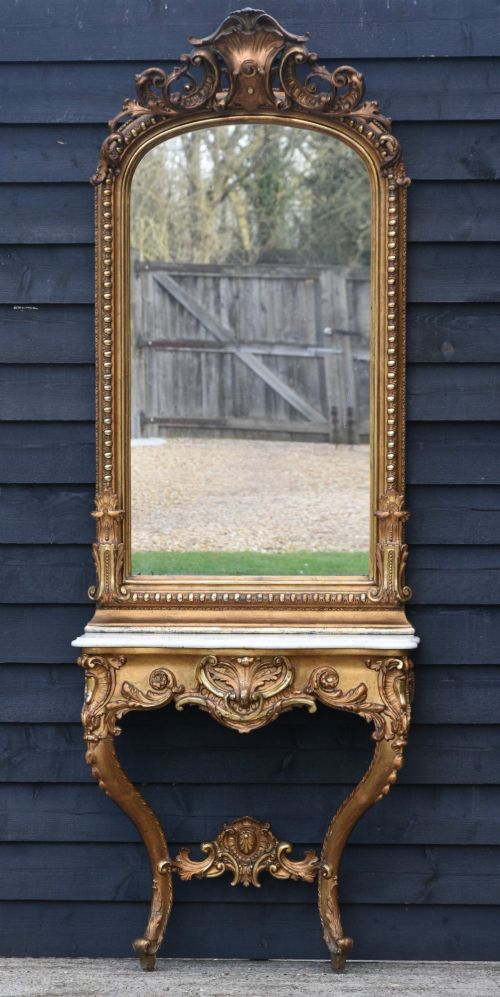
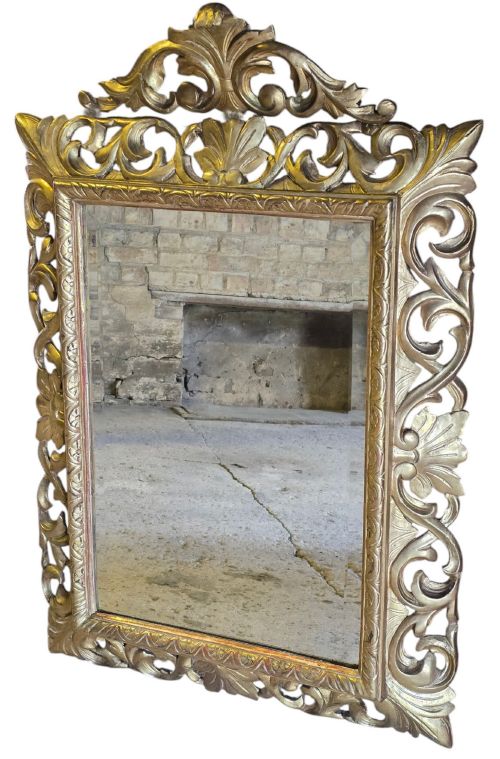
A rococo carved giltwood mirror is a decorative looking glass defined by asymmetrical C-scrolls, foliage, and naturalistic motifs derived from mid-eighteenth-century French design. The pieces available here span from authentic eighteenth-century examples to nineteenth-century revival interpretations, French chateau items, and Italian Florentine works.
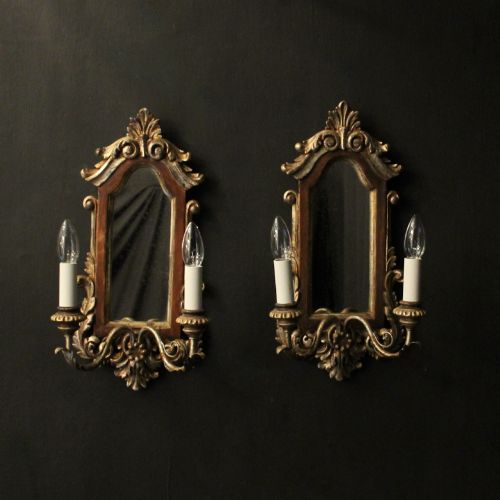
Most examples function as substantial wall mirrors or overmantels designed to sit above a fireplace, while others take the form of girandoles, console tables with matching pier mirrors, or tall leaner mirrors. These objects transform a room by capturing light and introducing ornate sculptural woodcarving to a wall space.
How They Were Made
Craftsmen carved intricate designs into timber substrates, often layering gesso to build up high-relief scrollwork and botanical details before applying gold leaf or liquid gilding. Composition material was also pressed into moulds for repetitive ornamental sections on later revival pieces.
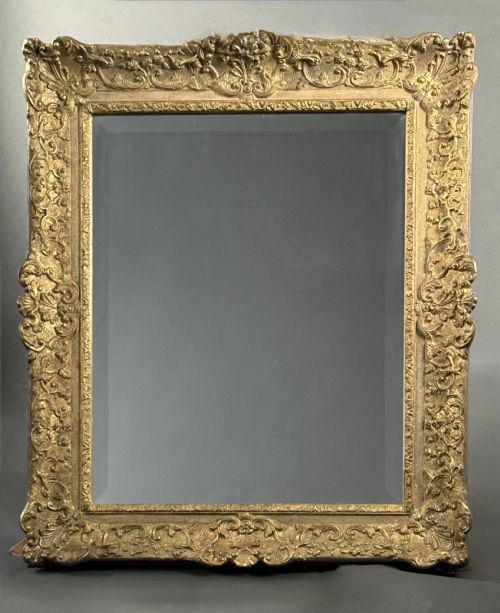
Early plates consisted of mercury glass with distinct tonal depth, whereas subsequent nineteenth-century production utilised machine-rolled mirror glass, sometimes bevelled at the edges to catch the light.
What Varies in Quality
The distinction between ordinary and exceptional quality lies in the depth and sharpness of the hand-carving within the wooden frame, where crisp undercut foliage surpasses shallow, moulded composition relief. Superior pieces exhibit harmonious proportions where the asymmetrical scrolls balance organically without appearing heavy or rigid.
The preservation of the original gold leaf surface and the character of the antique mirror plate, whether retaining historic foxing or clear reflection, heavily influence the aesthetic standing of the object.
The Rococo Carved Giltwood Mirror Glossary
- Giltwood
- Wood that has been coated with gold leaf or powder. This finish provides a warm, reflective metallic sheen that catches interior candlelight or daylight.
- Gesso
- A plaster-like mixture applied to the carved wooden base before gilding. It creates a smooth, absorbent surface suitable for fine detail work and stamping.
- Overmantel Mirror
- A wide looking glass designed specifically to hang above a fireplace mantelpiece. These pieces often anchor the decorative scheme of a principal reception room.
- Girandole
- A decorative wall mirror featuring attached candle sconces. The arms reflect the flame to amplify illumination in a room.
- Mercury Glass
- An early type of mirror plate created by pouring a mercury and tin amalgam behind double-walled blown glass. This technique produces a characteristic mottled, dark reflective quality.
Rococo Carved Giltwood Mirror: Frequently Asked Questions
Where should I hang a large overmantel mirror?
These mirrors traditionally anchor the space directly above a fireplace, reflecting the room and drawing the eye upward. They also function effectively above a low sideboard or as a full-length leaner against a principal wall.
Ensure the wall construction and fixings can support the substantial weight of carved timber and glass, particularly for monumental nineteenth-century examples.
How do I identify a true eighteenth-century piece?
Authentic eighteenth-century examples display hand-carved wooden frames with subtle irregularities in the gesso and gold leaf layers, often paired with mercury glass plates. Revival pieces from the nineteenth century tend to show machine-rolled glass and occasional moulded composition ornaments.
Examine the backboards, joinery, and the wear patterns on the gilding to understand the true age of the wooden structure.
What is the difference between rococo and rococo revival?
Original rococo pieces date primarily from the mid-eighteenth century during the reigns of Louis XV and George II, characterised by organic asymmetry and delicate craftsmanship. Rococo revival items were produced later in the nineteenth century, often on a larger scale with heavier proportions and greater mass.
Both styles share the signature C-scroll and shell motifs, but the revival versions reflect Victorian and nineteenth-century manufacturing capabilities.
How do I care for antique giltwood surfaces?
Dust the carved frame gently with a dry, soft-bristled brush to remove particulate matter without disturbing the delicate gold leaf. Avoid liquid cleaners, modern polishes, and abrasive cloths that can strip the historic finish from the gesso.
Keep the mirror away from direct heat sources and high humidity to prevent the wooden substrate from warping or cracking.