
Georgian Gilt Pier Mirror
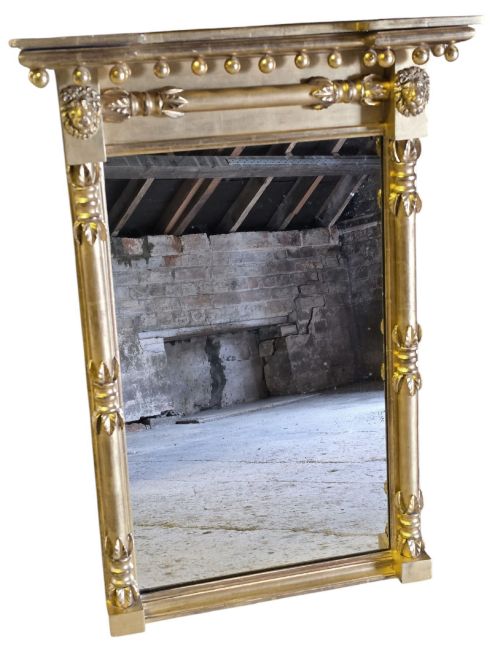
A georgian gilt pier mirror brings vertical light and architectural presence to a room, historically positioned between tall windows.
Georgian Gilt Pier Mirror
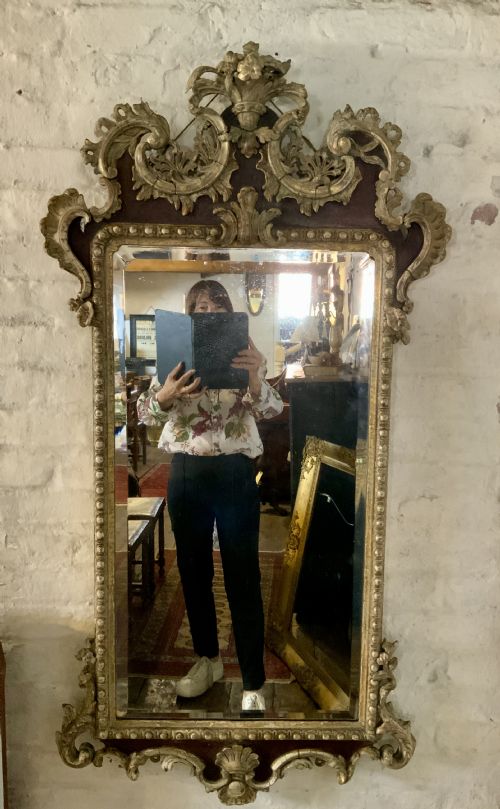
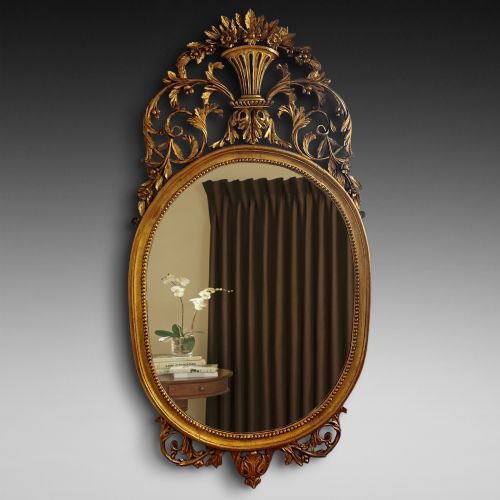
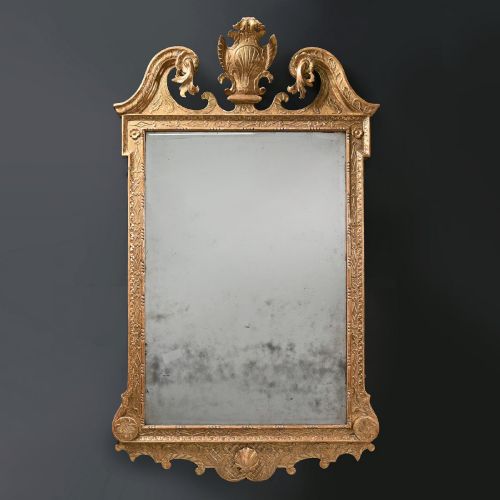
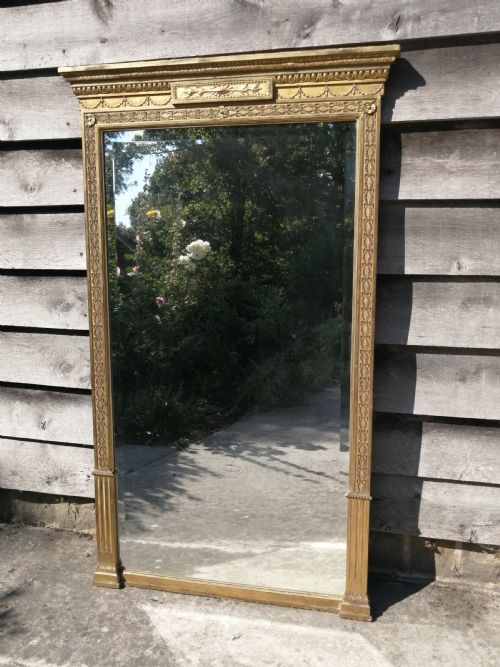
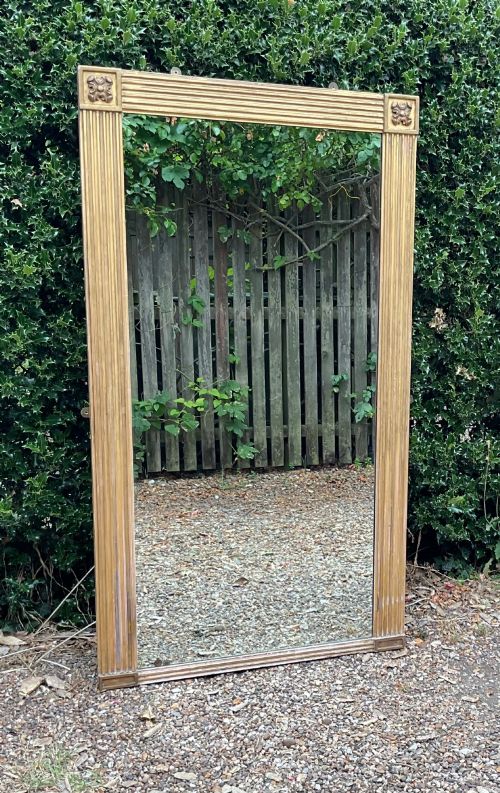
A georgian gilt pier mirror is a vertical wall glass designed to hang on the narrow wall space between windows, reflecting daylight back into eighteenth and nineteenth-century interiors. These pieces typically combine carved timber frames with gilded surfaces, frequently incorporating console tables or decorative apron details below the glass plate.
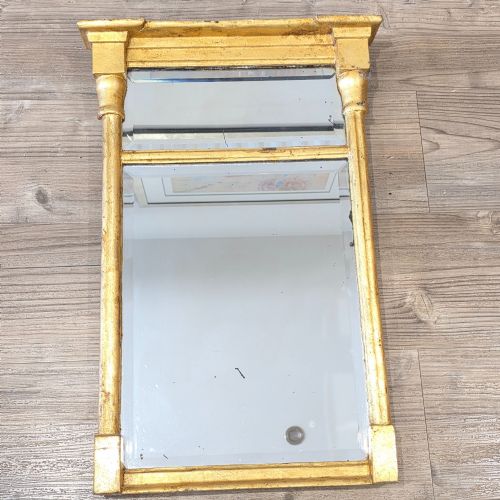
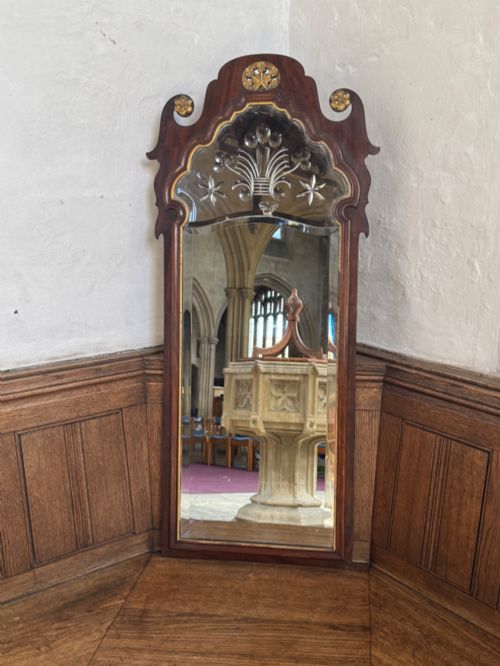
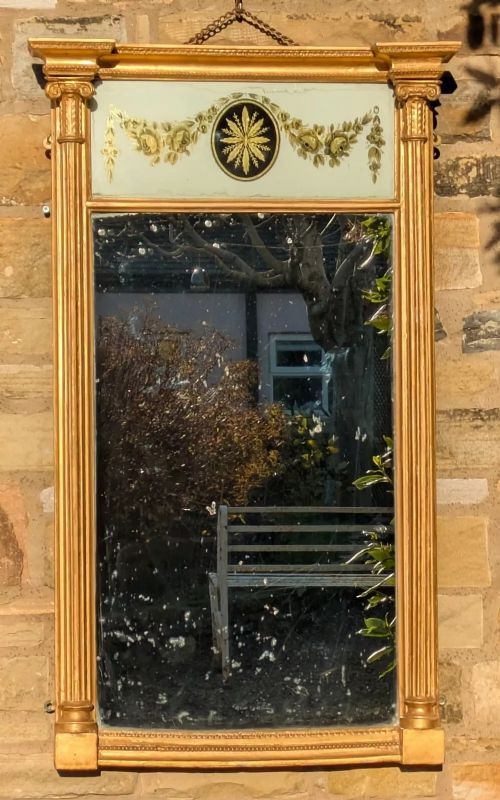
The selections available range from authentic eighteenth-century George II and George III gesso works to nineteenth-century Regency interpretations and later revival pieces. Many examples feature specialised upper panels, including reverse glass paintings or verre eglomise sections above the main looking glass.
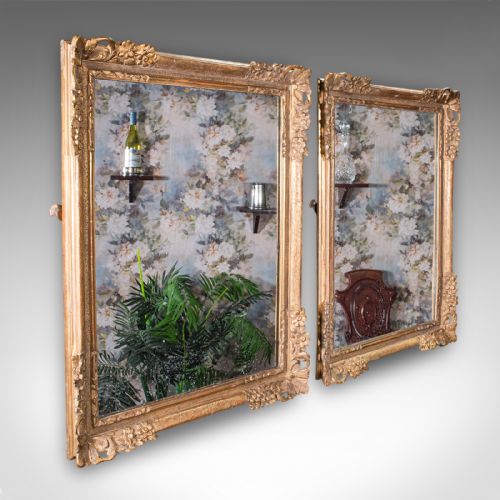
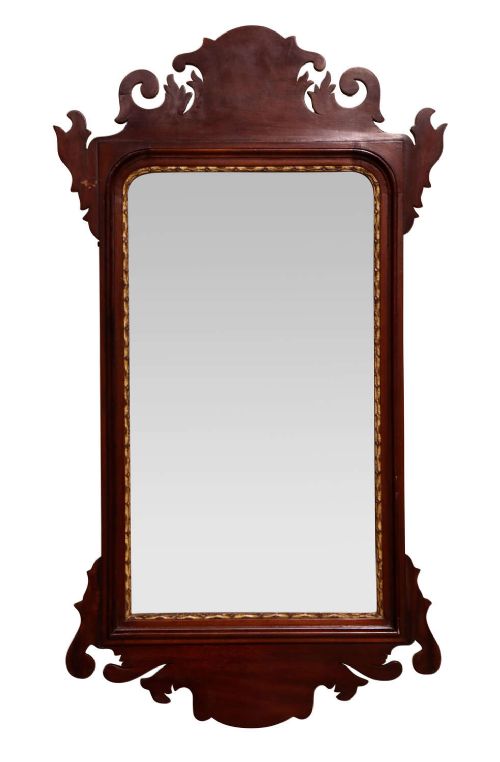
Makers utilised various regional timbers alongside traditional gold leaf application, producing formats that vary from restrained mahogany fretwork to elaborate rococo and neoclassical carvings. The primary focus remains the vertical proportion, engineered to draw ambient light deep into panelled drawing rooms.
Materials and Construction
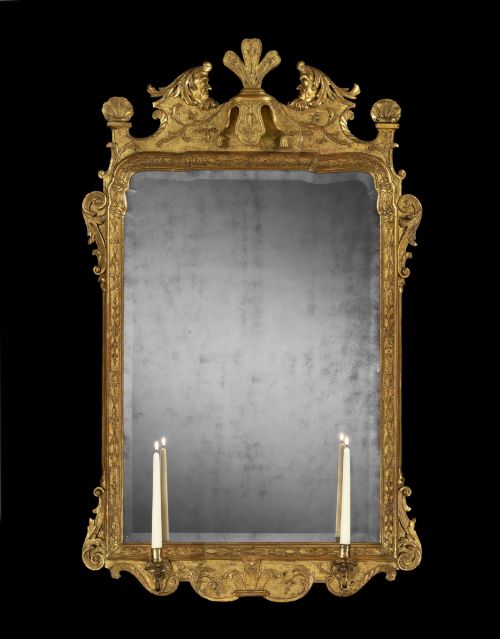
Carvers shaped softwoods and hardwoods such as pine, mahogany, and walnut to form the structural carcass of each frame. Gesso, a mixture of chalk and size, was then applied in multiple layers over the carved wood to create a smooth, responsive ground for gilding.
Artisans laid thin sheets of gold leaf onto the prepared gesso ground, burnishing selected areas with agate stones to achieve a brilliant contrast between matte and polished surfaces. Early mirrors utilised mercury silvered glass plates, often existing in sections or displaying the subtle imperfections characteristic of historic manufacturing methods.
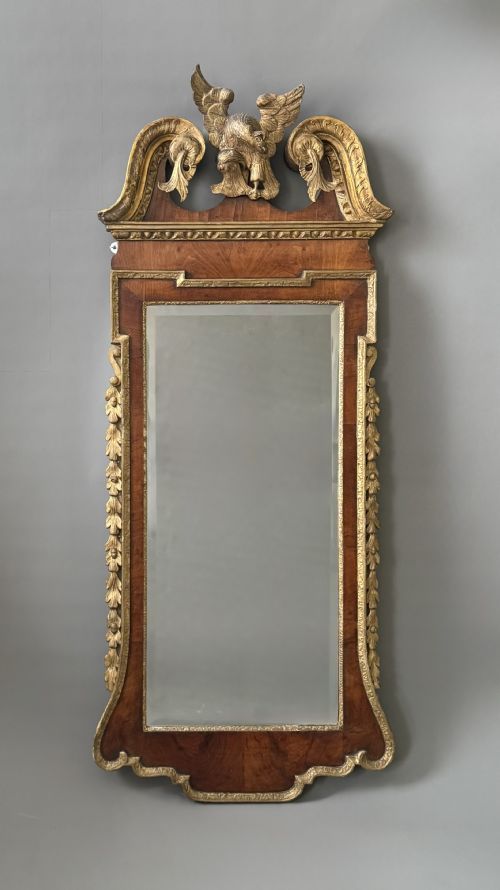
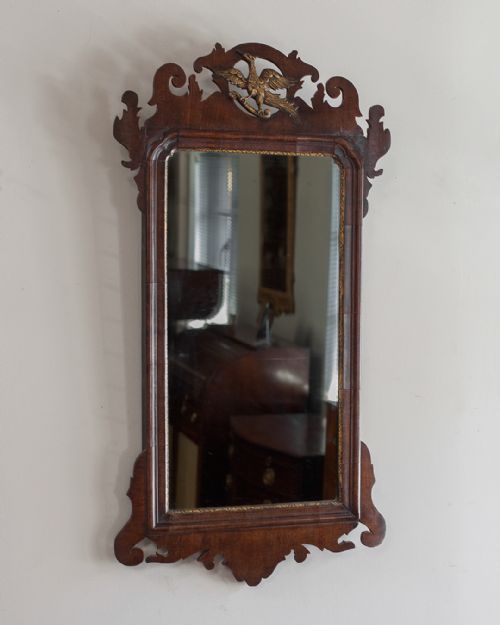
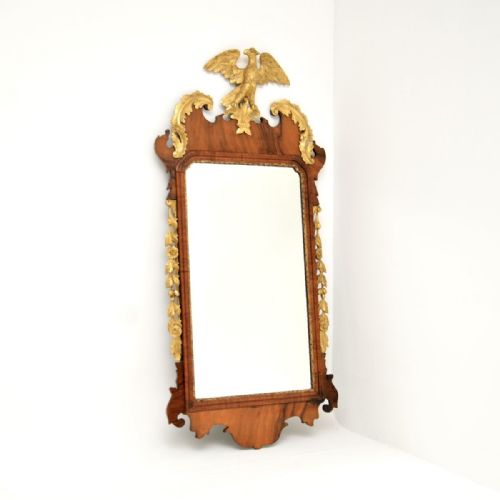
Many eighteenth-century frames feature a carved wooden bird at the crest, reminding us that ancestors enjoyed a touch of wildlife indoors.
Distinctions in Quality
The depth and crispness of the wood carving distinguish superior examples from standard production, particularly in intricate details like acanthus leaves, scrollwork, and cresting ornaments. Hand-carved execution demonstrates sharper undercutting and more fluid movement than moulded composition ornament found on simpler pieces.
The integrity of the surface finish plays a major role, where original gold leaf retains a warmer, layered tone compared to modern metallic paints. Additionally, the presence of the original mirror plate, whether featuring bevelled edges or reverse-painted glass panels, elevates the historical integrity of the object.
William Kent·John Belchier
The Georgian Gilt Pier Mirror Glossary
- Gesso
- A plaster-like material applied to wood frames as a base for gilding. It was built up in layers and carved before the gold leaf was applied.
- Verre Eglomise
- A cold decoration technique where design elements are painted and gilded on the reverse side of glass. This method produced dark, reflective panels often placed above the main mirror glass.
- Parcel Gilt
- A finish where portions of a wooden object are gilded with gold leaf while other areas reveal the natural grain of walnut or mahogany. This dual treatment highlights specific architectural details.
- Fretwork
- Openwork ornamentation cut from thin boards using a fret saw, commonly seen in geometric or scrolling patterns on eighteenth-century frames. It provides a lighter visual silhouette.
- Pier Glass
- A large mirror specifically proportioned to hang on the pier wall between two windows. It frequently matches the height of the surrounding casements.
Georgian Gilt Pier Mirror: Frequently Asked Questions
Where should I hang a pier mirror?
These mirrors were originally designed for the narrow wall space between two windows, where they maximised natural light reflection in a formal room.
Today, they work effectively in hallways, above low sideboards, or on any vertical wall plane that requires height and reflected illumination without dominating the floor space.
How do I spot an original eighteenth-century frame?
Examine the construction methods visible on the reverse, including old pine backing boards, hand-cut nails, and the layered buildup of gesso beneath the gold leaf. The presence of mercury glass with subtle oxidation and waviness also points towards genuine period manufacture.
Secondary indicators include the quality of the carving, which displays individual chisel marks rather than uniform cast composition ornament typical of later Victorian revivals.
What is a verre eglomise panel?
Verre eglomise is a decorative technique involving the application of gold and silver leaf onto glass, combined with hand painting on the reverse side. In pier mirrors, these panels occupy the upper section above the main reflective glass.
They introduce colour, landscape scenes, or classical motifs into the upper register of the frame, balancing the heavy vertical pull of the lower mirror.
How do I care for antique giltwood?
Giltwood surfaces require gentle dusting with a soft, dry brush to prevent the accumulation of particles without disturbing fragile leaf. Avoid using liquid cleaners, chemical polishes, or microfibre cloths that can scratch or strip the historic gold leaf and underlying gesso.
Maintain stable environmental conditions away from direct sunlight and excessive humidity to prevent the wood substrate from expanding and cracking the gesso layer.