




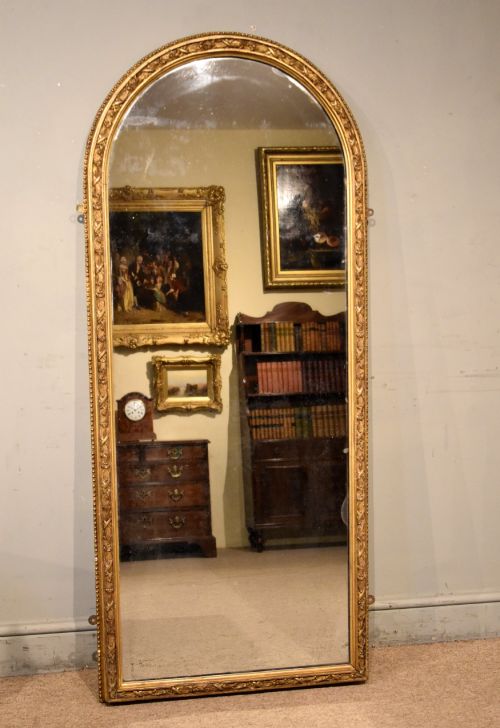
Gold Pier Mirror
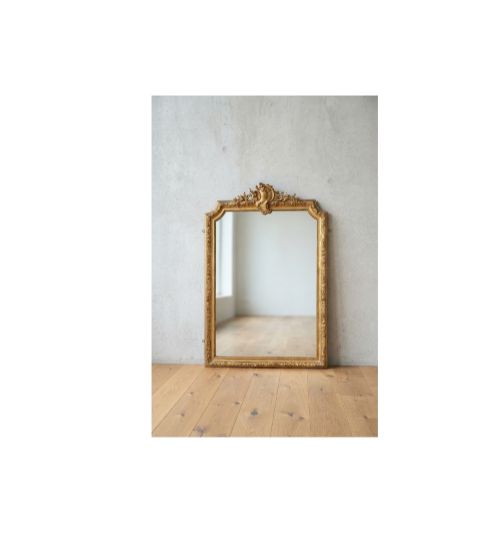
A gold pier mirror brings architectural depth and reflective light to a room, designed traditionally to hang in the narrow wall space between windows.
Gold Pier Mirror
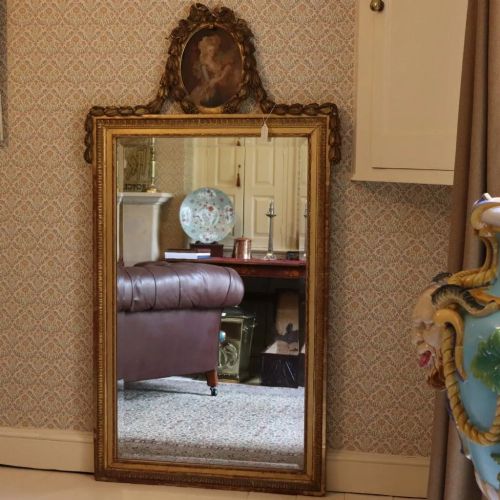
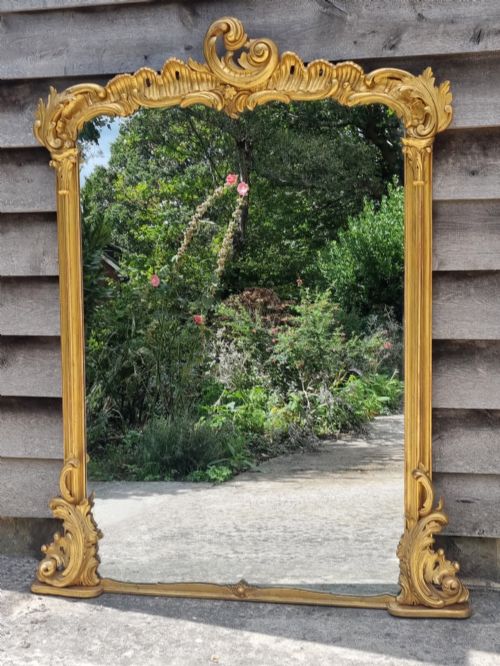
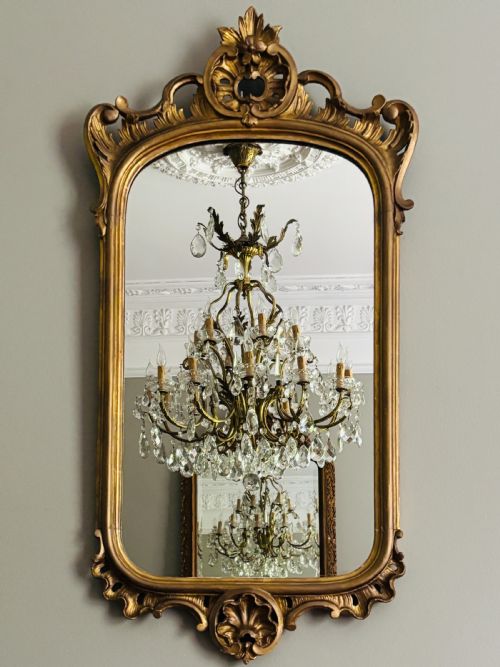
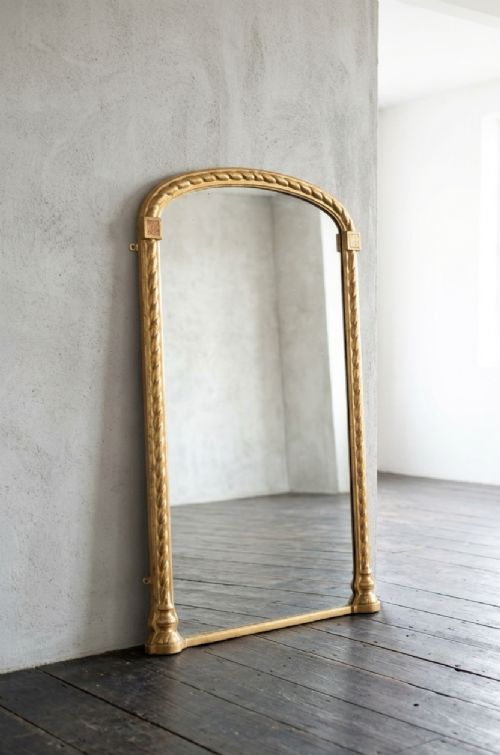
A gold pier mirror is an imposing vertical wall glass historically positioned between windows above a low console table or pier table. The search phrase encompasses tall wall mirrors designed to draw light into darker Victorian, Regency, and Georgian rooms.
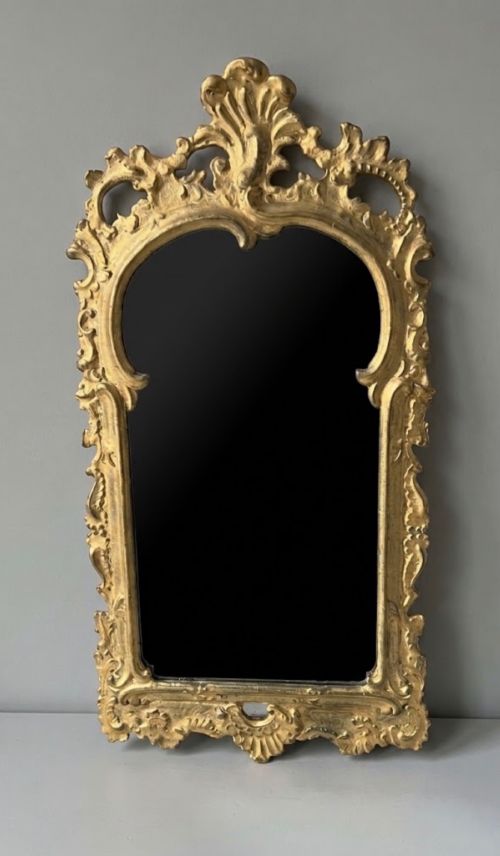
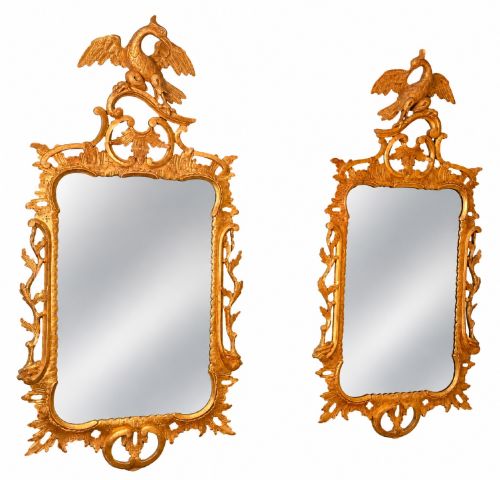
The pieces met on this page span the eighteenth and nineteenth centuries, featuring French and English aesthetic traditions. Forms range from simple upright giltwood plates to grand console table and mirror combinations.
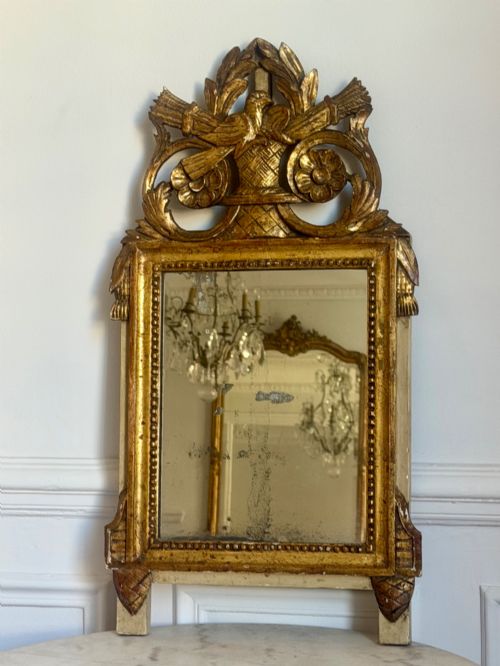
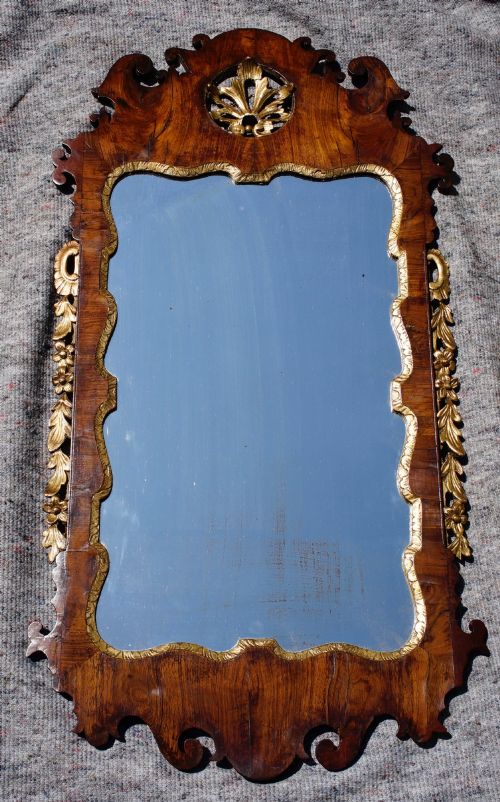
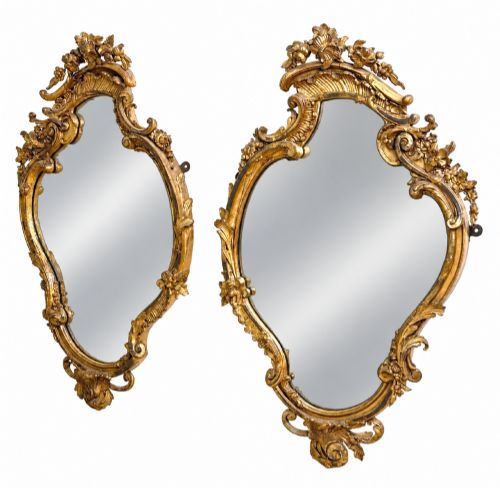
Makers utilised distinct regional idioms, from the restrained parcel-gilt walnut of Georgian Britain to the ornate carved gesso and giltwood of French chateaux. Tall proportions and vertical emphasis remain the defining characteristics of these mirrors.
How they were made
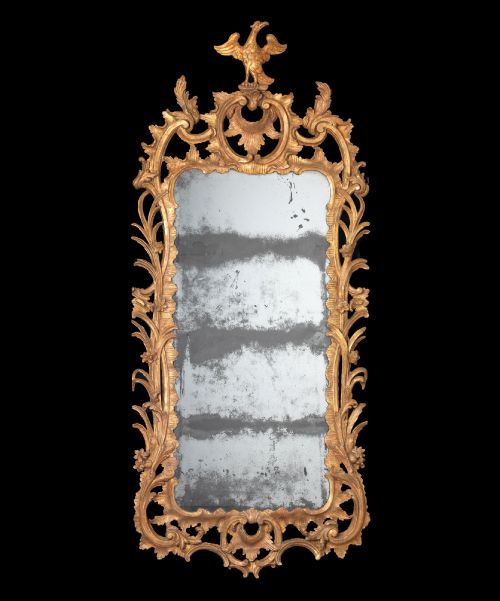
Carvers shaped wooden frames from pine, walnut, or hardwoods before applying layers of gesso to build up intricate relief ornament. Gilders then applied thin gold leaf over the prepared ground, burnishing the surface to achieve a brilliant metallic lustre.
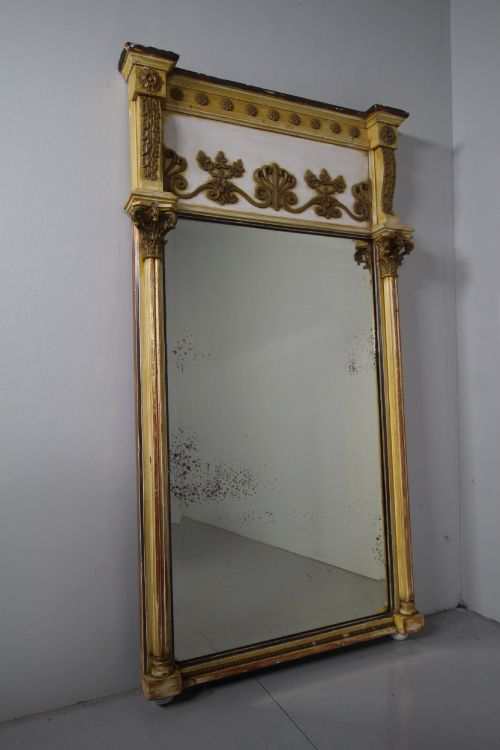
Mirror plates in older examples consist of mercury glass, often displaying natural foxing and oxidation. Later nineteenth-century pieces incorporate standard silvered mirror glass, sometimes accompanied by painted wood or verre eglomise panels.
Gold Pier Mirror Retail Price Guide 2026
Typical asking prices for gold pier mirror among the pieces listed under this phrase on Sellingantiques today, from the lower quarter to the upper quarter. They describe what is for sale here now, not the wider market.
Some nineteenth-century pier mirrors include concealed valet hooks for hanging pocket watches or calling cards.
What varies in quality
Quality rests upon the crispness of the hand-carved detail within the gesso and wood frame, where deeply undercut foliage and distinct facial motifs indicate superior craftsmanship. Lesser examples rely on moulded composition ornament rather than direct carving.
The integrity of the original glass plate and the depth of the gilding further divide standard production from exceptional pieces. Surviving original mercury glass plates with authentic foxing command higher regard than replaced modern mirrors.
The Gold Pier Mirror Glossary
- Pier glass
- A tall mirror specifically designed to hang on the narrow pier of wall between two windows. These pieces often matched console tables placed directly below them.
- Gesso
- A plaster-like mixture applied to wood frames to provide a smooth surface for gilding. Skilled artisans carved intricate relief designs directly into this dried material.
- Verre eglomise
- A cold-painting and gilding technique on the reverse of glass. It appears frequently in frieze panels above nineteenth-century mirror plates.
- Parcel-gilt
- A finish where portions of an underlying wood or painted surface remain exposed alongside gilded sections. This technique highlights specific architectural mouldings.
- Mercury glass
- An early type of mirror glass produced by pouring a tin and mercury amalgam behind the glass plate. Over time, this creates characteristic dark spots known as foxing.
Gold Pier Mirror: Frequently Asked Questions
Where should I hang a gold pier mirror?
These mirrors suit narrow wall expanses between windows, above mantelpieces, or over console tables where their vertical height draws the eye upward. Placing them opposite a window maximises natural light reflection.
Ensure adequate wall fixings support the considerable weight of heavy wood and gesso frames.
How do I identify a Regency period mirror?
Regency pieces often incorporate classical motifs such as lion masks, ebonised details, and verre eglomise panels above the primary glass. The frames favour bold architectural lines influenced by ancient Greek and Roman design.
Construction methods and the presence of original mirror plates provide further clues to dating.
What is foxing on antique mirror glass?
Foxing refers to the small dark spots and mottled patches that develop within older mirror plates as the backing oxidises over centuries. This natural ageing process confirms the antiquity of the glass.
Collectors prize original mercury glass with gentle foxing for its authentic visual character.
Can I clean a giltwood frame safely?
Giltwood frames require gentle dusting with a soft, dry brush to prevent damage to delicate gold leaf and gesso ornament. Avoid commercial cleaning sprays and water entirely.
Professional conservators should handle any structural repairs or flaking surfaces.