




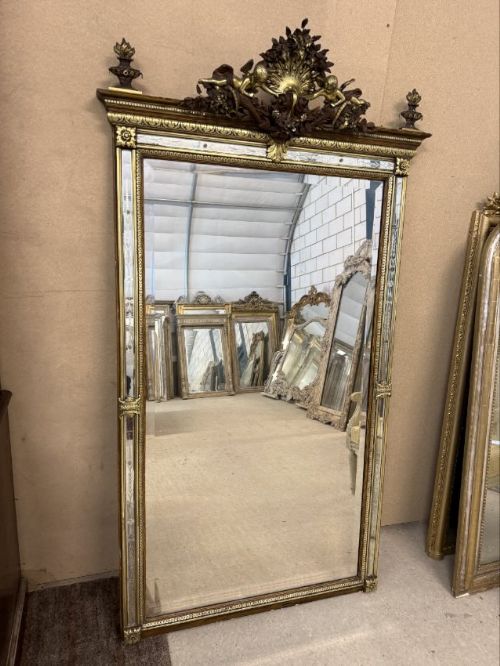
Carved Wood Pier Mirror
A carved wood pier mirror brings height and reflected light to a room, historically hung on the wall space between windows.
Carved Wood Pier Mirror
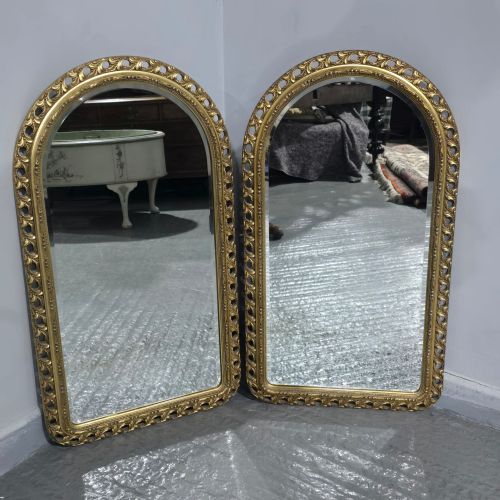
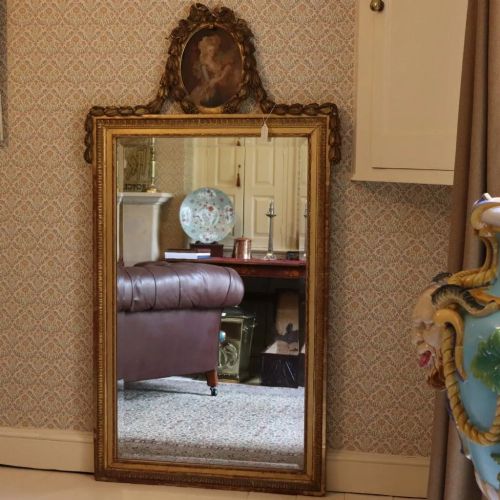
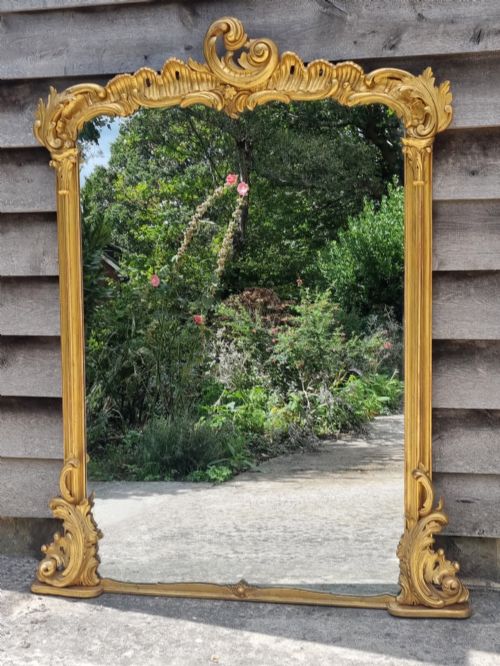
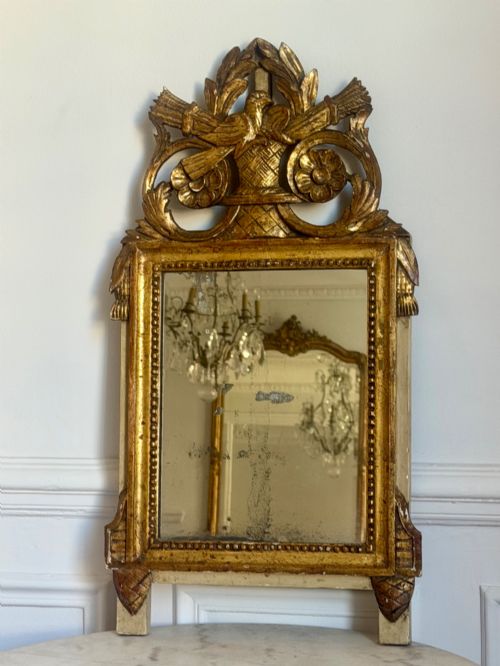
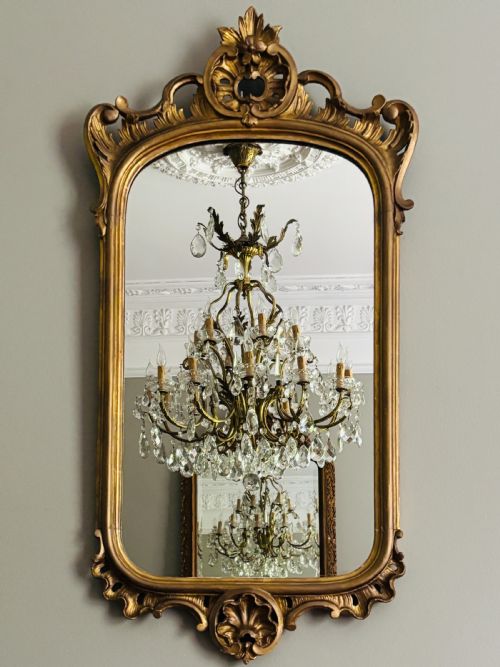
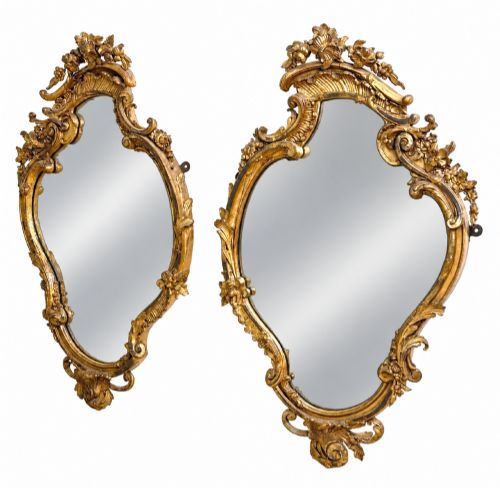
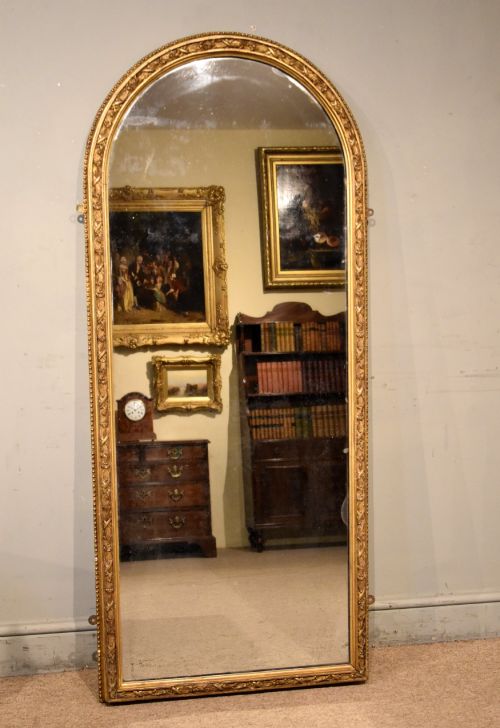
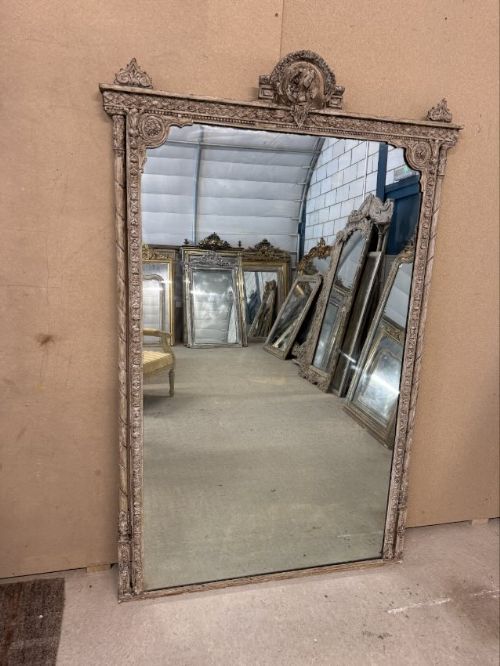
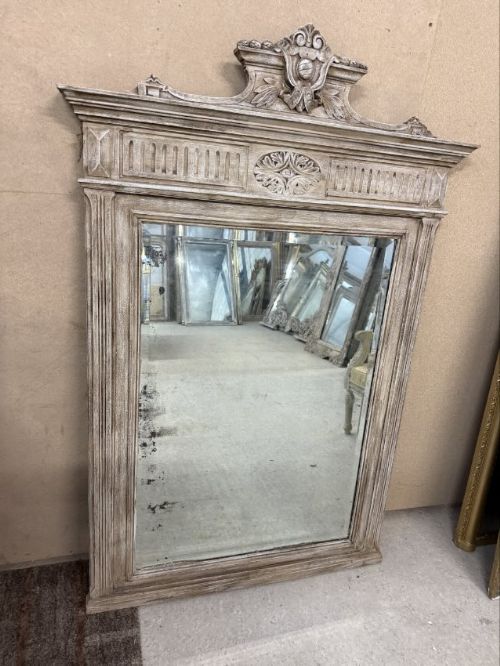
A carved wood pier mirror is a tall vertical glass plate framed in timber, designed to fit specific architectural wall spaces between windows or above console tables.
The selections span the eighteenth and nineteenth centuries, taking forms influenced by Georgian, Regency, Victorian, and French revival design.
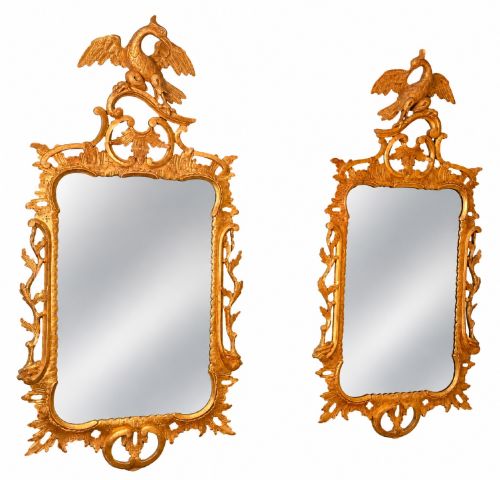
Many examples appear paired with console tables or function as overmantels, originating from English and continental workshops.
How they were made
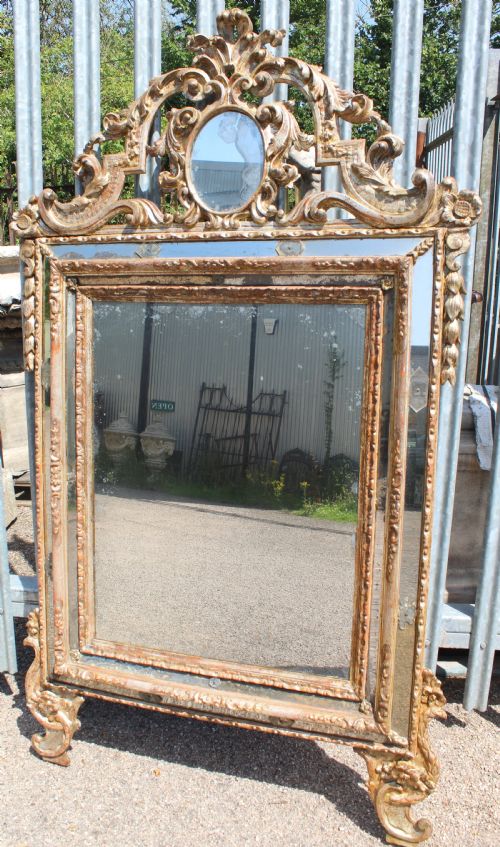
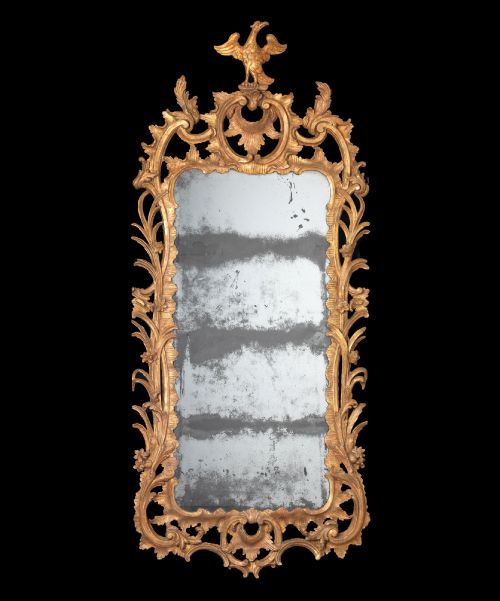
Frames rely on solid timber foundations of mahogany, walnut, or yew wood, shaped by hand carving and fretwork techniques.
Many surfaces receive applications of gesso and gold leaf, silver, or paint to build up ornate decorative motifs.
Glass plates include early mercury mirrors and traditional silvered sheets, sometimes showing foxing from age.
Carved Wood Pier Mirror Retail Price Guide 2026
Typical asking prices for carved wood pier mirror among the pieces listed under this phrase on Sellingantiques today, from the lower quarter to the upper quarter. They describe what is for sale here now, not the wider market.
Listings feature eighteenth-century walnut and mahogany examples alongside nineteenth-century giltwood and gesso pieces.
What varies in quality
The depth and crispness of the hand carving dictate the refinement of the frame, distinguishing routine joinery from sculptural work.
Original surface treatments, whether untouched gilding or old layered paint, hold more integrity than later re-gilding or overpainting.
The preservation of the original mirror plate influences the character, particularly where early mercury backing or light foxing remains intact.
Gillows Of Lancaster
The Carved Wood Pier Mirror Glossary
- Pier glass
- A tall mirror specifically sized to hang on the wall space between two windows.
- Gesso
- A plaster-like mixture applied to wood frames to provide a smooth base for gilding or painting.
- Mercury glass
- An early mirror-making technique using a tin and mercury amalgam behind the glass plate.
- Parcel gilt
- A decorative finish where only specific raised carved details of a wooden frame are covered in gold leaf.
- Fretwork
- Openwork ornamentation cut into thin boards of timber using a fretsaw.
Carved Wood Pier Mirror: Frequently Asked Questions
Where did pier mirrors hang?
These tall glasses hung on the narrow strip of wall dividing two windows, designed to bounce daylight back into the room.
They also frequently stood directly above low console tables or mantels to complete a symmetrical interior scheme.
How do I spot an eighteenth-century frame?
Early frames display dense timber construction like walnut or mahogany, often featuring hand-cut fretwork and gesso enrichment.
Surface patination on eighteenth-century examples shows natural wear and softer gilt edges compared to later nineteenth-century revival work.
What is mercury glass?
Mercury glass refers to mirror plates produced by pouring a tin and mercury mixture behind the glass pane.
This historic method creates a characteristic mottled, dark reflection often known as foxing.
Are these mirrors heavy?
Solid timber frames combined with thick glass plates and gesso enrichment create considerable weight.
Secure wall fixings suited to the specific weight of the frame are essential for safe hanging.