
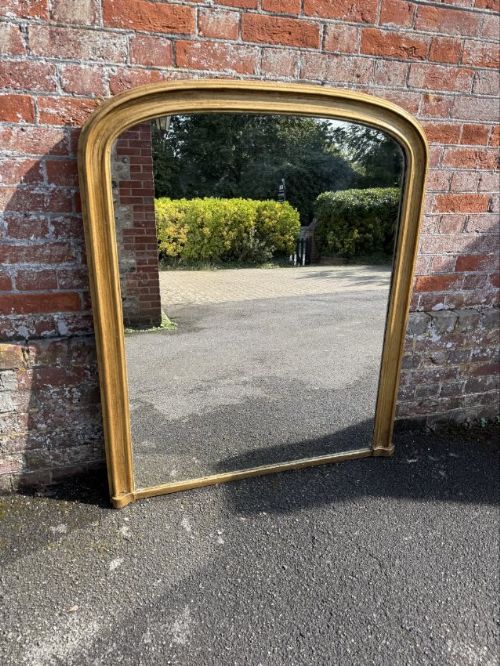
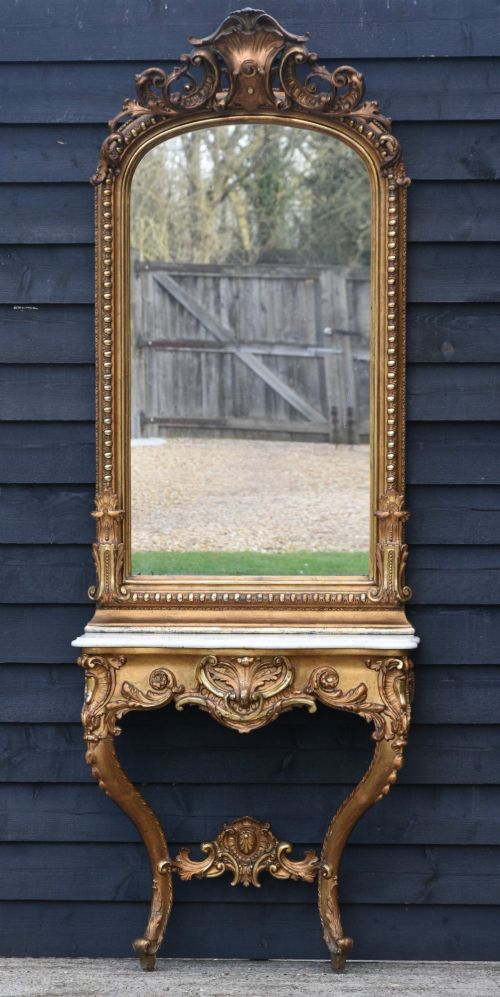
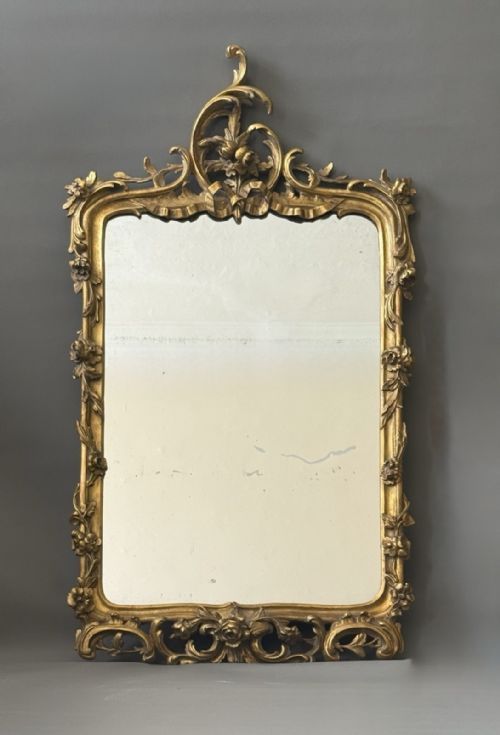
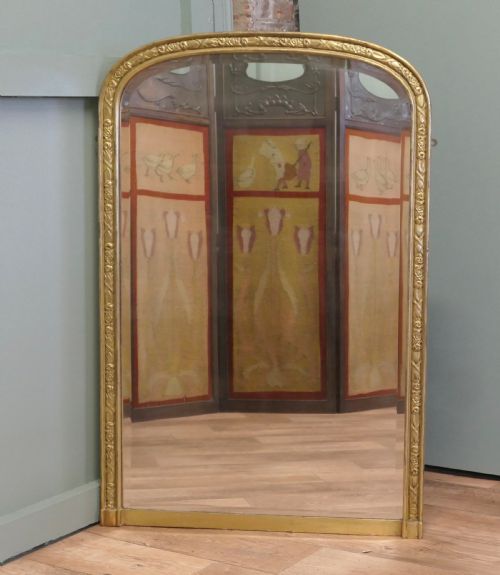
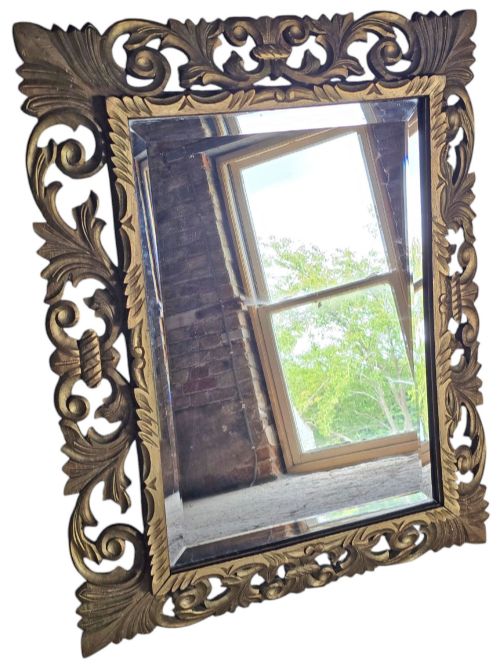
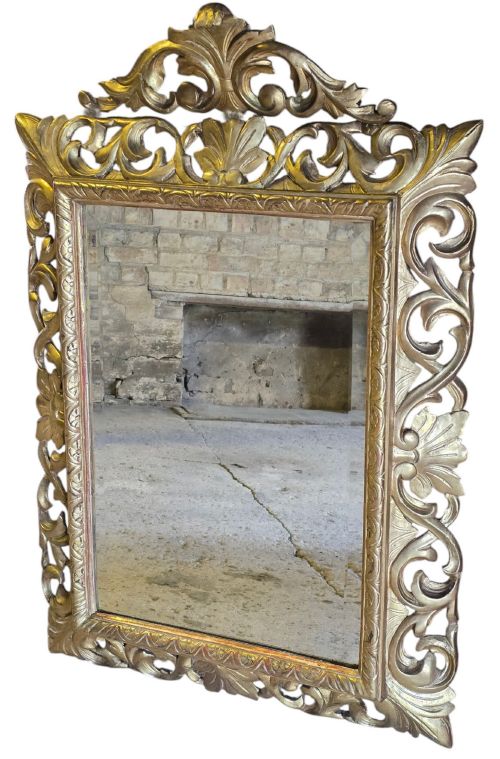
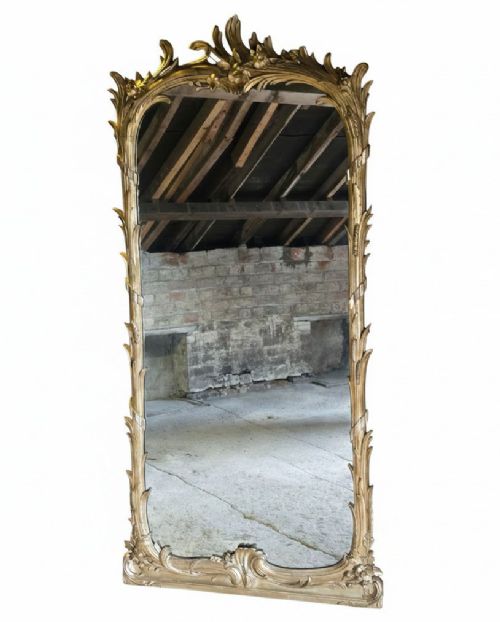
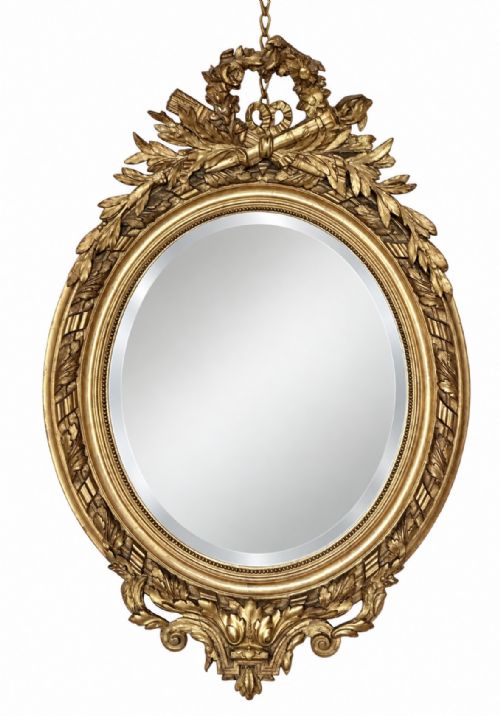
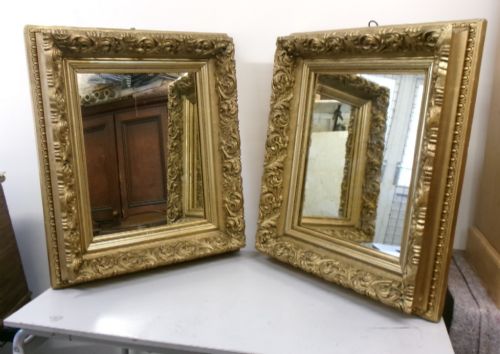


Gilded Carved Wall Mirror
A gilded carved wall mirror brings centuries of reflective light and elaborate ornamentation into a room.
Forms and periods
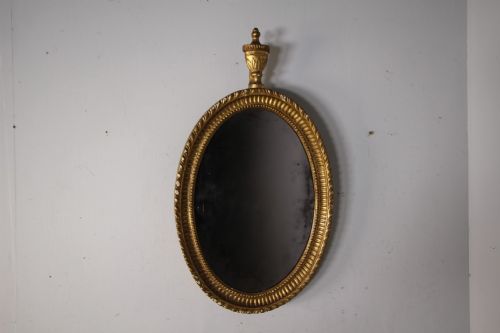
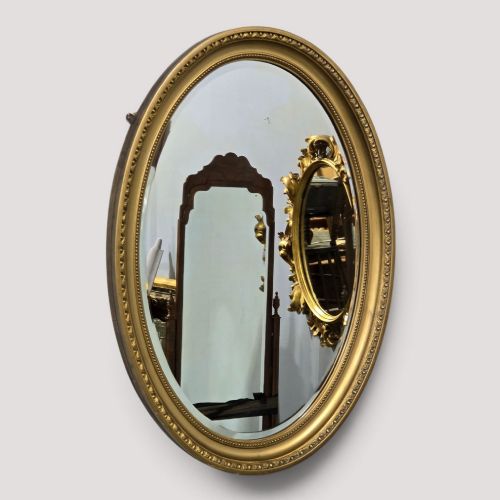
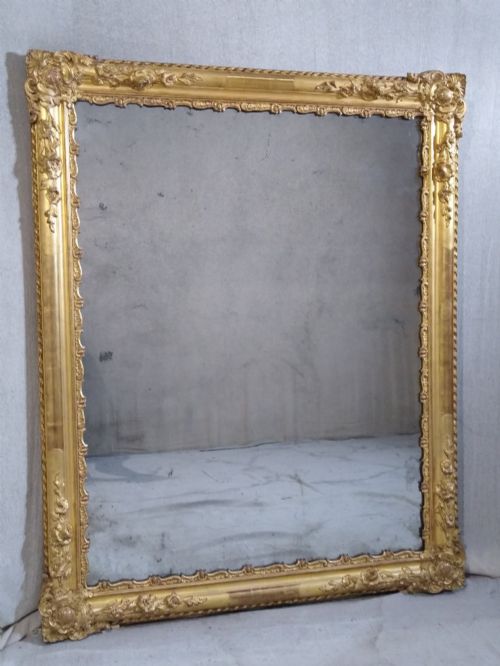
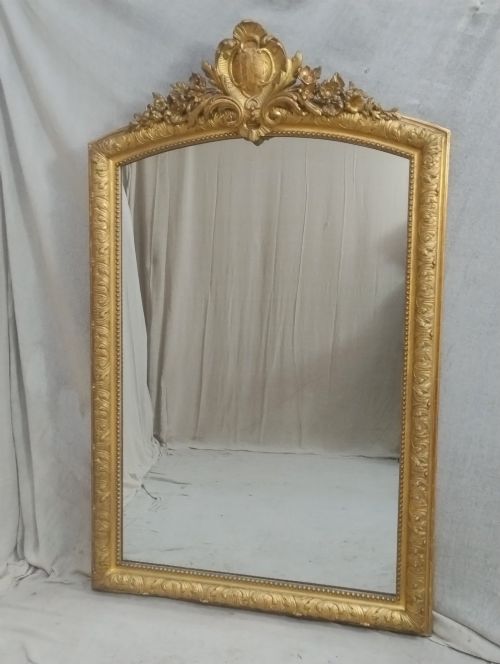
A gilded carved wall mirror spans centuries of craftsmanship, taking forms such as overmantles, pier glasses, girandoles, and monumental classical pieces. These hanging looking glasses appear in styles ranging from Georgian Rococo and Chippendale to Neoclassical, Victorian, and French Chateau designs.
Buyers meet examples shaped across the eighteenth, nineteenth, and early twentieth centuries, including Italian rococo pier mirrors and French marriage mirrors. The evidence shows rectangular, oval, cushion, and pier formats designed to anchor a room's decorative scheme.
Makers and artisans produced these works in specific regional traditions, from English Chippendale workshops to Venetian glass centres and French ateliers. Each piece reflects the aesthetic priorities of its period, whether through symmetrical neoclassical restraint or exuberant rococo carving.
Materials and construction
Makers constructed these frames from carved wood, limewood, mahogany, and walnut, often applying gesso and composition ornaments to build up intricate relief details. Glass plates, including original mercury glass, sit within these supportive wooden structures.
The characteristic golden finish relies on gold leaf or water gilding applied over preparation layers. Skilled gilders laid thin metal leaf onto the prepared surfaces, burnishing the gold to achieve varied levels of matte and reflective lustre.
Retail Price Guide 2026
Typical UK retail prices for gilded carved wall mirror, calculated from the Sellingantiques database of over a million retail prices indexed since 2003. This retail price guide relies exclusively on Sellingantiques data; no external sources or auction records are used, so the figures do not describe the wider market.
Listings in the archive span the eighteenth, nineteenth, and early twentieth centuries, featuring materials like giltwood, gesso, mahogany, and canvas.
Judging execution and depth
Quality rests upon the crispness of the hand carving and the depth of the gesso and composition ornament applied to the wooden carcass. Superior examples display sharply defined foliage, scrolls, and figural details rather than soft, repetitive moulding.
The sophistication of the gilding technique separates standard pieces from exceptional ones, particularly where water gilding allows for burnished highlights against matte backgrounds. Surviving original glass plates and robust structural framing further elevate a piece.
The Gilded Carved Wall Mirror Glossary
- Giltwood
- Wood that has been coated with gold leaf or gold powder. This surface treatment provides the brilliant metallic finish characteristic of these frames.
- Gesso
- A plaster mixture applied to wood frames to create a smooth surface for carving or gilding. Artisans model fine relief details directly into this pliable ground.
- Pier glass
- A tall mirror designed to hang on the wall between windows, often placed above a pier table. These tall glasses amplify natural light in formal rooms.
- Girandole
- A wall mirror featuring attached candle sconces. The mirrored glass reflects the candlelight to brighten the interior.
- Composition
- A moulded mixture of whiting, resin, glue, and oil pressed into ornament. Workshops used this material to replicate intricate carved details efficiently.
Frequently Asked Questions
How do I date a mirror?
Dating relies on examining the construction of the wooden frame, the composition of the gesso, and the manufacturing characteristics of the glass plate. Stylistic markers such as rococo asymmetry or neoclassical symmetry also indicate specific periods.
Evidence from past examples points to distinct construction shifts between eighteenth-century hand-carved pieces and later nineteenth or twentieth-century works utilising composition ornament.
What is mercury glass?
Mercury glass refers to antique mirror plates backed with a silver and mercury amalgam rather than modern chemical silvering. This technique produces a distinctive mottled, dark reflective quality.
Mirrors retaining their original mercury glass often exhibit characteristic foxing and age spots around the edges of the plate.
Where should I hang one?
These mirrors function effectively above mantelpieces, between tall windows as pier glasses, or as focal points on principal room walls. Their reflective surfaces naturally bounce ambient light across the space.
Ensure the wall construction supports the substantial weight of heavy carved wooden and gilt frames before mounting.
How do I clean giltwood?
Dust giltwood frames gently with a soft, dry brush or feather duster to remove surface particles. Avoid liquid cleaners, moisture, and abrasive cloths that can damage delicate gold leaf.
Water and commercial cleaning agents easily strip or discolour historical water gilding and gesso layers.