
Georgian Gilded Mirror
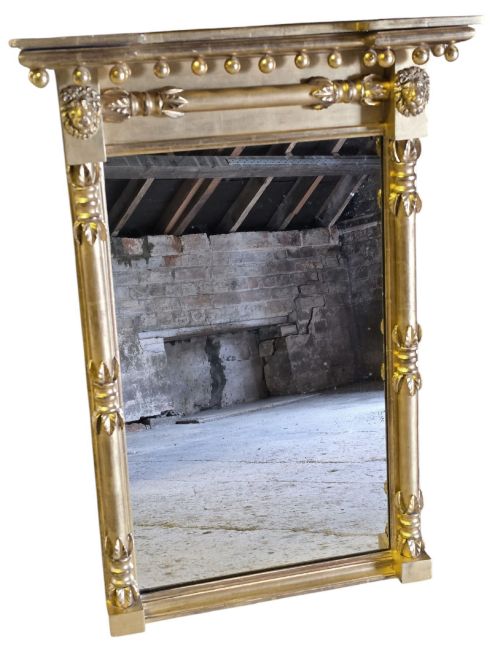
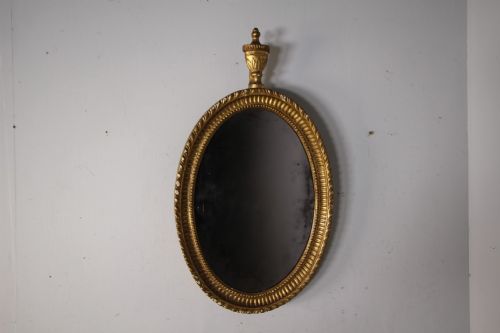
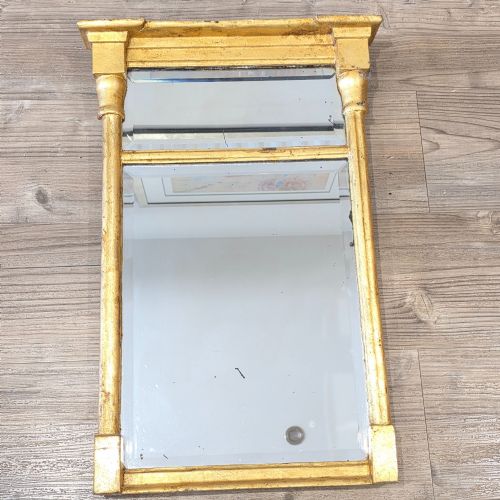
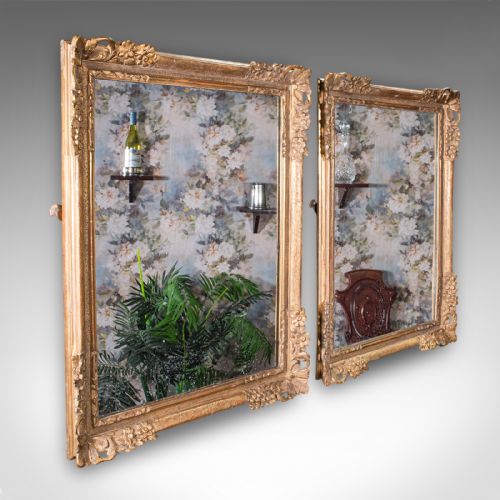
These georgian gilded mirror pieces bring eighteenth and nineteenth century craftsmanship to a room, offering reflective depth and carved ornamentation.
What these pieces are
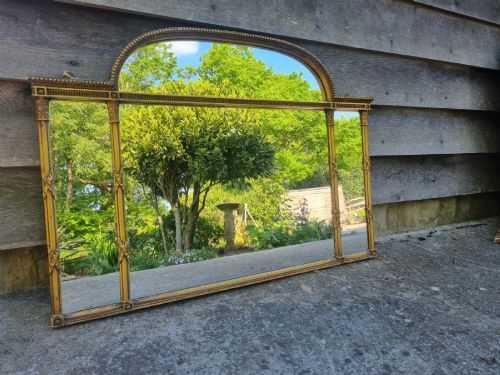
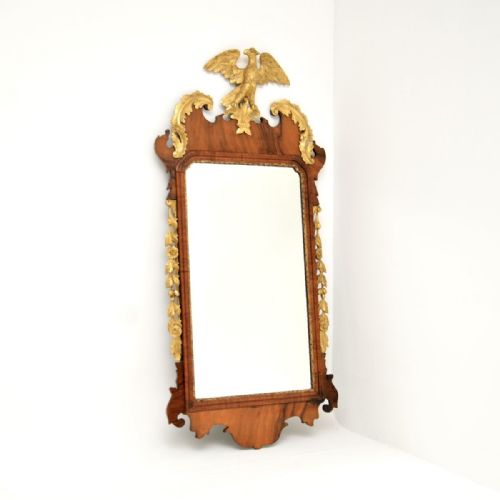
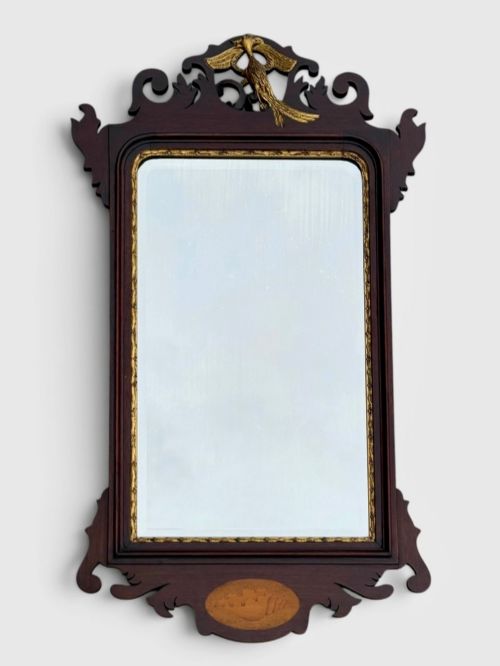
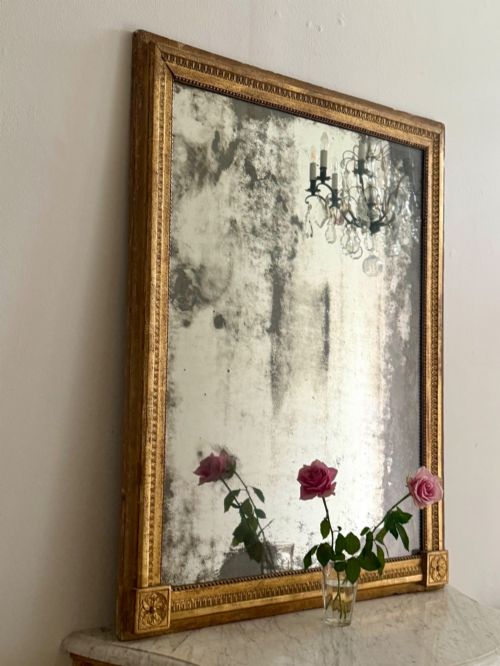
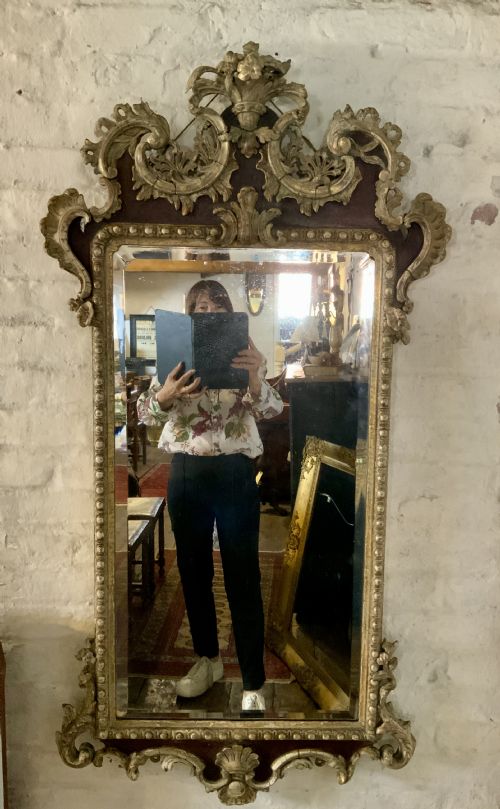
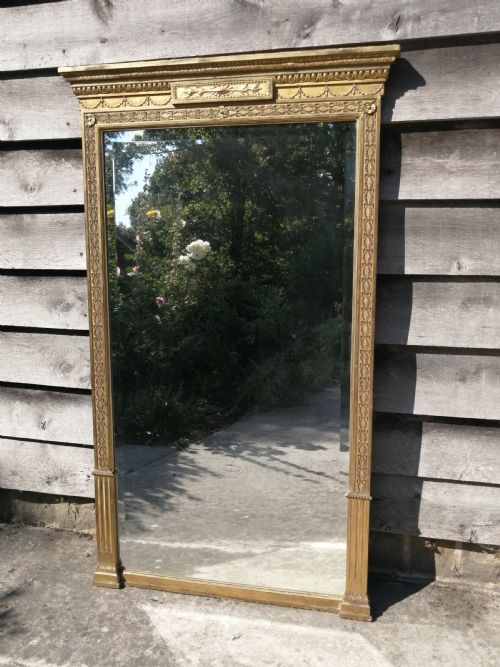
A georgian gilded mirror is a wall hanging intended to catch the light and anchor a room, appearing primarily in eighteenth and nineteenth century iterations. The evidence shows wall mirrors spanning periods from the eighteenth century through to the nineteenth century, including Georgian and Regency epochs.
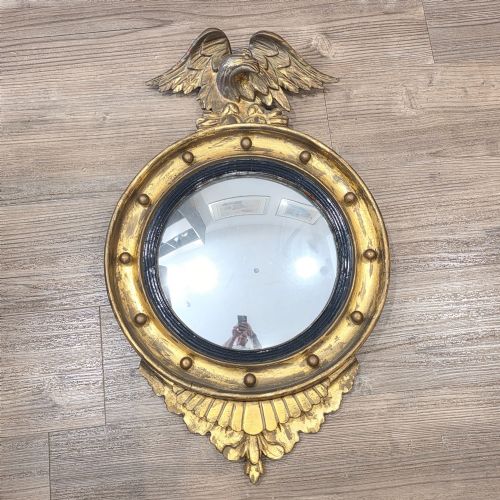
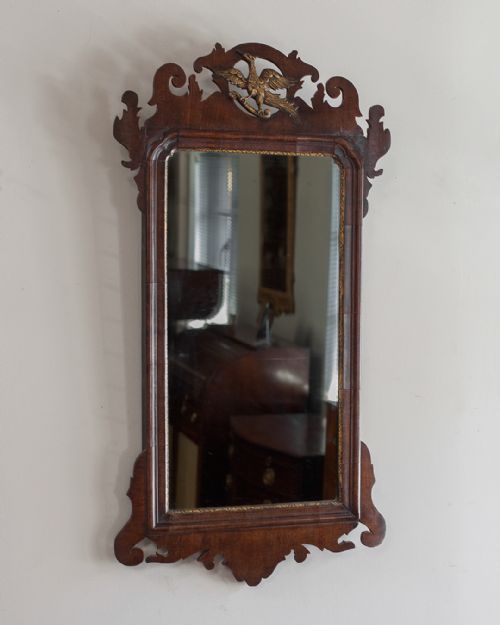
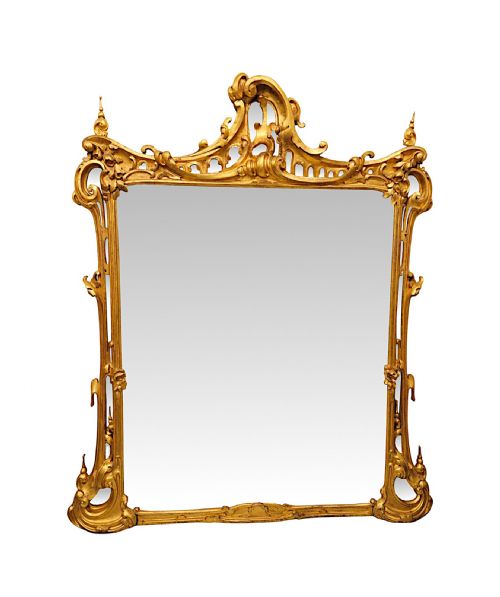
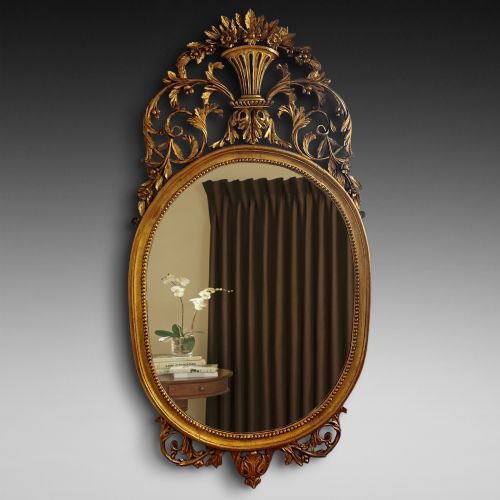
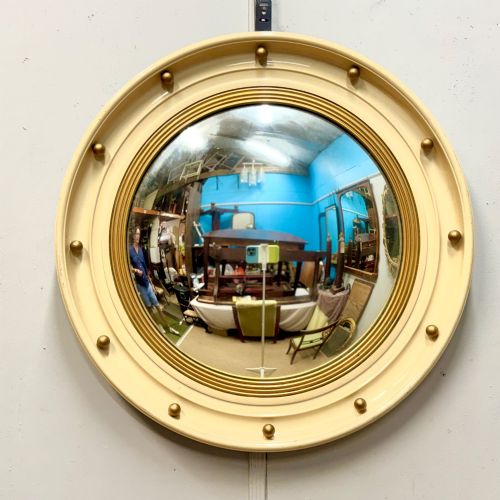
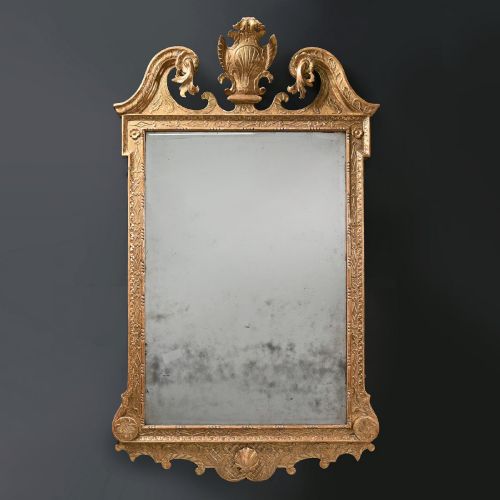
Buyers encounter forms such as carved giltwood wall mirrors, oval shapes, convex glasses, and examples bearing the styles of Chippendale Rococo. These pieces originate from distinct historical moments, reflecting the aesthetic shifts within the Georgian period and the subsequent Regency era.
The selection ranges from mid eighteenth century Chippendale period works to smaller convex glass designs from around eighteen hundred and twenty. Each piece functions as a decorative focal point while retaining its original wall hanging purpose.
How they were made
Maker workshops built these frames using carved wood and pine as a structural base beneath the surface layers. Gesso was then applied to smooth the wood and provide a foundation for subsequent gilding techniques.
Gold leaf and giltwood finishes cover the wooden structures, creating the characteristic metallic lustre seen across the listings. Glass panels and convex mirrors complete the construction, secured within the carved frames.
Retail Price Guide 2026
Typical UK retail prices for georgian gilded mirror, calculated from the Sellingantiques database of over a million retail prices indexed since 2003. This retail price guide relies exclusively on Sellingantiques data; no external sources or auction records are used, so the figures do not describe the wider market.
Convex mirrors were once called butler's mirrors because their curved glass allowed servants to keep an entire dining room under surveillance from a single spot.
What varies in quality
The sophistication of the wood carving determines the distinction between standard items and superior examples. Deeply undercut foliage and sculptural depth require advanced hand carving skill.
The application and preservation of the gold leaf influence the visual coherence of the piece. Intact gesso layers and refined gilding reflect light more evenly across the carved surfaces.
The Georgian Gilded Mirror Glossary
- Giltwood
- Wood that has been coated with gold leaf or gold paint. This surface treatment defines the bright metallic appearance of the frames.
- Gesso
- A plaster mixture applied to wood frames to create a smooth surface for gilding. It allows carvers to achieve sharp detail before applying gold leaf.
- Convex mirror
- A spherical mirror glass that curves outward to provide a wide, distorted reflection of the room. Regency interiors frequently incorporated this optical form.
- Chippendale
- A style named after cabinetmaker Thomas Chippendale, characterised by Rococo asymmetry and naturalistic motifs. These mirrors display elaborate carved wood decoration.
Frequently Asked Questions
How do I hang a heavy antique mirror safely?
Wall anchors must secure directly into structural timber or masonry to support the considerable weight of pine and giltwood frames. Professional framing hooks distribute the load evenly across the fixing points.
Position the mirror at eye level to ensure proper balance within the room layout. Avoid placing the frame where excessive moisture or direct sunlight might destabilise the historical gesso layers.
What distinguishes a Regency mirror from earlier Georgian pieces?
Regency mirrors often feature convex glass formats and simpler, more restrained framing geometry compared to earlier work. The ornamentation shifts away from heavy Rococo carving toward classical motifs.
Earlier Georgian examples typically employ intricate pierced woodwork and naturalistic foliage. Examining the carving style reveals the transition between these adjacent historical periods.
How should I clean a historic gilded surface?
Dust the carved wood gently with a dry, soft bristle brush to remove surface particles without disturbing the gold leaf. Avoid liquid cleaners entirely, as moisture penetrates aged gesso and causes lifting.
Professional conservation methods are necessary for deeper cleaning or stabilization. Gentle preventative care preserves the original material integrity of the frame.
Are these mirrors suitable for smaller spaces?
Smaller convex formats and compact wall mirrors bounce natural light into confined areas to create an open visual effect. Their scaled proportions fit narrow wall spaces between windows or above mantelpieces.
Placement opposite a window maximises the reflective potential within the room. The decorative frame adds architectural interest without overwhelming modest dimensions.