



Italian Rococo Mirror
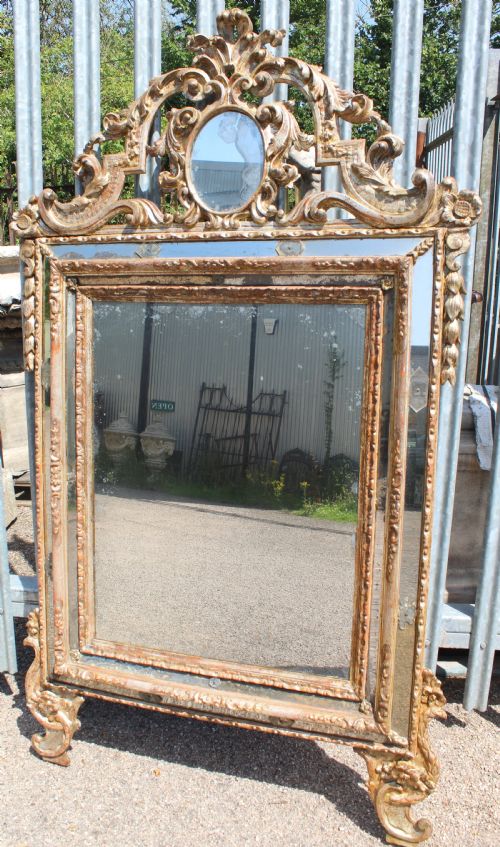
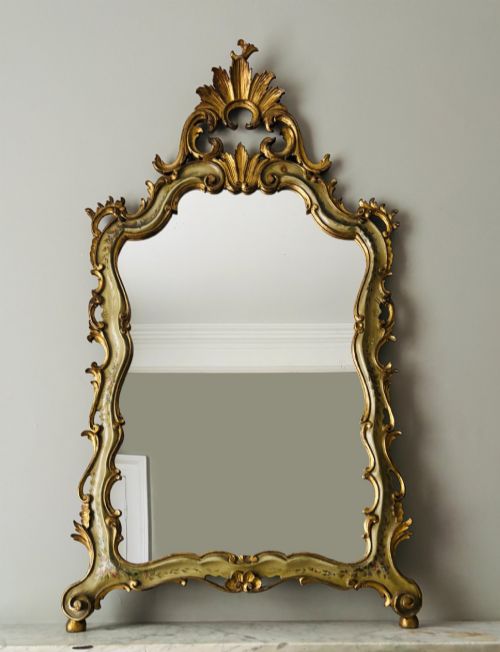
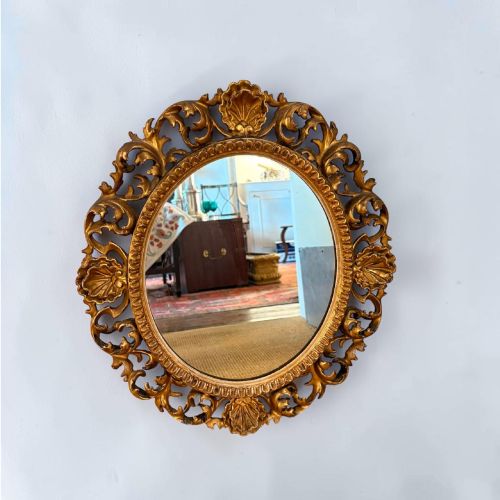
An italian rococo mirror brings flowing asymmetric lines and rich gilded surfaces into a room, capturing eighteenth-century Continental craftsmanship.
Italian Rococo Mirror
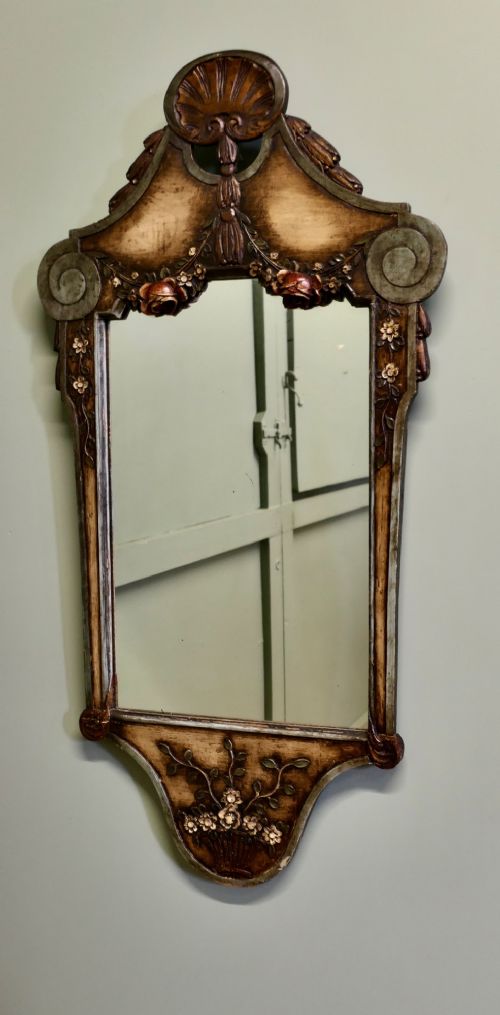
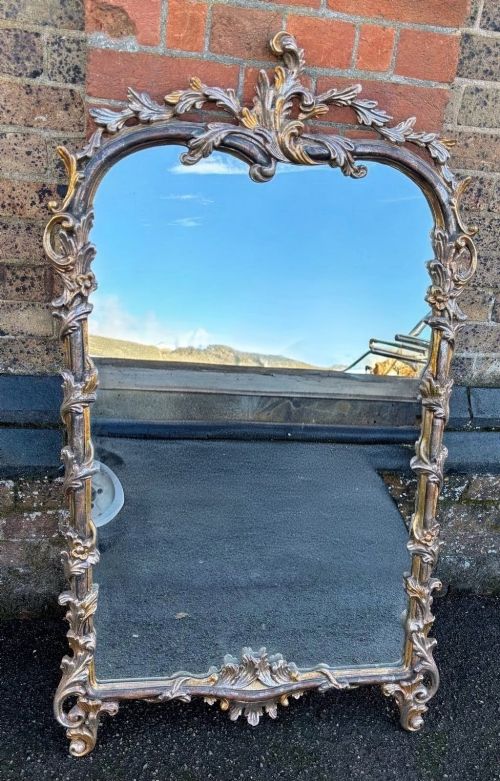
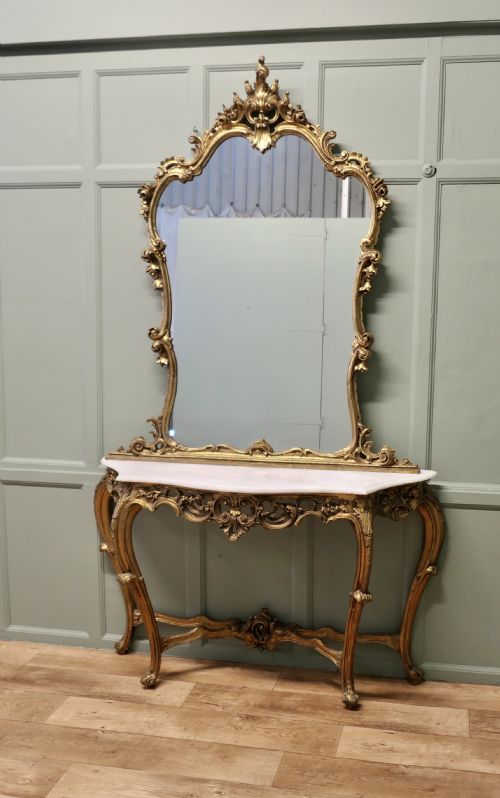
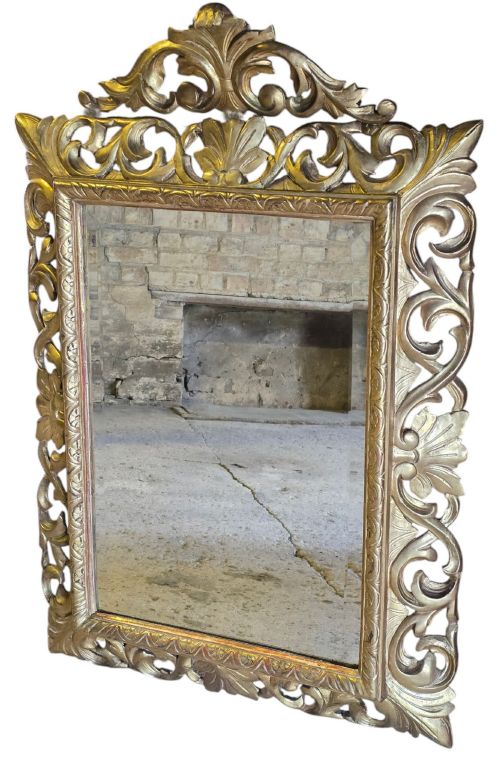
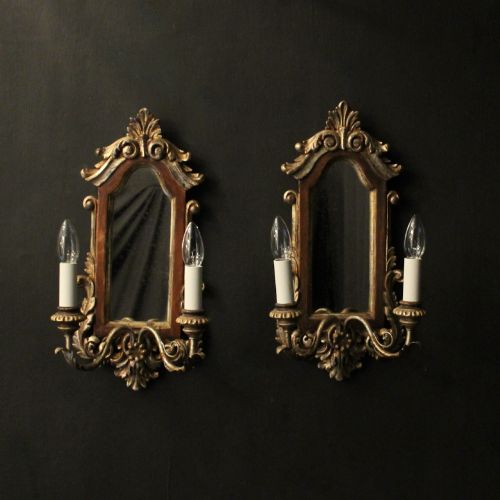
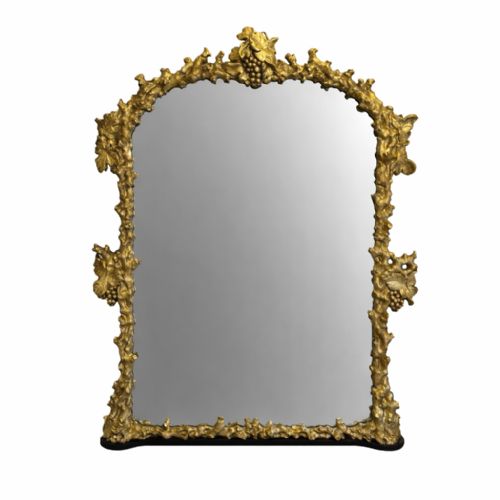
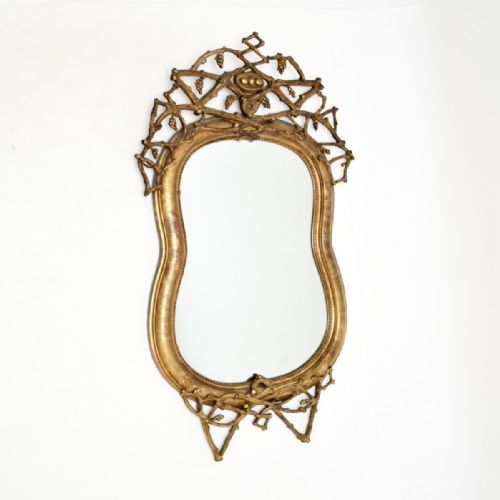
When searching for an italian rococo mirror, you encounter ornate wall glass, cartouche-shaped frames and pier mirrors originating from Venice, Florence and wider Italy.
The pieces on this page span genuine eighteenth-century examples alongside nineteenth-century revival interpretations and early twentieth-century decorative pieces.
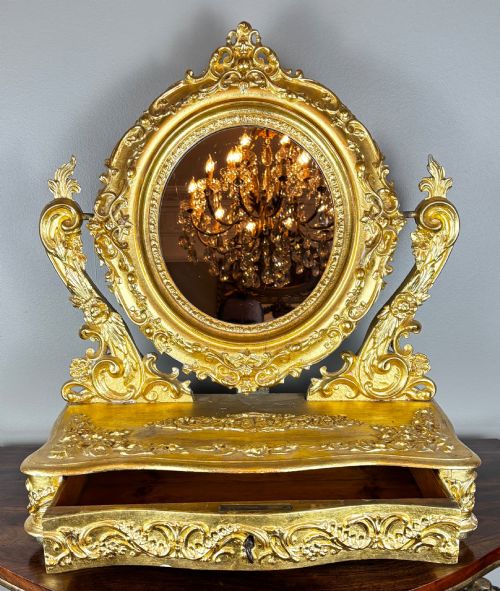
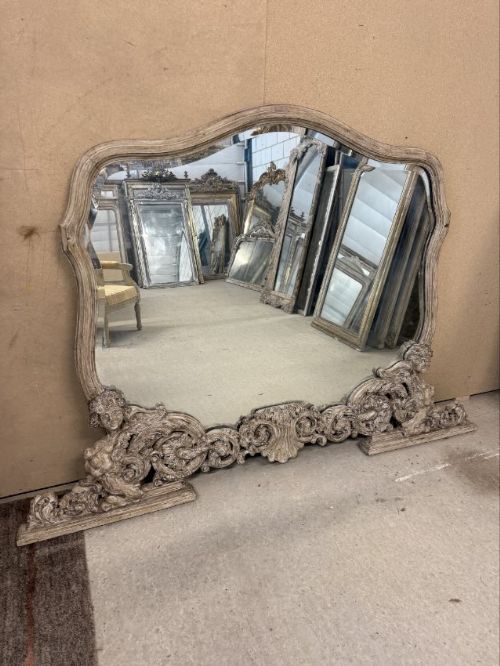
Common formats range from compact dressing and table mirrors to large overmantel frames and paired girandoles designed to flank a console table.
Materials and Construction
Carved timber provides the structural foundation for these frames, shaped into intricate scrolls, acanthus leaves and asymmetrical cartouches by skilled hands.
Giltwood and gesso finishes dominate the record, utilising layers of gold leaf or silver leaf applied over prepared plaster and wood bases.
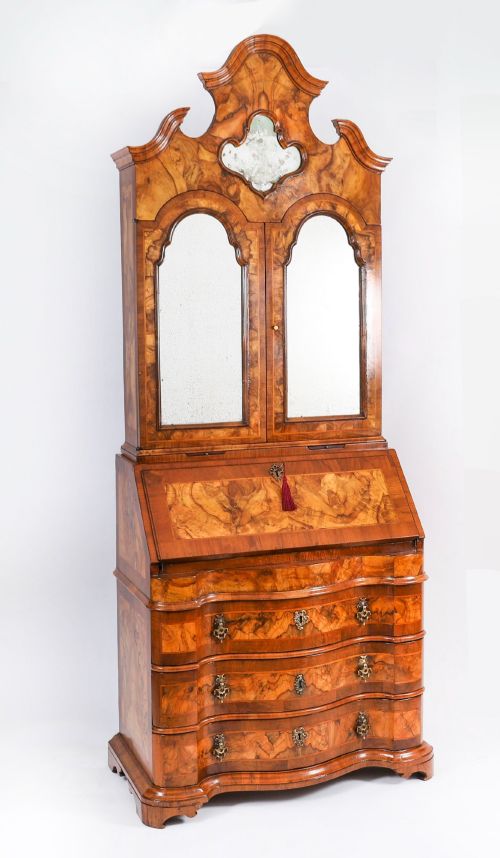
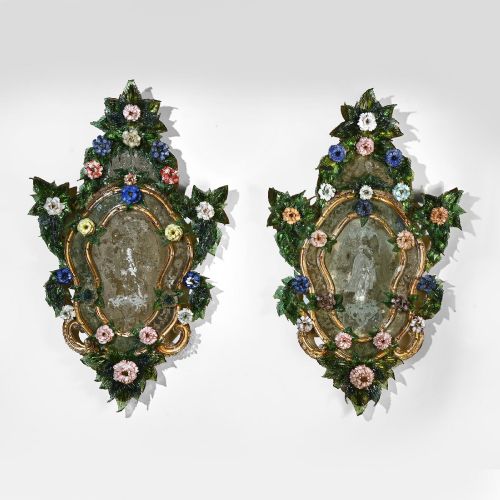
Reflecting surfaces include original hand-blown mirror glass, often showing foxing, alongside engraved plates and specialised Venetian glass panels.
Italian Rococo Mirror Retail Price Guide 2026
Typical asking prices for italian rococo mirror among the pieces listed under this phrase on Sellingantiques today, from the lower quarter to the upper quarter. They describe what is for sale here now, not the wider market.
Listings feature walnut, fruitwood, and pine substrates finished with gold and silver leaf or polychrome paint.
Assessing Quality
Depth and crispness of the hand carving distinguish superior examples from simpler production, separating sharp relief work from softer moulded decoration.
The integrity of the original gilding and the character of the glass plate heavily influence the standing of an individual piece.
Proportion and harmony within the asymmetrical scrollwork determine whether a frame holds true to period aesthetics or feels heavier in execution.
The Italian Rococo Mirror Glossary
- Giltwood
- Wood that has been coated with thin sheets of gold leaf over a prepared ground. This technique creates a warm, reflective metallic sheen across the carved ornament.
- Cartouche
- An ornamental frame or tablet resembling a scroll or undressed shield with scrolling edges. They often form the central asymmetric shape of eighteenth-century wall mirrors.
- Gesso
- A plaster mixture applied to wood frames to create a smooth surface for gilding. It allows craftsmen to model sharp, intricate details before applying leaf.
- Girandole
- A branched wall sconce holding candles, frequently mounted directly beside or beneath a mirror. This arrangement multiplied the flickering candlelight within a room.
- Foxing
- Discolouration and small spots appearing within the silver backing of older mirror glass over time. Collectors often prize this natural ageing as evidence of considerable age.
Italian Rococo Mirror: Frequently Asked Questions
Where should I hang an Italian mirror?
These pieces suit principal reception rooms, hallways and above mantelpieces where their reflective qualities amplify natural light.
Pairing a large wall mirror with a matching console table creates a traditional focal point within a drawing room or dining space.
How do I spot an eighteenth-century original?
Examine the timber construction behind the frame, looking for hand-cut joinery and signs of age such as shrinkage in the wood.
Original glass plates frequently display hand-bevelling, slight distortions and characteristic foxing that modern manufacturing does not replicate.
What is a pier mirror?
Pier mirrors are tall, narrow glasses specifically manufactured to hang on the wall space between windows.
They maximise incoming daylight and were frequently paired with matching console tables or low cabinets placed directly beneath them.
How do I care for antique gilded frames?
Dust the carved wooden surfaces gently with a dry, soft brush to prevent the accumulation of dirt within the intricate scrollwork.
Avoid liquid cleaners entirely, as moisture damages fragile gesso and nineteenth-century or earlier gold leaf layers.