

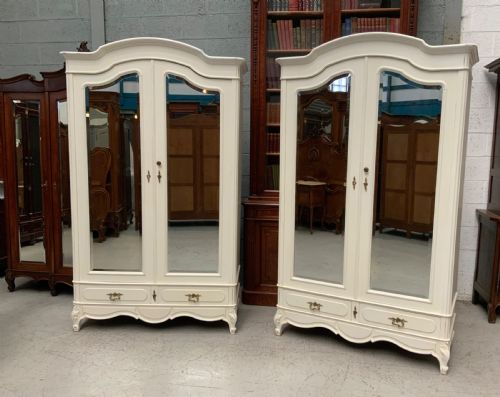
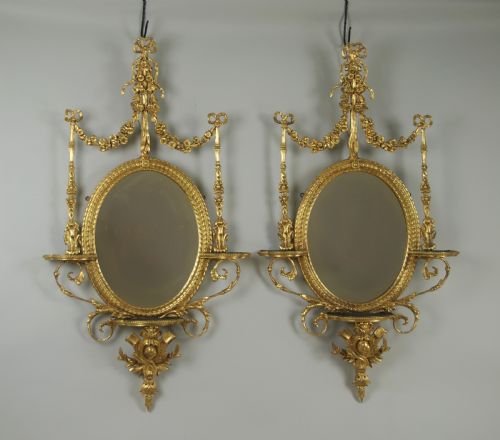
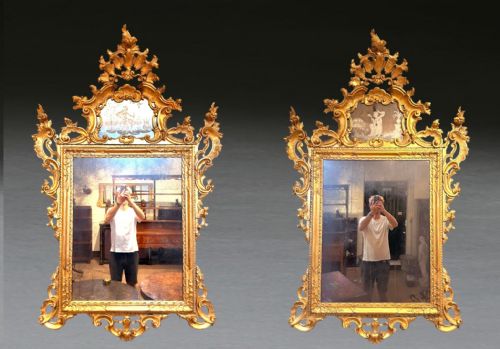
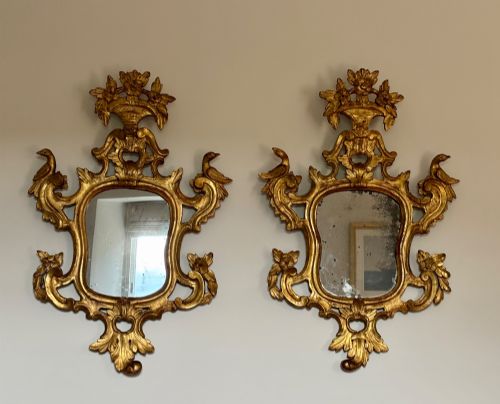
Pair Mirrors
Pair antique mirrors offer balanced symmetry and decorative impact, uniting practical reflection with centuries of craftsmanship.
Identifying pair antique mirrors
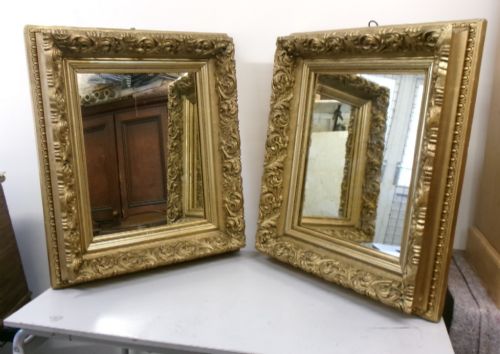
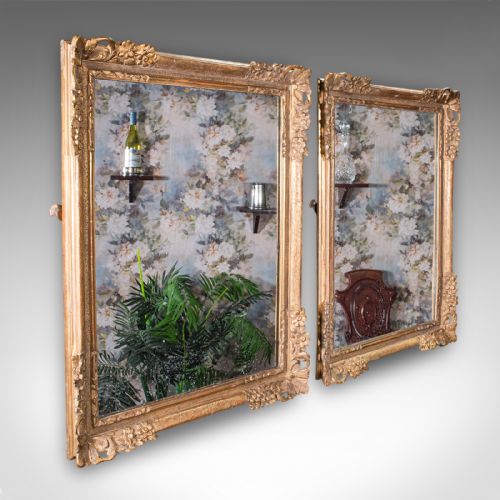
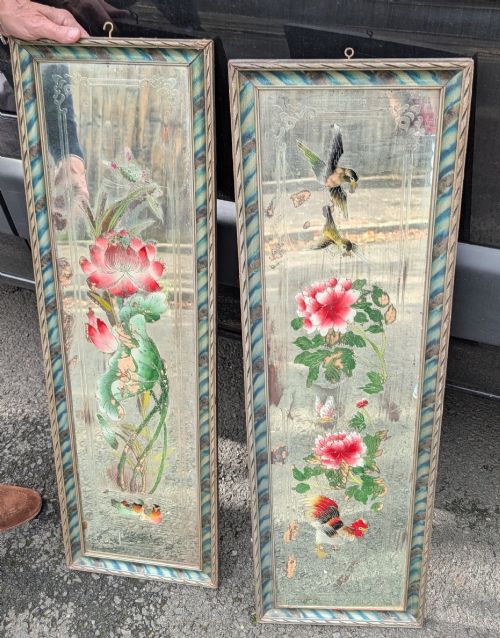
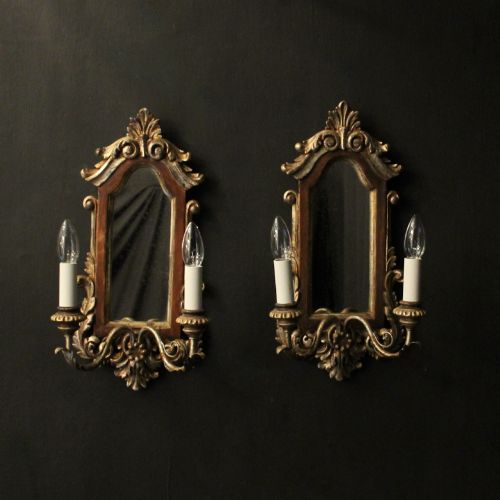
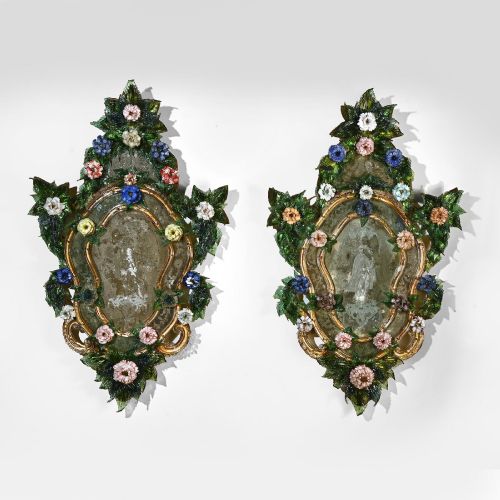
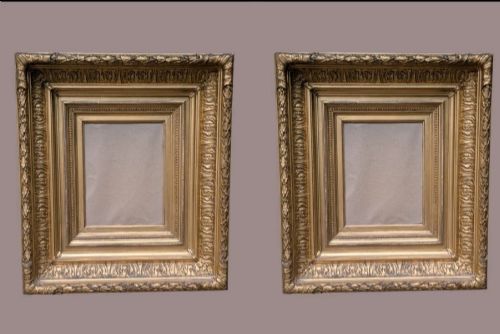
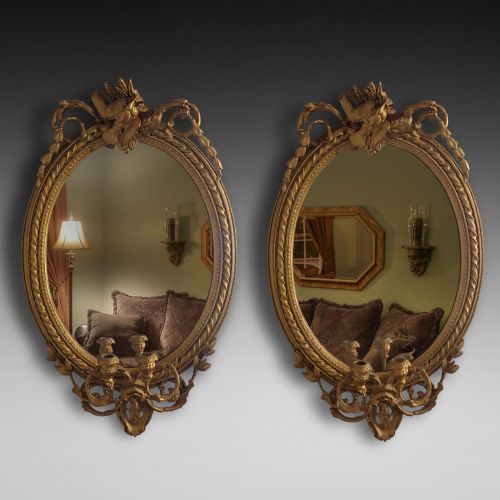
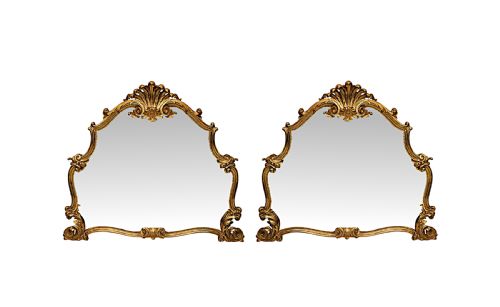
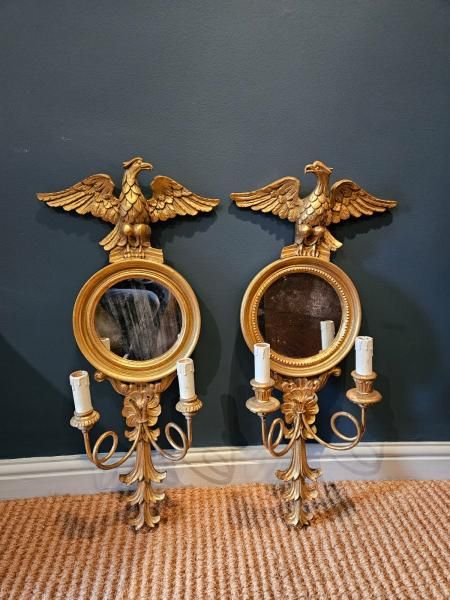
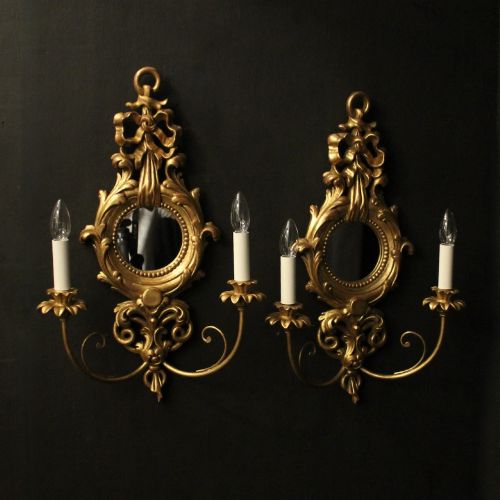
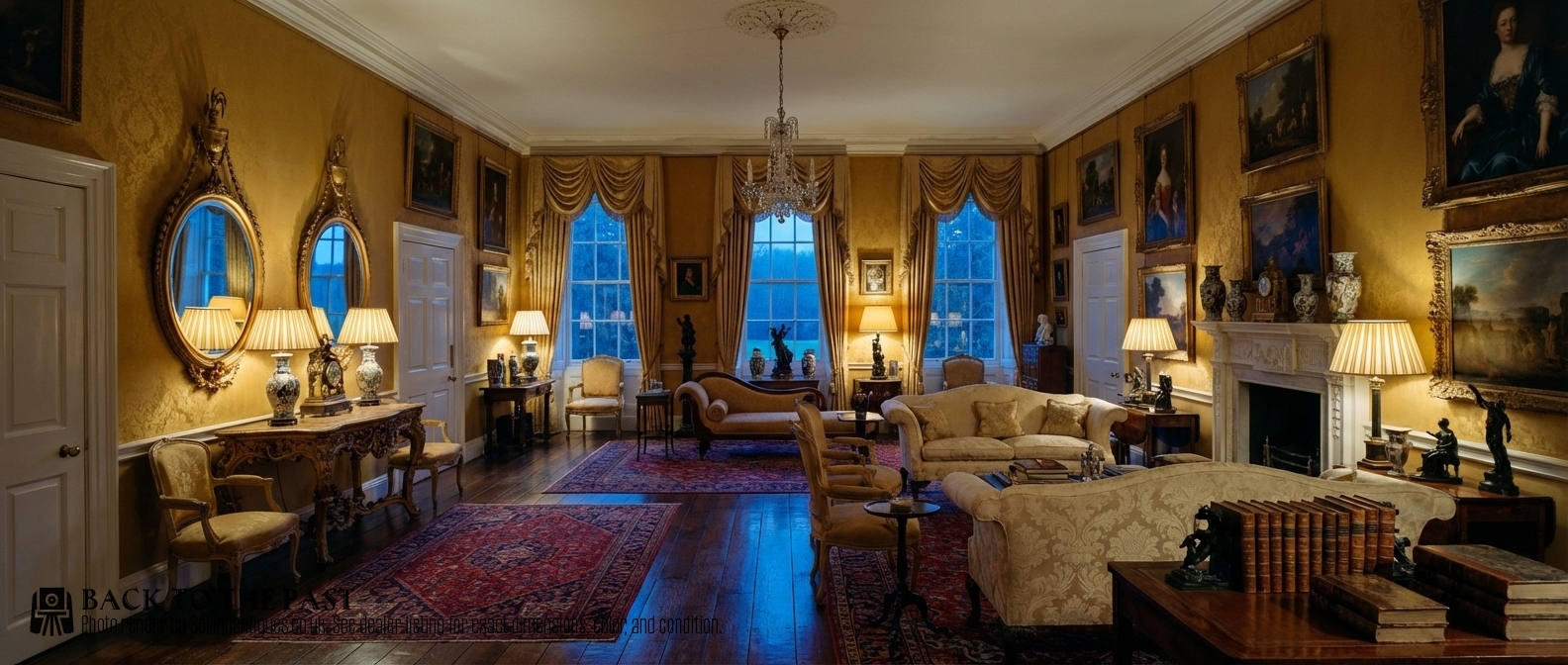
When searching for pair antique mirrors, buyers encounter matched sets designed to hang symmetrically across a mantelpiece, pier, or wall. These items emerge in diverse historical forms, including substantial overmantels, tall dressing glasses, and compact wall sconces.
The evidence shows periods spanning the eighteenth, nineteenth, and early twentieth centuries, incorporating Italian Rococo, Florentine Rococo, Neoclassical, and Edwardian styles. Wall mirrors and overmantel mirrors dominate the available forms.
Origin and design vary widely, from ornate carved Italian giltwood frames to simpler English and French creations in mahogany, brass, and painted finishes.
Materials and construction
Frames rely heavily on carved wood, giltwood, gesso, composition, and gold leaf, often built with underlying pine or hardwood structures. Artisans applied thin layers of gesso to carved timber surfaces before applying gold leaf or paint.
Glass panels include traditional mirror glass, mercury glass, and convex or concave configurations that distort reflections for specific optical effects. Additional elements such as brass, velvet, and inlaid woods appear in specific regional and period pieces.
Retail Price Guide 2026
Typical UK retail prices for pair mirrors, calculated from the Sellingantiques database of over a million retail prices indexed since 2003. This retail price guide relies exclusively on Sellingantiques data; no external sources or auction records are used, so the figures do not describe the wider market.
The documented styles span Italian Rococo, Florentine Rococo, Neoclassical, and Edwardian designs.
Judging quality in matched pairs
Quality rests in the crispness of the hand-carved ornamentation and the depth of the gilding applied over the gesso ground. Superior examples display sharply defined acanthus leaves, scrolls, and floral motifs without the softening typically seen in mass-produced composition ornament.
The integrity of the original mirror glass matters significantly, with older mercury plates showing characteristic dark speckling and soft reflection compared to later silvered glass. The exact matching of the pair in timber shrinkage, frame dimensions, and wear patterns indicates whether the items originated together.
The Pair Mirrors Glossary
- Giltwood
- Timber coated with gold leaf or metallic powder applied over a prepared gesso ground. This finish provides a warm, reflective surface that mellows gracefully over centuries.
- Gesso
- A mixture of gypsum or chalk mixed with glue binder, applied to wooden frames to create a smooth surface for carving and gilding. It allows for intricate relief decoration.
- Overmantel mirror
- A large horizontal mirror designed specifically to hang above a fireplace mantel. These pieces frequently feature architectural framing to anchor the hearth space.
- Pier mirror
- A tall, narrow mirror manufactured to fit the wall space between windows, known as the pier. They often paired with console tables beneath.
- Girandole
- A decorative wall mirror featuring attached candle sconces designed to multiply candle illumination. The reflective glass enhances the ambient light in dimly lit historic rooms.
Frequently Asked Questions
How do I hang a heavy pair safely?
Heavy antique frames require robust fixings secured directly into wall studs or masonry rather than relying solely on plaster. Professional mirror hangers utilise D-rings and steel wire rated well above the combined weight of the timber and glass.
Positioning the pair at eye level ensures balanced visual weight across the room. Spacing them correctly maintains the architectural symmetry intended by the original maker.
Can I clean historic mirror glass?
Historic glass requires gentle cleaning with a soft microfibre cloth and a minimal amount of distilled water or mild glass cleaner. Avoid spraying liquid directly onto the glass, as moisture can seep behind the plate and damage vulnerable silvering or mercury backing.
Take care to keep moisture away from the giltwood or gesso frame edges. Water causes traditional water gilding and chalk-based gesso to soften and flake off.
Why do antique mirrors look dark?
Older mirrors often utilise silver nitrate or mercury backing that oxidises over long periods. This chemical ageing creates characteristic dark spots, foxing, and a softer, less clinical reflection than modern float glass.
Many collectors prize this natural patination as proof of great age and authenticity. The gentle distortion adds historic character that modern reproductions cannot replicate.
How do I spot a matched pair?
Examine the frames side by side under consistent light to compare wood grain, carving depth, and wear patterns. True pairs exhibit identical tool marks and proportionate dimensions that confirm they were carved in tandem.
Check the reverse of both frames for matching carpenter marks, stamps, or labels. Discrepancies in construction techniques often indicate a marriage of two separate single mirrors.