




Florentine Carved Mirror
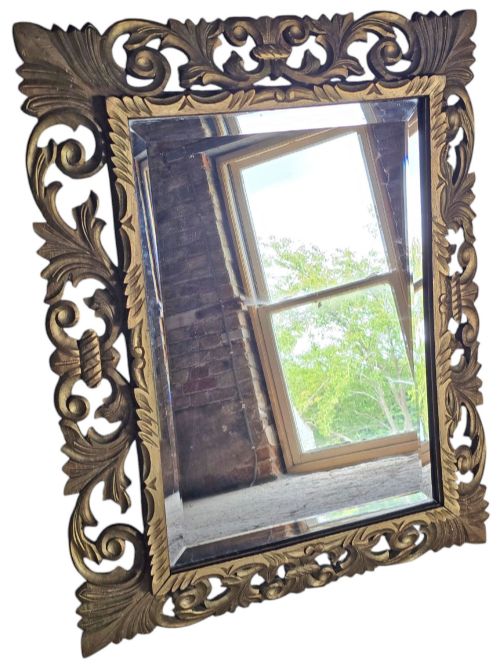
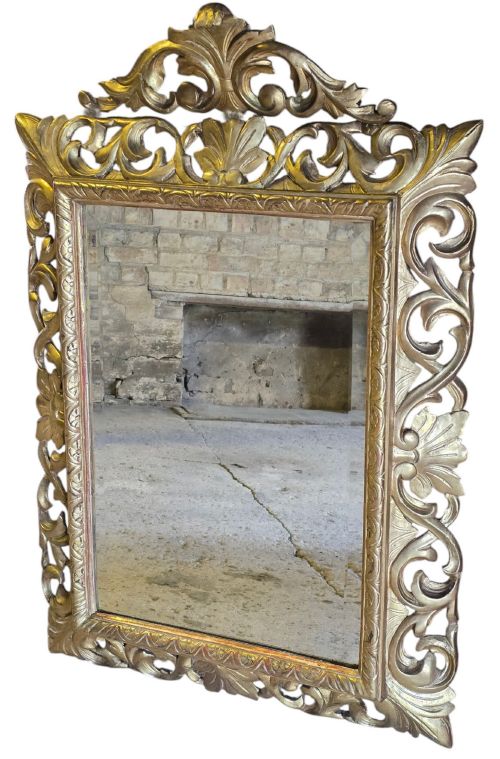
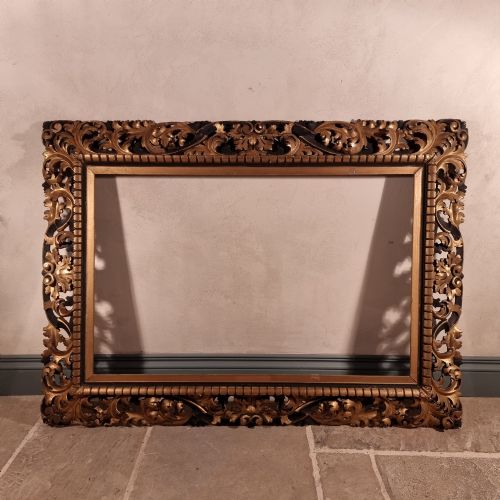
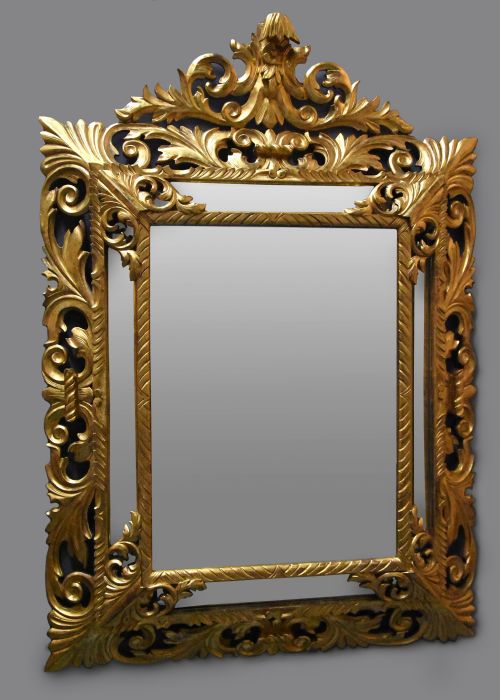
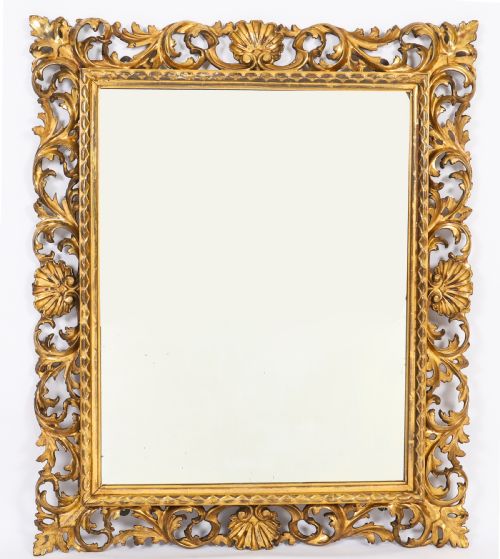
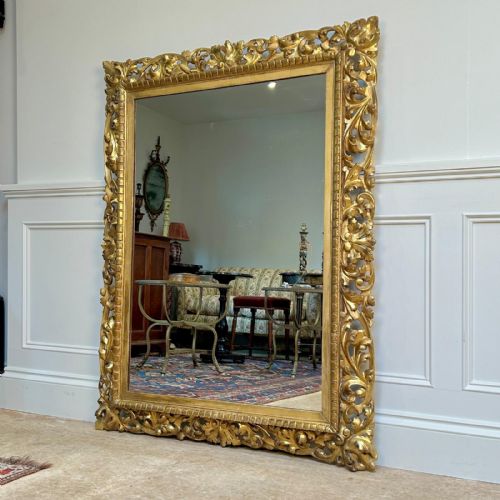
These florentine carved mirror examples deliver dramatic Italian presence through ornate giltwood frames, suiting grand rooms and mantelpieces alike.
Forms and periods
A florentine carved mirror brings classical Italian decoration into a room through elaborate wooden frames shaped with scrollwork and foliage. These wall mirrors appear across several eras, with examples originating from the late eighteenth century through the nineteenth century and into the early twentieth century.
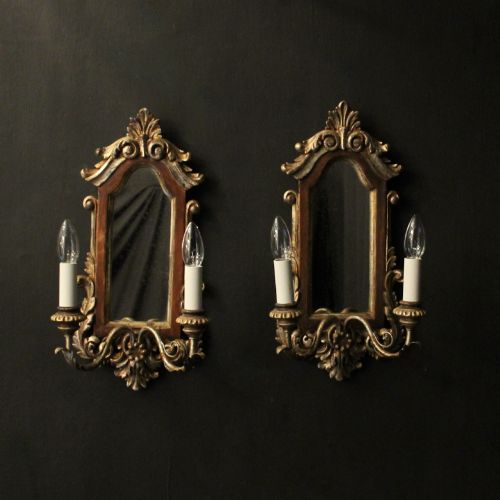
The selection ranges from small wall mirrors to grand overmantle pieces and matched pairs. Oval formats, cushion profiles, and circular frames sit alongside rectangular wall mirrors, reflecting the diverse output of Italian workshops.
Most items on this page date to the nineteenth century, capturing the enduring demand for Italian Baroque Revival and Rococo aesthetics. Alongside traditional giltwood creations, occasional examples utilise alternative timbers such as padauk and teak.
Materials and construction
Carved wood forms the structural base for these frames, utilising softwoods or dense timbers like padauk before receiving decorative layers. Artisans applied gesso over the carved wooden surfaces to create a smooth preparatory layer for subsequent gilding.
Gold leaf or water gilding covers the majority of frames, providing a reflective metallic finish that catches interior light. Original mirror glass is frequently retained, showing the minor imperfections and soft oxidation associated with age.
Retail Price Guide 2026
Typical UK retail prices for florentine carved mirror, calculated from the Sellingantiques database of over a million retail prices indexed since 2003. This retail price guide relies exclusively on Sellingantiques data; no external sources or auction records are used, so the figures do not describe the wider market.
The listings span from the late eighteenth century through the nineteenth century, incorporating both giltwood surfaces and padauk wood construction.
Judging the work
Depth and precision separate superior examples from standard production, visible in the undercut relief of the carved foliage and scrolls. Crisp detailing along the acanthus leaves indicates skilled hand carving rather than hurried finishing.
The integrity of the gilt surface matters greatly, with finer pieces retaining rich layers of gold leaf that age uniformly over the gesso base. Scale also influences desirability, particularly when grand proportions or matched pairs survive intact.
The Florentine Carved Mirror Glossary
- Giltwood
- Wood covered with gold leaf or powder applied over a prepared surface. This finish provides the characteristic metallic brilliance seen on classical Italian frames.
- Gesso
- A plaster mix applied to carved wooden frames to create a smooth base for gilding. It allows for sharp detail work before gold leaf application.
- Rococo
- An ornate design style characterised by asymmetrical scrollwork, C-curves, and naturalistic plant motifs. It heavily influences nineteenth-century Italian mirror frames.
- Overmantle
- A large wall mirror designed specifically to hang above a fireplace mantel. These pieces often feature grand scale and horizontal proportions.
- Padauk
- A dense tropical timber occasionally utilised for furniture and frames. Its heavy weight and distinct grain provide an alternative to traditional giltwood.
Frequently Asked Questions
Where should I hang a large overmantle mirror?
These large pieces sit naturally above a fireplace mantel, anchoring the wall space and reflecting light back into the room.
They also function effectively on main reception room walls where their grand scale creates a visual focal point.
How do I identify a nineteenth-century frame?
Nineteenth-century examples display hand-carved wooden details, often finished with gesso and gold leaf over traditional joinery. Examining the reverse reveals older construction methods and oxidized fixings.
Signs of age in the mirror glass, such as slight foxing or uneven silvering, further support nineteenth-century dating.
Are matched pairs common in these designs?
Matched pairs appear occasionally, prized for creating symmetrical displays on either side of a doorway, window, or fireplace. These pairs share identical carved motifs and dimensions.
Finding surviving pairs from the eighteenth or nineteenth centuries remains unusual due to the separation of items over time.