
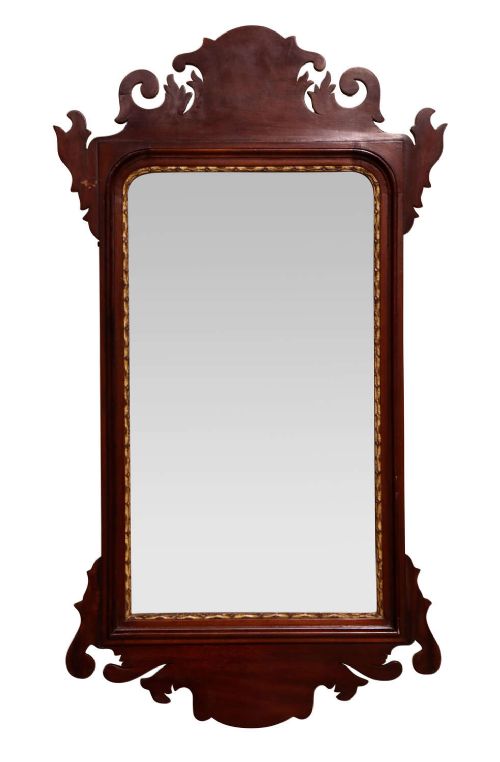
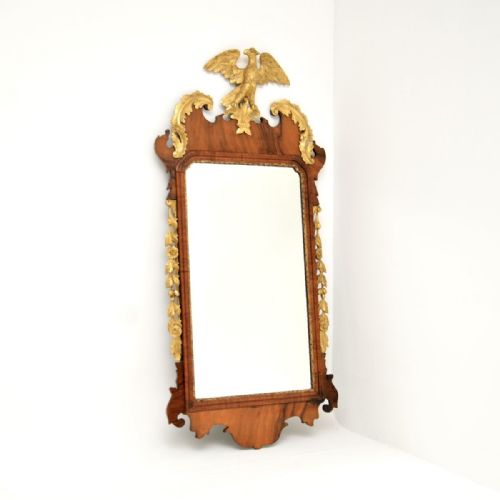
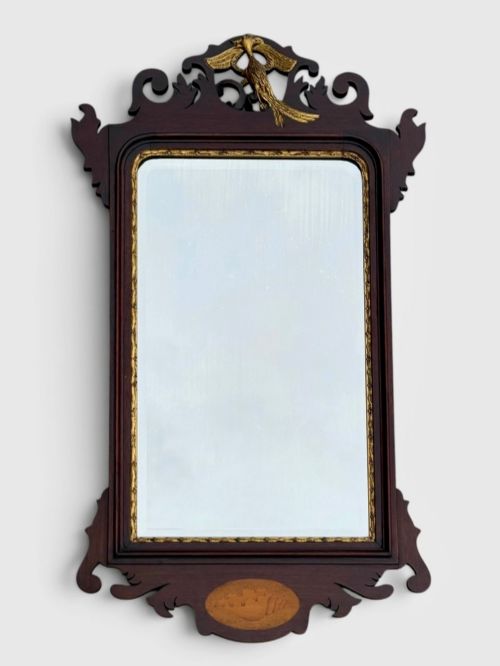
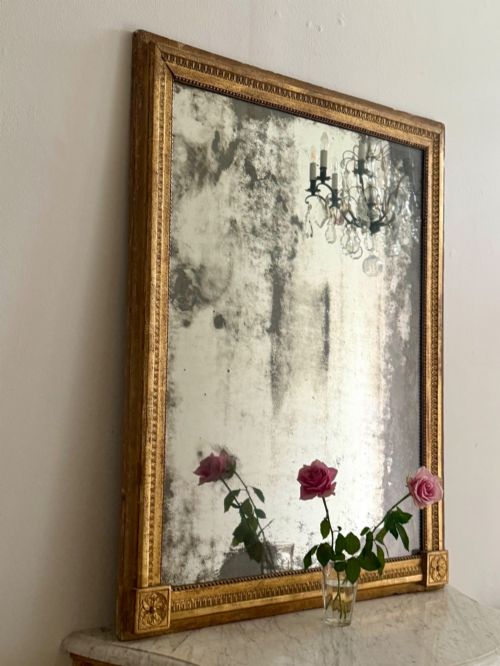
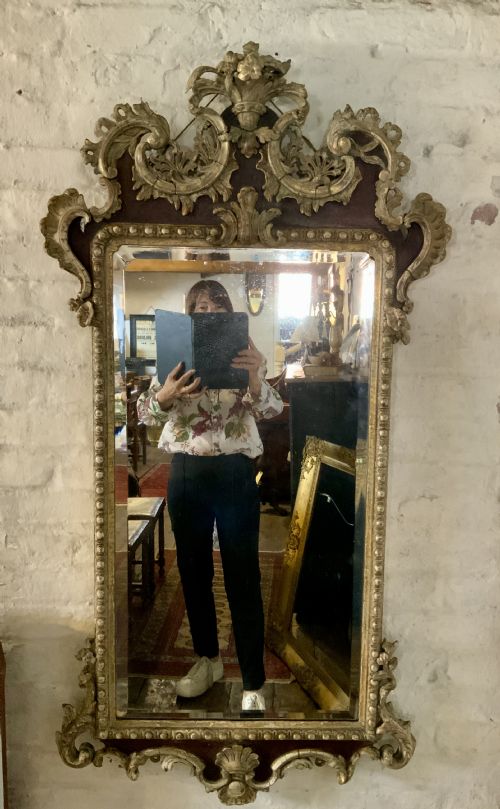
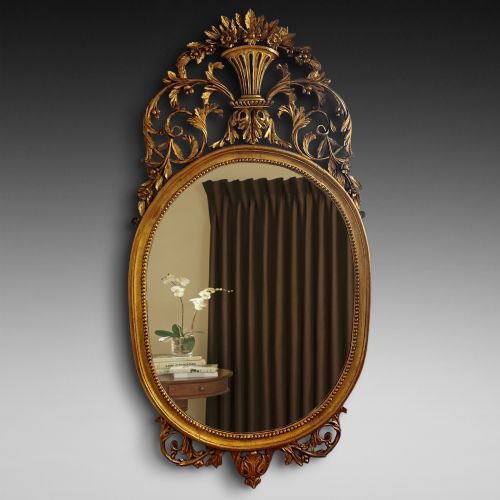
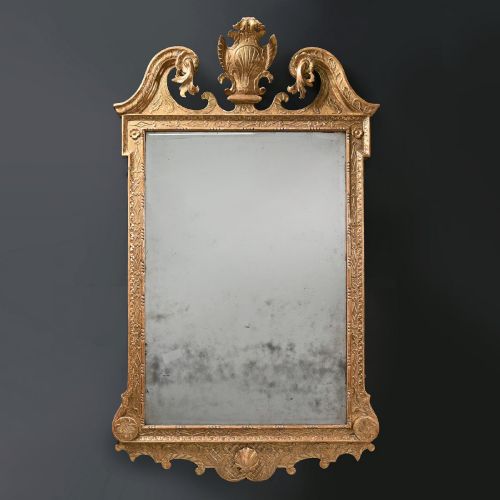
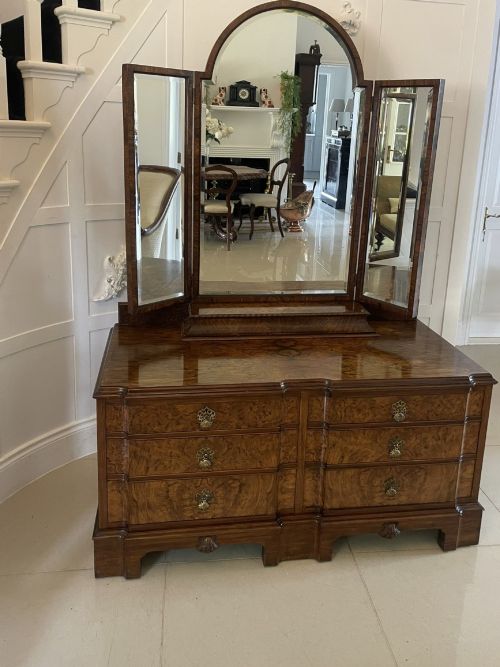
Georgian Carved Wood Mirror
A georgian carved wood mirror brings eighteenth-century presence to a room through gilded craftsmanship and historic glass.
Georgian Carved Wood Mirror
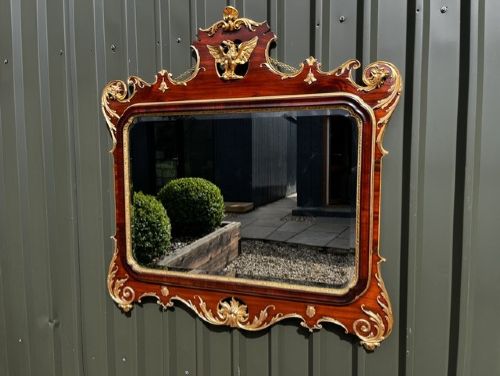
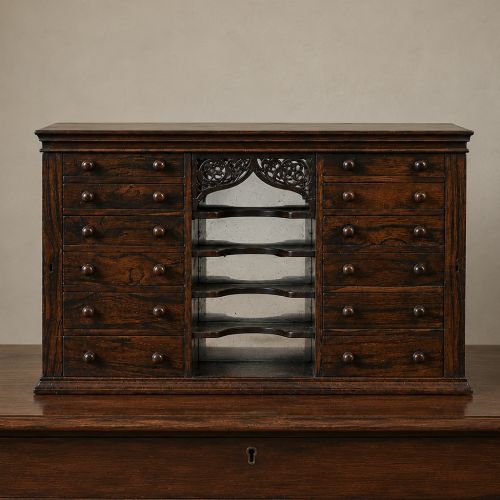
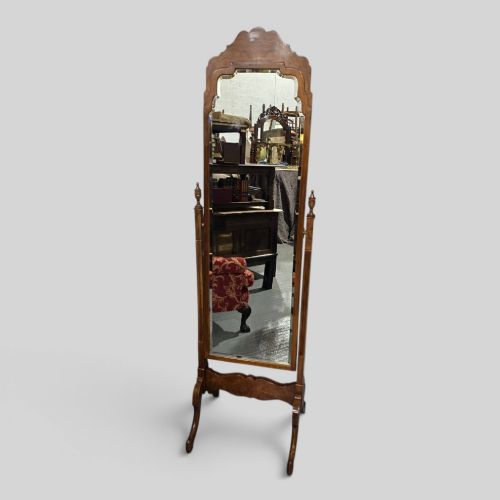
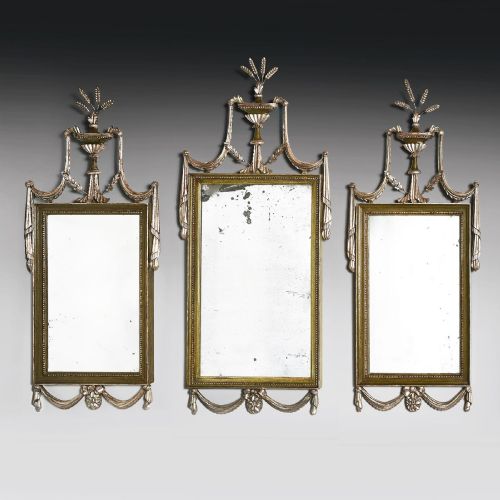
A georgian carved wood mirror encompasses wall hanging pieces, overmantel designs, and dressing glasses shaped during the eighteenth century and subsequent revival periods. These works serve as focal points in interiors, combining functional reflection with ornamental woodwork.
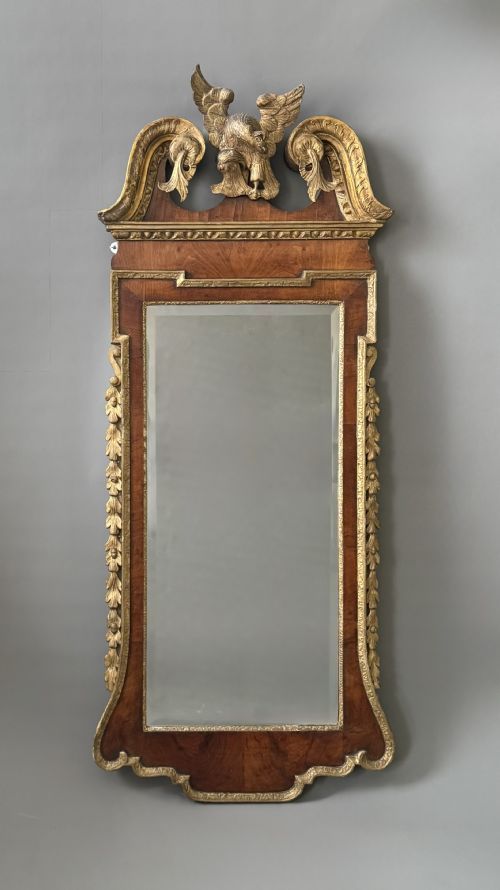
The versions met most frequently on this page span authentic eighteenth-century examples alongside nineteenth-century and early twentieth-century interpretations in the Chippendale and Regency styles. Mahogany, walnut, and pine provide the structural foundations for these framed objects.
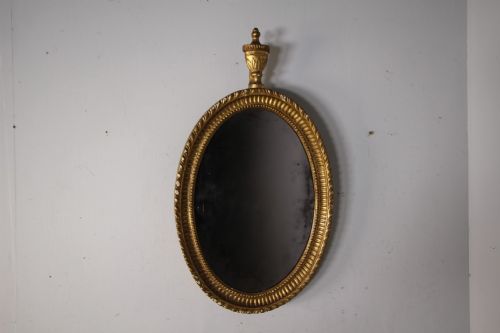
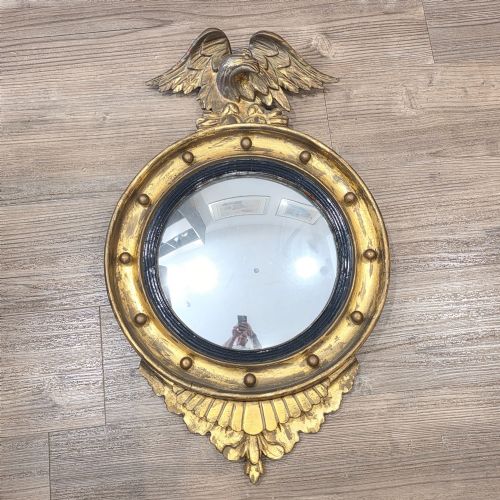
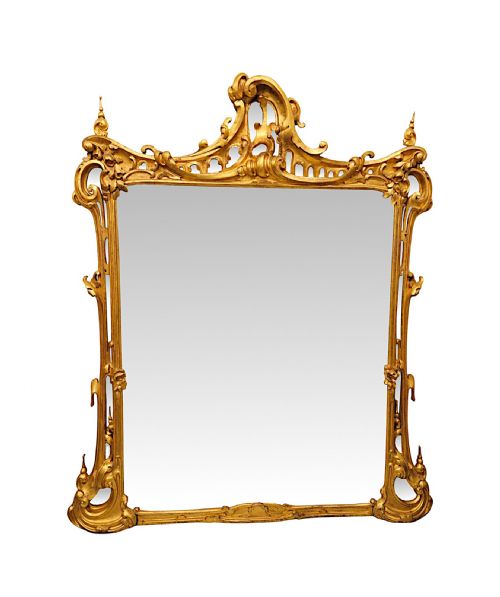
Makers shaped these frames into ovals, rectangles, and circular convex formats, often incorporating motifs such as birds, scrolls, and classical architectural details. Surviving pieces connect modern spaces directly to Georgian design principles.
How they were made
Carpenters carved timbers like mahogany, walnut, and pine to form the primary structure of a georgian carved wood mirror. Gesso was then applied over the wood to build up intricate relief details before guilders laid gold leaf across the surface.
Reflective surfaces relied on early manufacturing methods, including mercury glass that developed distinctive foxing over decades. Brass components frequently secured joints, swing mechanisms, or candle sconces attached to girandole frames.
Georgian Carved Wood Mirror Retail Price Guide 2026
Typical asking prices for georgian carved wood mirror among the pieces listed under this phrase on Sellingantiques today, from the lower quarter to the upper quarter. They describe what is for sale here now, not the wider market.
Periods represented span the eighteenth century, Regency era, and later revival movements.
What varies in quality
The depth and crispness of the carved details separate superior examples from simpler productions, with master carvers achieving notable dimension in foliage and animal figures. The integrity of the original gesso and gold leaf layer dictates the visual impact of the frame.
The condition and age of the mirror plate itself influence the character of the piece, as original mercury glass exhibits unique oxidation patterns. Timber selection also matters, with figured burr walnut or dense mahogany marking out higher status commissions.
Gillows Of Lancaster·John Belchier
The Georgian Carved Wood Mirror Glossary
- Giltwood
- Timber coated in fine gold leaf over a prepared gesso ground. This finish catches candlelight and daylight in historic interiors.
- Gesso
- A plaster mixture applied to wood frames to create a smooth base for carving or gilding. It allows for sharp relief ornament.
- Convex mirror
- A round looking glass with a curved surface that reflects a wide-angle view of the room. These often feature eagle crests.
- Parcel gilt
- Wood finishes where only specific carved elements receive gold leaf while the underlying timber remains exposed. Walnut and mahogany frames frequently utilise this technique.
- Overmantel mirror
- A wide horizontal glass designed to hang above a fireplace mantelpiece. These often incorporate architectural pediments and giltwood moulding.
Georgian Carved Wood Mirror: Frequently Asked Questions
How do I hang a heavy antique mirror safely?
Heavy frames require professional wall fixings distributed across sturdy masonry or stud work to support the substantial weight of timber and glass.
Weight allowances should be verified before mounting overmantel or cheval formats to ensure domestic safety.
What is foxed glass?
Foxed glass refers to the speckled dark spots and degradation that occur naturally in antique mirror plates over centuries of chemical interaction.
This ageing process confirms the authenticity of eighteenth-century and early nineteenth-century glass panels.
How do I clean a gilded frame?
Gilded surfaces require extremely gentle dusting with a soft, dry brush to prevent damage to fragile gold leaf and gesso.
Moisture and commercial cleaning products must be avoided entirely to preserve historic metallic finishes.
How do I spot a reproduction?
Reproductions often display uniform machine carving and modern mirror plates lacking the characteristic distortions of period glass.
Examining the backboards, joinery methods, and wear patterns helps distinguish genuine Georgian items from later revivals.