



Chippendale Style Oval Mirror
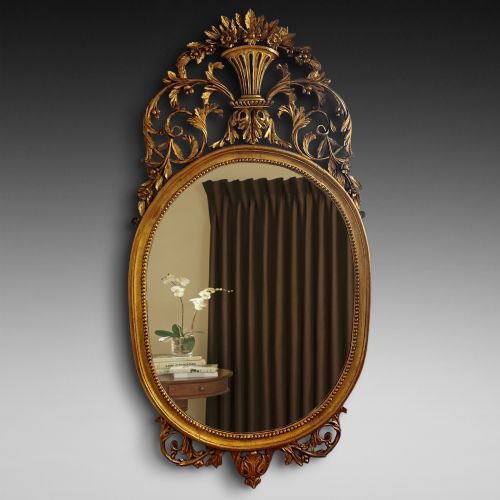
These chippendale style oval mirror pieces combine scrolling frames with Georgian presence, offering collectors decorative focal points for period interiors.
Chippendale Style Oval Mirror
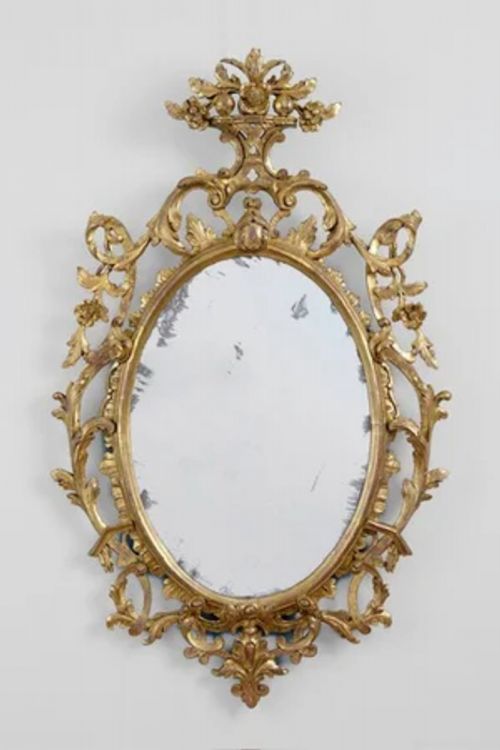
When you search for a chippendale style oval mirror, you encounter wall mirrors shaped within vertical curves and framed by intricate carved decoration. These pieces draw upon eighteenth-century design principles, interpreted through both original periods and later revival eras.
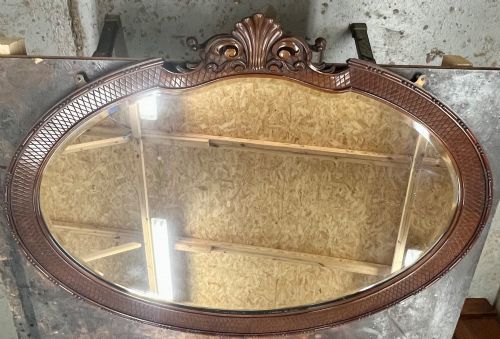
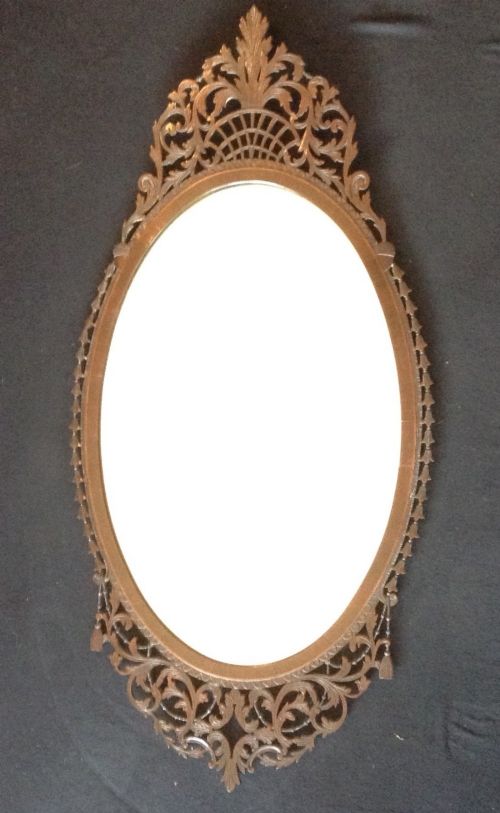
The selections available here span Georgian origins alongside later nineteenth-century interpretations such as Chippendale Revival and Rococo Revival. Most examples present either gilded wooden frames or dark polished timber with fretwork detailing.
Wall mirrors form the entirety of these listings, functioning traditionally as overmantel or pier glass ornaments. Their vertical oval format softens angular room layouts while providing functional reflection.
Materials and construction
Cabinetmakers constructed the wooden frames using mahogany, applying parcel gilding to highlight specific carved motifs. Other versions utilise carved giltwood and gesso over a timber base, finished with gold leaf applied by hand.
Glass plates within these frames feature mirrored surfaces, sometimes incorporating bevelling around the outer edges. Carvers utilised chisels and gouges to render the asymmetric scrollwork, acanthus leaves, and floral elements characteristic of the style.
A solitary piece in the archive carries the distinct echo of Thomas Chippendale himself, though born a century too late.
Evaluating craftsmanship and age
Differentiation in quality rests upon the depth and crispness of the wood carving rather than the mere presence of decoration. Superior examples display undercut foliage and balanced proportions that demonstrate sculptural confidence by the maker.
The integrity of the original gilt surface or timber patina significantly influences character. Pieces retaining their original mirrored glass plates and primary backing boards command greater appreciation among traditional collectors.
The Chippendale Style Oval Mirror Glossary
- Giltwood
- Wood that has been coated with gold leaf or metal powder over a prepared gesso ground. This finish provides the characteristic metallic sheen seen on classical wall mirrors.
- Gesso
- A plaster-like mixture applied to wooden frames as a smooth base for gilding. It allows craftsmen to model sharp relief details before applying gold leaf.
- Fretwork
- Openwork ornamentation cut from thin boards using a fretsaw. This technique creates geometric or interlaced patterns along the outer margins of mahogany frames.
- Rococo
- An artistic style characterised by elaborate ornamentation, asymmetry, and scroll motifs resembling shellwork and C-scrolls. It heavily influences the framing of these mirrors.
Chippendale Style Oval Mirror: Frequently Asked Questions
Where should I hang an oval mirror?
These mirrors suit placement above mantelpieces, console tables, or within entrance halls where vertical wall space allows the carved frame to act as a principal focal point.
Ensure the wall fixings match the weight of the timber and gesso construction to support the piece securely.
How do I distinguish a Georgian mirror from a revival piece?
Original eighteenth-century pieces display specific hand-tool marks, older secondary woods, and oxidized silvering behind the glass plate. Revival pieces from the nineteenth century often utilise machine-prepared timbers and brighter, more uniform gilding.
Comparing the backing construction and joinery helps clarify the manufacturing period.
Are mahogany and giltwood versions cleaned differently?
Mahogany frames respond well to traditional beeswax polishes applied sparingly with soft cloths. Giltwood surfaces require delicate dusting with a dry feather brush to avoid damaging the thin gold leaf layers.
Moisture should be kept away from all antique frame surfaces during maintenance.
What defines the Chippendale aesthetic?
This design vocabulary incorporates asymmetrical scrolls, naturalistic foliage, and flowing lines derived from mid-eighteenth-century pattern books. It balances structural symmetry with elaborate carved embellishments.
Revival makers later reinterpreted these motifs during the Victorian and Edwardian eras.