
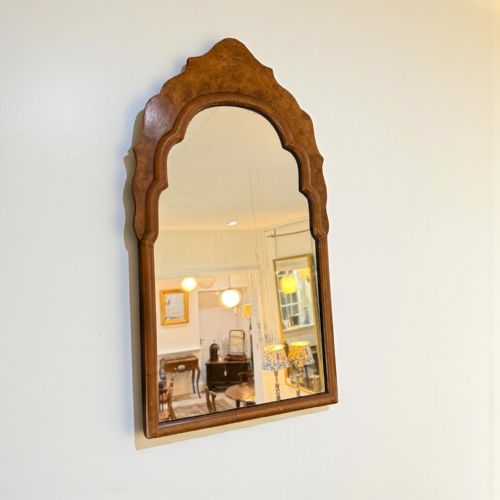
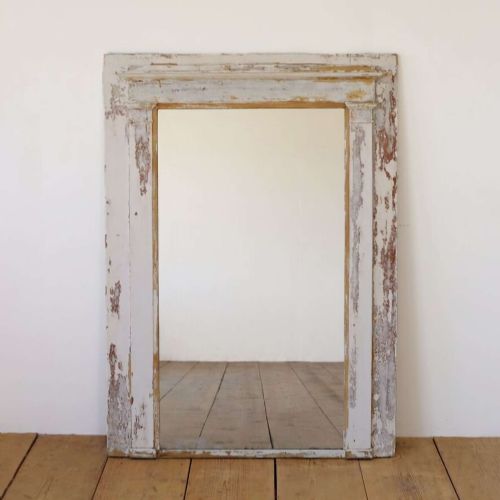
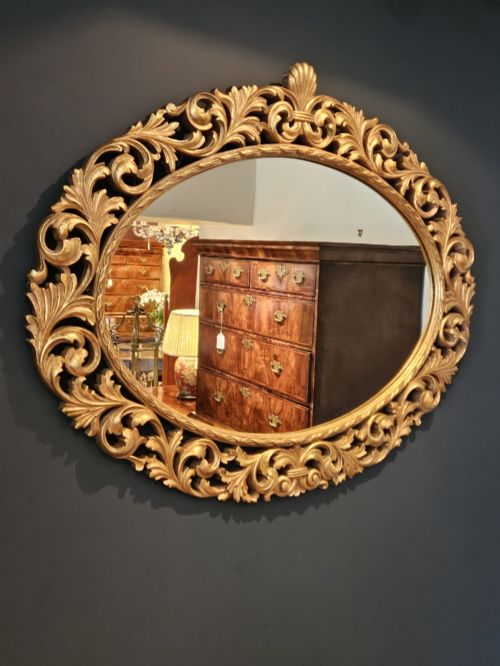
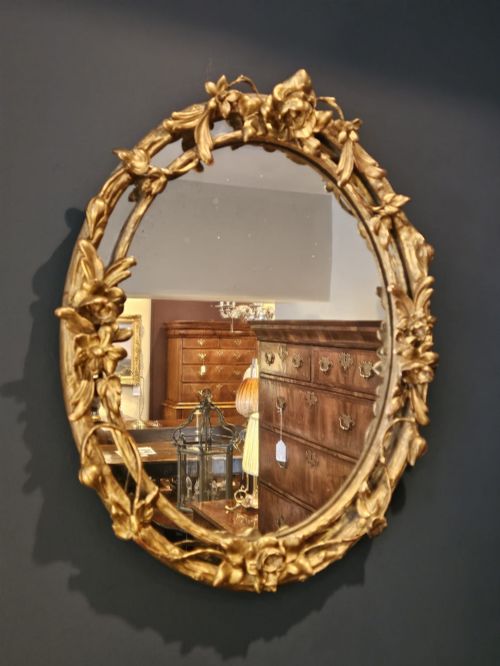


Carved Timber Hanging Mirror
A carved timber hanging mirror brings depth and character to a room, offering functional reflection through distinctive craftsmanship.
Carved Timber Hanging Mirror
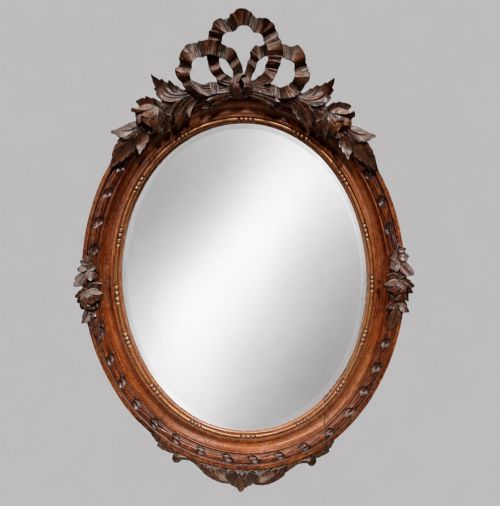
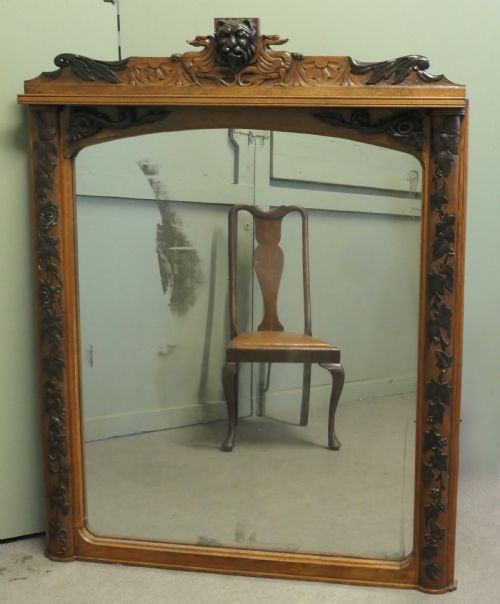
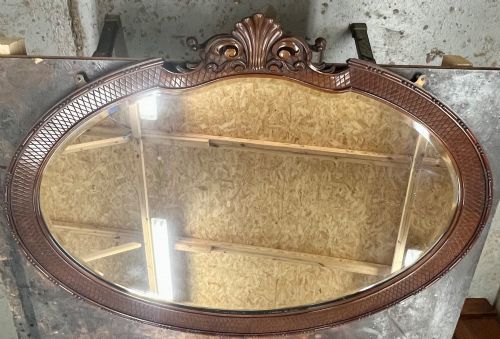
A carved timber hanging mirror is a wall-mounted reflective piece defined by its wooden frame and decorative carving. When you search for this phrase, you encounter wall mirrors shaped from various timbers and styles spanning multiple centuries.
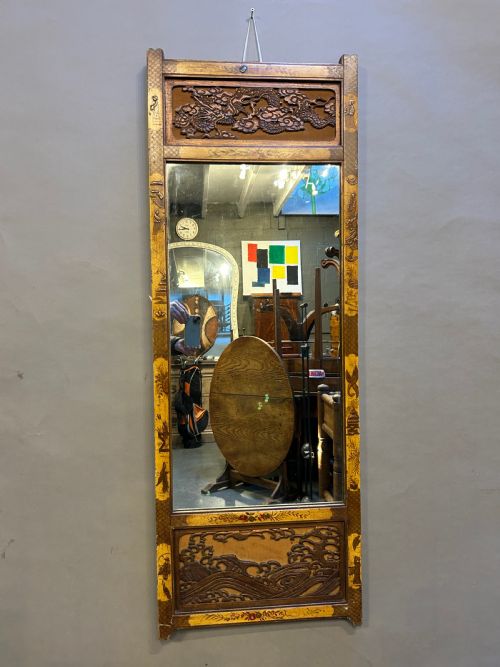
The selections here range from nineteenth-century oak and walnut pieces to Chinoiserie and Art Deco designs from nineteen-thirty. You are most likely to meet Victorian and nineteenth-century examples featuring oval or rectangular formats.
These items function primarily as wall mirrors, combining practical glass with ornamental frames shaped by period aesthetics. Each piece reflects the decorative priorities of its originating era, from Georgian Chippendale influences to ornate French neoclassical motifs.
Materials and construction
The construction relies on solid woods such as oak, walnut, mahogany, and limewood, alongside gilded surfaces known as giltwood. Artisans shaped these timbers using hand-carving techniques to produce intricate details like rose vines, heraldic shields, and classical motifs.
Frames incorporate glass panels secured within timber backings designed for wall suspension. Surface finishes vary from natural wood grain and walnut veneer to applied gilt layers and faux bamboo detailing.
Listings span periods from the Georgian era through Victorian times to nineteen-thirty, utilising oak, walnut, mahogany, and giltwood.
Distinctions in quality
Quality rests upon the depth and precision of the carving work executed on the timber frame. Pieces with deeply undercut foliage, crisp classical motifs, or detailed figural elements demonstrate superior artisan investment.
The choice of primary wood and the integrity of the original gilt or veneer finish further separate standard production from exceptional examples. Structural cohesion in the mitred joints and the clarity of the hanging mechanism complete the assessment.
The Carved Timber Hanging Mirror Glossary
- Giltwood
- Wood that has been coated with gold leaf or gilt preparation. This finish appears frequently on ornate nineteenth-century frames.
- Chinoiserie
- European interpretation of Chinese and East Asian artistic traditions. It manifests in specific decorative wall mirrors from the nineteen-thirties.
- Veneer
- A thin layer of superior wood applied to a base timber surface. Walnut versions often utilise this technique for decorative grain patterns.
- Bevelled edge
- Glass whose outer perimeter is cut at an angle to create a framed optical border. This detail appears on select nineteenth-century and later mirrors.
- Pier wall mirror
- A tall mirror designed to hang on the wall space between windows. These pieces often coordinate with interior architectural proportions.
Carved Timber Hanging Mirror: Frequently Asked Questions
How do I hang a heavy timber mirror?
Heavy carved timber mirrors require secure wall fixings anchored directly into structural studs or solid masonry. Utilise robust picture hooks and weight-rated wire suited to the mass of the specific frame.
Check that the hanging rings screwed into the timber back remain firmly seated before mounting the piece at eye level.
Are these mirrors original antiques?
The inventory comprises pieces originating from various historical periods, including the Georgian era, the nineteenth century, and the nineteen-thirties. Each listing indicates the specific period or estimated date associated with the item.
Materials, construction methods, and style characteristics align with the documented age of each individual wall mirror.
How do I clean a giltwood frame?
Dust giltwood and carved timber frames gently with a dry, soft-bristled brush to remove accumulated particles without disturbing the surface. Avoid liquid cleaners, damp cloths, and chemical solvents that damage delicate gold leaf or aged wood.
Maintain the glass using a standard glass cleaner applied to a cloth rather than sprayed directly near the wooden edge.
What rooms suit a carved timber mirror?
These mirrors suit hallways, living rooms, and bedrooms where wall space allows the decorative frame to serve as a focal point. Placed above mantelpieces or console tables, they reflect ambient light and visually expand the room.
Match the scale of the mirror to the available wall area and surrounding furniture proportions for a balanced interior layout.