




Gold Chinoiserie Wall Mirror
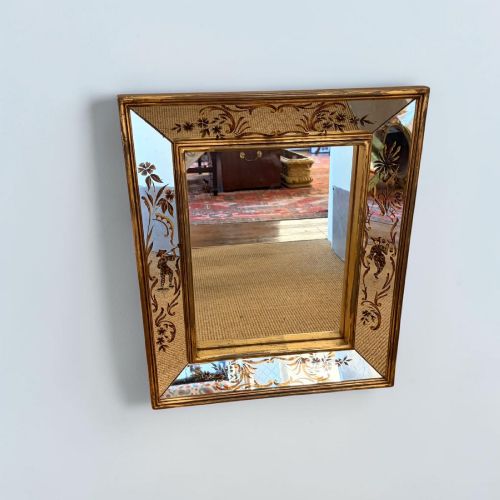
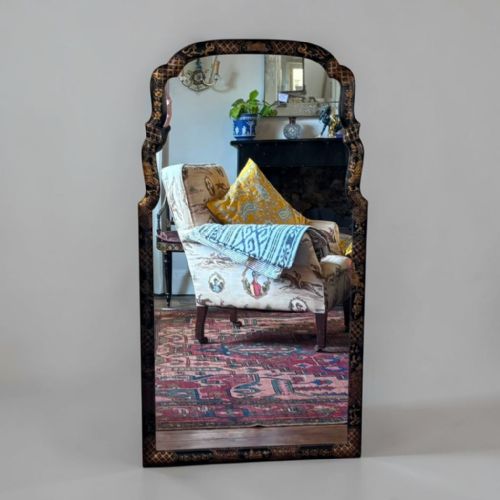
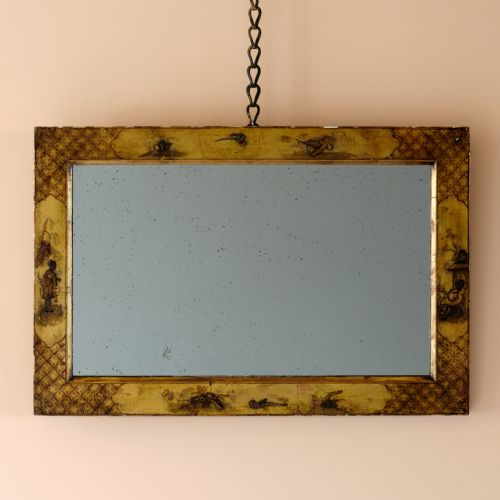
A gold chinoiserie wall mirror brings eccentric narrative and opulent surface texture to an interior, blending European framing with motifs of East Asian landscape.
Gold Chinoiserie Wall Mirror
A gold chinoiserie wall mirror combines intricate European framing with decorative schemes inspired by Chinese art, functioning as a striking focal point in a reception room or hallway. Buyers seeking this aesthetic will find pieces originating from various periods, including the Georgian era and the nineteenth century, through to later twentieth-century interpretations.
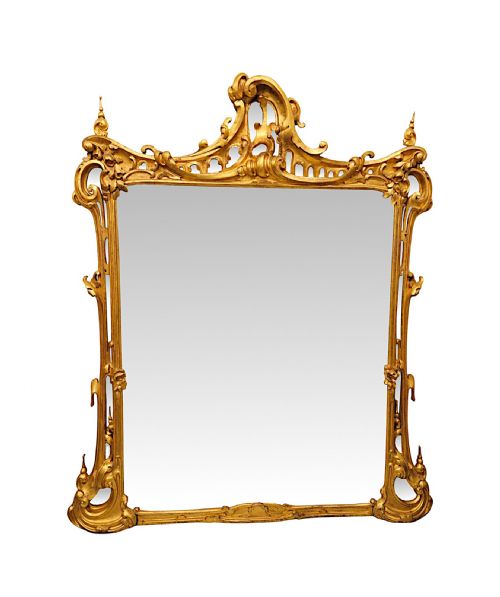
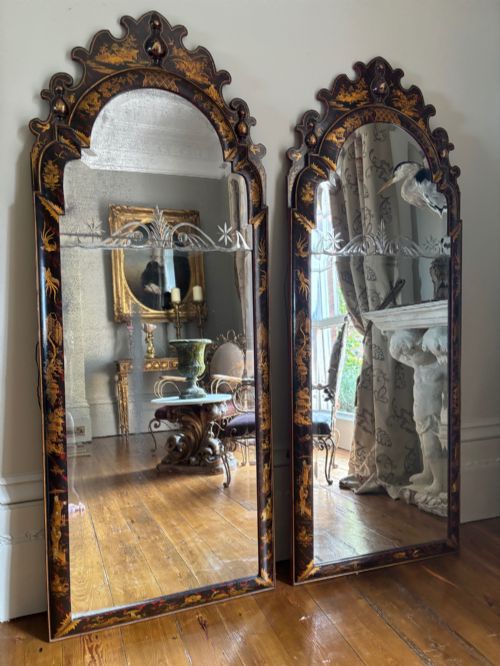
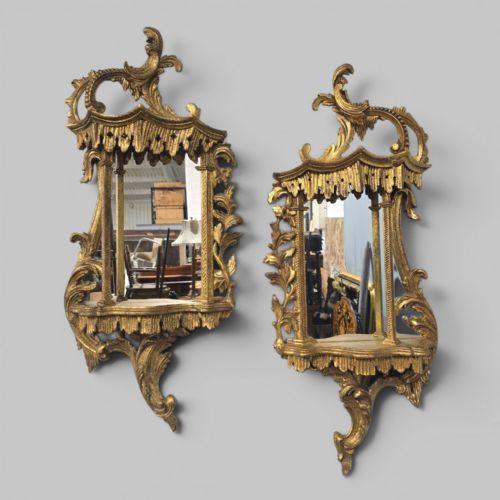
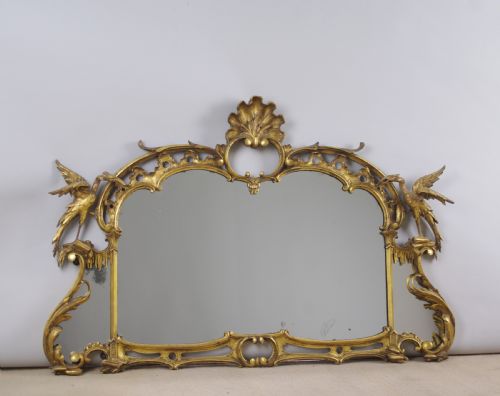
The forms vary significantly across the selection, encompassing large overmantel mirrors, pier mirrors, and oval wall hanging pieces. Many examples adopt Chinese Chippendale or Queen Anne revival styles, incorporating elaborate carved woodwork alongside traditional lacquer finishes.
How they were made
Craftsmen built the structural frames primarily from wood, utilising carved timber or giltwood to achieve elaborate scrollwork, architectural pediments, and avian motifs such as Ho-ho birds. Gilding techniques applied gold leaf or gilt finishes over the wooden base to create a brilliant reflective surface.
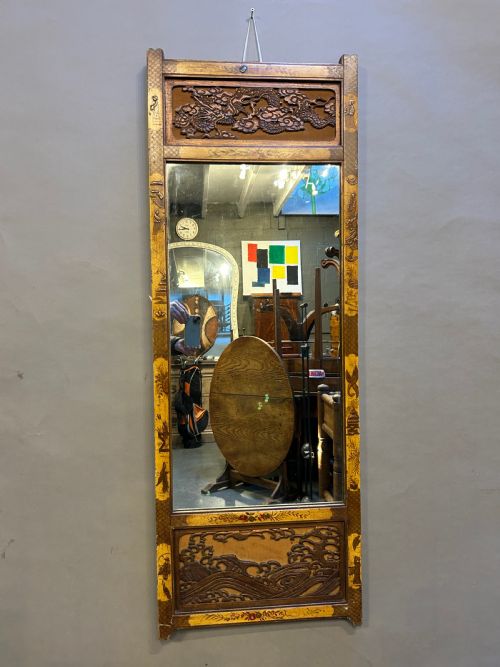
Lacquered wood panels formed another primary construction method, featuring painted or built-up surfaces in black or red tones. These lacquered sections often integrated reverse glass painting or traditional Asian-style decoration within the overall mirror design.
Keep an eye out for mischievous Ho-ho birds perched atop the carved frames, silently judging your interior design choices.
What varies in quality
The refinement of the carving separates standard production from exceptional examples, with master carvers delivering deep undercut foliage and sharply defined figures rather than shallow, softened relief. The execution of the gilding further distinguishes pieces, where burnished gold leaf displays greater depth and lustre than flat painted finishes.
The integrity of the lacquerwork and painted scenes dictates the overall standard, as skilled hand-decoration retains crisp detail and rich coloration over centuries. Original glass plates, possessing subtle imperfections and foxing, contribute to the authenticity and historical character of the piece.
The Gold Chinoiserie Wall Mirror Glossary
- Giltwood
- Timber, typically lime or pine, coated with fine layers of gesso and gold leaf or metal leaf. This technique provides a durable and brilliant metallic finish for elaborate frames.
- Japanning
- European imitation of East Asian lacquerwork, developed in the seventeenth century. The technique involves applying multiple coats of varnish and resin, often heat-cured and decorated in gold or raised relief.
- Overmantel mirror
- A large mirror specifically designed to hang or sit upon the mantelpiece above a fireplace. These pieces often span the full width of the chimney breast.
Gold Chinoiserie Wall Mirror: Frequently Asked Questions
How do I style a gold chinoiserie mirror?
These mirrors suit rooms with traditional proportions, where they can hang above a fireplace or console table as a primary focal point. Their ornate frames work well against plain or softly patterned walls to let the intricate woodwork stand out.
Pairing the mirror with complementary wooden furniture or subtle Asian-inspired accessories enhances the thematic consistency of the interior scheme.
What periods do these mirrors come from?
The selection includes pieces originating from the Georgian period alongside nineteenth-century examples and later revivals from the early twentieth century. Each era brings distinct interpretations of Chinese Chippendale and Queen Anne styles to the frames.
Craftsmen across these different decades adapted traditional motifs to suit contemporary tastes, resulting in varied carving depths and finishing techniques.
Are the lacquer finishes black or red?
Lacquered frames in this selection appear primarily in black or red finishes, reflecting popular colour choices from the Georgian era through to later revival periods. These dark or vivid backgrounds provide high contrast for the gilded details and painted scenes.
Both colourways serve to highlight the narrative elements characteristic of chinoiserie design.
What is a pier mirror?
A pier mirror is a tall, narrow glass designed to hang on the wall space between two windows, known as the pier. These mirrors often sit above matching console tables to create a unified decorative arrangement.
Their vertical proportions maximise light reflection in smaller wall spaces within a room.