


Queen Anne Wall Mirror
A queen anne wall mirror brings warmth and depth to a room through figured timber and traditional craftsmanship.
Queen Anne Wall Mirror
A queen anne wall mirror is a domestic hanging glass defined by shaped crests and figured timber veneers. When buyers search for a queen anne wall mirror, they encounter period originals alongside revival pieces made centuries later.
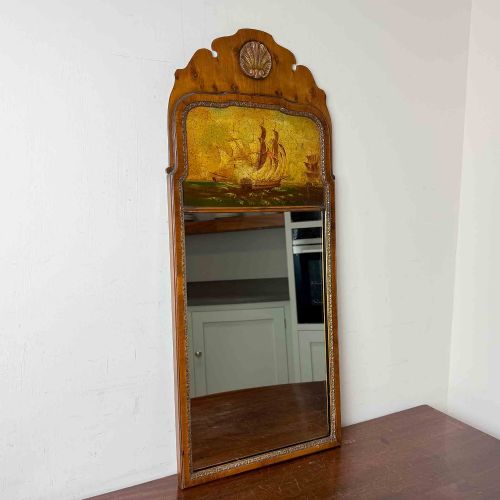
The most common form met on this page is the walnut wall mirror, often featuring burr walnut veneers and parcel gilding. These pieces span actual eighteenth century examples to twentieth century revivals reflecting the same aesthetic.
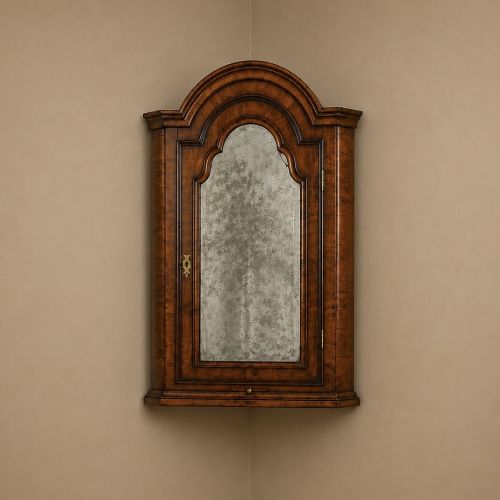
Makers produced these mirrors in various formats, including pier glasses, overmantel mirrors, and occasionally hanging corner cupboards that incorporate mirror glass. The silhouette typically relies on curved outlines rather than strict straight lines.
Materials and Construction
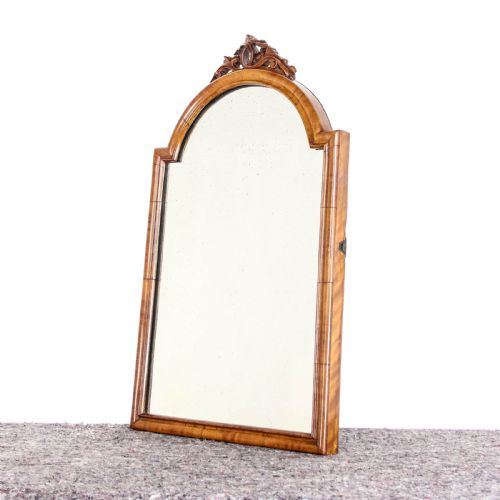
Walnut and burr walnut form the primary wooden elements of these pieces, applied as thin veneers over secondary timbers. Artisans enhanced the grain patterns with polished finishes while incorporating gilt wood or parcel gilt highlights to frame the glass.
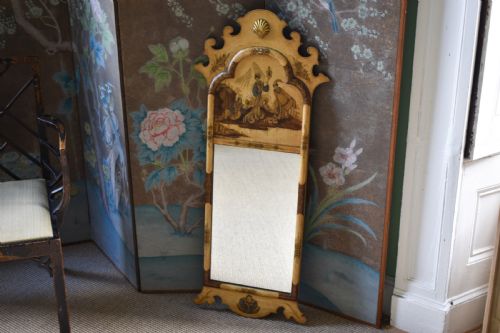
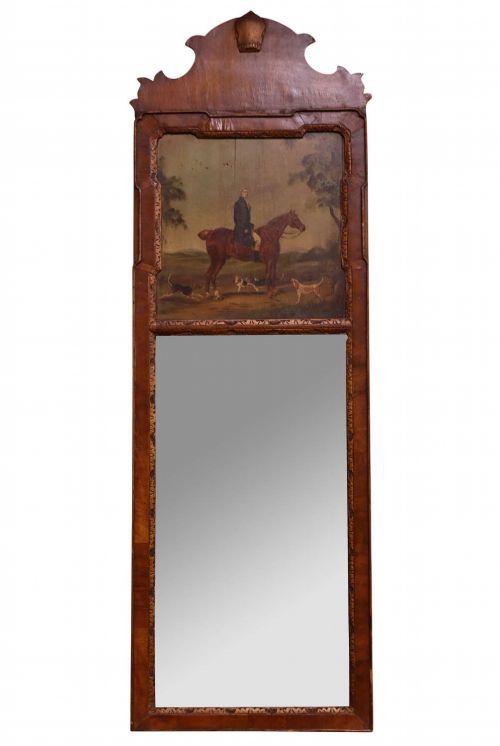
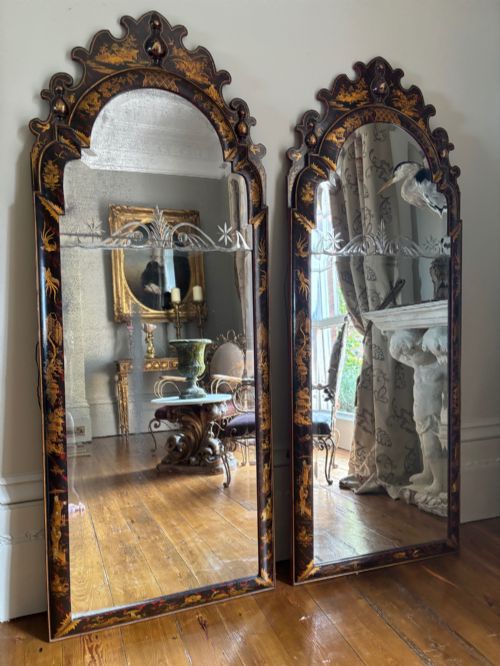
Decorative techniques extend beyond plain timber to include chinoiserie lacquer work, hand painted foliate panels, and inserted oil paintings with maritime or equestrian subjects. Mirrors also incorporate bevelled glass plates held within shaped wooden frames.
Queen Anne Wall Mirror Retail Price Guide 2026
Typical asking prices for queen anne wall mirror among the pieces listed under this phrase on Sellingantiques today, from the lower quarter to the upper quarter. They describe what is for sale here now, not the wider market.
Listings span from the early eighteenth century through the georgian and victorian eras, extending into twentieth century revival movements.
Assessing Quality and Execution
The distinction between standard examples and the finest pieces rests upon the quality of the timber selection and the depth of carved detail. Burr walnut veneers with rich figuring command attention, particularly when matched across the surface of the frame.
Hand painted details such as chinoiserie decoration or inserted oil panels elevate the artistic merit of individual mirrors. The integration of parcel gilding and the preservation of original mirror glass plates further separate exceptional items from simpler productions.
The Queen Anne Wall Mirror Glossary
- Burr walnut
- A figured timber obtained from walnut tree growths, valued for its complex and swirling grain patterns. It provides a highly decorative surface when cut into thin veneers.
- Chinoiserie
- A European artistic style reflecting Chinese aesthetic motifs, commonly applied through lacquer work and painted scenes on furniture frames.
- Parcel gilt
- A decorative technique where selected portions of a wooden object receive a thin application of gold leaf, contrasting with the natural timber base.
- Overmantel mirror
- A wide mirror designed to sit directly above a fireplace mantelpiece. These items frequently feature horizontal proportions and multi-plate glass.
Queen Anne Wall Mirror: Frequently Asked Questions
How do I date a walnut mirror?
Dating relies on examining the construction methods, timber types, and the composition of the glass plates. Eighteenth century examples show specific cabinetmaking techniques and aged patination distinct from later revivals.
Twentieth century revival pieces often utilise machine cut timber and uniform modern mirror glass while imitating earlier forms. Comparing the backboards and fixings provides further clues to the true age of the object.
Where should I hang these mirrors?
These mirrors suit placement above mantelpieces, in hallways, or as focal points on principal living room walls. Their reflective surfaces help to bounce light around smaller or darker spaces.
Ensure that the wall fixings match the weight of the mirror, particularly for substantial giltwood or heavily timbered pieces. Hanging them at eye level allows the detail of the crest and frame to be appreciated properly.
What is a pier glass?
A pier glass is a vertical wall mirror originally designed to hang on the narrow pier of wall between two adjacent windows. This placement maximised natural light within formal rooms.
Over time, the term became associated with tall wall mirrors generally, though the slender proportions remain a defining characteristic.
Are painted panels original?
Many mirrors feature inset oil paintings, foliate panels, or chinoiserie decoration executed during the period of manufacture. These painted elements were integrated into the overall design of the frame.
Authentication involves inspecting how the panel sits within the timber structure and checking the age of the pigments used by the artist.