


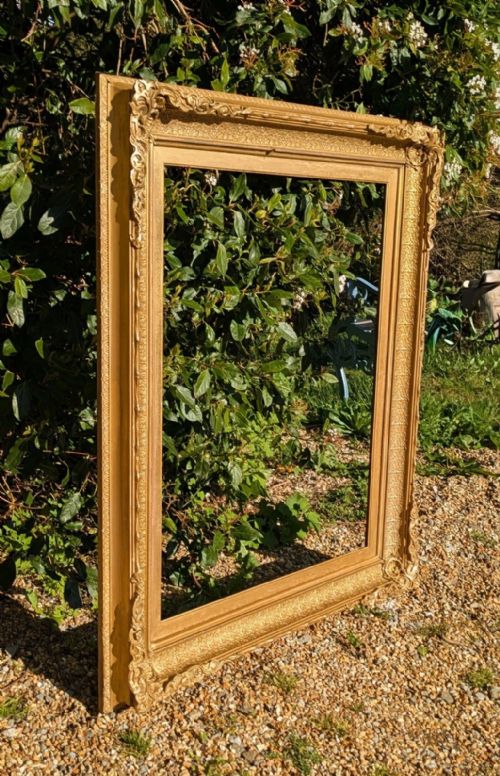

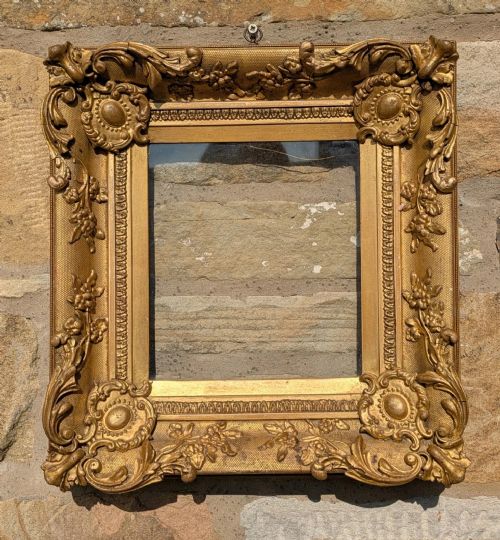


Antique Portrait Mirror
An antique portrait mirror brings the intense focus of historical portraiture and reflective glass together on the wall, offering both a likeness and a sense of depth.
Antique Portrait Mirror
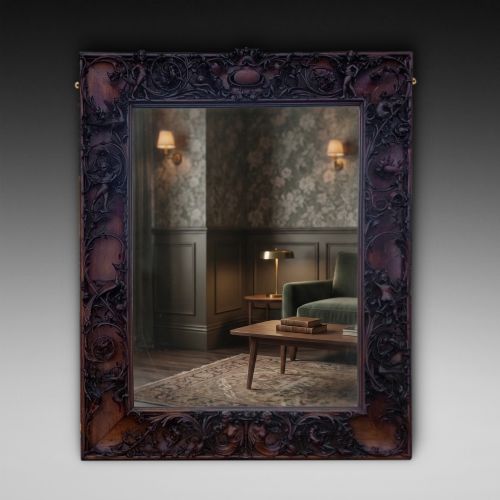
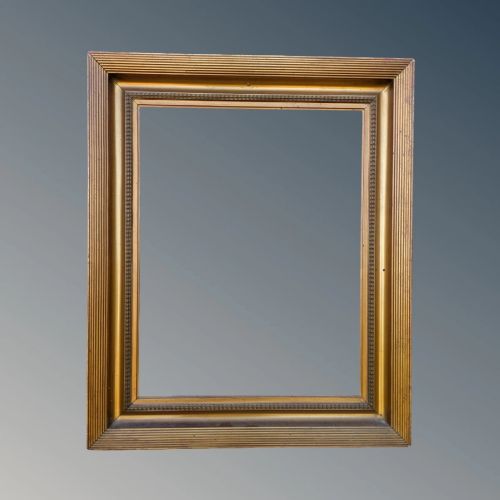
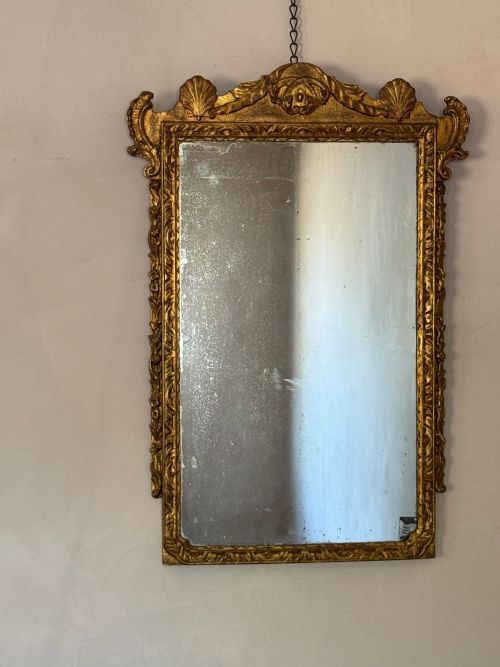
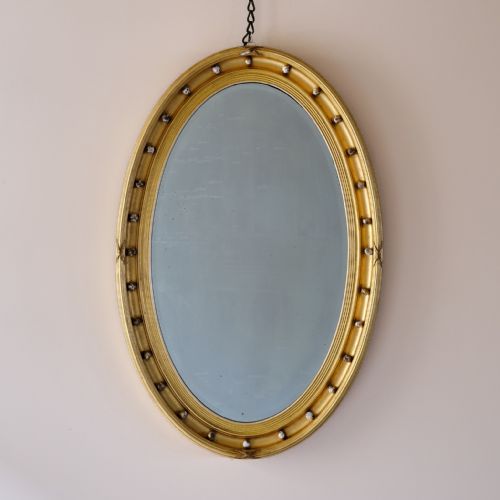
When searching for an antique portrait mirror, a buyer encounters a diverse group of objects spanning centuries, from walnut and mahogany wall frames to gilded surfaces designed for vertical hanging. The pieces on this page range from Victorian and Edwardian wall mirrors to earlier frames repurposed for paintings or reverse glass works.
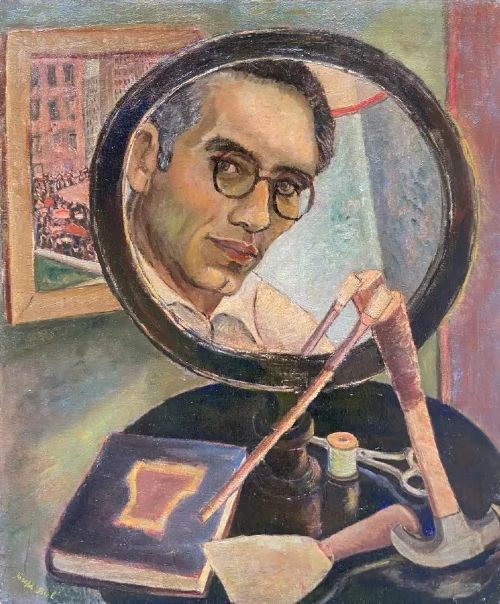
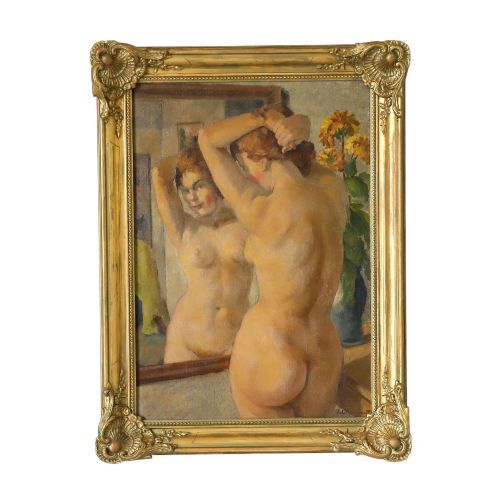
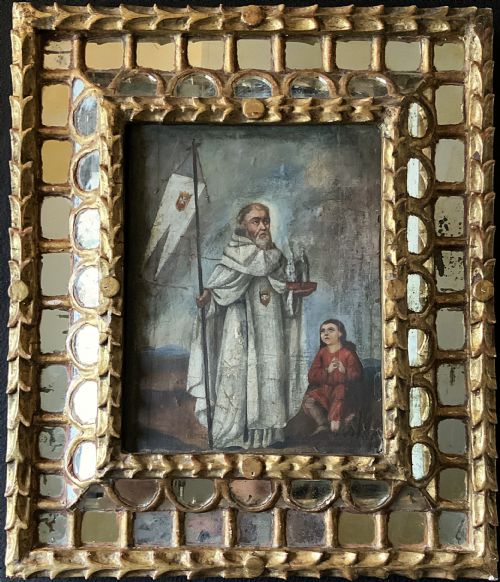
Many examples combine reflective glass with portrait elements, such as oil paintings, pastels, or reverse glass portraits set within elaborate frames. Others are constructed specifically in a vertical portrait orientation, utilising styles from the 17th-century Spanish Baroque to Art Deco and Empire tastes.
Originating across England, France, Italy, and China, these items take the form of wall mirrors, picture frames, and table mirrors, alongside smaller silver gilt lockets. The most frequently met variants on this page lean heavily toward 19th-century Victorian and walnut-framed domestic pieces designed for hanging.
Materials and construction
Carpenters and carvers shaped these pieces using foundational timbers such as walnut, mahogany, beech, and various solid woods. Many frames were then built up with gesso and finished with gold leaf or gilt wood to achieve a brilliant reflective surface.
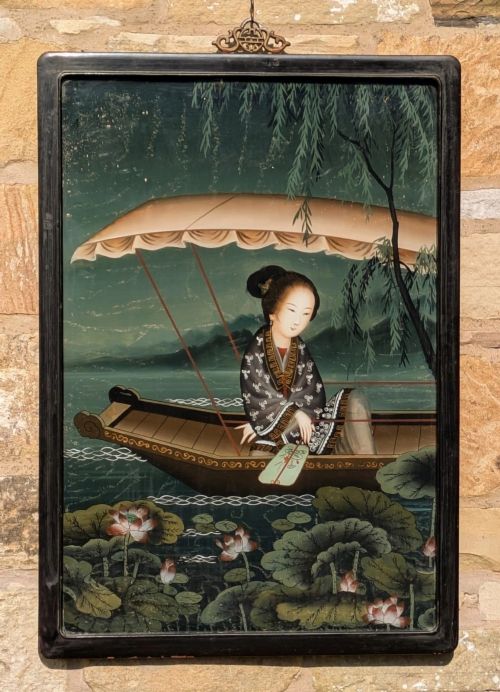
Decorative detailing relies on hand-carved woodwork, ormolu mounts, Limoges enamel, and reverse glass painting techniques. The integration of glass with oil paint, oleographs, or pastels required specialised framing methods to protect fragile artwork alongside reflective panes.
The archive includes both English Georgian Chippendale styles and ornate Italian Baroque Rococo carved wall pieces.
What distinguishes finer examples
The distinction between ordinary and exceptional pieces rests in the crispness of the hand-carved gesso and giltwood details. Superior frames exhibit deep relief work and precise joinery, particularly in walnut and mahogany specimens.
The quality of the integrated art or the clarity of the original mirror glass dictates the overall stature of the piece. Authentic period finishes, untouched patination on wood, and well-preserved reverse glass paintings or oil portraits elevate the standing of the work.
Meyle & Mayer
The Antique Portrait Mirror Glossary
- Giltwood
- Wood that has been coated with gold leaf or gold paint. This technique was widely utilised on 18th and 19th-century frames to create a luminous, durable finish.
- Gesso
- A plaster-like mixture applied to wood frames and then carved or moulded before gilding. It provides the smooth base necessary for intricate, high-relief ornamentation.
- Trumeau
- A decorative wall mirror featuring an upper panel containing a painting or carving. French examples often incorporate oil paintings above the reflective glass.
- Cassetta frame
- A heavy, flat-profile picture frame style originating in the Renaissance. These frames feature a central frieze that is often carved or gilded.
- Reverse glass painting
- An artwork created by applying paint directly to the back of a piece of glass and viewing it from the front. Chinese export pieces frequently utilised this delicate method.
- Oleograph
- A mechanical colour lithograph reproduction textured to mimic an oil painting. These prints were popular in Victorian frames for domestic display.
Antique Portrait Mirror: Frequently Asked Questions
How do I hang a heavy antique mirror?
Heavy antique mirrors require secure wall fixings anchored directly into wall studs or solid masonry using appropriate brackets. Professional framing or hanging hardware ensures the weight of the timber and glass is safely distributed.
Avoid relying on simple picture wire for larger Victorian or Empire frames. Inspect the original structural joins of the wood before mounting to confirm they remain stable.
Can these frames be used for modern mirrors?
Many antique frames originally housed oil paintings, portraits, or reverse glass rather than mirrors. Glaziers can cut new mirror glass to fit historical frames if the rebate depth allows.
Retaining original mirror glass is preferable for historical integrity, but replacement glass is common in pieces that survived centuries of use.
How do I clean a giltwood frame?
Dust giltwood and gesso surfaces gently with a soft, dry brush or feather duster. Moisture and chemical cleaners strip gold leaf and damage fragile gesso ornamentation.
Keep these pieces away from direct sunlight and damp environments to preserve the integrity of the wood and the metallic leaf.
What is an overmantle mirror?
An overmantle mirror is a large wall mirror designed specifically to hang above a fireplace mantelpiece. Victorian and 19th-century examples often feature wide horizontal or vertical proportions to suit grand domestic hearths.
They serve to reflect light around a room and frequently incorporate elaborate carved wooden or gesso frames.